The North American commercial transportation landscape is currently defined by a sharp dichotomy in procurement strategy. As the industry looks toward the looming 2027 model year—a milestone marked by stringent new Environmental Protection Agency (EPA) emissions standards—fleets are deploying capital in highly divergent ways. While demand for new trailers has surged to near-historic highs, appetite for heavy-duty Class 8 tractors remains erratic, reflecting a sector grappling with regulatory anxiety, fluctuating equipment costs, and the delicate art of balancing fleet modernization with fiscal caution.
The Surge in Trailer Procurement: A Market Rebound
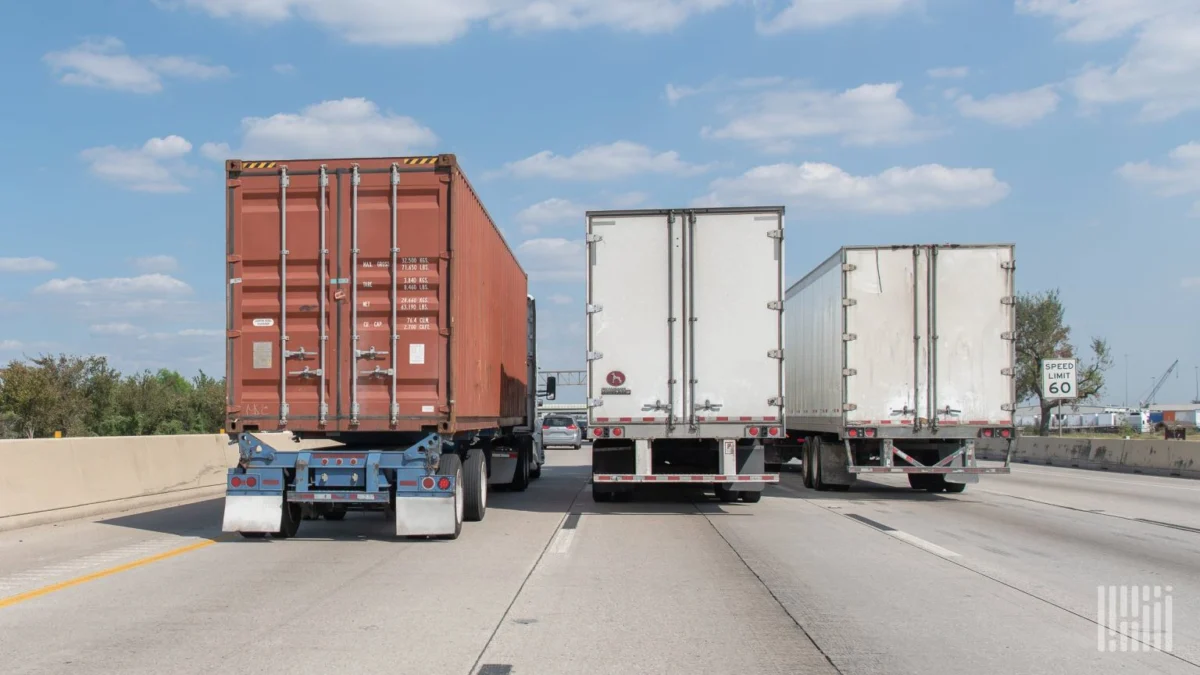
September 2026 served as a pivotal month for the trailer manufacturing sector. According to data from FTR Transportation Intelligence, U.S. trailer net orders hit a staggering 43,059 units. This figure represents a 78% increase over August and a massive 385% jump compared to the same period in 2025. Not since December 2022 has the market witnessed such robust activity, marking an exceptionally strong start to the ordering cycle for 2027-spec equipment.
Industry experts point to a "pent-up demand" narrative to explain this spike. Following a prolonged period of suppressed purchasing power and economic uncertainty, carriers appear to have reached a tipping point where delaying replacements is no longer a viable operational strategy. With trailer order books for 2027 opening earlier than in previous cycles, fleets are rushing to secure build slots, driven in part by fears that potential tariff-related price hikes will make future acquisitions significantly more expensive.
Class 8 Disparity: The Data Divide
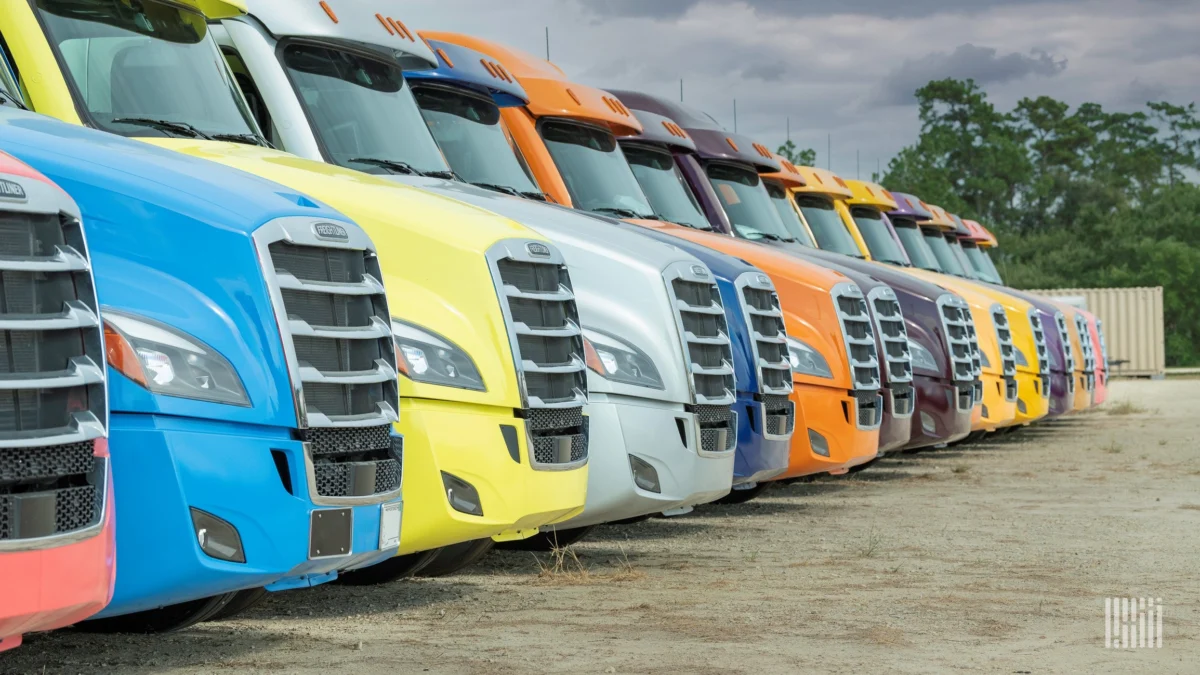
While the trailer market is experiencing a clear, upward trajectory, the picture for heavy-duty Class 8 trucks is far more opaque. The industry is currently contending with conflicting reports from the two most prominent market intelligence firms, FTR and ACT Research.
FTR’s preliminary data suggests a modest appetite for heavy-duty power units, reporting 21,300 net orders for September—a 3% year-over-year increase and an 18% improvement over August. In contrast, ACT Research, utilizing its final data sets, paints a more conservative picture, reporting 19,172 units. This represents a 7% decline from the previous year and a 15% month-over-month decrease on a seasonally adjusted basis.
This statistical friction highlights the volatility inherent in current fleet planning. Analysts suggest that the discrepancy may stem from how different firms account for the timing of order intake versus formal confirmations, as well as the varying levels of "pre-buy" behavior among large-scale carriers.
Chronology of the 2027 Regulatory Horizon
To understand the current tension, one must look at the timeline of the EPA’s 2027 nitrogen oxide (NOx) emissions mandates. This regulatory shift represents one of the most significant technological transitions in the history of the trucking industry.
- 2024–2025: Initial planning phases where OEMs began detailing the complexities of the new after-treatment systems required to meet 2027 standards.
- Early 2026: Fleets began assessing the potential cost-to-benefit ratio of purchasing current-generation diesel trucks before the 2027 "cost-bump."
- Q3 2026: The "pre-buy" cycle for older models began to wind down, creating a vacuum in orders as fleets transitioned from immediate acquisition to long-term budget forecasting.
- September 2026: The market saw a divergence: an aggressive acceleration of trailer orders to prepare for a "new-look" fleet, while Class 8 truck orders stalled as fleets awaited clarity on the pricing and reliability of the upcoming 2027 engine technology.
The Resilience of Medium-Duty Segments
While the Class 8 segment navigates this period of indecision, the medium-duty sector (Classes 5-7) has remained remarkably resilient. ACT Research reported that September orders for these vehicles reached 20,297 units, a 27% increase over the previous year.
The strength in medium-duty demand is largely attributed to localized logistics and regional delivery needs, which are less sensitive to the long-haul economic variables affecting Class 8 tractors. Additionally, dealerships are actively stocking these vehicles in anticipation of the 2027 price increases, betting that smaller carriers will favor the current, proven technology before the cost of entry rises next year.
Official Responses and Analyst Perspectives
Dan Moyer, senior analyst for commercial vehicles at FTR, emphasized that the current data is not merely a reflection of seasonal trends, but a fundamental shift in how fleets interact with their suppliers.
"Rising quote activity and an uptick in requests for proposals indicate that fleets are becoming increasingly active in their equipment planning," Moyer stated. "The trailer surge is a direct response to the realization that the cost of inaction—both in terms of maintenance on aging assets and the potential for rising equipment prices—now outweighs the cost of procurement."
However, the mood at major OEMs like Daimler remains cautious. There is an ongoing dialogue regarding the deployment of cash reserves. Many carriers are currently choosing to preserve capital rather than commit to massive fleet refreshes that involve unproven or more expensive emissions-compliant engines. This "wait-and-see" approach is the primary drag on Class 8 growth, even as the overall economic outlook for freight remains stable.
Implications: A Bifurcated Path Forward
The implications of these conflicting trends are significant for both manufacturers and carriers. For manufacturers, the divergence creates a logistical challenge; factories must manage highly skewed production schedules where trailer production lines are pushed to capacity while tractor lines experience periods of fluctuation.
For carriers, the challenge is strategic. Those who have prioritized trailer replacements are hedging against future inflation, essentially "locking in" their non-powered assets. However, the hesitation regarding Class 8 trucks suggests that the industry remains fundamentally wary of the 2027 transition. The primary concerns are twofold:
- Reliability: Will the new engines perform with the same uptime as current models?
- Cost: How much of the 2027 regulatory burden will be passed on to the end buyer?
As the industry moves into the final months of 2026, the market will likely see a continued "tug-of-war" between the necessity of fleet renewal and the desire for fiscal stability. If the current trend holds, the end of 2026 could see a record-breaking trailer backlog, while the heavy-duty truck segment remains defined by cautious, measured purchasing until the industry gains more confidence in the 2027 engine platforms.
Conclusion: Preparing for the Future
The state of the North American commercial vehicle market at the close of September 2026 underscores a period of intense transition. The surge in trailer orders provides a clear signal that the industry is ready to modernize its assets, even as it exercises extreme caution with its power units.
For industry stakeholders, the road ahead is paved with both opportunity and regulatory risk. Success in the coming quarters will depend on the ability of manufacturers to deliver reliable, cost-effective solutions for 2027, and the ability of fleet operators to navigate the shifting regulatory landscape without sacrificing the operational efficiency that remains the backbone of the North American supply chain. As stakeholders gather for upcoming industry events—including the F3: Future of Freight Festival in Chattanooga—the central topic of conversation will undoubtedly be how to harmonize these disparate market signals into a cohesive, sustainable growth strategy for the years ahead.