As the global economy enters the second half of the decade, the international business landscape is defined by a paradoxical state of affairs: heightened volatility and systemic fragility existing alongside a remarkable, burgeoning corporate resilience. The 2026 World Chambers Federation (WCF) Global Economic Survey has officially unveiled its findings, painting a complex portrait of a private sector that is no longer merely reacting to global shocks but is actively redesigning its operational DNA to withstand them.
This report serves as a definitive barometer for the international business community. By aggregating data from chambers of commerce across the globe, the survey provides a unique, ground-level view of how firms are navigating the dual pressures of geopolitical instability and the rapid, often disruptive, evolution of artificial intelligence.
The Resilience Imperative: A Response to Global Headwinds
For years, the narrative surrounding the global economy was one of recovery from the pandemic. In 2026, the narrative has shifted toward "fortified adaptation." Despite growing global headwinds—ranging from fractured trade corridors to inflationary pressures—businesses are exhibiting an unprecedented level of resilience.
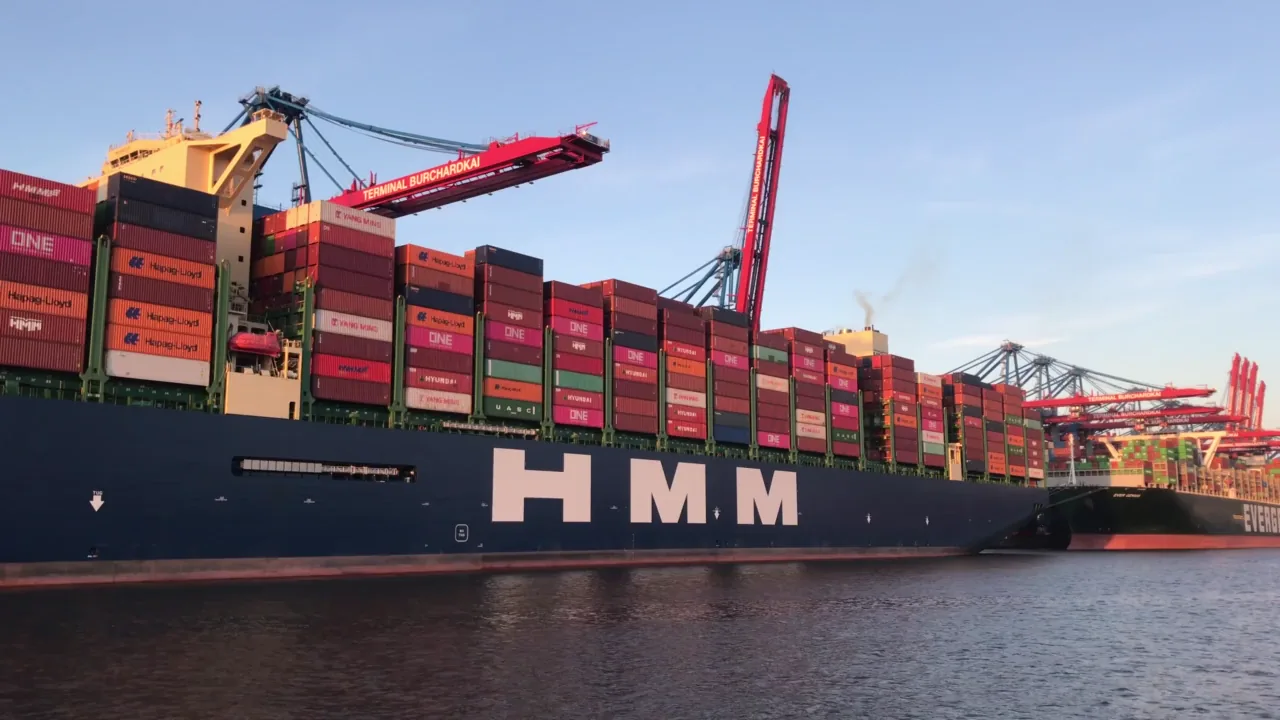
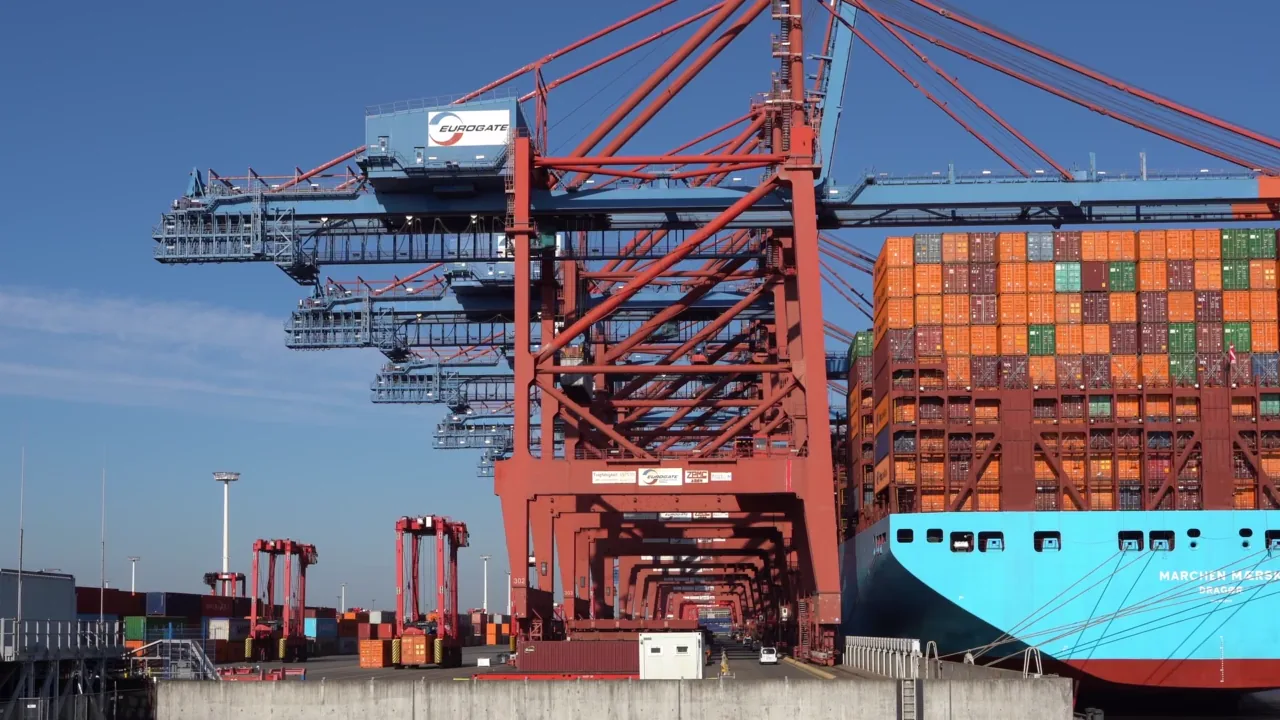
The 2026 survey data indicates that the private sector has largely moved past the era of "just-in-time" efficiency, which left companies vulnerable to supply chain collapses. In its place, we are seeing the rise of "just-in-case" strategies. Firms are diversifying their supplier bases, investing in localized production capabilities, and, most importantly, prioritizing supply chain security as a core strategic pillar rather than an operational afterthought.
This shift is not merely defensive. It represents a fundamental recalibration of how value is created. By embedding resilience into their core models, businesses are finding that they are better equipped to handle not just expected risks, but the "black swan" events that have become a hallmark of the 2020s.
The AI Revolution: The Intensification of the Global Race
While resilience defines the defensive strategy of 2026, the global AI race defines the offensive. The survey confirms that we have passed the "hype cycle" of artificial intelligence and have entered the "integration cycle."
The data highlights a clear divergence: those who have successfully integrated AI into their workflows are seeing productivity gains that were once thought impossible. Conversely, those lagging behind are finding it increasingly difficult to compete on cost, innovation, and speed-to-market. The "AI divide" is rapidly becoming a primary driver of economic inequality between firms, and by extension, between nations.
The survey suggests that the adoption of AI is no longer a luxury for the tech-heavy sectors; it is now a baseline requirement for manufacturing, logistics, retail, and even professional services. However, this transition is not without friction. Businesses are grappling with the complexities of AI governance, the scarcity of specialized talent, and the significant capital expenditure required to transition legacy systems into AI-ready infrastructure.
Chronology of the 2026 Economic Shift
To understand the current economic climate, one must look at the progression of challenges that have shaped the 2026 landscape:
- Q1 2026: The Supply Chain Pivot: Early-year data showed a massive capital shift toward regionalization. Businesses began aggressively moving away from single-source reliance, signaling the end of the hyper-globalized supply chains that defined the early 2000s.
- Q2 2026: The Productivity Gap Emerges: As AI tools became more sophisticated, chambers reported a widening gap in performance. Firms that invested in AI training programs saw a measurable increase in output, while those that hesitated faced stagnating growth.
- Q3 2026: Regulatory Anxiety: As the global AI race intensified, the mid-year period was marked by an increase in demand for regulatory clarity. Businesses expressed concern that fragmented international standards for AI could create a "digital iron curtain," hindering global trade.
- Q4 2026: The Resilience Plateau: By year-end, the survey found that while businesses are more resilient, they are also more cautious. Investment in innovation is being carefully balanced against the need for liquidity to handle potential future shocks.
Supporting Data: Visualizing the Shift
The 2026 WCF Global Economic Survey relies on thousands of data points provided by chambers of commerce. One of the most telling metrics involves the prioritization of risk mitigation strategies.
According to the latest figures, over 65% of businesses surveyed have implemented a "multi-sourcing" strategy for critical raw materials. Furthermore, there is a clear trend toward "near-shoring"—the practice of bringing supply chains closer to the end market to mitigate the risks of long-haul logistics disruptions.
When asked about the primary drivers of investment in 2026, the survey results are striking:
- Supply Chain Security: Cited by 72% of respondents as a top-three priority.
- Digital Transformation/AI Adoption: Cited by 68% of respondents.
- Sustainability/Green Energy Transition: Cited by 55% of respondents.
This hierarchy of priorities confirms that business leaders are focused on survival and efficiency as the bedrock upon which long-term growth will be built.
Official Responses and Industry Sentiment
The World Chambers Federation (WCF) leadership has underscored that the findings of the 2026 survey are a wake-up call for policymakers. In various briefings, chamber representatives have noted that while the private sector is doing the heavy lifting, government support is essential to ensure that the current economic resilience does not turn into economic stagnation.
"The data shows a business community that is lean, agile, and remarkably tough," said a spokesperson for the WCF. "However, businesses cannot carry the burden of global stability alone. We need international trade agreements that reflect the reality of the digital age and supply chains that are protected by robust, multilateral frameworks."
Business leaders surveyed expressed a desire for:
- Harmonized AI Standards: To prevent the bifurcation of the global tech market.
- Trade Facilitation: Reducing the red tape that often accompanies regionalized supply chains.
- Education Reform: A stronger focus on technical vocational training to meet the demands of an AI-driven workforce.
Implications for the Future: A New Economic Order
The implications of the 2026 survey are profound. We are witnessing a fundamental change in the relationship between business and the global environment.
The End of Efficiency as the Sole Goal
For decades, the global economy prioritized efficiency above all else. Today, the pendulum has swung toward resilience. This shift will likely lead to higher long-term costs for goods, as redundancy and security measures are expensive. However, this is a price that firms and consumers seem increasingly willing to pay in exchange for the stability that was so clearly lacking during the crises of the early 2020s.
The AI-Driven Competitive Landscape
The intensification of the AI race means that the competitive advantage is no longer just about who has the best resources, but who has the best algorithms and the most skilled human-AI collaborative teams. We are likely to see a period of intense M&A activity as traditional firms attempt to acquire AI-native startups to leapfrog their competitors.
Geopolitical Fragility vs. Private Sector Pragmatism
While governments continue to wrestle with geopolitical tensions, the private sector is demonstrating a remarkable level of pragmatic cooperation. The 2026 survey shows that despite the political rhetoric, businesses are finding ways to maintain connectivity, even if those connections are being rerouted through different hubs and regions. This "bottom-up" globalization, driven by commercial necessity, may act as a vital buffer against further geopolitical fragmentation.
Conclusion: How to Engage with the Data
The 2026 WCF Global Economic Survey is more than just a static document; it is a living resource. By participating in the Chamber Pulse initiative, local businesses have the opportunity to contribute their own data and experiences to this ongoing dialogue.
As we look toward 2027 and beyond, the trends identified in this survey will undoubtedly continue to evolve. Resilience and AI are not temporary trends; they are the new structural realities of the global marketplace. For business leaders, the message is clear: the pace of change is accelerating, and the ability to adapt—both through technological integration and operational security—will be the defining factor of success in the years to come.
To learn more about the methodology behind the 2026 survey, or to see how your local chamber can contribute to the next wave of data collection, stakeholders are encouraged to visit the official ICC/WCF portal. By sharing insights, the global business community can better anticipate the shocks of tomorrow and ensure that the global economy remains a engine of growth, innovation, and stability for all.