Target is currently navigating a high-stakes, multi-year turnaround strategy aimed at reclaiming its status as the premier destination for home goods. Following three consecutive years of declining sales in the home category—each marking a slide of more than $1 billion—the big-box giant is aggressively pivoting toward a strategy that blends the virality of social media with the comfort of nostalgic brand equity.
The most recent indicator of this shift is the physical retail debut of Mellow Sleep, a digital-native powerhouse that has captured the attention of Gen Z and Millennial shoppers through TikTok. By integrating high-growth startup brands alongside the relaunch of 90s-era classics, Target is attempting to bridge the gap between algorithmic trends and the traditional brick-and-mortar shopping experience.
The Main Facts: A New Era for Target Home
Target’s strategy is clear: inject excitement into a category that has struggled to maintain momentum. The centerpiece of this effort is the partnership with Mellow Sleep, the top-selling sleep brand on TikTok, which is slated to hit 550 Target stores on October 18, with a nationwide rollout to follow by the end of 2025.
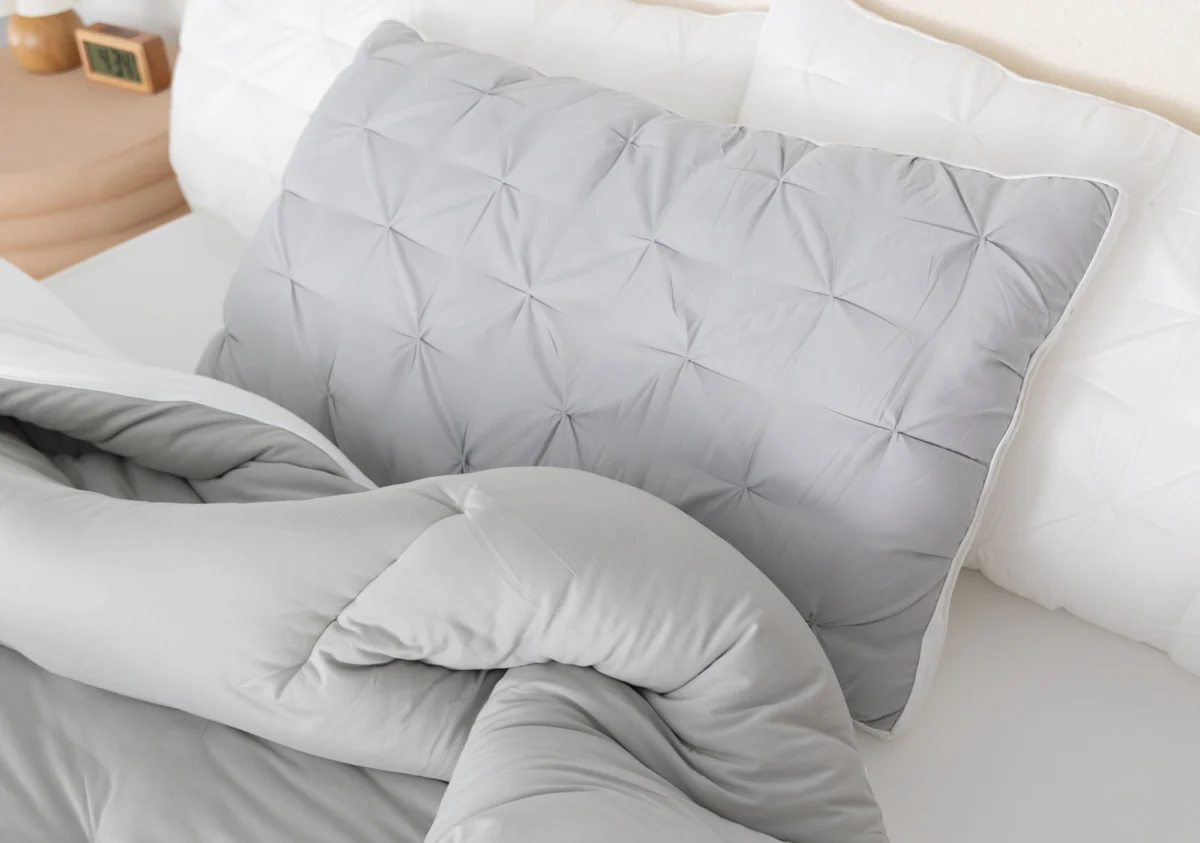
The collaboration brings a five-product collection to the shelves, ranging from the signature $39.99 "CloudAlign" pillow to the $129.99 "Marshmallow Comforter." Beyond the product itself, Target is allowing Mellow Sleep to implement high-visibility, custom end caps featuring distinctive lavender color-blocking and cloud-themed branding. This design choice is a direct response to the "sea of neutrals" often found in home aisles, aiming to disrupt the shopper’s journey with a vibrant, brand-first aesthetic.
Simultaneously, Target is overhauling its private-label offerings, recently announcing a 15% price reduction across its core bedding assortment to bolster value perception in a competitive inflationary environment.
Chronology of a Turnaround
Target’s current home-category woes did not happen overnight. According to data from Home Textile Today, the retailer has faced a consistent downward trajectory in home goods for three straight fiscal years. In fiscal year 2025 alone, the category experienced a 6.5% decline, equating to a $1.09 billion loss in sales.
To reverse this, Target has initiated a multi-pronged timeline of intervention:
- Spring 2025: Target’s merchandising team identifies Mellow Sleep as a high-potential partner. Discussions begin less than a year after the brand’s launch on TikTok Shop.
- Summer 2025: Target ramps up its "remerchandising authority" strategy, focusing on nostalgia and creator-led partnerships.
- Fall 2025: The "Simply Shabby Chic" line is reintroduced, modernizing the 1990s vintage floral aesthetic for a new generation of shoppers.
- October 2025: The Mellow Sleep physical retail launch officially commences, serving as the flagship test for the brand’s ability to convert social media virality into sustained, in-aisle revenue.
Supporting Data: The Power of Social Commerce
The urgency of Target’s move is underscored by the explosive success of Mellow Sleep. The company generated $130 million in revenue in its inaugural year and is currently tracking toward a $300 million finish for its second year.
Retail analysts point out that Target’s reliance on traditional merchandising is failing to capture the "TikTok-first" shopper. As Mellow Sleep co-founder Chad Keller noted, there is a distinct difference between the consumer who browses social media for inspiration and the one who shops solely via traditional retail channels. By bringing a brand with a proven digital track record into physical stores, Target is essentially outsourcing its trend-discovery process to the algorithms that consumers already trust.
The financial data supports this: while Target’s home category has struggled, the direct-to-consumer (DTC) sleep market has flourished. By betting on Mellow Sleep, Target is essentially betting that the "TikTok effect"—where a product’s perceived value is validated by thousands of social media users—will translate into higher conversion rates at the shelf.
Official Responses and Strategic Vision
The collaboration represents a symbiotic relationship. For Mellow Sleep, the move into 550 Target locations is a validation of its brand maturity. For Target, it is a necessary injection of youth and innovation.
"There are so many consumers in the U.S. now that are addicted to TikTok and TikTok Shop," says Chad Keller. "So why wouldn’t Target capitalize on the brands that have big presences over there?"
Jay Yue, co-founder of Mellow Sleep, added that the partnership was born from organic interest within Target’s own ranks. "The Target buyer who reached out was already a fan of our products," Yue shared. "She feels strongly about betting big on Mellow being among the big home brands in the next couple of years."
This level of internal commitment suggests that Target is willing to give its partners more autonomy in how they are presented, such as allowing custom displays that break the standard corporate "planogram" mold.
Implications: The New Shopping Journey
The broader implications of Target’s strategy touch upon how the modern retail landscape is changing. Barry Thomas, a senior retail thought leader at Kantar, emphasizes that the "storefront" is no longer the first point of contact for the consumer.
The Rise of "Inspiration-First" Shopping
"Today, it’s not uncommon for consumers to turn to social media or their favorite AI assistant to search for a specific look or vibe, rather than a specific retail category or piece of homeware," Thomas explains.
This creates a significant hurdle for traditional retailers. To remain relevant, companies like Target must be present where the "inspiration" happens. If a customer is searching for "cozy bedroom aesthetic" on an AI-powered search tool or scrolling through TikTok, the brand must appear in those results long before the customer arrives at a Target parking lot.
The Nostalgia Factor: The Shabby Chic Gamble
Target’s decision to bring back "Simply Shabby Chic" is a calculated risk based on emotional resonance. However, analysts warn that nostalgia only serves as a gateway. "Many Target shoppers will already have an emotional connection to the name," says Thomas, "but having a beloved brand name will only get a brand so far."
The challenge for Target will be proving that these legacy names can evolve. If the products themselves don’t offer the quality or utility that today’s consumers demand, the brand recognition will quickly fade. Target must balance the "vintage" appeal of the past with the modern manufacturing quality required to compete with contemporary DTC startups.
The "End Cap" Battleground
Target’s willingness to grant Mellow Sleep custom end caps—a prime piece of retail real estate—signals a move toward more "experiential" aisles. The goal is to make the home section feel less like a utility warehouse and more like a curated showroom. By creating a visual contrast to the "neutral" products that have dominated the space, Target is attempting to trigger an impulse-buy response among shoppers who might otherwise overlook the home category entirely.
Conclusion: Can Target Reclaim Its Crown?
Target is currently at a crossroads. Its attempt to marry the hyper-fast, viral nature of social media commerce with the slow-moving, tactile nature of physical home retail is an experiment that could redefine the big-box model.
The success of this strategy hinges on two factors: the sustained relevance of brands like Mellow Sleep and the ability of nostalgic brands like Simply Shabby Chic to adapt to modern consumer expectations. If Target can successfully integrate these disparate approaches, it may finally halt the billion-dollar slide that has plagued the category for three years.
As the retailer moves toward the end of 2025, the industry will be watching closely. For Target, the stakes are not just about regaining lost revenue—they are about proving that a legacy retail giant can still innovate, stay relevant, and capture the elusive attention of a generation that prefers to "scroll and shop" rather than wander the aisles.