For growing e-commerce enterprises, the transition from a single storefront to a multi-brand, multi-regional, or wholesale ecosystem is a significant milestone. As businesses expand, the technical architecture supporting that growth must evolve from simple, standalone sites into cohesive, manageable networks.
WordPress Multisite (WPMU) stands as a robust solution for merchants looking to centralize administration without sacrificing the autonomy of individual storefronts. By allowing a single WordPress installation to power multiple distinct websites, WooCommerce merchants can achieve unprecedented operational efficiency. However, implementing such a system requires a meticulous balance between shared resources and site-specific independence.
The Core Fundamentals of WordPress Multisite
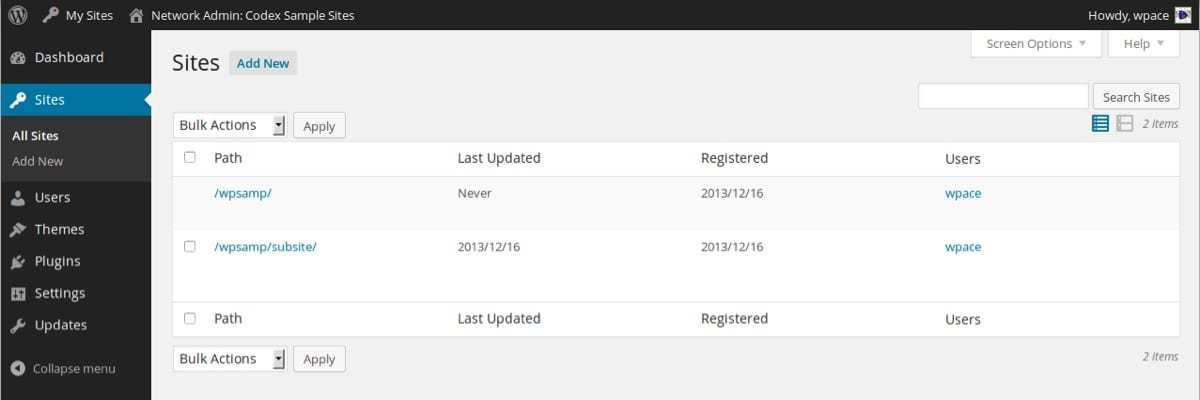
At its architectural heart, WordPress Multisite allows a network administrator—often referred to as a "Super Admin"—to maintain a unified dashboard that oversees every storefront in the network. This includes the centralized management of the core WordPress installation, themes, and plugins.
While the administrative backend is unified, the front-facing storefronts remain entirely independent. Each site within the network maintains its own distinct product catalog, pricing structure, localized currency, tax settings, and shipping protocols. This "shared-but-separate" philosophy is the cornerstone of the Multisite approach, providing a scalable framework for businesses that are launching second brands, entering international markets, or creating specialized B2B wholesale portals.
The Strategic Decision: What to Share vs. What to Separate
Before initiating a technical deployment, stakeholders must conduct an exhaustive audit of their operational needs. The success of a Multisite network hinges on identifying the "connective tissue" of the business.
For instance, an organization expanding into a new geographic region will likely want to localize language, currency, and payment methods—making these items site-specific. Conversely, that same organization would benefit from sharing maintenance workflows, security protocols, and general design elements across the network to ensure a consistent brand identity and reduce redundant development hours.
Architectural Chronology: From Concept to Deployment
Successfully implementing a multi-store network is not a "set-and-forget" process. It follows a logical progression that begins with strategic planning and ends with high-level technical optimization.
Phase 1: The Strategic Audit
Before a single line of code is configured, leadership must define the operational requirements. This involves mapping out which data sets—customer accounts, loyalty programs, reporting, or inventory—are better served by a centralized network versus isolated, independent installations.
Phase 2: Domain Architecture
One of the most critical, often irreversible, decisions is the domain structure. Merchants must choose between subdirectories (e.g., brand.com/uk), subdomains (e.g., uk.brand.com), or fully mapped domain names.
This decision has significant SEO implications. Search engines interpret these structures differently, and if multiple stores share similar content, canonical URLs become essential to prevent "duplicate content" penalties. Establishing this structure early is vital; migrating from a subdomain to a subdirectory post-launch is a complex, often disruptive, technical undertaking.
Phase 3: Database and Infrastructure Configuration
While all sites in a network reside within the same database, WordPress intelligently partitions the data into separate site tables. This allows for the coexistence of multiple stores while maintaining data integrity. However, it is important to note that native Multisite functionality does not automatically synchronize inventory across storefronts. If a merchant operates multiple stores selling the same SKU, they must integrate third-party synchronization tools to ensure stock levels remain accurate across the entire network.
Supporting Data: When Multisite Becomes the Right Choice
To determine if the Multisite architecture is the correct fit, merchants should evaluate their business through a series of diagnostic questions regarding operational commonality.
Operational Synergy
When a single team manages multiple brands, Multisite is a force multiplier. It streamlines security patches, theme updates, and plugin management. If the stores are managed by disparate teams with entirely different workflows, the "shared infrastructure" of Multisite might actually introduce unnecessary friction.
Technical Requirements
A uniform tech stack is the hallmark of a successful Multisite deployment. If one store in the network requires a unique set of high-resource extensions or custom integrations that differ significantly from the others, that store is likely a candidate for an independent WordPress installation.
Resource Allocation and Risk Management
Because the network shares a single infrastructure, a performance bottleneck or a security vulnerability in one area can potentially impact the entire network. This necessitates a proactive approach to server resource management. High-traffic spikes in one store must be planned for in the context of the entire network’s resource limits.
Official Perspectives: Expert Guidance from the Core
James Kemp, Core Product Manager for WooCommerce, emphasizes that the goal of any multi-store strategy is to minimize duplicate work while maximizing control.
"The fundamental question is one of balance," Kemp notes. "You want to share the parts of your business that reduce operational drag—such as maintenance and security—while maintaining the flexibility to customize pricing, merchandising, and the customer experience for each individual market segment."
Kemp and the WooCommerce team advise that if a business finds itself constantly needing to "work around" the limitations of a shared network, it is a clear indicator that separate installations are the superior path. The key is to leverage the right tools—such as Store and Products Sync for inventory management—to bridge the gaps between independent stores when they are running on separate infrastructure.
Implications for the E-commerce Ecosystem
The implications of choosing a Multisite network versus separate installations are profound, affecting everything from SEO performance to long-term scalability.
The SEO Factor
In a Multisite setup, maintaining brand authority while managing regional variations requires a nuanced approach to canonicalization. Without a strict adherence to Google’s guidelines on canonical URLs, businesses risk diluting their search rankings across multiple regional storefronts.
Performance and Security
The "Shared Infrastructure" model is a double-edged sword. On one hand, it allows for a unified security posture—a single vulnerability scan covers the entire network. On the other hand, it requires a hosting provider that is specifically optimized for high-concurrency Multisite environments. Standard shared hosting is rarely sufficient for a robust, multi-store WooCommerce network; managed WordPress hosting with specialized support for high-scale environments is recommended.
Data Management and Reporting
Reporting remains one of the most complex aspects of multi-store management. While plugins can aggregate data, standard WooCommerce analytics are often site-specific. Merchants looking to consolidate data from a dozen regional stores into a single global dashboard will need to rely on advanced API integrations or external business intelligence tools to bridge the gap between their disparate sites.
Conclusion: The Path Forward
The decision to scale via a Multisite network is a significant strategic pivot. By consolidating the administrative burden, merchants can dedicate more resources to brand growth, customer acquisition, and product innovation.
However, this path is not universally applicable. It requires a high level of discipline, a consistent technical stack, and a clear understanding of the trade-offs between centralized efficiency and site-specific flexibility. Whether you opt for a unified Multisite network or a series of interconnected, independent storefronts, the success of your e-commerce ecosystem will ultimately depend on your ability to clearly define what is shared and what is sacred.
For those ready to move forward, the first step is a thorough audit of current technical needs. By documenting your requirements for inventory, pricing, and customer data, you can build a roadmap that ensures your infrastructure is not just supporting your current growth, but actively fueling your future expansion. As the digital landscape continues to evolve, the businesses that succeed will be those that have mastered the architecture of scale—turning complexity into a competitive advantage.