In an era where a cheaper alternative is merely one click away, the traditional concept of "customer loyalty" is undergoing a radical transformation. For businesses operating in 2026, the barrier to entry for competitors has never been lower, making the cultivation of genuine brand loyalty not just a marketing goal, but a fundamental requirement for survival. As consumers become increasingly discerning, the brands that thrive are those that pivot from purely transactional relationships to deep, identity-driven connections.
The Evolution of Brand Loyalty: Defining the Connection
At its core, brand loyalty is the profound connection between a brand and a customer that compels repeat purchases, even when rival products are more accessible or aggressively priced. It is the difference between a consumer who buys out of habit and a customer who buys out of conviction.

While "customer loyalty" is often transactional—powered by loyalty points, discounts, or mere convenience—"brand loyalty" is rooted in emotional identity. A habitual buyer might choose your product because it is on the shelf; a loyal customer chooses it because the brand resonates with who they are and what they value. This emotional architecture is built through consistent brand awareness, reliable performance, and a series of satisfying post-purchase experiences.
The Brand Loyalty Pyramid
David Aaker, widely regarded as the father of modern branding, conceptualized the "Brand Loyalty Pyramid" to illustrate the trajectory of a consumer’s journey. This five-stage framework tracks the progression from a "switcher" (who has no loyalty) to a "committed buyer."

- The Switcher: No loyalty; price-sensitive and indifferent.
- The Habitual Buyer: Buys out of convenience; little emotional attachment.
- The Satisfied Buyer: Experiences a "switching cost" due to familiarity.
- The Likers: Develop an emotional attachment to the brand.
- The Committed Buyer: The brand advocate who views the brand as an extension of their personal identity.
Chronology of a Relationship: From Familiarity to Advocacy
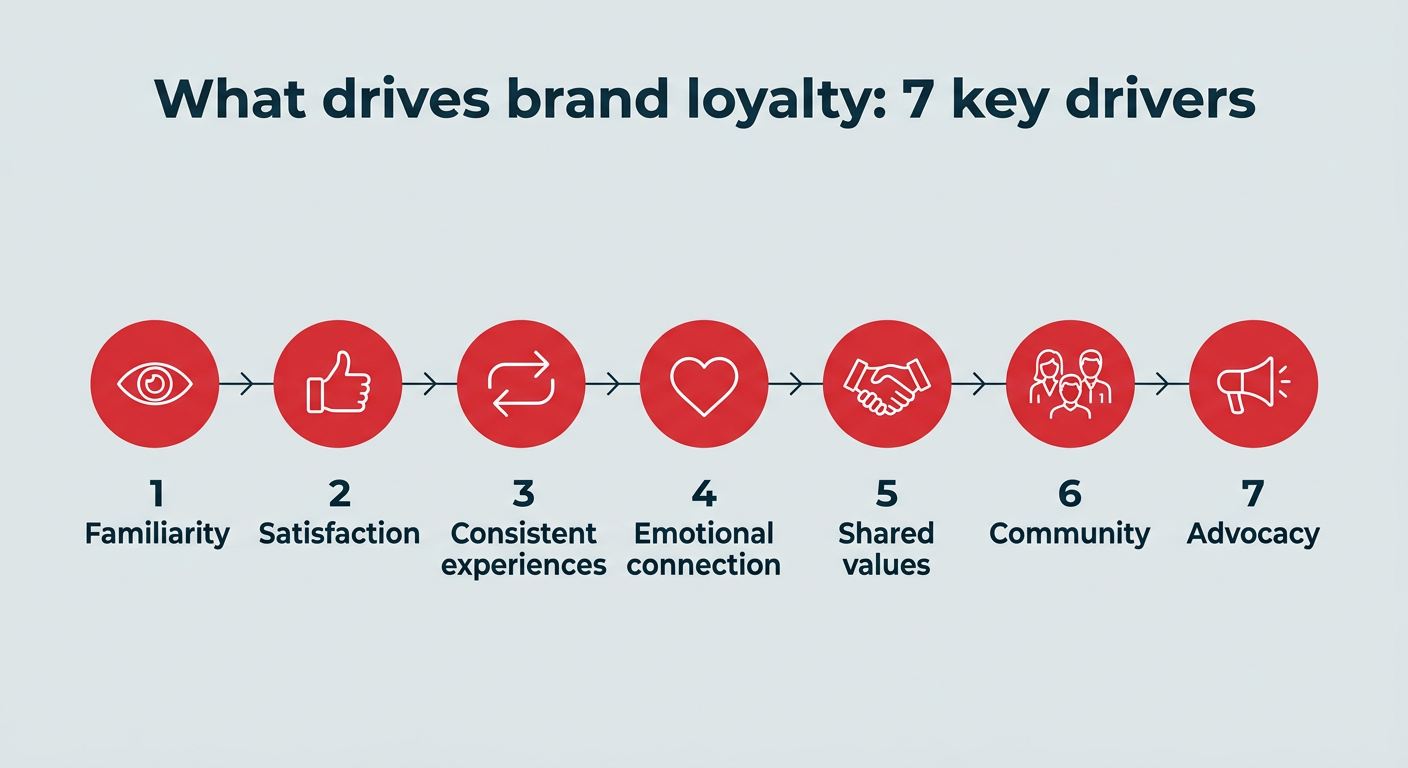
Building loyalty is not a singular event; it is a cumulative process. Researchers like Latif et al. have mapped this evolution, demonstrating that loyalty follows a logical progression: Familiarity → Satisfaction → Trust → Advocacy.
In the early stages, brand awareness is the primary currency. However, as the customer progresses, the focus shifts to reliability. A brand that consistently delivers on its promises builds the trust necessary to move a customer from a one-time purchaser to a brand evangelist. In the current digital landscape, this journey is accelerated by social interaction. When a brand actively engages with its community, it creates a feedback loop where the customer feels seen, heard, and valued—the ultimate precursor to long-term advocacy.

The Economic Implications: Efficiency and Lifetime Value
Why should companies invest so heavily in loyalty? The answer lies in the economics of retention versus acquisition.
Reducing Acquisition Costs
Acquiring a new customer is significantly more expensive than retaining an existing one. High loyalty allows brands to move away from costly, top-of-funnel CPM-based advertising and toward personalized, high-ROI strategies. By leveraging existing customer data, brands can target specific lifecycle stages—such as cross-selling or refill reminders—rather than casting a wide net for new prospects.

Increasing Customer Lifetime Value (CLV)
Brand loyalty directly boosts the Lifetime Value (CLV) of a consumer. Loyal customers are not only less price-sensitive, but they are also more likely to purchase across a brand’s entire ecosystem. Furthermore, during periods of economic uncertainty, loyal customers act as a revenue cushion, providing a level of predictability that new-customer revenue cannot match.
The Power of Advocacy
Perhaps the most significant benefit is the shift from retention to growth. Loyal customers become brand advocates, driving word-of-mouth marketing—the most effective and cost-efficient acquisition channel available. In 2026, social media acts as the digital town square; when satisfied customers share their experiences, they lower the barrier of entry for new prospects, effectively doing the marketing work on behalf of the brand.
Seven Strategic Pillars for 2026
To navigate the competitive landscape of 2026, brands must adopt a multi-faceted approach to building loyalty.
1. Deep-Dive Consumer Intelligence
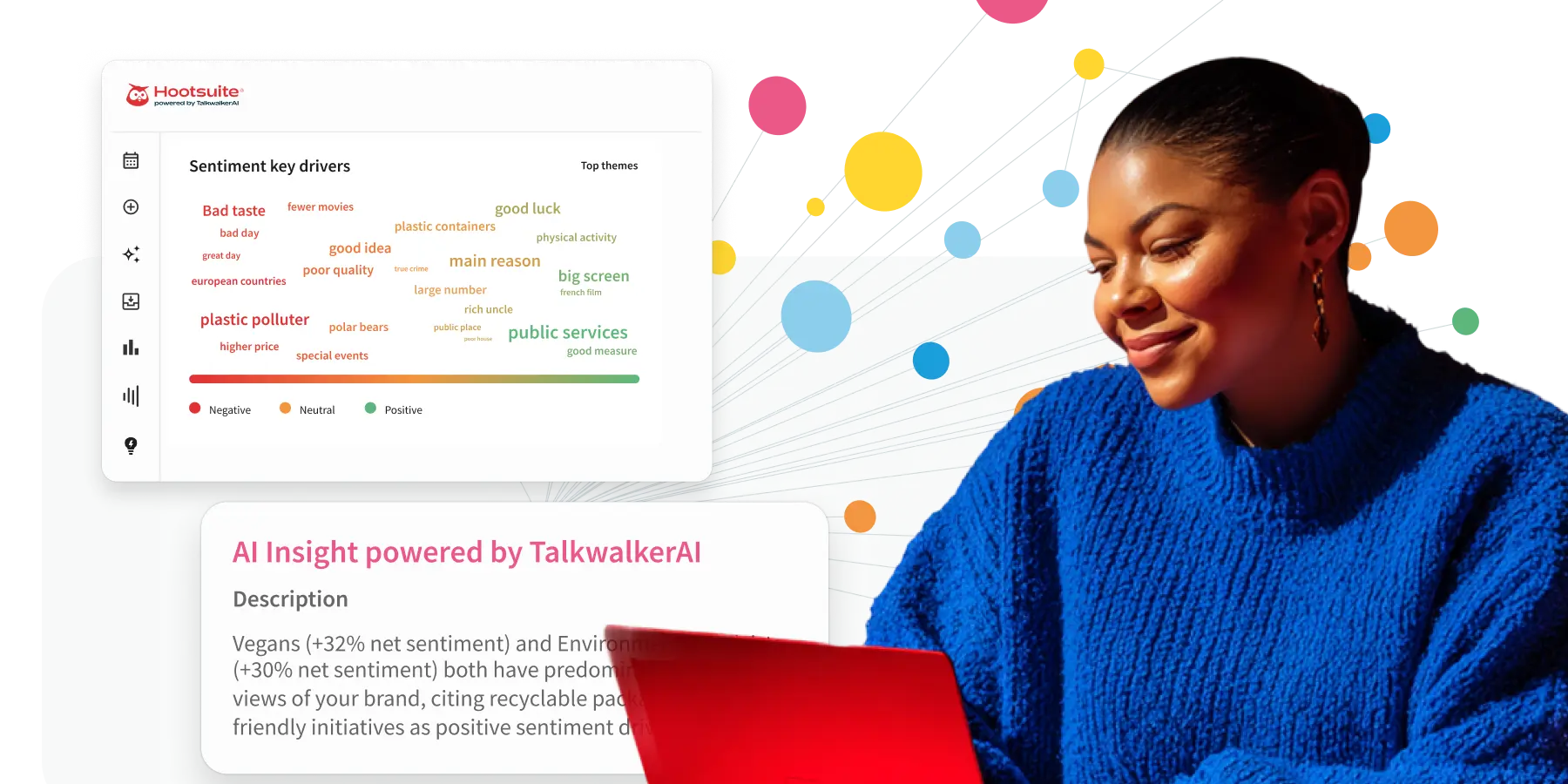
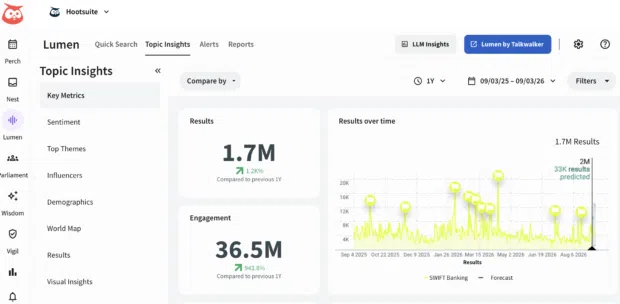
Brands must utilize social analytics tools to look beyond basic demographics. By integrating social listening, companies can uncover unprompted conversations, surfacing consumer frustrations and hidden desires that traditional performance data often misses.
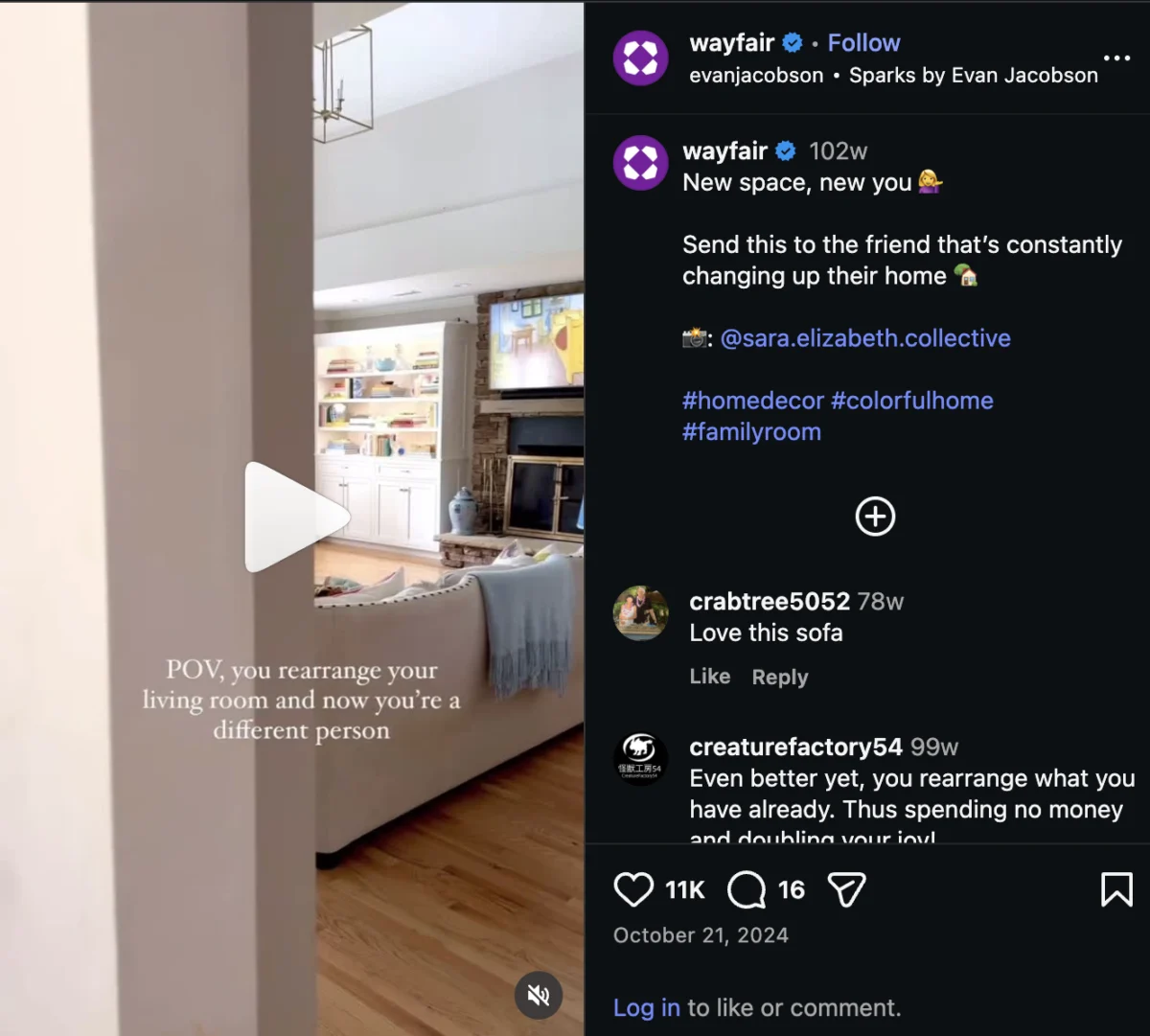
2. The Role of User-Generated Content (UGC)
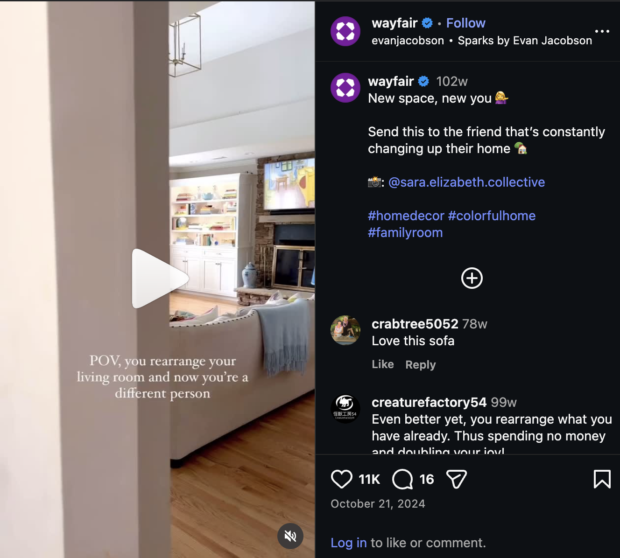
UGC is the ultimate validator. By elevating the content created by real fans, brands bridge the gap between corporate messaging and authentic human experience. Sharing UGC signals to the community that the brand is listening and that it values the participation of its users.
3. Hyper-Personalization at Every Touchpoint
Gartner reports that personalized experiences make customers 1.8x more likely to pay a premium. Using AI-powered tools, brands can now segment their messaging at scale, ensuring that every piece of content—from email newsletters to social ads—feels tailored to the individual’s specific journey.
4. Rewarding the Advocates
Once a customer reaches the top of the pyramid, the marketing strategy must shift from "convincing" to "rewarding." Beyond standard points programs, brands should leverage social listening to identify their most influential fans and offer them exclusive opportunities, such as ambassador programs or affiliate partnerships.
5. Human-Centric Customer Care
When a problem arises, the way it is handled determines the future of the relationship. Social media is the new customer support desk. By empowering social teams with clear guidelines and ensuring they have access to CRM data (e.g., Salesforce integration), brands can resolve issues with a human touch that transforms potential detractors into loyalists.

6. Authenticity as a Non-Negotiable
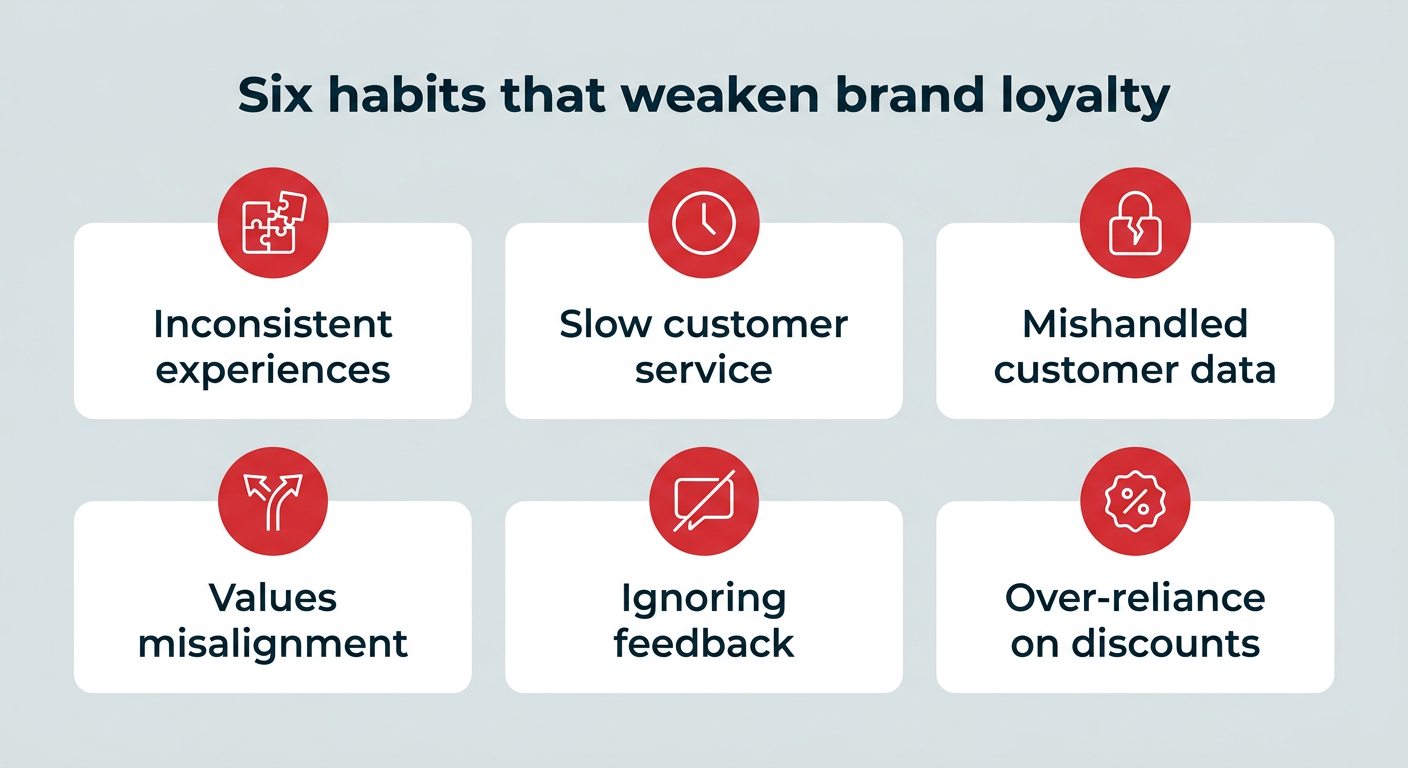
Modern consumers are highly sensitive to "brand washing." Posting inauthentic, clickbait, or repetitive content is a quick way to erode trust. Furthermore, mishandling data or failing to align internal values with public stances will inevitably lead to a decline in brand sentiment.
7. AI-Powered Anticipation
The winning brands in 2026 are those using AI to spot shifts in sentiment before they become public relations issues. By analyzing patterns across millions of data points, AI allows teams to proactively address emerging trends rather than reacting after the fact.
Measuring Success: The Metrics That Matter
There is no single "loyalty metric." Instead, brands should monitor a composite of indicators:
- Net Promoter Score (NPS): Measures the likelihood of recommendations.
- Customer Lifetime Value (CLV): Tracks total revenue over the customer’s lifespan.
- Social Share of Voice: Compares your brand’s presence against competitors in the broader industry conversation.
- Engagement Rate: Measures the depth of interaction within your social community.
- Sentiment Analysis: Uses AI to quantify the emotional tone of brand mentions.
Real-World Case Studies: Lessons from the Field
Warby Parker: Service as a Strategy
Warby Parker has long been lauded for its customer-centric model. By turning a potential service failure into an opportunity to demonstrate empathy, they have effectively utilized social media to highlight their commitment to the customer, proving that excellent service is the best form of marketing.
Starbucks: Listening to the Community
The decision to make seasonal items permanent based on social media requests demonstrates the power of active listening. When Starbucks turned a popular seasonal croissant into a permanent menu item, they didn’t just increase sales; they validated their community’s influence, fostering deeper loyalty.
GoPro: Community-Led Content
GoPro’s rewards challenges turn every user into a potential content creator. By featuring fan-made imagery on their official channels, they turn their customers into the heroes of the brand story, creating an aspirational loop that keeps the community engaged and active.

Final Implications: The Future of Brand Allegiance
The landscape of brand loyalty in 2026 is defined by a clear divide: those who view the customer as a transaction and those who view them as a partner. As generational shifts continue to prioritize transparency and shared values, brands must remain agile. The era of "set it and forget it" marketing is over. To survive, companies must commit to an ongoing, data-backed, and deeply human conversation with their audience. Loyalty is no longer a destination; it is a continuous, hard-won achievement.