Published: October 13, 2026
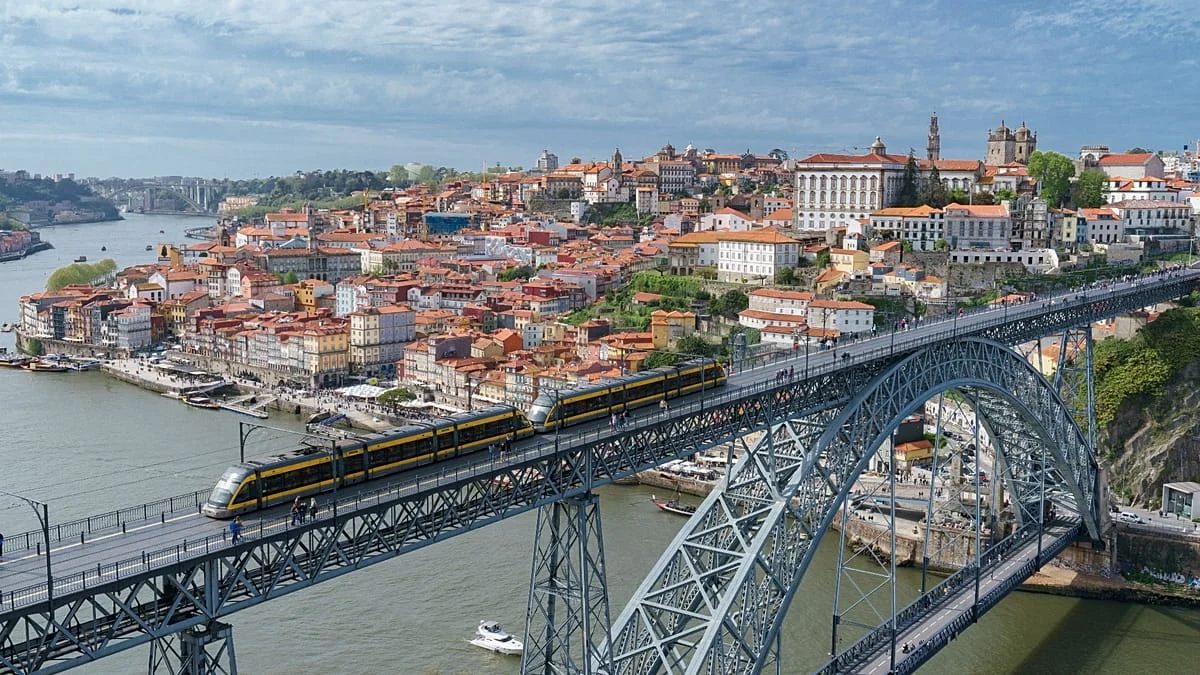
Portugal has long been celebrated for its sun-drenched coastlines, historic architecture, and a culinary scene that balances rustic tradition with modern flair. However, beyond the aesthetic allure, there exists an intangible quality that defines the nation: its people. This week, that reputation for warmth was solidified on the global stage as the readers of Condé Nast Traveller officially named Porto the "Most Welcoming City in Europe" in the 2026 Readers’ Choice Awards. In a remarkable display of national hospitality, Portugal dominated the top tier of the list, with Lisbon securing the second-place spot.
For travelers and tourism experts alike, this dual recognition is not merely a badge of honor; it is a validation of Portugal’s consistent commitment to human connection in an increasingly digital and often impersonal travel landscape.
The Main Facts: A Triumph for Portuguese Hospitality
The Condé Nast Traveller Readers’ Choice Awards serve as one of the most prestigious barometers of travel sentiment in the industry. Thousands of discerning travelers participated in the 2026 survey, asked to evaluate cities based on a specific metric: where they felt the most genuinely welcomed.
The criteria for the ranking went beyond the quality of hotels or the convenience of transit. Instead, the survey focused on "warmth of hospitality." Readers were prompted to identify urban centers where local residents went out of their way to assist visitors—whether navigating the intricacies of a local menu, providing directions to a hidden gem, or offering a friendly smile during the mundane moments of travel.
Porto, affectionately known as A Invicta (The Undefeated City), clinched the top spot, lauded for its unique blend of authenticity and an approachable, relaxed atmosphere. Lisbon, the capital, followed closely in second, praised for its inclusive, youthful energy and the infectious vitality of its seven-hilled landscape. Completing the top five were Amsterdam, Stockholm, and Valletta—cities that, while geographically and culturally distinct, share a commitment to a positive visitor experience.
A Chronological Perspective: The Rise of the Portuguese City Break
To understand how Porto and Lisbon reached this pinnacle, one must look at the evolution of the Portuguese tourism sector over the last decade.
- 2015–2018: The Discovery Phase. Portugal began to emerge as a primary European destination. While the Algarve had long been a staple for sun-seekers, the urban centers of Porto and Lisbon began to capture the attention of the "city break" demographic.
- 2019–2021: The Resilience Era. During the global health crisis, Portugal’s tourism industry pivoted toward internal sustainability. The focus shifted from mass tourism to "slow travel," emphasizing the value of the local experience and building stronger ties between businesses and residents.
- 2022–2025: The Cultural Renaissance. Major investments in cultural infrastructure and culinary training bolstered the reputation of these cities. Porto renovated its historic waterfront and creative districts, while Lisbon focused on urban regeneration, making the city more accessible without losing its winding, medieval charm.
- October 2026: The Recognition. The Condé Nast Traveller award marks a culmination of these efforts, positioning Portugal not just as a destination of transit, but as a destination of genuine human connection.
Supporting Data: Why Travelers Choose Portugal
The data behind the 2026 rankings reveals a shift in traveler priorities. In a post-pandemic world, luxury is no longer defined by thread counts or infinity pools, but by "belonging."
The "Porto Factor"
According to the survey, 84% of respondents who visited Porto reported at least one interaction with a local resident that exceeded their expectations. Whether it was being invited to share petiscos (small plates) at a neighborhood tavern or receiving personalized recommendations for the best azulejo (tile) viewpoints, the city’s ability to foster a sense of "home away from home" was the primary driver of the win.
The "Lisbon Vitality"
Lisbon’s high ranking is attributed to its inclusivity. The city’s demographic is becoming increasingly young and international, creating a cultural melting pot that feels welcoming to all. The survey highlighted the "Fado culture"—not just as a performance for tourists, but as an expression of the saudade and community that define the city’s social fabric.
Comparative Metrics
When compared to other European hubs, Portuguese cities scored significantly higher in the "Ease of Integration" category. While cities like Amsterdam were praised for their efficiency and infrastructure, Porto and Lisbon led by a wide margin in the "Emotional Connectivity" metric—a testament to the Portuguese je ne sais quoi.
Official Responses and Industry Sentiment
The announcement has sent a wave of pride through Portugal’s tourism boards and local government officials.
In a statement following the announcement, the Mayor of Porto noted: "To be named the most welcoming city in Europe is a reflection of the DNA of our people. Porto is a city that opens its arms. We are proud that our authenticity—the way we live, eat, and interact—has resonated so deeply with those who visit us."
Industry analysts suggest that this recognition will have a tangible impact on the economy. "When travelers feel welcome, they stay longer, spend more in local businesses rather than chain establishments, and become repeat visitors," says Dr. Helena Costa, a consultant in urban tourism. "This award isn’t just a plaque; it’s a competitive advantage that will drive sustainable growth for the next several years."
Implications: The Future of Urban Travel
The success of Porto and Lisbon serves as a blueprint for other European cities. The "welcoming" metric is becoming the new gold standard for city branding.
1. The Shift to "Human-Centric" Tourism
Cities that rely solely on monuments and museums are finding it harder to compete with those that offer authentic social experiences. The 2026 awards suggest that the future of travel is hyper-local. Travelers are seeking out neighborhood cafes where they can observe daily life, rather than just waiting in line for ticketed attractions.
2. Infrastructure and Social Harmony
The challenge for both Porto and Lisbon will be managing this increased popularity while maintaining the very "authenticity" that made them attractive in the first place. The implications for urban planning are significant: city councils are now being pushed to prioritize pedestrian-friendly spaces, public squares, and green areas that facilitate social interaction between locals and visitors.
3. Sustainability through Hospitality
True hospitality also implies respect for the resident population. By fostering an environment where locals feel empowered to share their culture, these cities are creating a more sustainable tourism model. When visitors feel like guests rather than commodities, the friction between local communities and the tourism sector decreases, leading to a more harmonious urban environment.
Conclusion: An Invitation to Return
As Condé Nast Traveller concludes, the magic of Portugal lies in its refusal to be hurried. In Porto, you are encouraged to lose yourself in the labyrinthine streets, stop for a glass of Port wine, and strike up a conversation with a shopkeeper who treats you like an old friend. In Lisbon, you are invited to listen to the haunting notes of a Fado singer and join the late-night revelry of the Santo António festivities.
This award is more than just a ranking; it is a testament to a culture that values hospitality as a virtue. For the traveler, it is an invitation. Portugal is not just a place to see; it is a place to be. As the world continues to navigate the complexities of the 21st century, the simple, profound act of a warm welcome remains the most powerful tool in the tourism industry—a tool that Porto and Lisbon have mastered with effortless grace.
Whether you are seeking the tiled beauty of the North or the sun-soaked hills of the capital, one thing is certain: in Portugal, you will never be a stranger for long.