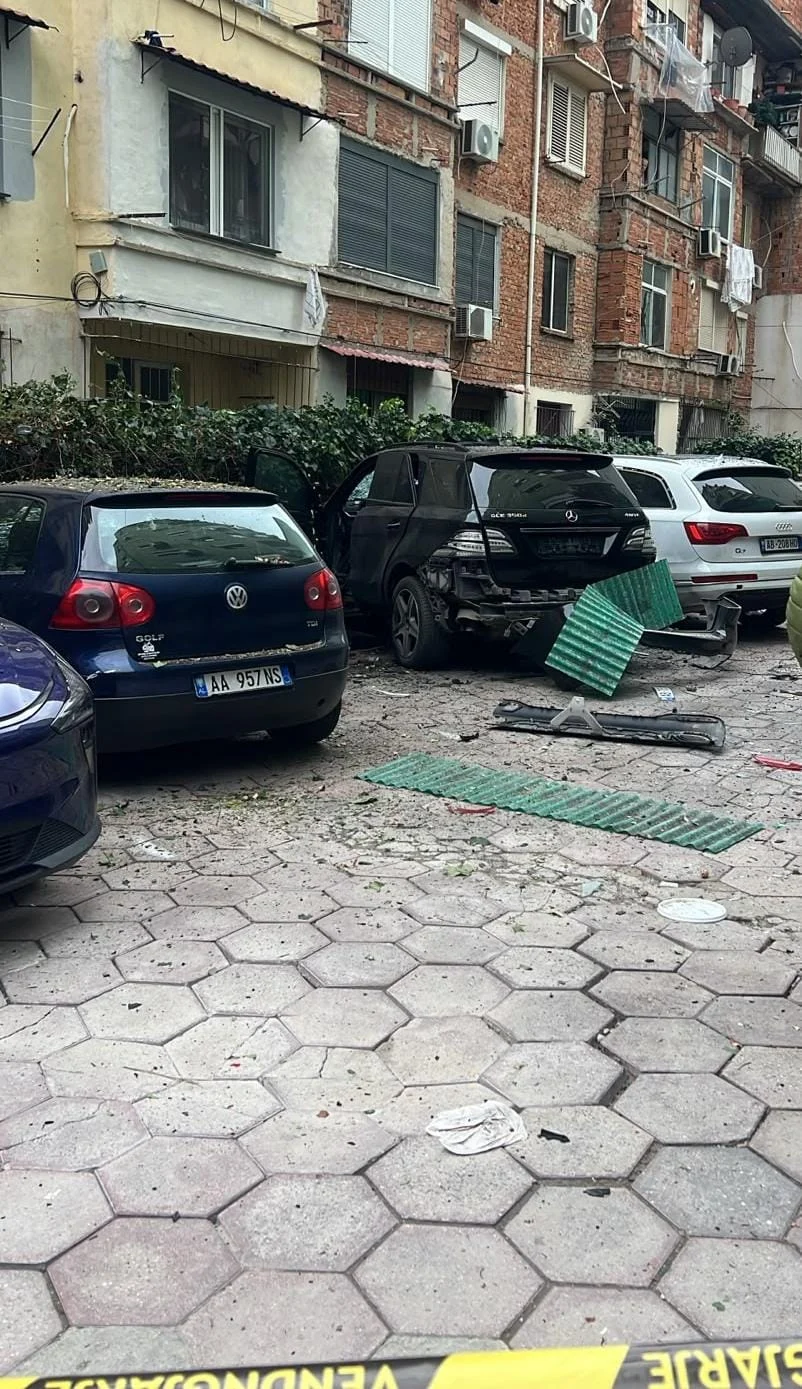
Tirana, Albania – October 13, 2026 – A powerful explosion rocked the heart of Albania’s capital early on Tuesday morning, sending shockwaves through the city and immediately raising alarms about public safety and the rule of law. The target of this brazen attack was a luxury vehicle, a Mercedes-Benz GLE, belonging to the wife of prominent Albanian lawyer Idajet Beqiri. Authorities swiftly confirmed the incident, pointing to the suspected placement of a significant quantity of explosives, commonly known as tritol, as the cause. The audacious nature of the blast, occurring in a residential and commercially active district, has ignited widespread concern and prompted a high-stakes investigation into what is widely perceived as a deliberate act of intimidation or worse, aimed at a figure deeply embedded in the nation’s legal landscape.
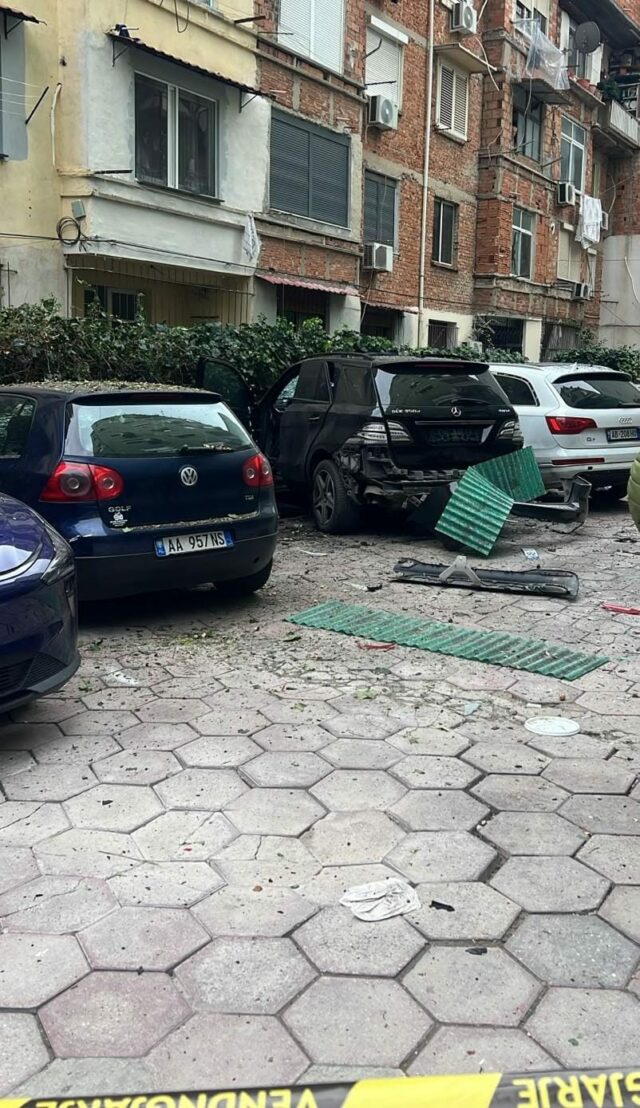
The explosion, which occurred around 9:15 AM near the bustling Myslym Shyri street, specifically on Nikolla Lena street, in front of an apartment building, caused extensive damage to the vehicle and created a scene of chaos and alarm. While no injuries were immediately reported, a fortunate outcome given the powerful nature of the device, the incident underscores a chilling escalation in the methods employed by criminal elements seeking to silence or threaten those involved in the justice system. The fact that lawyer Beqiri himself was not in Albania at the time of the attack adds another layer to the narrative, suggesting a calculated move to send a definitive message without directly causing physical harm, though the potential for collateral damage in a populated area was undeniable.
The police have cordoned off the area, initiating a meticulous forensic investigation to gather evidence that could lead to the identification and apprehension of the perpetrators. This incident has reignited public debate about security measures in Tirana and the broader implications for the independence and safety of legal professionals who often find themselves at the forefront of sensitive and high-stakes cases.
Early Morning Blast Rocks Central District
The tranquility of a Tuesday morning in Tirana was shattered by a deafening roar that echoed across several neighborhoods. Residents recounted hearing a single, powerful explosion that sent tremors through nearby buildings. Smoke was seen billowing from a parking area situated on Nikolla Lena street, a relatively quiet residential artery just off the more prominent Myslym Shyri boulevard, known for its shops and cafes. The immediate aftermath was marked by a flurry of activity as emergency services, including police and fire brigades, converged on the scene.
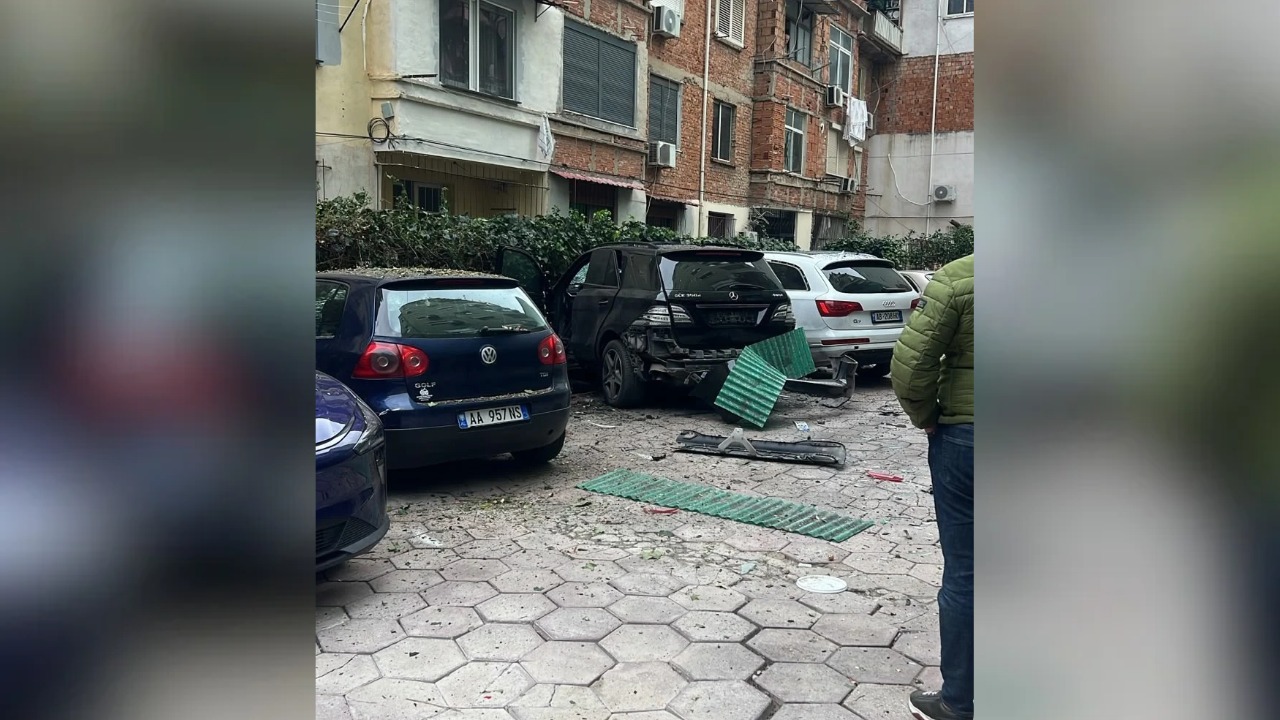
The target vehicle, a dark-colored Mercedes-Benz GLE, was found severely damaged, with its front section bearing the brunt of the blast. Debris was scattered across the parking lot and onto the street, indicative of a potent explosive charge. While initial reports focused on the dramatic visual impact of the blast, the underlying concern quickly shifted to the identity of the vehicle’s owner and the potential motives behind such a targeted attack. The absence of casualties, despite the ferocity of the explosion, was a small mercy in an otherwise alarming event.
High-Profile Target: The Wife of Idajet Beqiri
As details began to emerge, it became clear that this was no random act of vandalism or an accidental explosion. ABC News, the first to break key details, identified the vehicle as belonging to the wife of Idajet Beqiri, a prominent and often outspoken lawyer in Albania. This revelation immediately elevated the incident from a local crime story to a matter of national significance, given Beqiri’s public profile and his involvement in numerous high-stakes legal battles.
The police communiqué, issued shortly after the initial response, corroborated this information, stating: "Around 09:15, on ‘Nikolla Lena’ street, in front of a building, a suspected explosive device, placed in a parked vehicle owned by citizen N.B., exploded." While the communiqué did not explicitly name Idajet Beqiri’s wife, the initials N.B. align with the information provided by news outlets, leaving little doubt about the intended target’s connection to the well-known attorney. The deliberate targeting of a family member’s vehicle, especially when the principal figure is known to be out of the country, suggests a calculated attempt to exert pressure or deliver a warning without direct confrontation, yet with a terrifying display of capability.
Chronology of a Targeted Attack
The events leading up to and immediately following the explosion paint a picture of a meticulously planned assault, executed with precision and daring in a relatively public setting.
The Silent Setup
Investigators believe the explosive device was placed on the Mercedes-Benz GLE under the cover of darkness or in the very early hours of Tuesday morning. The parking area on Nikolla Lena street, while not heavily trafficked during the late night or pre-dawn hours, is part of a residential complex, suggesting the perpetrators either knew the area well or conducted prior surveillance. The choice of tritol, a powerful and stable explosive, indicates a degree of professionalism and planning. The placement would have required careful execution to ensure maximum impact on the vehicle without necessarily endangering passersby, although such a distinction is often difficult to guarantee with explosives. The objective, it seems, was not just to destroy the car but to send an unequivocal message to its owner and, by extension, to her prominent husband.
The Moment of Detonation
At approximately 09:15 AM, the explosive detonated. The timing, just as the city was fully awakening and people were beginning their daily routines, was significant. It maximized the psychological impact, ensuring the blast would be heard and its aftermath witnessed by numerous individuals. The sound, described by witnesses as a "powerful boom," would have instantly transformed a quiet morning into one of panic and confusion. The immediate damage to the Mercedes-Benz GLE would have been catastrophic, with parts of the vehicle disfigured and shrapnel projected outward. Miraculously, no individuals were in or immediately beside the vehicle at the exact moment of detonation, preventing what could have been a far graver tragedy.
Immediate Aftermath and Emergency Response
Within minutes of the explosion, the scene was chaotic. Residents, startled by the blast, rushed to their windows or out onto the street. Initial calls to emergency services would have flooded local police and fire departments. Uniformed police officers and fire crews were among the first to arrive, quickly establishing a security perimeter to protect the public from potential secondary explosions or other hazards. Forensic teams and bomb disposal units were rapidly dispatched, tasked with meticulously sifting through the wreckage for any fragments of the device, detonator components, or other clues that could lead back to the perpetrators. The area remained cordoned off for several hours, disrupting local traffic and daily life as investigators began their painstaking work, documenting the scene and interviewing potential witnesses.
Deconstructing the Attack: Supporting Data and Context
To fully understand the gravity of this incident, it is crucial to delve into the background of the targeted individual, the nature of the weapon used, and the broader context of such attacks in Albania.
Who is Idajet Beqiri? A Career Defined by Controversy
Idajet Beqiri is not merely a lawyer; he is a public personality, known for his outspoken views and his involvement in some of Albania’s most high-profile and often politically charged legal cases. Born in the northern region of Albania, Beqiri established himself in Tirana as a formidable advocate, particularly in cases involving human rights, property disputes, and occasionally, organized crime. He gained a reputation for taking on cases that other lawyers might shy away from, often representing clients in complex litigation against powerful interests, including government bodies and influential business figures.
His career has been marked by a steadfast commitment to his clients, but also by public debates and sometimes sharp criticism of the judicial system itself. Beqiri has been a vocal proponent of judicial reform and has frequently appeared on television and in print media, offering expert legal commentary and, at times, expressing strong opinions on matters of national importance. This public visibility, combined with the sensitive nature of his legal practice, makes him a plausible target for those seeking to intimidate or retaliate. While specific details of his ongoing cases are not publicly available at this moment, it is highly probable that the motive for this attack is rooted in his professional activities, perhaps a case he is currently handling or has recently concluded, which may have incurred the wrath of powerful adversaries. His absence from the country at the time of the explosion suggests a well-informed and calculated timing by the attackers.
The Weapon of Choice: Tritol and its Implications
The police’s initial assessment points to "tritol" as the explosive substance used. Tritol is the common term in Albania for TNT (Trinitrotoluene), a high explosive widely used in military and industrial applications. Its use in a civilian setting, particularly in a targeted attack, carries significant implications:
- Lethality and Destructive Power: TNT is a powerful explosive, capable of causing substantial damage and serious injury or death within its blast radius. Its deployment indicates a clear intent to inflict severe harm or destruction.
- Availability and Origin: While regulated, TNT can be sourced through illicit channels, often from military stockpiles or from individuals with expertise in explosives. Its presence in a car bomb suggests a degree of sophistication in procurement and handling.
- Professionalism: The successful placement and detonation of a tritol device on a vehicle in a public area implies a level of planning, technical knowledge, and operational capability typically associated with organized criminal groups or individuals with paramilitary experience. This is not a random act of an amateur.
- Message: The use of such a potent device sends an unambiguous message of extreme warning and intimidation. It signifies that the perpetrators possess the means and the ruthlessness to escalate their actions if their demands or warnings are not heeded.
A Familiar Pattern? Precedents and Security Concerns in Albania
Unfortunately, targeted attacks involving explosives, particularly against vehicles of public figures or those associated with justice and law enforcement, are not entirely unprecedented in Albania. While not a daily occurrence, the country has witnessed a troubling pattern of such incidents over the past two decades, often linked to organized crime, political rivalries, or vendettas.
These attacks often serve as a brutal means of settling scores, intimidating opponents, or sending warnings. The targets have ranged from journalists and businessmen to prosecutors and police officials. This history contributes to a climate of fear and vulnerability among certain segments of society, particularly those whose professions place them in direct conflict with powerful illicit networks. The current incident on Nikolla Lena street adds to this disturbing narrative, reinforcing concerns about the effectiveness of security measures and the ability of law enforcement to curb such brazen acts of violence. Each such event erodes public confidence and challenges the state’s monopoly on legitimate force.
The Scene: A Bustling Urban Center Under Threat
The choice of location for the attack is also significant. Myslym Shyri street and its surrounding avenues, including Nikolla Lena street, form a vibrant, densely populated part of Tirana. It is a mix of residential buildings, small businesses, and pedestrian traffic. An explosion here, especially during morning hours, carries a high risk of collateral damage and civilian casualties. The fact that the attack occurred in such a visible and active area amplifies the message of impunity and daring from the perpetrators. It demonstrates a disregard for public safety and a deliberate attempt to instill fear within the broader community, beyond the immediate target. The disruption caused to daily life, with streets cordoned off and businesses potentially affected, further underscores the wide-ranging impact of such an act.
Official Reactions and Public Outcry
The explosion in Tirana has elicited a strong response from various official bodies and has sparked a wave of public concern and condemnation.
Police Launch Extensive Investigation, Appeal for Witnesses
Immediately following the incident, the Tirana Police Directorate initiated a comprehensive investigation. A specialized investigative team, comprising experts from the Anti-Terror Unit, Organized Crime Directorate, and forensic specialists, was mobilized. Their primary objectives include:
- Evidence Collection: Meticulously collecting all physical evidence from the blast site, including fragments of the device, forensic traces, and CCTV footage from the surrounding area.
- Witness Interviews: Interviewing residents, business owners, and anyone who might have seen suspicious activity in the days or hours leading up to the explosion.
- Motive Identification: Working closely with the prosecutor’s office to establish a clear motive, which will likely involve reviewing Idajet Beqiri’s current and past cases, as well as any known threats or disputes.
- Perpetrator Identification: Utilizing all available intelligence and investigative techniques to identify and apprehend the individual(s) responsible for planting and detonating the device.
In their official statement, the police appealed to the public for cooperation, urging anyone with information, no matter how small, to come forward. "The investigative group continues its work to clarify the circumstances of the case, as well as to identify and apprehend the author/authors," the statement concluded, signaling their commitment to a thorough inquiry.

Government Condemns Act, Vows Swift Justice
Senior government officials, including representatives from the Ministry of Interior and the Ministry of Justice, swiftly condemned the attack. In a public statement, a spokesperson for the government denounced the act as a "heinous crime aimed at undermining the rule of law and intimidating legal professionals." The statement emphasized the government’s unwavering commitment to upholding public order and ensuring the safety of all citizens. It further pledged full support to law enforcement agencies in their efforts to bring the perpetrators to justice, vowing that "no stone will be left unturned" in the pursuit of those responsible for this act of terror. Such statements are crucial in reassuring the public and demonstrating a unified front against criminal activity.
Legal Community Expresses Alarm and Solidarity
The Albanian Bar Association, representing the country’s legal professionals, issued a strong statement expressing deep concern and condemnation. The association voiced its solidarity with Idajet Beqiri and his family, emphasizing that an attack on a lawyer’s family is an attack on the entire justice system. "This act is a grave assault on the independence of the legal profession and serves as a chilling reminder of the dangers faced by those who dedicate their lives to upholding justice," read a part of their statement. They called upon authorities to conduct a swift and transparent investigation, demanding that the perpetrators be identified and punished with the full force of the law. The legal community also highlighted the need for enhanced protection for lawyers and judges who often work on sensitive cases, advocating for more robust security measures to prevent similar incidents in the future.
Public Opinion: Fear and Demands for Security
The public reaction to the car bomb has been a mix of shock, anger, and fear. Social media platforms and local news channels buzzed with discussions about the incident. Many citizens expressed outrage at the audacity of the attack, particularly its occurrence in a residential area during daylight hours. There is a palpable sense of unease, with many questioning the effectiveness of security measures in the capital. Calls for greater police presence, more sophisticated surveillance, and a tougher stance against organized crime have become prominent. The incident serves as a stark reminder of the underlying vulnerabilities within urban environments and the constant threat posed by criminal elements to public safety and order.
Broader Implications: A Warning Shot to Albania’s Justice System
The car bomb attack on the vehicle belonging to Idajet Beqiri’s wife extends far beyond the immediate damage to property; it carries profound implications for the targeted family, the legal profession, public confidence, and the broader integrity of Albania’s justice system.
Impact on the Beqiri Family and Professional Life
For Idajet Beqiri and his family, the emotional and psychological toll of this attack will be immense. While physically unharmed, the direct targeting of their personal property, and specifically a vehicle used by his wife, is a deeply personal and terrifying act of intimidation. It shatters any sense of personal security and forces them to live under the shadow of a serious threat. This kind of pressure can have a chilling effect on a lawyer’s willingness to take on controversial cases or speak out publicly, potentially impacting Beqiri’s professional choices and his ability to freely practice law without fear of reprisal. His absence from Albania at the time, while perhaps a stroke of luck, also complicates his immediate return and engagement with the unfolding investigation, placing his family in a particularly vulnerable position.
The Message Behind the Blast: Intimidation or More?
Given Beqiri’s high-profile status and the nature of his legal work, the explosion is unequivocally seen as a targeted message. The question remains: what kind of message?
- Intimidation: The most likely interpretation is a warning shot, designed to intimidate Beqiri into dropping a particular case, altering his legal strategy, or ceasing certain public statements. The targeting of a family member’s property, rather than Beqiri directly, might be a deliberate tactic to exert maximum psychological pressure without crossing the line into murder, which would invite a far more aggressive state response.
- Retaliation: It could also be an act of revenge for a past case that Beqiri won, or for an outcome that angered powerful individuals or groups.
- Demonstration of Power: The attack also serves as a stark demonstration of the perpetrators’ capability and willingness to act, even in the heart of the capital, sending a message to anyone who might oppose them that they are formidable and ruthless.
The specific motive will be a central focus of the police investigation, as it will reveal the individuals or groups responsible and the specific context that triggered this violent act.
Eroding Public Trust and the Rule of Law
Such high-profile attacks have a corrosive effect on public trust in the state’s ability to maintain order and ensure justice. When legal professionals, who are meant to be guardians of the law, are themselves targeted, it creates a sense of vulnerability and fear among ordinary citizens. It raises questions about who is truly safe and whether the rule of law can withstand the pressures exerted by criminal elements. This erosion of trust can lead to a reluctance to cooperate with law enforcement, a fear of speaking out against injustice, and ultimately, a weakening of democratic institutions. The state’s response to this incident will be crucial in restoring public confidence and demonstrating its commitment to protecting its citizens and upholding legal principles.
Calls for Enhanced Security and Judicial Protection
The attack has inevitably triggered renewed calls for enhanced security measures, particularly for individuals working within the justice system. Lawyers, judges, and prosecutors often face threats due to the nature of their work. This incident underscores the urgent need for:
- Improved Threat Assessment and Protection Programs: Robust systems to assess threats against legal professionals and provide appropriate protection.
- Enhanced Intelligence Gathering: Better intelligence on organized crime groups and their methods to preempt attacks.
- Judicial Independence and Safety: Measures to ensure that legal professionals can carry out their duties without fear of violence or intimidation, thereby safeguarding the independence of the judiciary.
- Public Awareness: Educating the public on the importance of reporting suspicious activities and cooperating with authorities to create a safer environment.
Looking Ahead: The Path to Justice
The car bomb attack in Tirana is a stark reminder of the persistent challenges facing Albania’s justice system and its fight against organized crime and corruption. The swift and transparent resolution of this case is paramount not only for the Beqiri family but for the entire nation. It will serve as a critical test of the state’s resolve to protect its citizens, uphold the rule of law, and send an unambiguous message that such acts of violence will not be tolerated. As the forensic teams continue their meticulous work and investigators pursue every lead, the eyes of the nation, and indeed the international community, will be watching closely, hoping for a swift path to justice and a renewed commitment to security and stability in the heart of Albania.