By Retail Dive Editorial Team
Published October 12, 2026
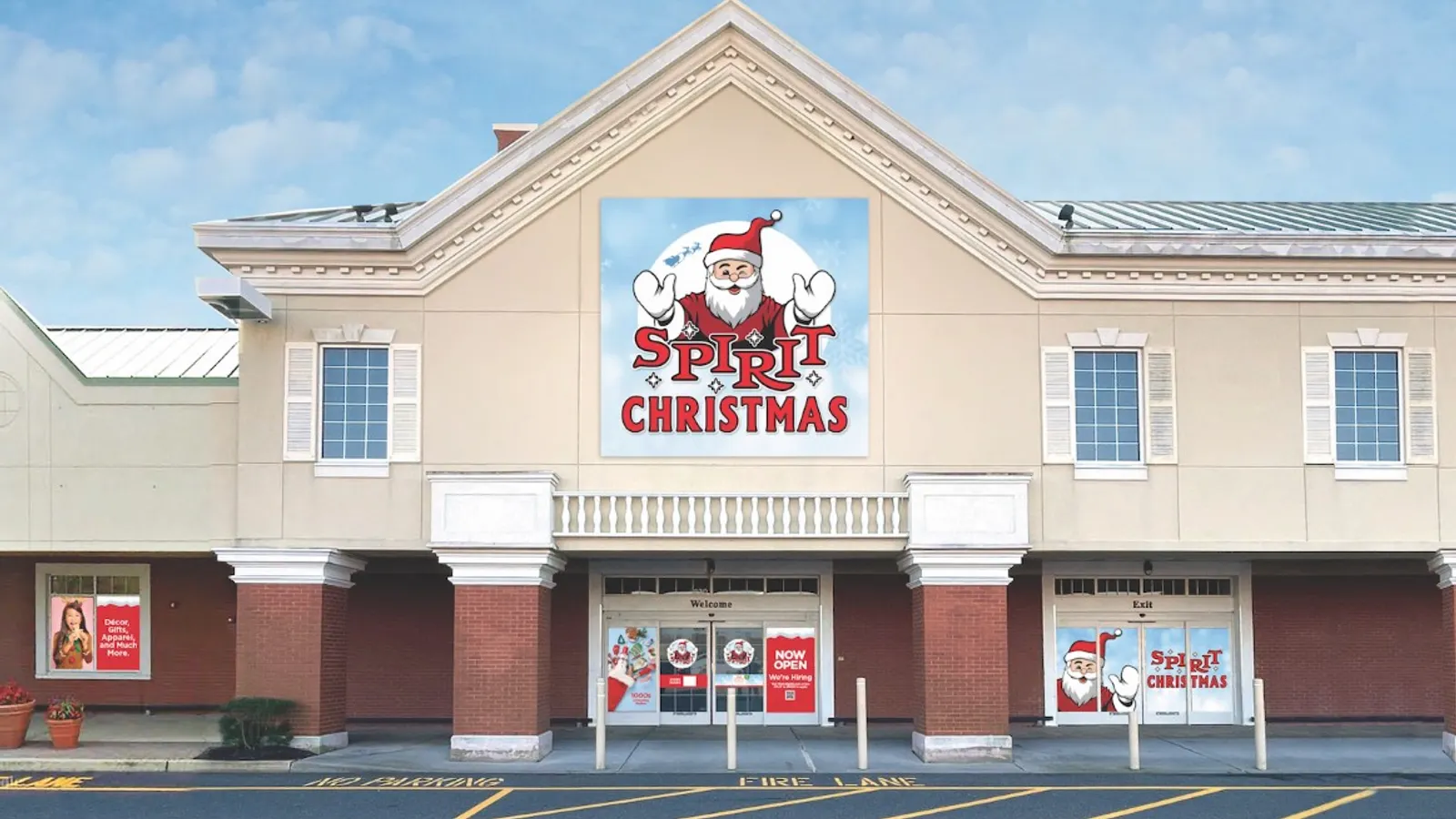
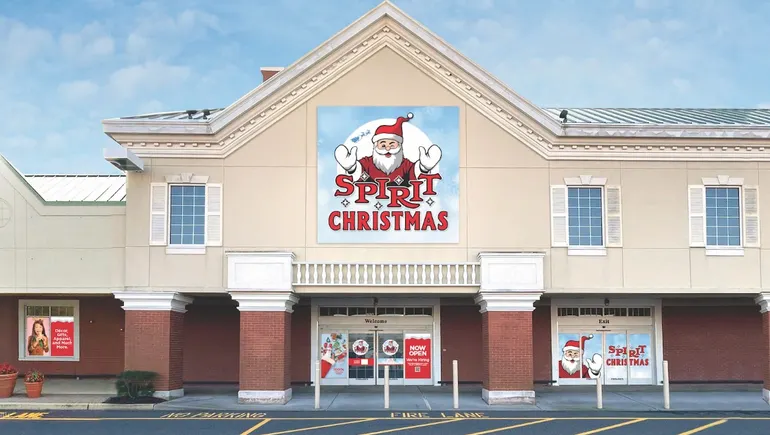
The transition from the haunting aesthetics of October 31 to the festive glow of December 25 is no longer just a calendar event for Spirit Halloween; it is a burgeoning retail strategy. After three years of careful testing and iterative growth, the parent company of the world’s largest Halloween retailer has announced it will expand its “Spirit Christmas” pop-up concept to 44 locations for the 2026 holiday season.
What began as a tentative experiment in 2024 has evolved into a sophisticated retail maneuver. By leveraging its established infrastructure, supply chain expertise, and real estate partnerships, Spirit Halloween is successfully pivoting from a seasonal niche player to a year-end powerhouse.
The Evolution of a Holiday Pivot
A Chronology of Expansion
Spirit Halloween’s foray into the Christmas market was not an overnight decision but a calculated evolution of its business model.
- 2024: The Pilot Phase. Faced with the challenge of maximizing the utility of its seasonal retail infrastructure, the company launched its inaugural test of Spirit Christmas. The goal was simple: determine if the brand’s loyal customer base—accustomed to the "pop-up" experience—would embrace a similar model for holiday decor and gifts.
- 2025: Proof of Concept. Following positive feedback from the initial pilot, the company scaled the operation to 30 locations. This second year was critical, as it allowed the retailer to refine its merchandising strategy and test the efficacy of transforming existing Halloween storefronts into holiday wonderlands.
- 2026: Scaling the Strategy. With 44 locations now confirmed for the current season, Spirit Christmas has moved beyond the "test" phase. It has solidified its position as a strategic pillar of the company’s Q4 performance, utilizing its signature “in-and-out” retail philosophy to capitalize on the urgency of holiday shopping.
The Anatomy of the Spirit Christmas Experience
Transforming Spooky to Merry
The brand’s marketing mantra—that Spirit Christmas locations “transform from spooky to merry in just a blink of an eye”—reflects the operational agility that has long defined the company. Spirit Halloween is uniquely positioned to handle the rapid conversion of retail spaces. While traditional retailers struggle with year-round overhead, Spirit’s model relies on short-term leases and high-velocity inventory turnover.
What shoppers can expect:
The 44 new locations are designed to be more than just retail stores; they are immersive destinations. The product mix is curated to mirror the high-energy, novelty-focused inventory of the Halloween stores, including:
- Animatronics and Inflatables: Utilizing the company’s deep expertise in mechanical holiday decor.
- Festive Apparel and Accessories: Catering to the growing trend of holiday-themed family attire.
- Giftables: A heavy focus on “White Elephant” gifts and novelty items that drive impulse purchases.
- Interactive Experiences: Many stores will feature photo opportunities and holiday-themed vignettes designed to drive foot traffic and social media engagement.
Real Estate Strategy: Targeting High-Visibility Zones
One of the most frequent questions regarding Spirit’s expansion is the criteria for site selection. As the company pivots from October to December, maintaining prime real estate is paramount.
When asked about how Spirit identifies which of its thousands of Halloween stores transition into Christmas pop-ups, a company spokesperson remained guarded regarding proprietary algorithms but provided clear insight into their geographic preferences.
“We target high-visibility locations such as lifestyle centers, strip centers, free-standing stores, major downtown retail areas, and malls anchored by national retailers,” the spokesperson noted.
This strategy ensures that Spirit Christmas is not hidden away in low-traffic zones but is positioned alongside major anchor tenants, benefiting from the heavy foot traffic of holiday shoppers flocking to traditional department stores and big-box retailers. By piggybacking on the success of established retail hubs, Spirit effectively lowers its customer acquisition costs while maintaining a high brand profile.
Supporting Data: The Economics of Holiday Spending
The timing of Spirit’s expansion aligns with broader macroeconomic shifts in consumer spending. According to recent industry data, the holiday season remains the most critical financial window for retailers.
The Halloween-to-Holiday Spend
A recent Deloitte survey indicates that consumers plan to spend an average of $285 per household on Halloween in 2026, with $219 of that dedicated specifically to retail purchases. This provides a lucrative foundation for Spirit Halloween to build upon.

However, the transition to Christmas offers a significantly larger prize. Data from PwC’s annual Holiday Outlook highlights that consumers are expected to spend an average of $708 on gifts during the 2026 holiday season. For households with children, that figure climbs to $875.
By capturing a fraction of this holiday budget, Spirit Christmas serves as a vital revenue bridge, keeping the company relevant and profitable long after the last jack-o’-lantern is packed away.
Strategic Implications: Why This Matters for Retail
The success of the Spirit Christmas concept sends a clear message to the retail industry: The pop-up model is no longer just for novelty; it is a viable strategy for long-term scalability.
1. Maximizing Real Estate Efficiency
Traditional brick-and-mortar retail often struggles with the “dark store” phenomenon, where space sits idle outside of peak seasons. By utilizing the same real estate for two distinct holiday events, Spirit is effectively doubling its return on investment per square foot.
2. Capitalizing on Consumer Urgency
Retailers like Spirit Halloween thrive on scarcity and seasonality. By limiting the window in which these products are available, they create a sense of urgency that encourages immediate purchasing. In an era where e-commerce is the default, the “experience-first” nature of these pop-ups provides a tangible reason for consumers to visit a physical store.
3. Diversification of the Brand
Spirit Halloween has long been synonymous with horror and costumes. Expanding into Christmas allows the brand to soften its image and appeal to a broader demographic. It transforms the company from a “one-trick pony” into a comprehensive seasonal entertainment retailer.

The Road Ahead: Challenges and Opportunities
While the expansion to 44 locations is a significant milestone, the road ahead is not without challenges. Spirit must navigate the logistics of holiday supply chains, which are notoriously volatile, and compete with established big-box giants like Walmart, Target, and Amazon, all of which are aggressively vying for the same holiday gift budget.
Furthermore, the brand must ensure that the quality of its Christmas offerings matches the high expectations of holiday shoppers. While novelty is the company’s bread and butter, the holiday season is characterized by a mix of gift-giving and home decoration that requires a different level of quality control compared to a single-night costume event.
A New Retail Paradigm
As we move into the final quarter of 2026, the industry will be watching the 44 Spirit Christmas locations closely. If this year’s expansion proves successful, it is likely that the company will continue to aggressively grow the footprint, potentially setting the stage for a nationwide holiday presence that rivals traditional year-round retailers.
By successfully bridging the gap between the spooky and the festive, Spirit Halloween has proven that in the modern retail landscape, the most effective strategy isn’t just about selling a product—it’s about owning the season. As the company continues to refine its “blink-of-an-eye” transformation, one thing is clear: the holiday shopping season just got a lot more interesting.