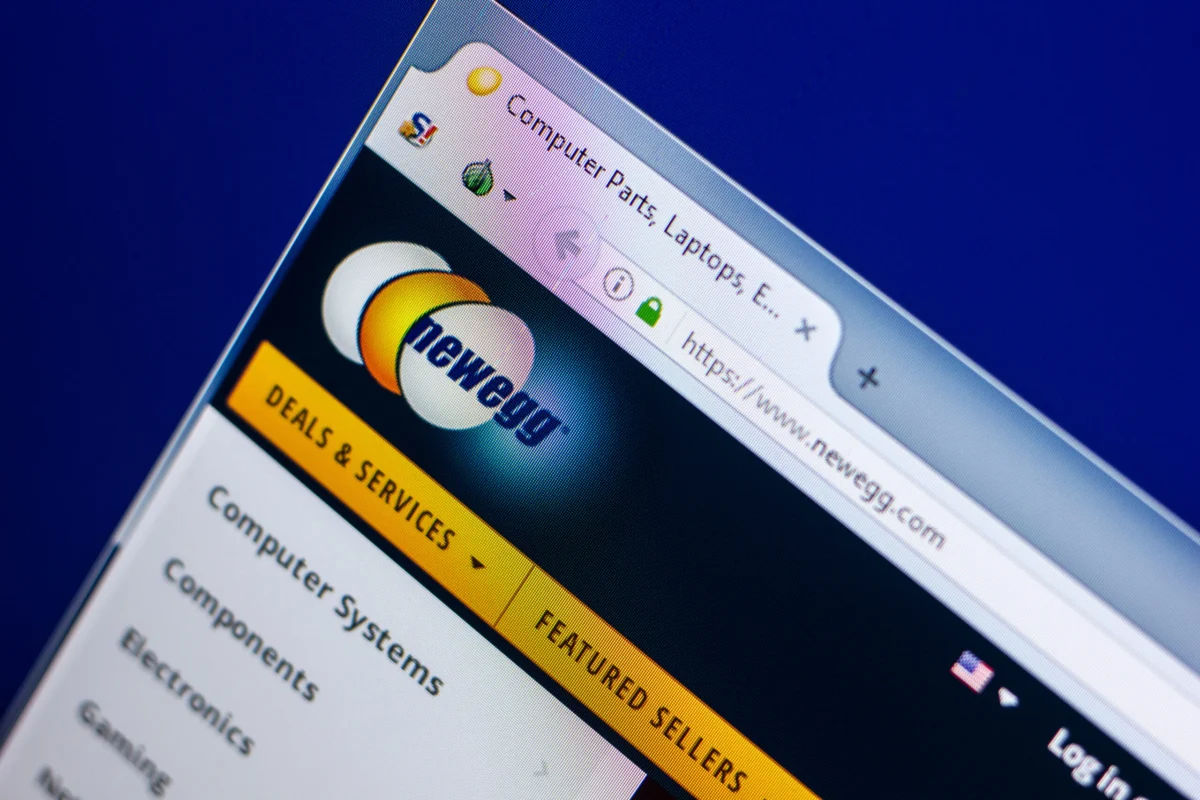
In a move that signals a significant shift in the landscape of e-commerce, electronics retail giant Newegg Commerce Inc. has officially announced its integration of Google’s Universal Commerce Protocol (UCP). By adopting this standardized framework for online checkout, Newegg is positioning itself at the vanguard of "agentic commerce"—a burgeoning retail model where AI-driven platforms act on behalf of consumers to browse, select, and purchase products without the user ever needing to navigate away to a traditional retail website.
This integration allows Newegg’s extensive catalog of consumer electronics to be purchased directly within Google’s AI Mode, Google Search, and Gemini experiences. For the modern consumer, this means the barrier between intent and acquisition is thinning. A search for a high-performance graphics card or a new gaming laptop can now culminate in a completed transaction directly within the search results page, leveraging Google Pay for a seamless, secure checkout process.
The Mechanics of Agentic Commerce
At its core, agentic commerce represents the transition from static web browsing to dynamic, AI-facilitated shopping. Traditionally, a shopper’s journey involves multiple touchpoints: searching on Google, clicking a link to a retailer’s site, navigating the product page, and finally checking out. Agentic commerce compresses this funnel.
By integrating the UCP, Newegg provides Google with a standardized stream of real-time product data. This ensures that the AI interfaces—whether in a chatbot like Gemini or a structured search result—have access to accurate pricing, inventory levels, and product specifications. Critically, while the checkout happens within the Google ecosystem, Newegg remains the "merchant of record." This distinction is vital for the retailer; it allows Newegg to maintain ownership of the customer relationship, manage order fulfillment, and oversee post-purchase support, all while benefiting from the traffic and conversion efficiency of Google’s ubiquitous platform.
Chronology of an AI-Driven Strategy
Newegg’s adoption of UCP is not an isolated experiment; it is the latest milestone in a sustained, multi-year strategic pivot toward artificial intelligence. To understand how the company arrived at this point, one must look at its recent trajectory:
- 2025 – Early AI Integration: Throughout late 2025, Newegg began testing the integration of its product listings into third-party AI-enabled search experiences, most notably Perplexity. By allowing its inventory to be surfaced through AI queries, Newegg began learning how to optimize its metadata for non-human interfaces.
- Early 2026 – The Launch of UCP: In January 2026, Google officially launched the Universal Commerce Protocol. Developed in collaboration with industry giants like Shopify, Etsy, Target, Walmart, and Wayfair, the protocol was designed to create a common language for e-commerce transactions. Newegg spent the subsequent months refining its backend systems to align with these protocols.
- Mid-2026 – Conversational Shopping: In June 2026, Newegg launched "Celeste," its proprietary conversational AI assistant. This tool allowed users to receive personalized tech recommendations directly on the Newegg website, providing the company with valuable data on how users phrase their queries and define their technological needs.
- Late 2026 – Full UCP Integration: By the end of the year, Newegg finalized its integration of the UCP, effectively "turning on" the capability for users across Google’s platforms to buy Newegg products without ever leaving the Google environment.
Supporting Data and Market Standing
Newegg’s commitment to this technology is backed by its established dominance in the niche electronics space. Currently ranked No. 86 in the Digital Commerce 360 Top 1000 Database, Newegg remains one of North America’s most influential online retailers.
However, its influence is arguably shifting from pure volume to technical sophistication. Newegg currently sits at No. 429 in Digital Commerce 360’s AI Commerce Rankings. This specific ranking, which evaluates retailers based on their successful deployment of AI tools—from chatbots and predictive inventory management to agentic commerce—underscores the company’s transition from a legacy e-commerce player to an AI-first organization.
The integration with UCP is expected to have a tangible impact on conversion rates. Data from the broader retail industry suggests that every click removed from the checkout process significantly reduces cart abandonment. For a retailer like Newegg, where products often command high price points and require high consumer confidence, the ability to close a sale instantly via Google Pay—a trusted, secure, and familiar interface—is a powerful lever for growth.
Official Responses and Strategic Vision
The leadership at Newegg has been vocal about the necessity of this move. Montaque Hou, Chief Information Officer at Newegg, framed the integration as a fundamental necessity for survival in the age of AI.
"AI is changing how the world buys technology, and Newegg intends to be at the forefront of that change," Hou stated. "We moved early to make our catalog shoppable inside AI experiences, and integrating Universal Commerce Protocol-powered checkout across Google brings that vision to life in one of the most widely used platforms in the world. Wherever someone asks an AI what to buy, we want Newegg ready to answer."
Google’s perspective echoes this sentiment, viewing the UCP as an industry-wide necessity to maintain the health of the retail ecosystem. Ashish Gupta, Vice President and General Manager for Merchant Shopping at Google, noted that the partnership is about scaling the future of retail. "Newegg enabling UCP-powered checkout on Google marks a new milestone as we scale agentic commerce," Gupta said. "We’re building the future of AI-driven shopping together as an industry, and this is another strong example of businesses delivering delightful, diverse experiences and products for their shoppers."
Implications for the Future of Retail
The implications of this move are far-reaching for both consumers and competitors.
For the Consumer
The "shopper’s journey" is becoming increasingly invisible. In the near future, a consumer might ask their phone, "What is the best mid-range gaming laptop under $1,200?" The AI will parse the request, filter through Newegg’s real-time inventory, present a selection, and facilitate a one-tap purchase. This creates a "frictionless" shopping experience that prioritizes speed and convenience.
For Competitors
Retailers who remain tethered to traditional, site-centric models may find themselves at a disadvantage. If a brand’s catalog is not discoverable or purchaseable within the AI models that consumers use daily, they are effectively invisible to a large segment of the market. The UCP creates a "network effect" where merchants who join the protocol gain access to Google’s massive user base, while those outside the protocol risk losing traffic to the AI-integrated competitors.
For Data and Privacy
While the checkout process is simplified, it also creates new questions regarding data privacy and the role of the platform. By acting as the intermediary, Google gains significant insight into purchasing patterns and consumer preferences. For Newegg, the challenge will be to balance the convenience of this integration with the need to maintain a direct, brand-centric relationship with its customers.
Conclusion: The New Frontier
Newegg’s adoption of Google’s Universal Commerce Protocol is a clear indicator that the "platformization" of e-commerce is accelerating. The retailer is no longer just a destination; it is becoming a service integrated into the broader fabric of the internet. As AI becomes the primary lens through which consumers navigate the digital world, Newegg’s decision to embed its storefront into that lens ensures it remains relevant, accessible, and ready to capture the modern shopper at the moment of intent.
Whether this trend will lead to a total homogenization of the online retail experience or simply provide a more efficient layer for consumer interaction remains to be seen. However, one thing is certain: the era of the "agentic" consumer has arrived, and Newegg has successfully secured its seat at the table. As the company continues to climb the ranks of AI-forward retailers, its strategy serves as a blueprint for others looking to navigate the transition from traditional e-commerce to the automated, AI-driven digital economy.