The landscape of digital marketing is undergoing its most radical transformation in a decade. As we move through the latter half of 2026, the convergence of generative AI, platform consolidation, and new measurement standards is forcing marketers to rethink everything from their ad creative strategies to how they value "evergreen" content. In today’s briefing, we analyze the critical shifts occurring across Meta, Google, and Pinterest, and provide actionable insights on optimizing your long-term content strategy.
The Evergreen Imperative: Mastering YouTube’s "Views Per Hour" (VPH)
In an era of fleeting social media trends, YouTube remains the outlier—a platform where content acts as a long-term asset rather than a disposable post. For creators and brands alike, the key to unlocking this potential lies in a singular, often overlooked metric: Views Per Hour (VPH).
Why VPH Matters
Most marketers obsess over "first-week" metrics. However, seasoned creators know that the true power of YouTube lies in its compounding nature. According to industry expert Sean Cannell, who presented these findings at Social Media Marketing World 2026, roughly 50% or more of a channel’s monthly views often originate from content published weeks, months, or even years prior.
VPH serves as a health check for your video library. By tracking this metric, you can identify which videos are still pulling in traffic from search results or suggested feeds, allowing you to "double down" on those topics. For instance, a video posted three years ago that still generates 2 views per hour is essentially a silent, 24/7 sales representative for your brand. When these small numbers compound across a library of hundreds of videos, they create a baseline of traffic that is immune to the volatility of current-day trends.
Meta’s AI Revolution: The Shift in Facebook Ad Strategy
Meta is aggressively transitioning its advertising ecosystem into a fully automated, AI-driven environment. For advertisers who have spent years building custom audiences and granular placement strategies, this represents a fundamental change in the "rules of engagement."
The Death of Manual Control
The most significant change is the removal of manual placement controls. Meta’s internal testing suggests that AI-optimized placements—where the algorithm decides where your ad appears based on real-time performance—outperform human-led curation in almost every scenario. While this reduces control, it promises higher efficiency for those willing to trust the system’s predictive capabilities.

The Rise of Generative Creative
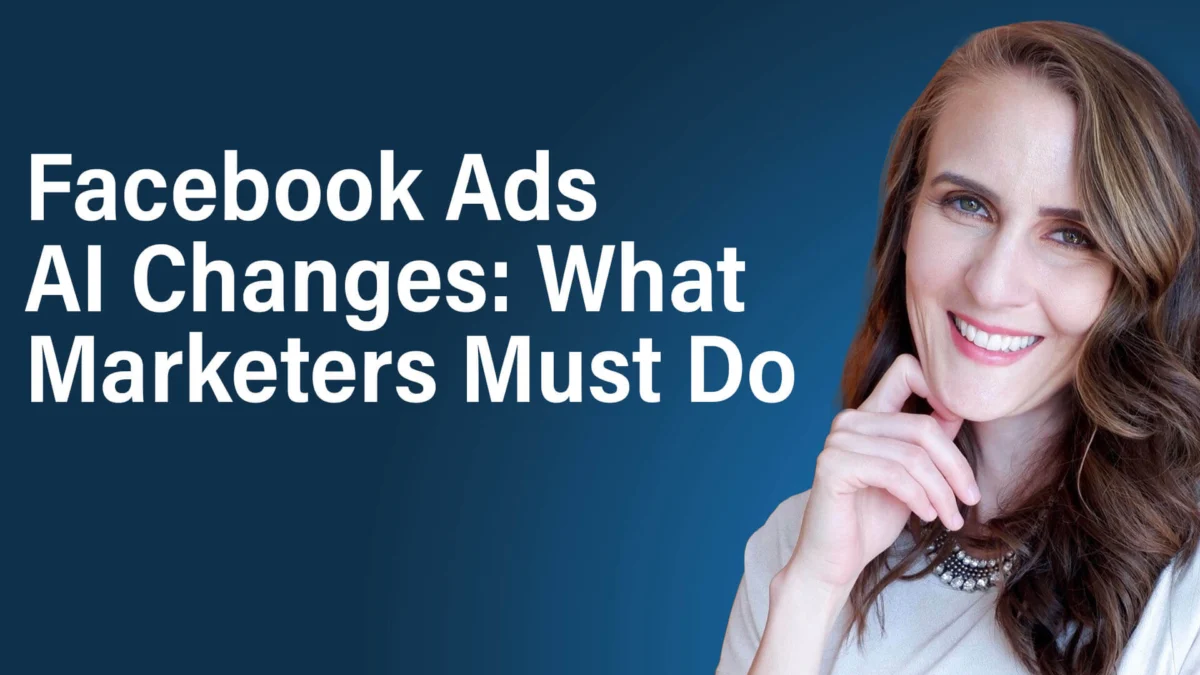
Perhaps the most disruptive update is the introduction of AI-powered creative suites. Beta testers, including industry expert Tara Zirker, have reported tools capable of transforming a handful of static images into high-production video ads. These tools automatically generate:
- AI Avatars: Human-like narrators that deliver your brand message.
- Scripted Talking Points: AI-generated copy that syncs with visual content.
- Virtual Walkthroughs: Automated facility tours that require zero human editing.
AI as an In-House Analyst
Beyond creative generation, Meta is integrating its AI agents directly into the business dashboard. This allows marketers to leverage Meta AI to parse performance data, suggest optimization prompts, and generate automated weekly reporting. For small businesses, this eliminates the need for expensive data-crunching tools, effectively providing a free, high-level marketing analyst inside the ad manager.
Industry News & Platform Updates: A Chronology of Change
The week of September 22, 2026, proved to be a watershed moment for platform evolution. Below is the chronology of the most impactful updates.
Meta One: The Consolidation of Professional Tools
Meta has officially launched "Meta One," a comprehensive subscription service designed to unify the fragmented professional experience across Facebook, Instagram, WhatsApp, and Meta AI.
- Tiered Offerings: Individual plans emphasize customization, while business tiers provide advanced audience-growth tools, professional analytics, and high-level customer service integration.
- Strategic Goal: By bundling verification, publishing, and AI agent capabilities, Meta is positioning itself as the "operating system" for modern digital businesses.
The Expansion of Creator Marketing
Starting September 29, Meta is launching a global rollout of its Creator Marketing Hub. This platform facilitates easier discovery and outreach for brands. Furthermore, the introduction of Instagram Live Video Ads allows brands to amplify creator-led live content in real-time, effectively bridging the gap between raw, authentic creator content and measurable, performance-driven outcomes.
Google’s Data Measurement Overhaul
Google is responding to privacy shifts by doubling down on first-party data. The integration of its "Data Manager" into Analytics and DV360 is a direct move to help marketers recover conversion data lost to browser restrictions. The new Data Strength Uplift Metric provides brands with a clear KPI to measure the effectiveness of their first-party data collection strategies.
Pinterest’s Performance Push
Pinterest is moving aggressively into the lower-funnel space. Its new Visual Search Ads allow brands to bid on high-intent search queries, turning the platform from a "mood board" into a direct commerce engine. When combined with the "Performance+" update, which includes automated product prioritization, Pinterest is signaling that it is no longer just for inspiration—it is for conversion.
Threads and the Podcast Toolkit
Threads is expanding its utility for audio creators. By introducing dedicated "Podcast Insights," shareable episode banners, and guest-focused formats, Meta is attempting to make Threads the primary social hub for the podcasting community, directly challenging platforms like X (formerly Twitter) for audio-centric engagement.
Implications: The New Marketing Playbook
What do these shifts mean for your business in late 2026? We identify three core implications:

1. From "Content Creator" to "Content Architect"
The era of manual, single-platform posting is ending. Because Meta and Pinterest are increasingly prioritizing AI-assisted creative and algorithmic distribution, your role is no longer to "make content" but to "architect assets." This means providing high-quality raw material (images, data, audio) that the platform’s AI can then manipulate and distribute to the right users at the right time.
2. Trusting the Algorithm (with Guardrails)
The disappearance of manual placement and audience targeting is not a call to abdicate control; it is a call to change how you monitor it. You must now focus on input quality. If you provide the algorithm with poor-quality creative or weak first-party data, the AI will fail. Success in 2026 requires feeding the machine better data and better assets.
3. The Return of First-Party Value
With Google and Meta both doubling down on first-party data, the "cookie-less" future has arrived. Brands that do not have a robust strategy for collecting and organizing their own customer data will find themselves at a severe competitive disadvantage. The ability to link "brand signals" to "causal business outcomes" is now the primary differentiator between market leaders and those struggling to survive.

Conclusion: Finding Your Community
As the industry pivots toward these complex, AI-integrated workflows, the "lone wolf" approach is becoming unsustainable. The speed of change—evidenced by the weekly updates from Meta, Google, and Pinterest—makes it impossible for any single marketer to stay ahead of the curve in isolation.
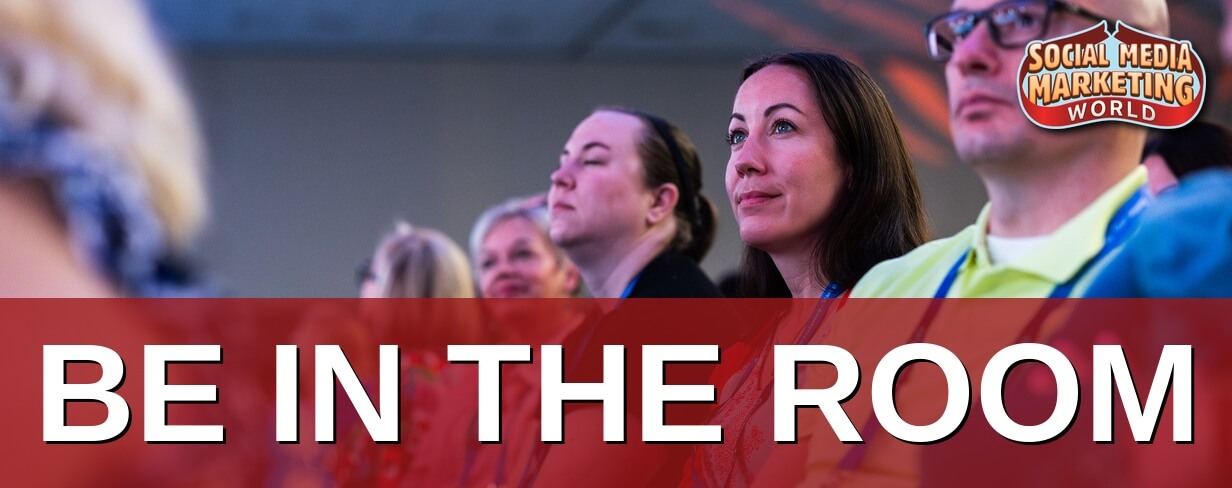
Whether you are a seasoned CMO or a solo entrepreneur, the consensus is clear: you are not supposed to have this figured out by yourself. The most successful marketers of 2027 will be those who actively participate in communities like Social Media Marketing World and the AI Business Society. By engaging with peers who are "deep in the trenches," you gain more than just knowledge—you gain the context necessary to apply these tools to your unique business model.
Next Steps:

- Audit your YouTube library: Use VPH to find your top 10 evergreen performers.
- Evaluate your Meta setup: Ensure your account is ready for AI-driven ad placements by consolidating your creative assets.
- Benchmark your AI maturity: Take an objective assessment of your current AI usage to ensure you aren’t falling behind the industry curve.
The digital landscape is no longer static. It is a living, breathing ecosystem. By focusing on evergreen content, leveraging AI for efficiency, and prioritizing first-party data, you can turn these rapid industry shifts into your greatest competitive advantage.