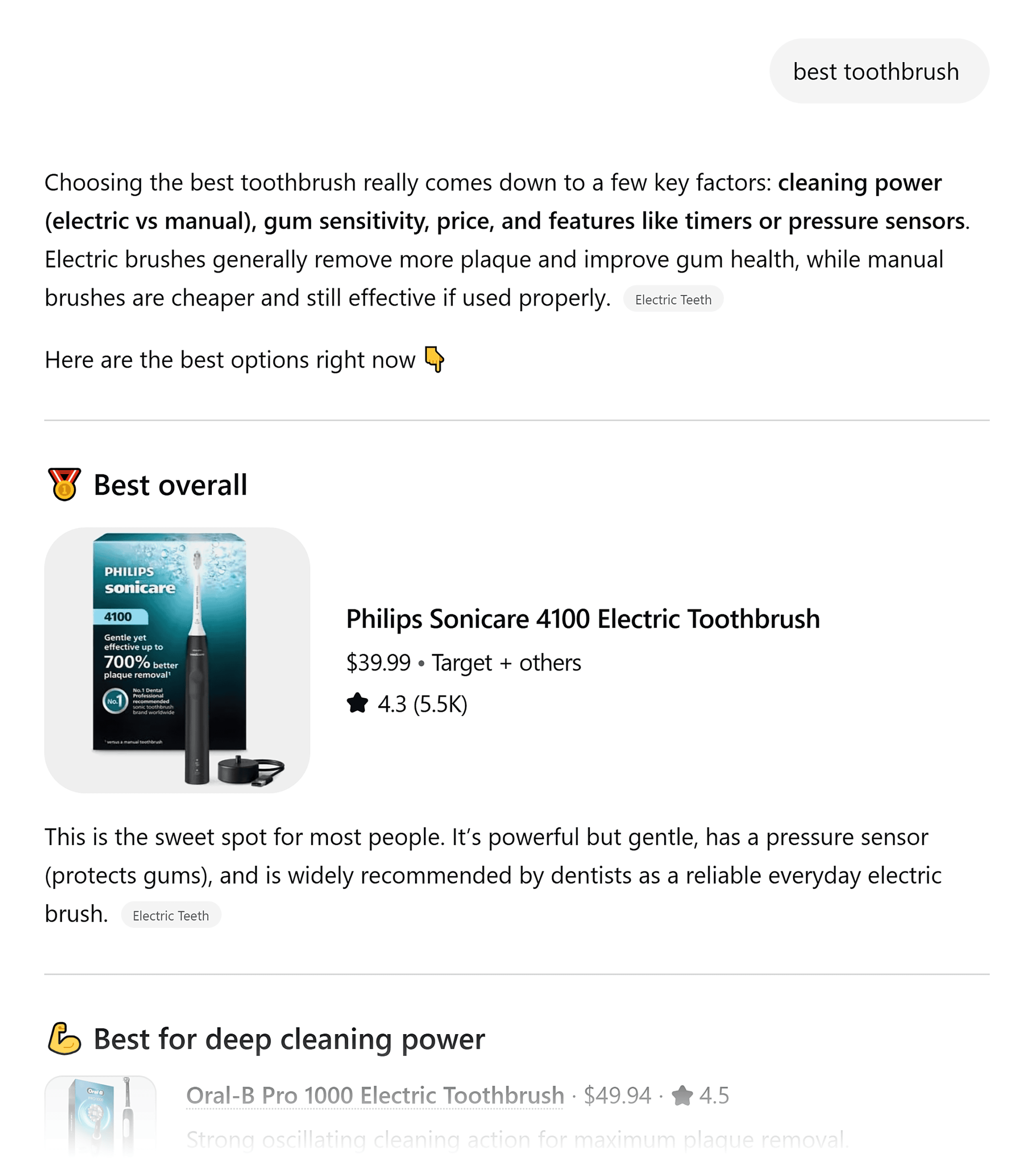
For years, the gold standard of digital marketing was simple: rank in the top three positions on Google, and the traffic will follow. However, the rise of Large Language Models (LLMs) like ChatGPT, Perplexity, and Google’s AI Overviews has fundamentally disrupted this hierarchy.

Your content can now occupy the first page of traditional search results and still remain completely invisible to AI. This is not a glitch in the algorithm; it is a feature of a background process known as query fan-out. To survive—and thrive—in the age of AI search, brands must shift their focus from traditional keyword rankings to "coverage" and "retrievability."
What Is Query Fan-Out?
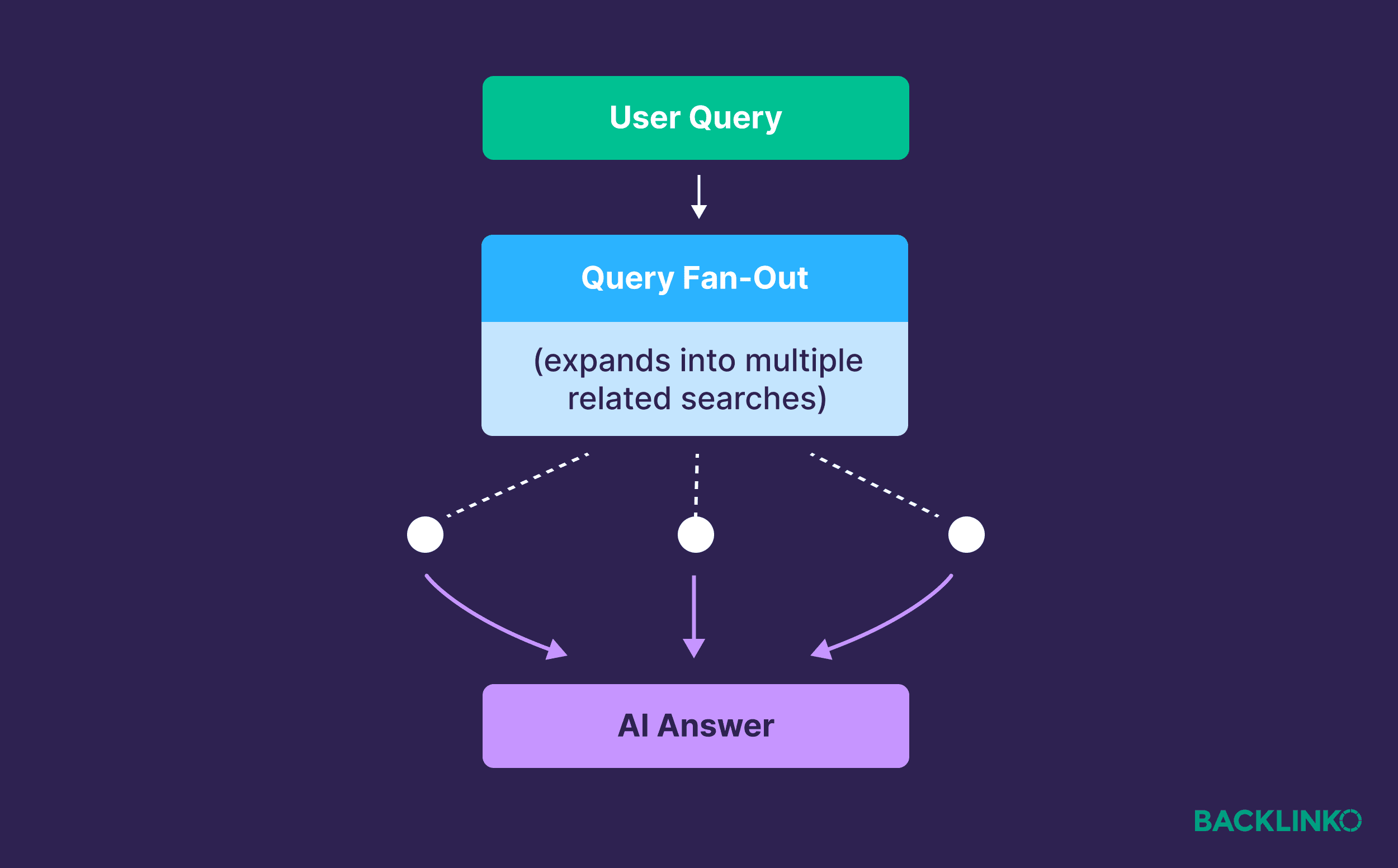
Query fan-out is the sophisticated process AI search systems use to decompose a single, often vague, user prompt into a series of highly specific sub-queries. Instead of simply fetching the best-ranked page, an AI engine "fans out" by asking a range of related questions to build a comprehensive, multi-faceted answer.
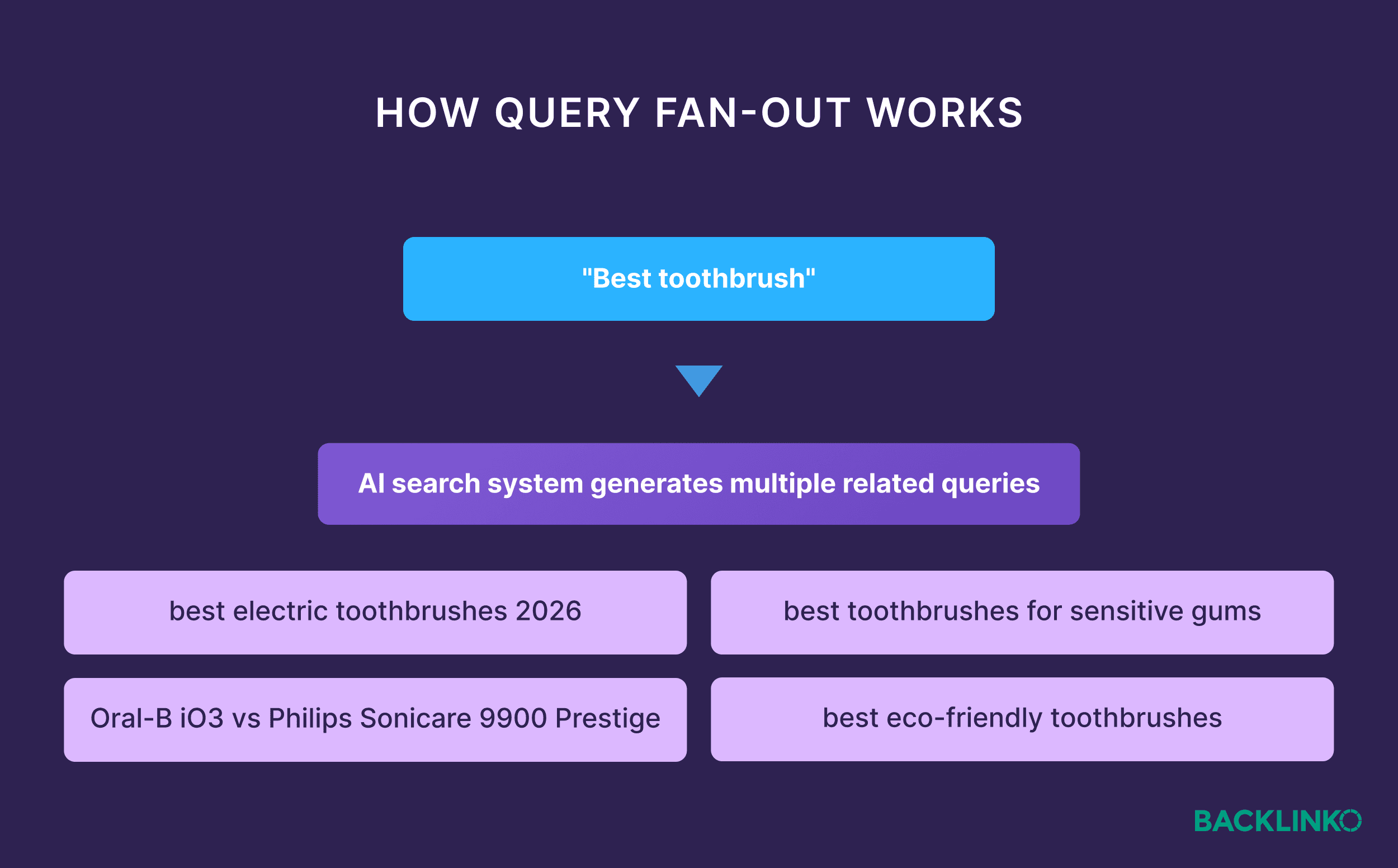
For instance, if a user searches for "best noise-canceling headphones," the AI does not just pull the top-ranked review site. It triggers sub-queries like:
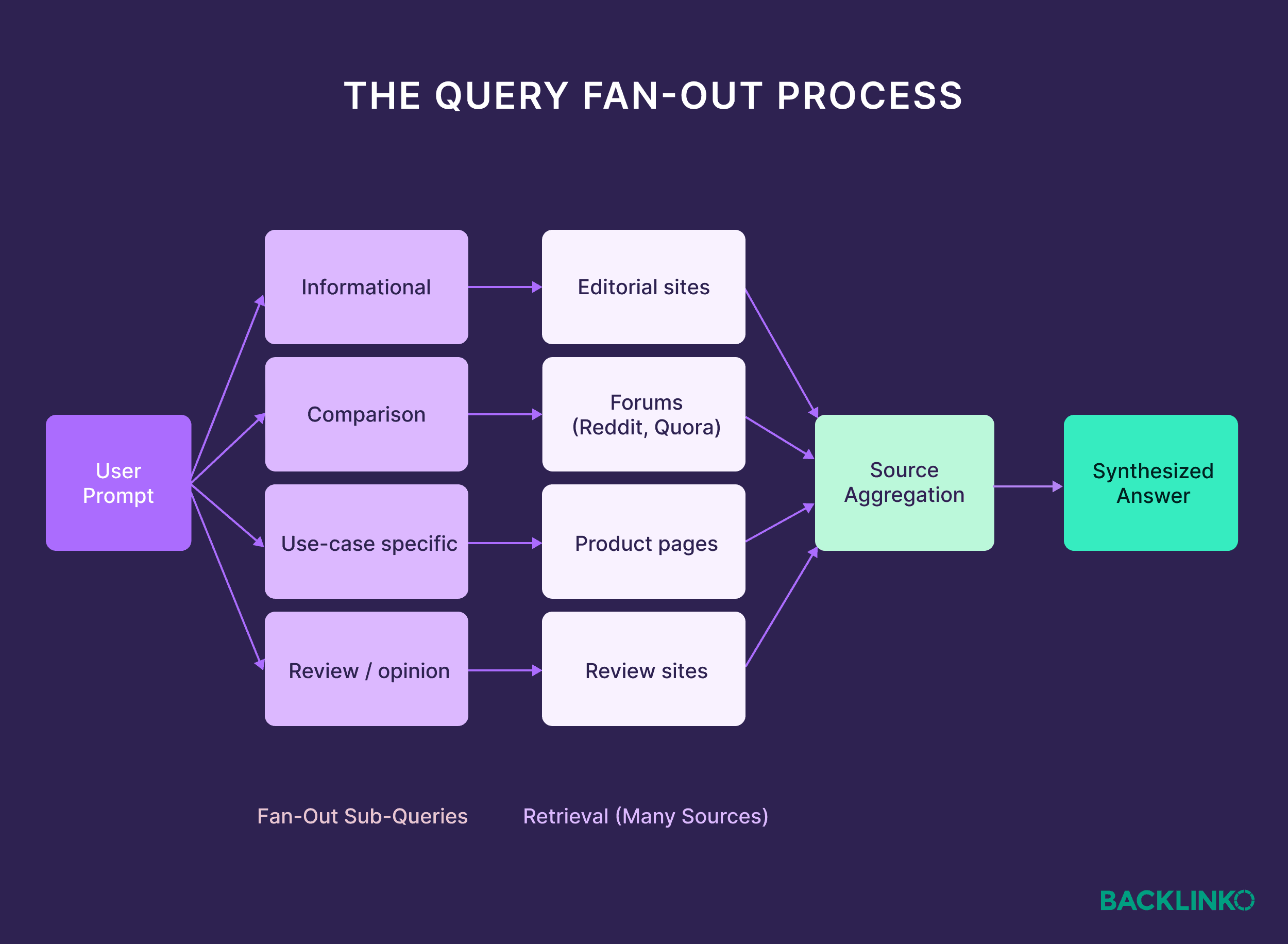
- "Best electric noise-canceling headphones [Current Year]"
- "Noise-canceling headphones for sensitive ears"
- "Sony vs. Bose noise-canceling performance"
- "Budget noise-canceling headphones under $200"
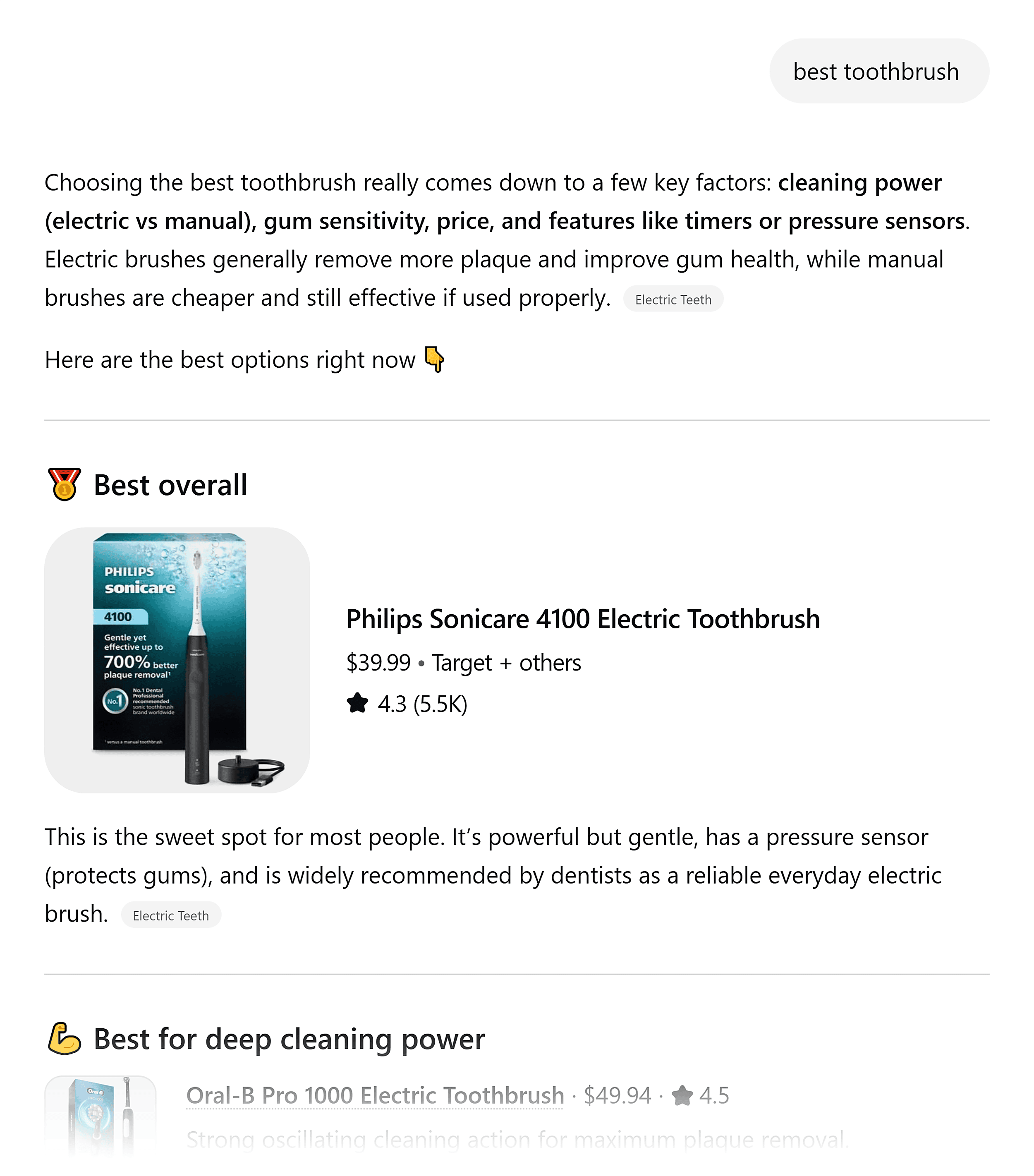
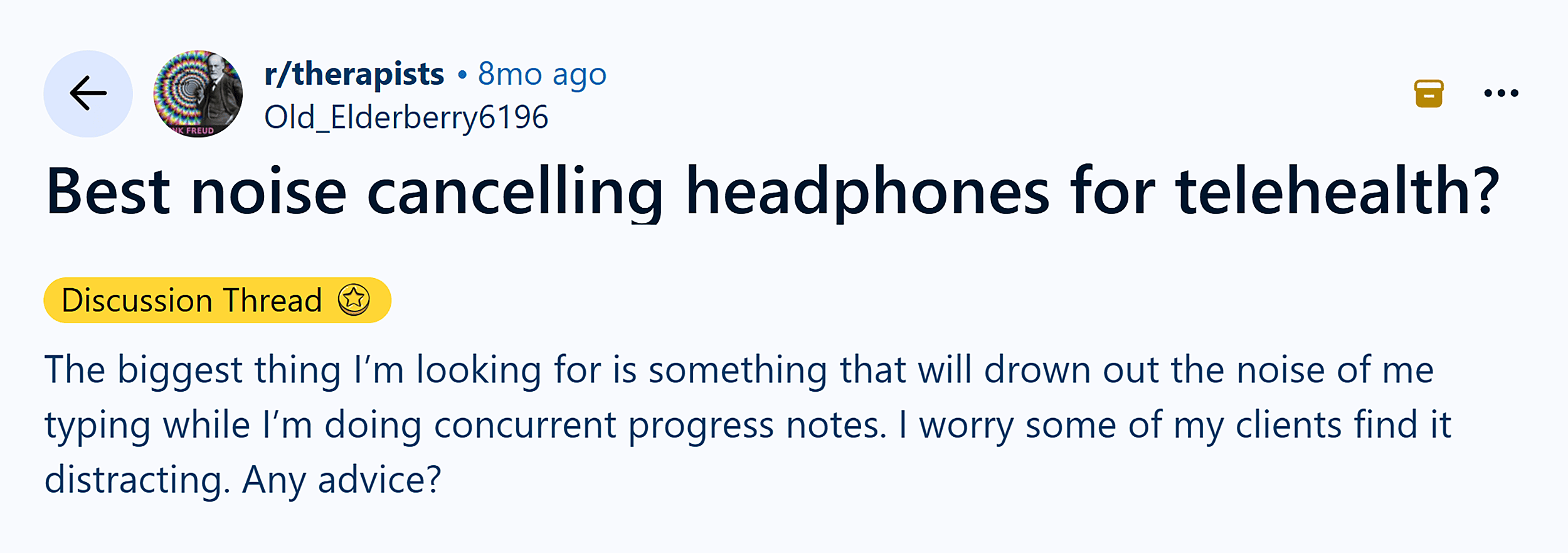
By synthesizing data from editorial sites, Reddit threads, and specific product pages, the AI constructs a response that anticipates the user’s needs before they even ask. If your brand doesn’t show up in the answers to those sub-queries, you are essentially invisible to the AI, regardless of your domain authority or traditional SEO standing.
The Chronology of the Shift: From Search to Synthesis
The evolution of search has moved through three distinct phases:
- The Indexing Era: Search engines acted as a directory, pointing users to external pages. SEO was about "ranking."
- The Answer Engine Era: Google introduced Featured Snippets and Knowledge Panels, attempting to provide direct answers.
- The Synthesis Era (Current): AI search systems move beyond "pointing" to "synthesizing." The goal is to provide a complete answer within the interface. In this phase, the "click" is no longer the primary objective; the "citation" is.
Supporting Data: Why Rankings Are No Longer Enough
The shift is backed by compelling data. According to recent research, the traditional reliance on high-ranking positions is failing to protect traffic from AI displacement.
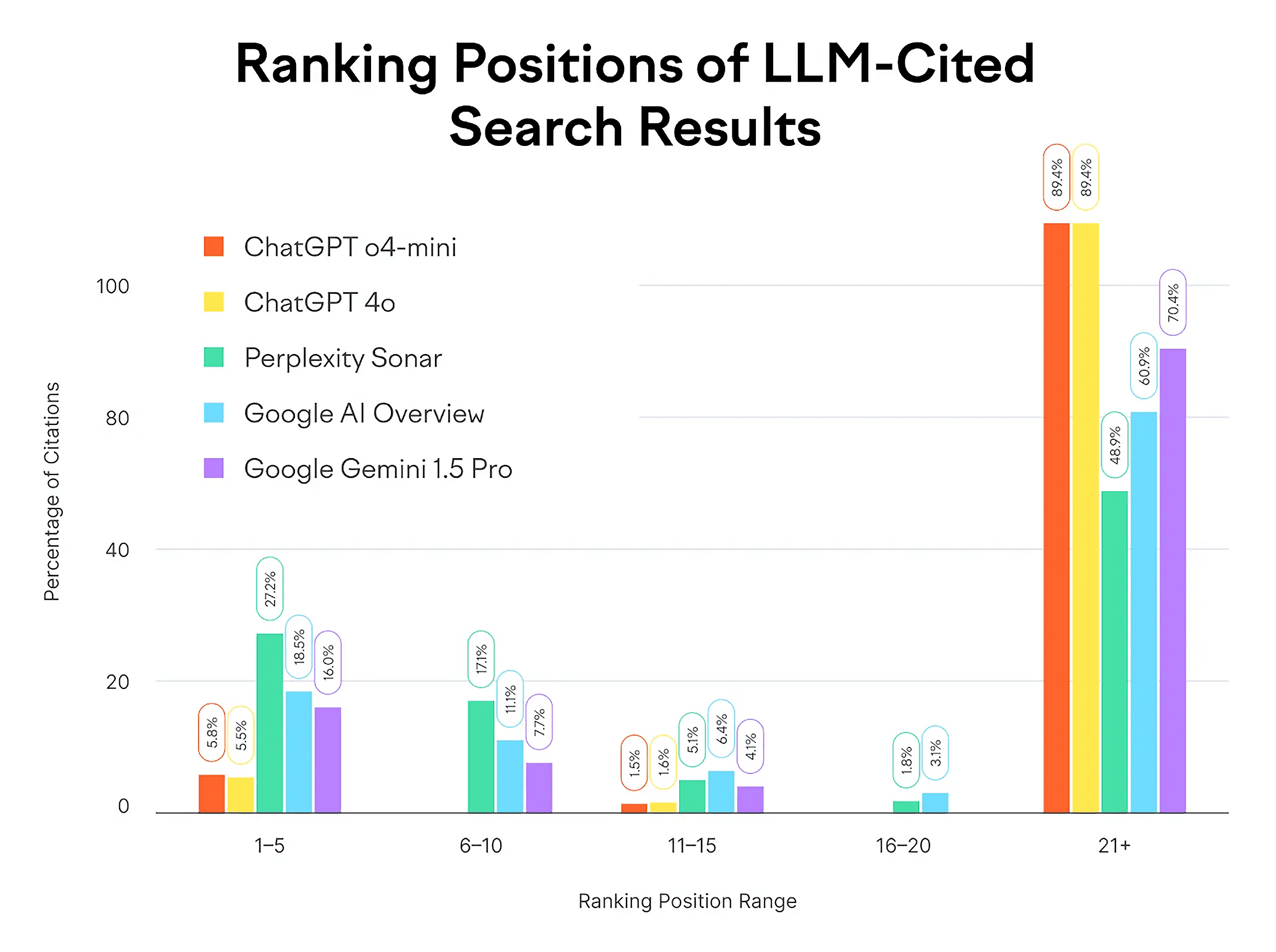
- The Position Myth: A study by Semrush revealed that ChatGPT frequently cites pages ranking in position 21 or lower. When the AI is looking for specific, long-tail information, it ignores the top 10 rankings in favor of the most relevant information, regardless of the SEO "authority" of the source.
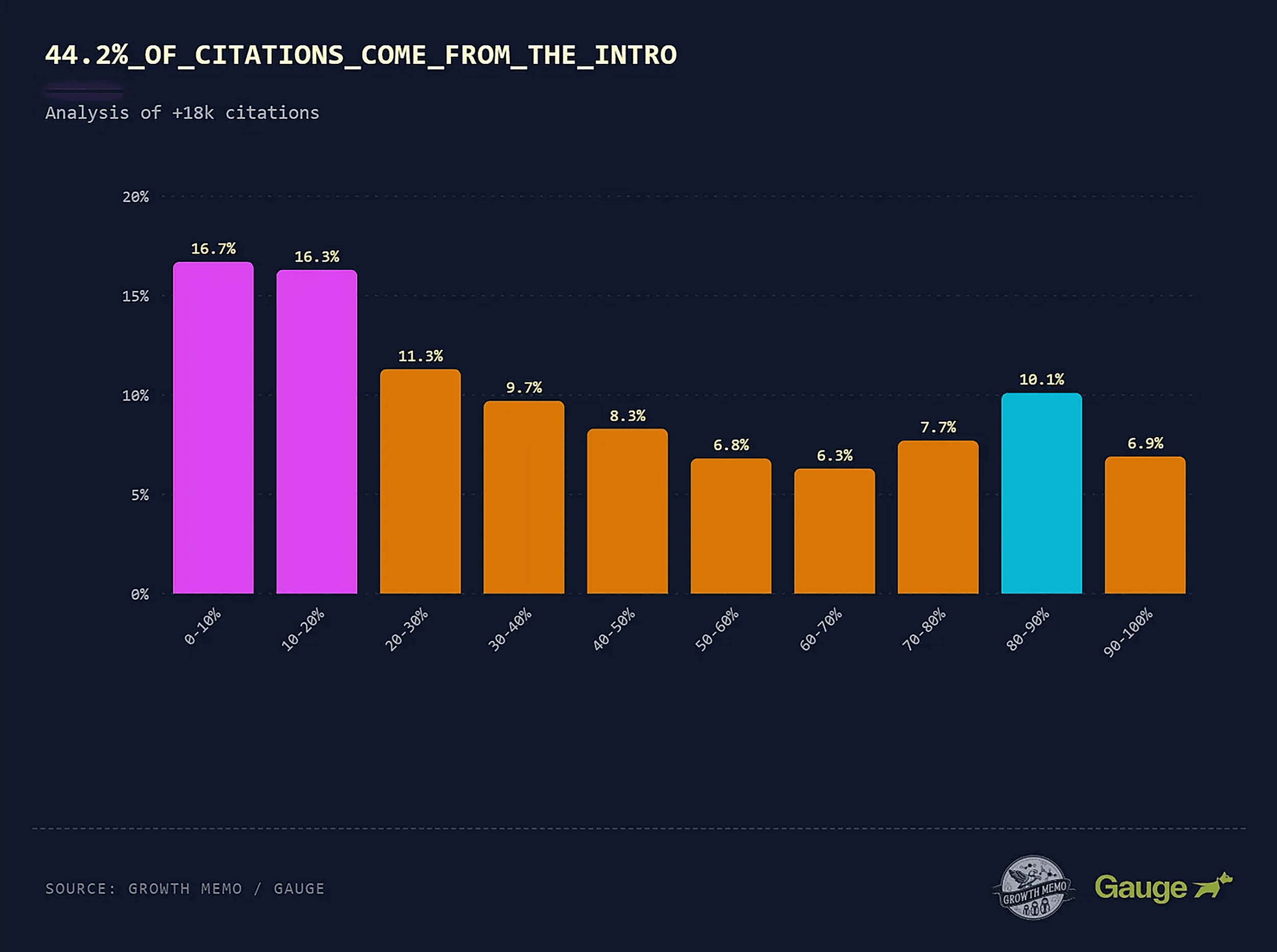
- The Power of Intros: Growth advisor Kevin Indig’s analysis of 1.2 million ChatGPT responses showed that 44.2% of citations are pulled from the first 30% of a page. This suggests that AI models favor content that answers questions concisely and early, rather than content that buries the lead under thousands of words of SEO-bloated fluff.
The Implications for Content Strategy
This shift forces a total rethink of how content is produced. If your strategy is still based on targeting individual "money keywords," you are likely missing the boat.
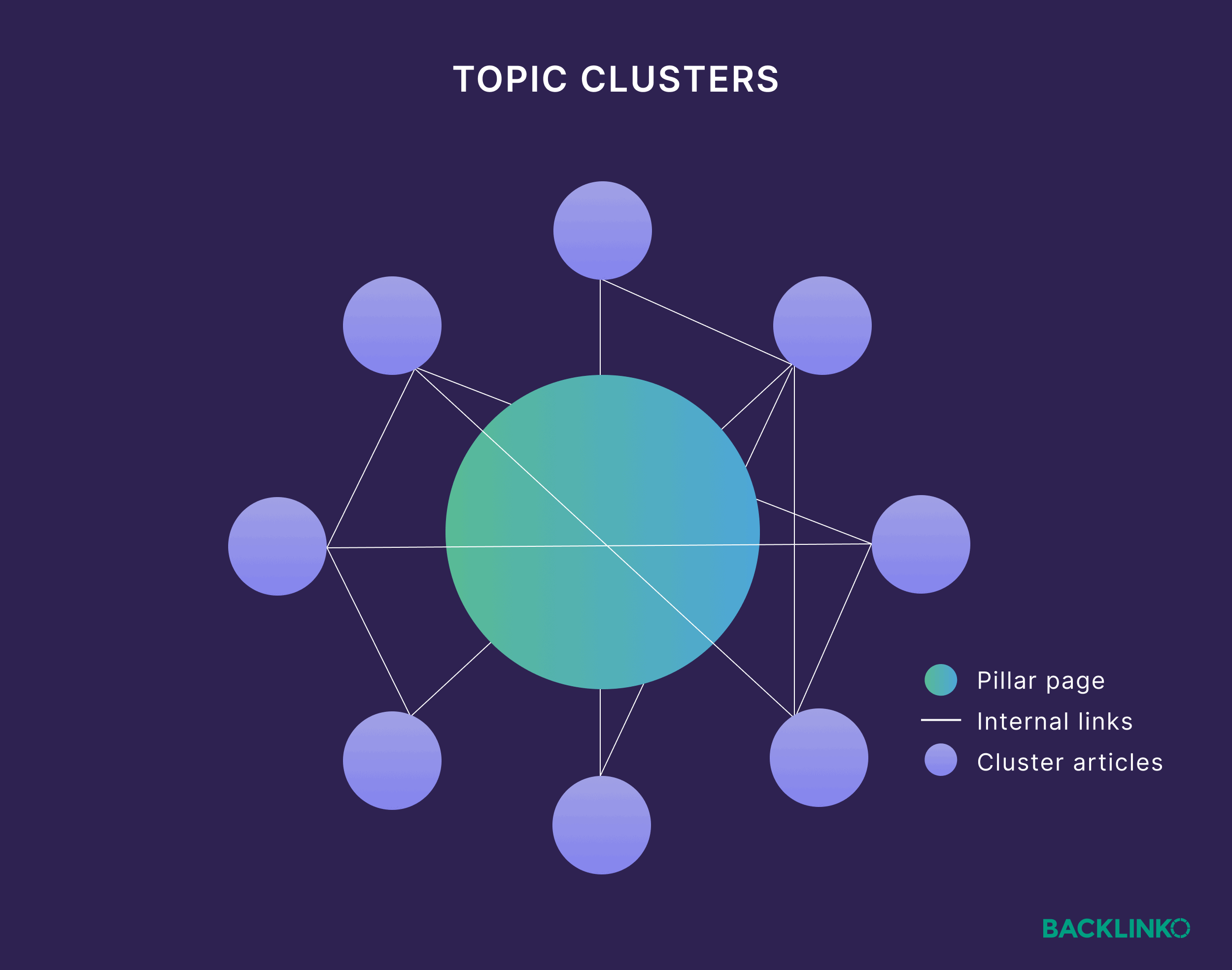
1. Collapsed Buying Journeys
Previously, marketers mapped content to the linear funnel: Awareness, Consideration, and Decision. AI has collapsed these stages. A single high-intent prompt now forces the AI to pull from all three stages simultaneously to build a comprehensive answer. Your content must now be "full-funnel" in nature—offering context, comparison, and specs in a single, well-structured piece.
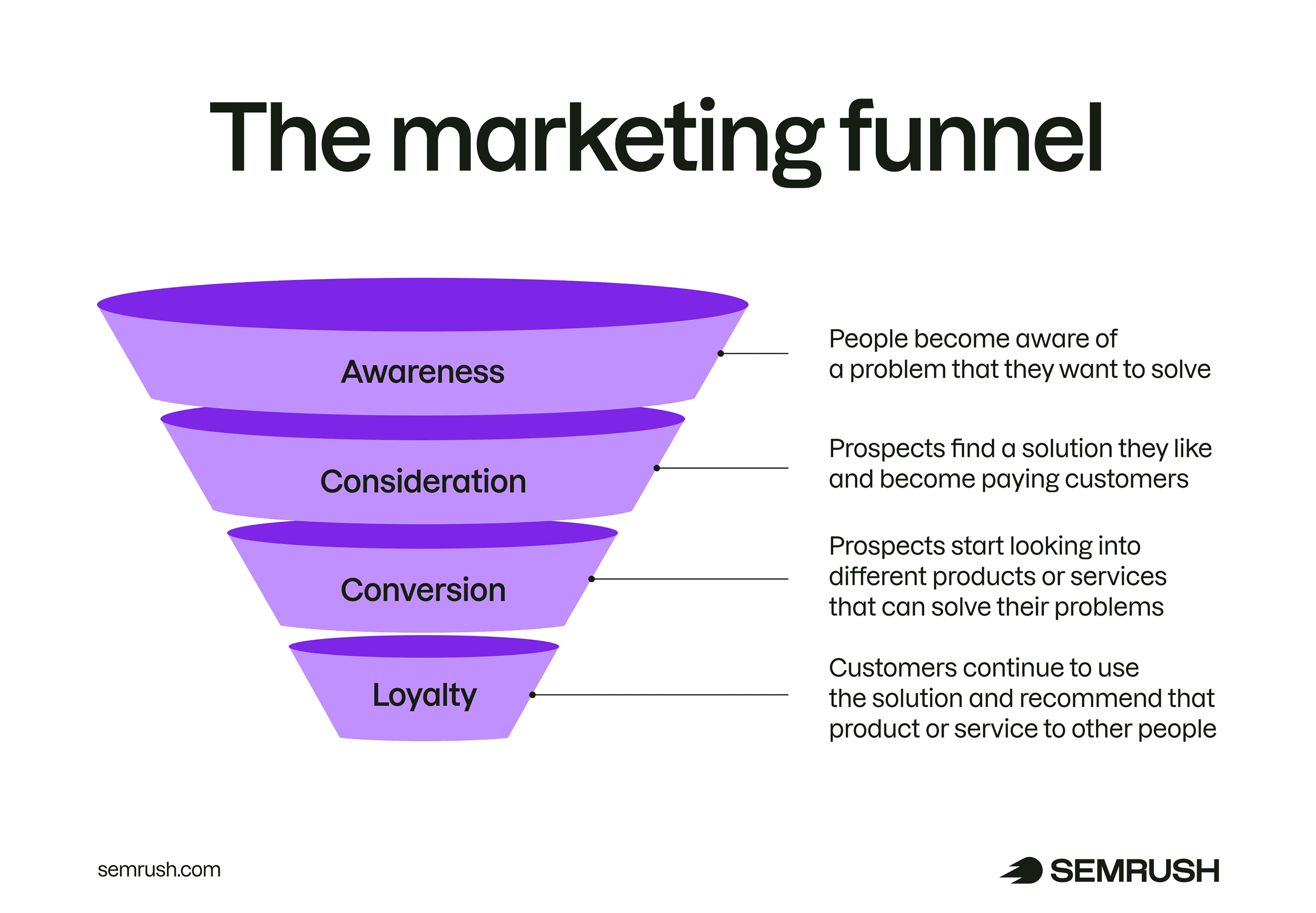
2. Topic Clusters Over Keywords
Since AI revolves around "coverage," broad topic clusters are now essential. You aren’t just competing for a keyword; you are competing for "topical authority." If your site doesn’t have a comprehensive, interconnected web of content covering every facet of a topic, the AI will pull from multiple competitors instead of relying on you as a single, trusted source.
3. Structural Clarity
AI systems do not "read" pages like humans; they parse data. They favor clean, structured formats like comparison tables, bulleted lists, and clear H2/H3 headers. If your content is hidden behind complex layouts or "fluff" writing, the AI will likely skip over you to find a source that is easier to parse.
The 6-Step Workflow for AI Visibility
To earn AI citations, you must proactively optimize for the fan-out process.
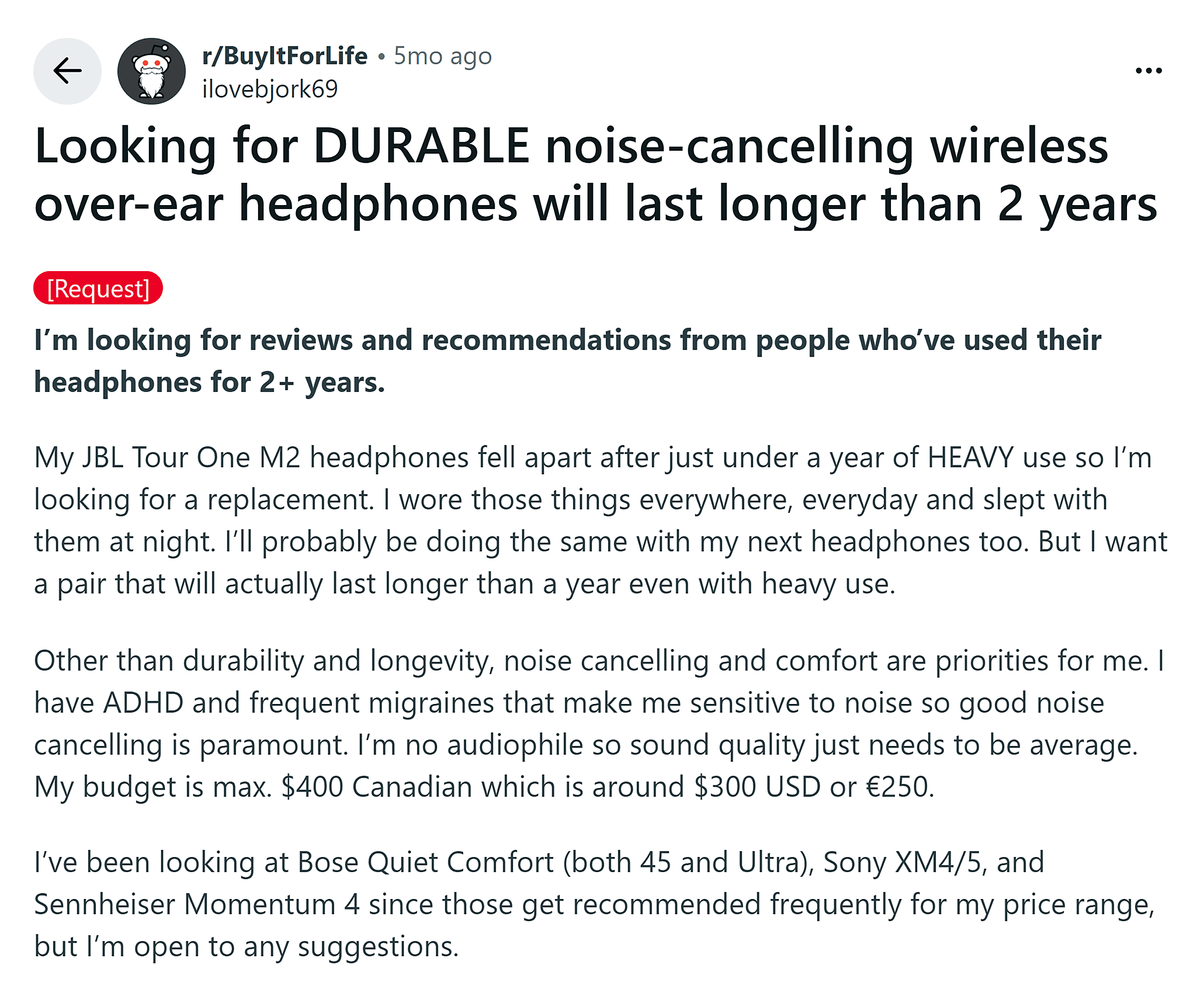
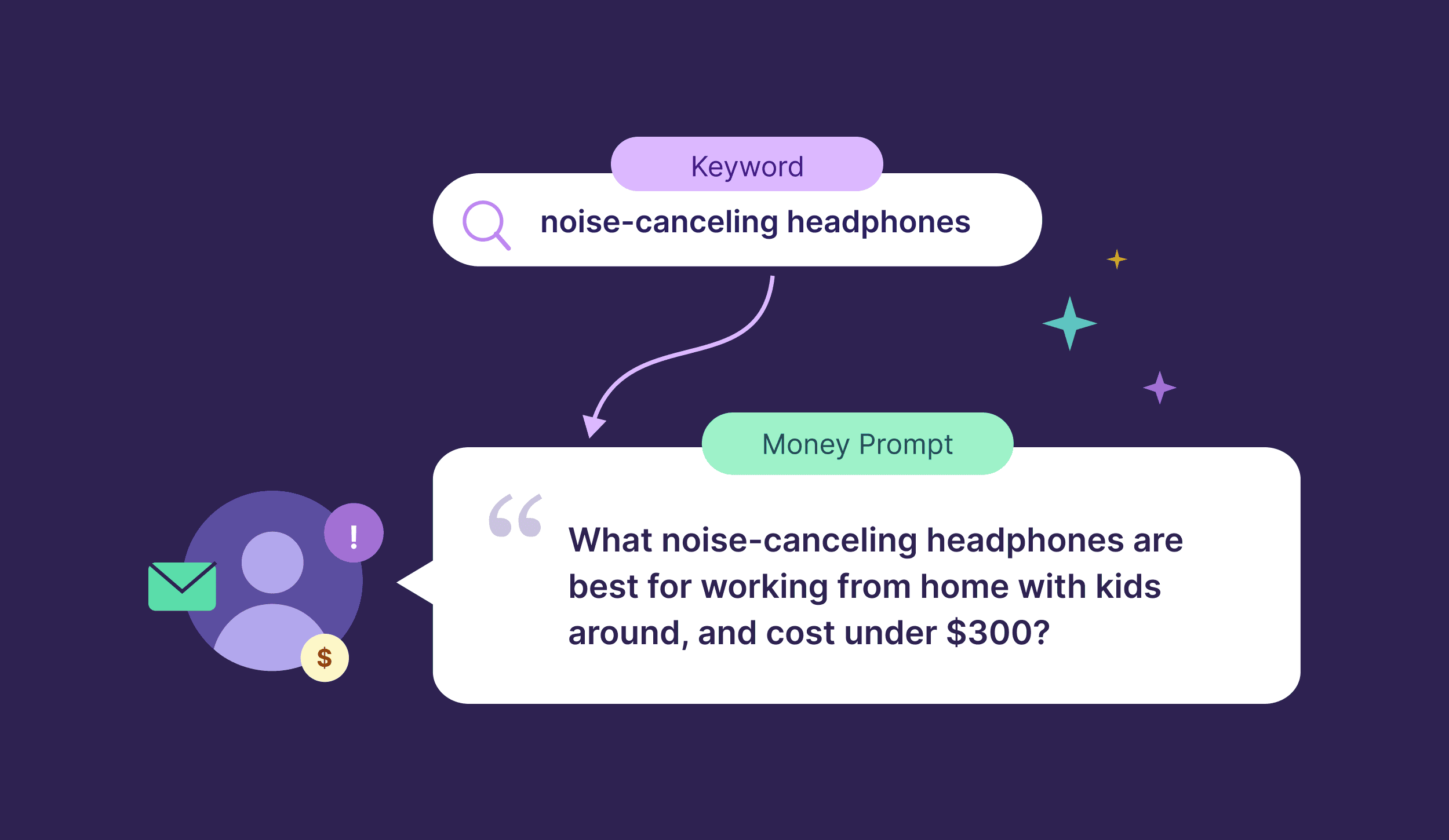
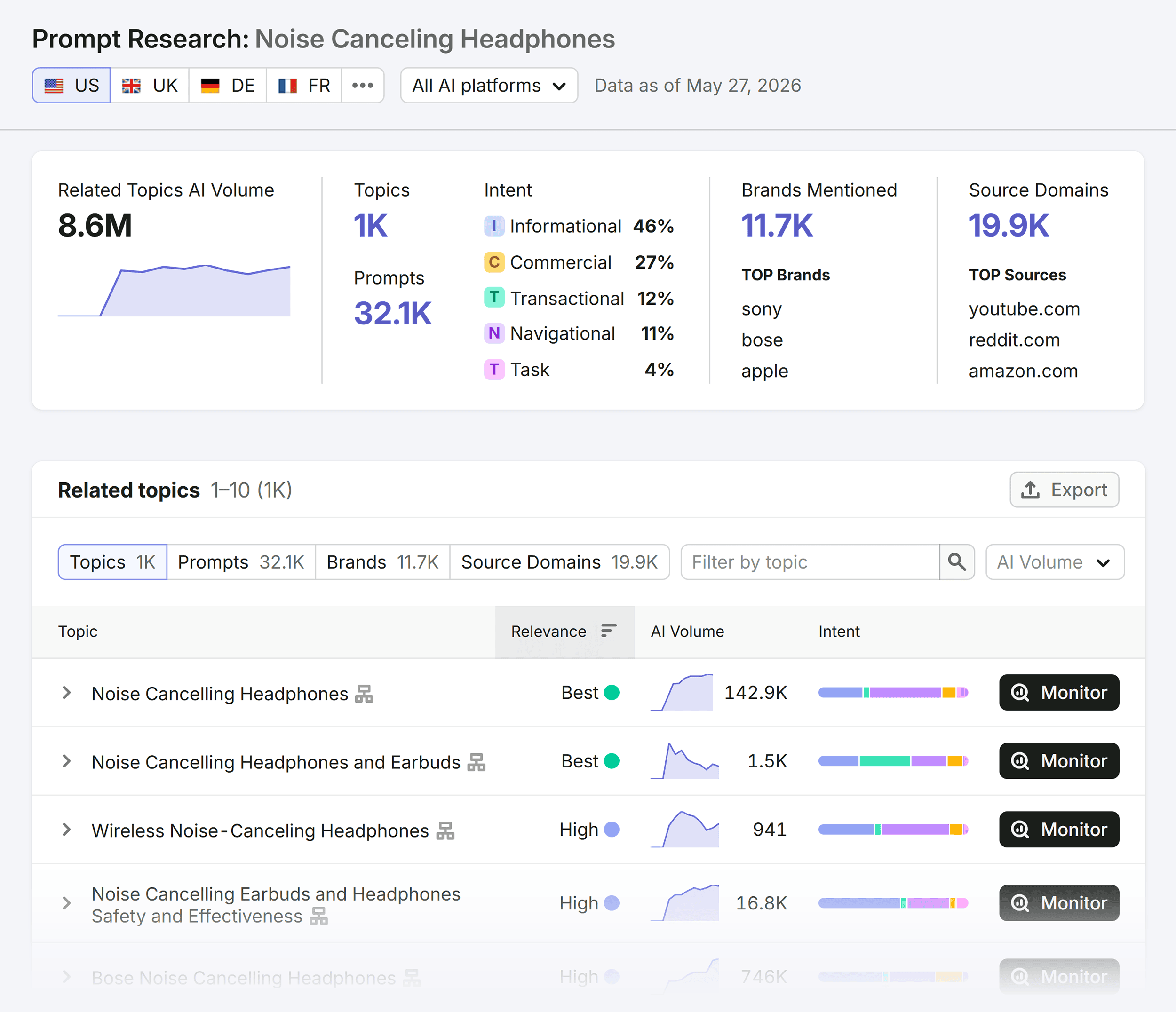
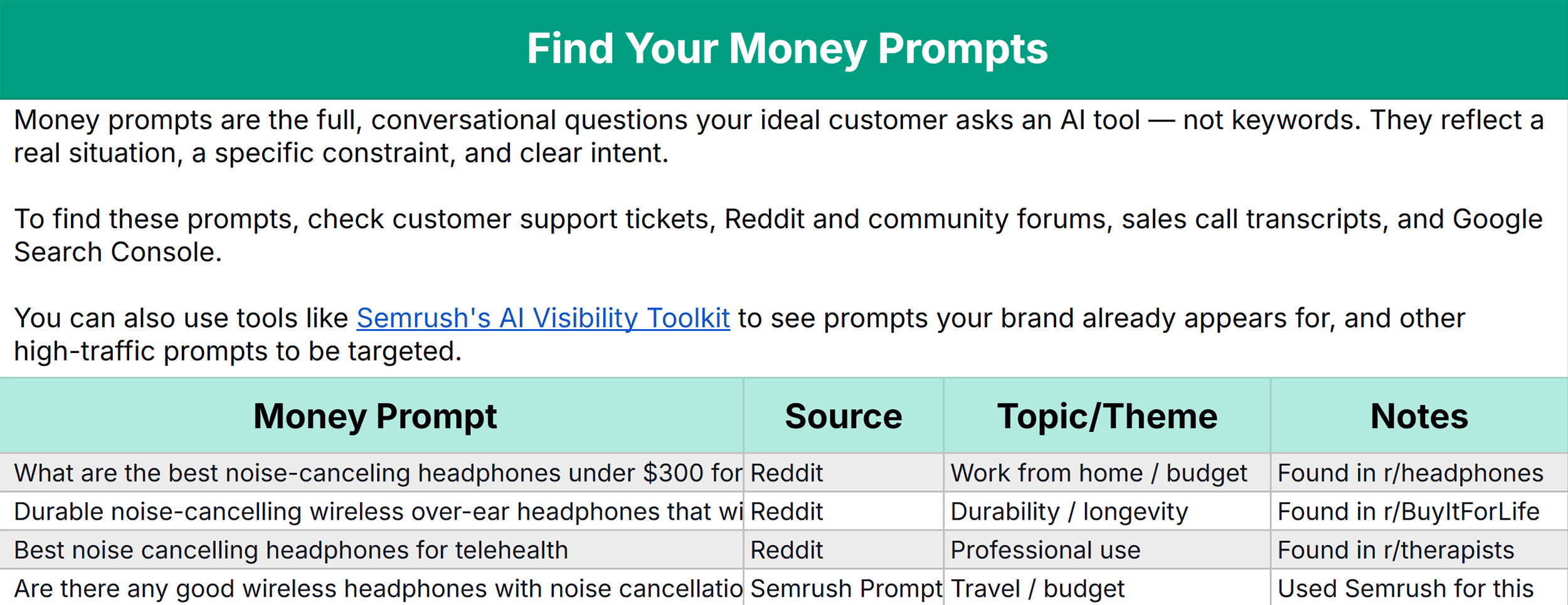
Step 1: Identify "Money Prompts"
Move beyond keywords. Identify the conversational questions your customers ask an AI to solve a problem. For example, instead of targeting "noise-canceling headphones," target: "What noise-canceling headphones are best for working from home with kids, under $300?"
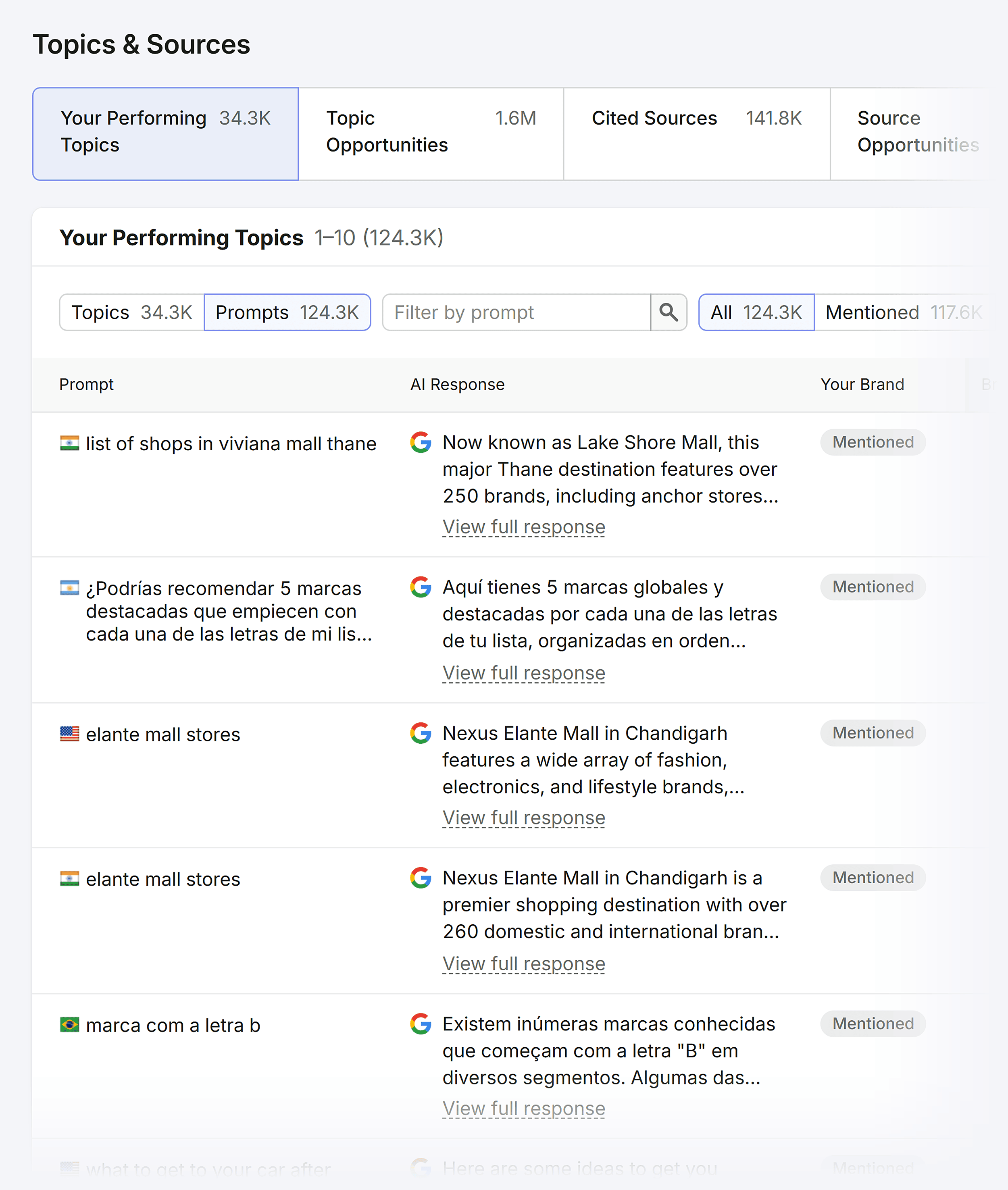
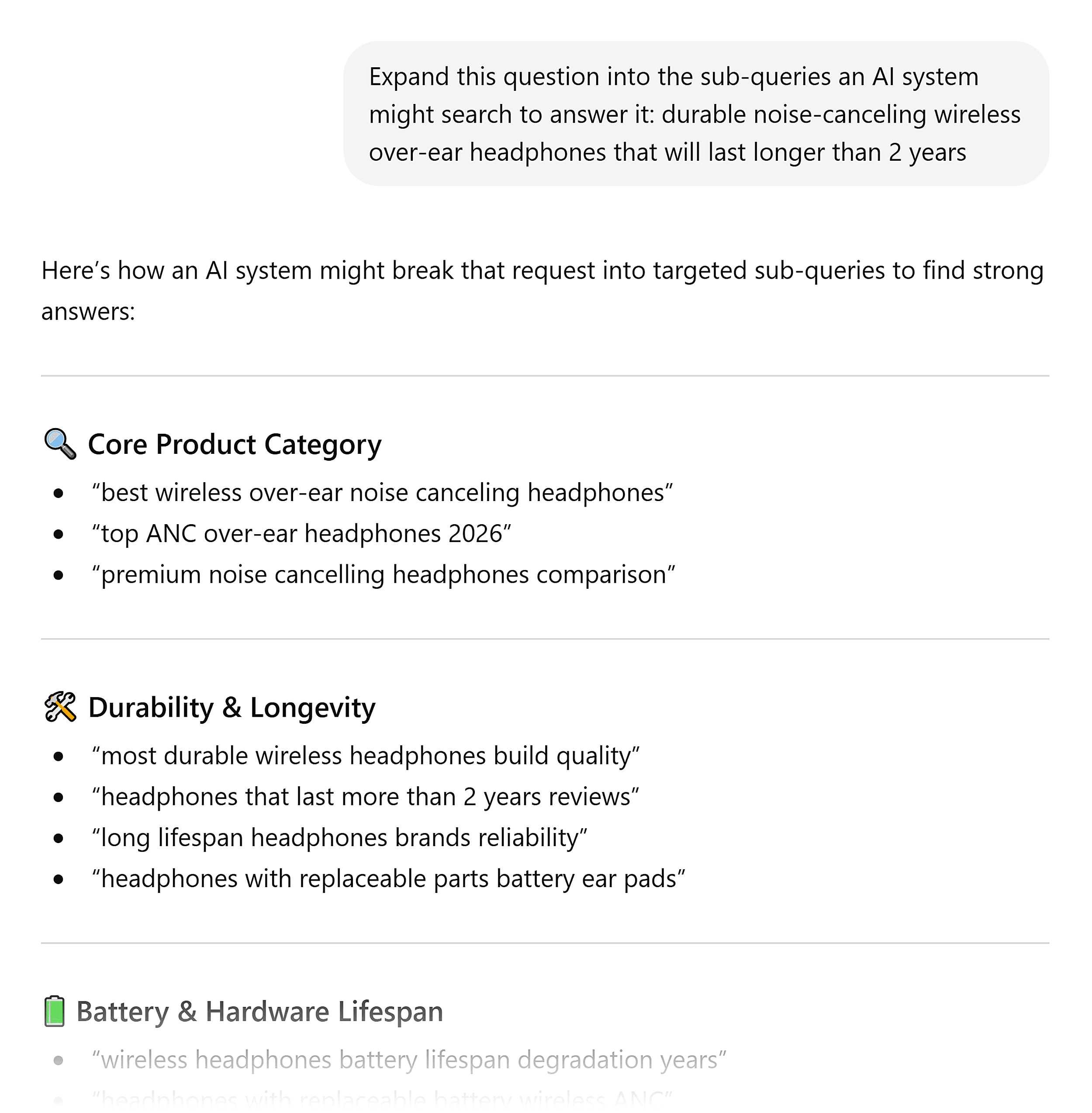
Step 2: Generate Fan-Out Sets
Use AI tools to see how your target prompts are broken down. You can do this manually by asking ChatGPT, "What are the top 10 sub-queries related to [Your Money Prompt]?" or by using specialized browser extensions that capture the sub-queries an AI runs in real-time.
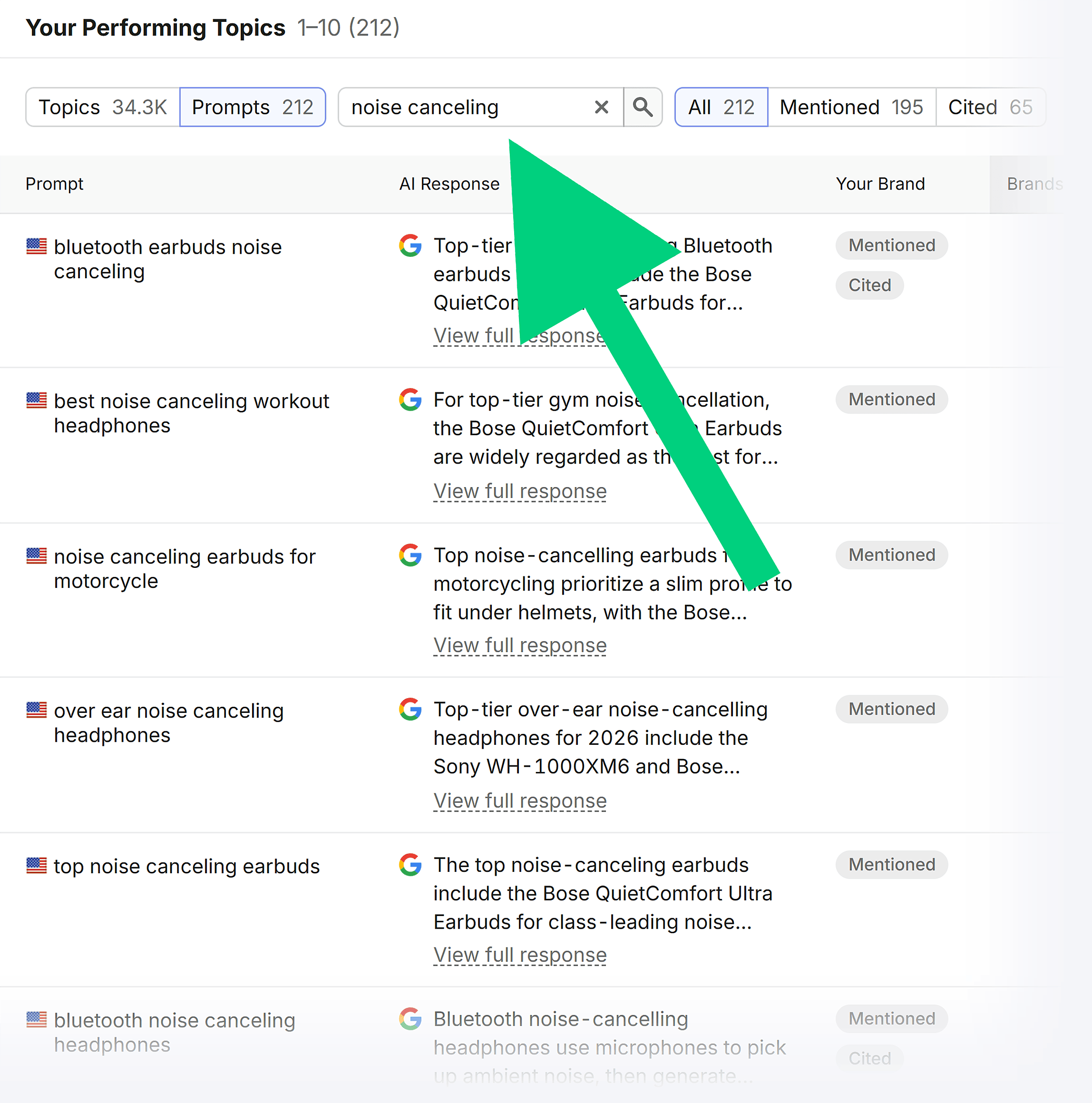
Step 3: Bucket by Intent
Categorize every sub-query into buckets such as Comparison, Troubleshooting, Pricing, or Best-for-X. This tells you what format to build. A "Comparison" bucket requires a table; a "Troubleshooting" bucket requires a step-by-step how-to guide.
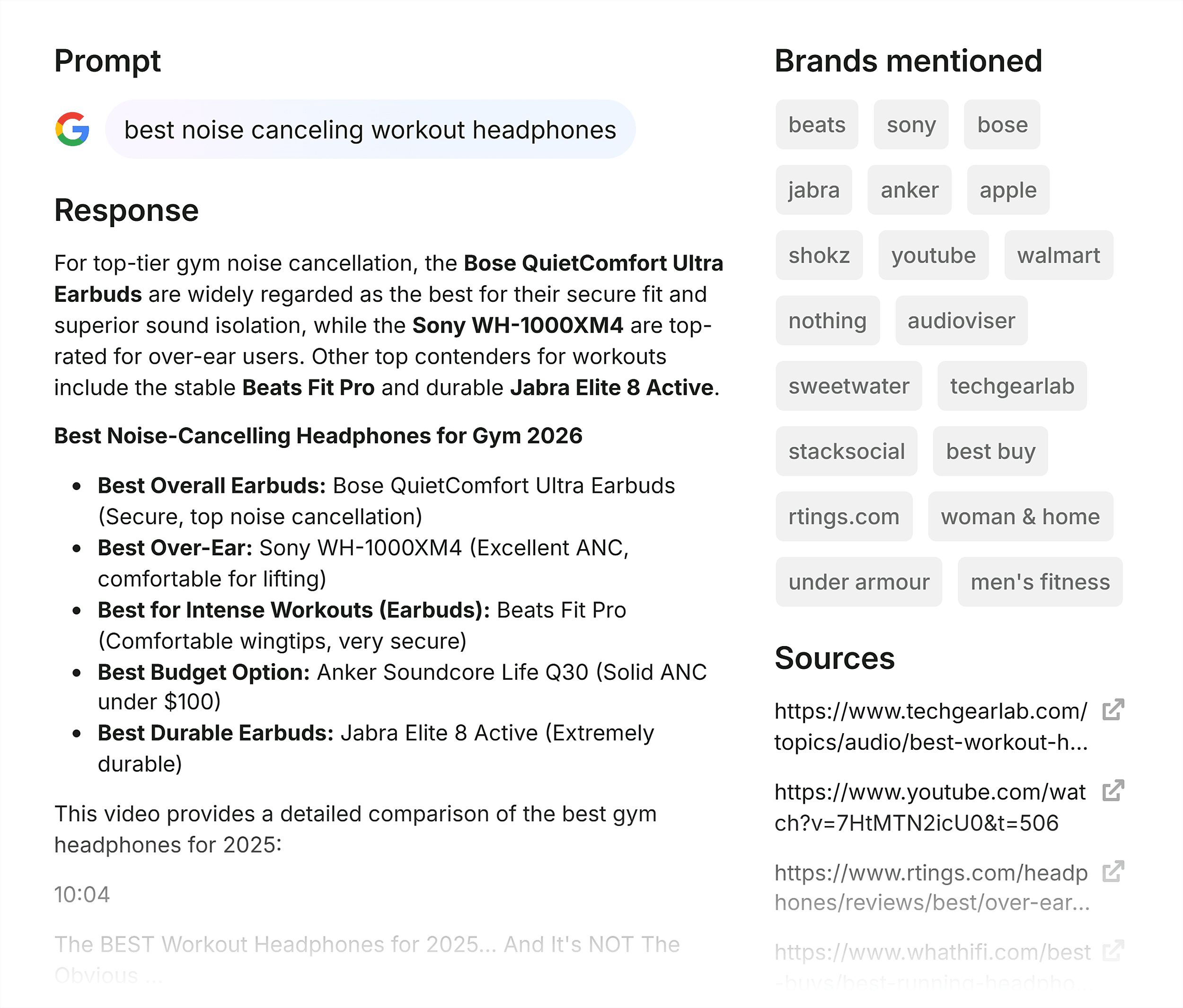
Step 4: Audit Content Gaps
Use site:yourdomain.com [topic] searches to see if you have content covering those specific sub-queries. If you don’t, you have a content gap. If you have "partial coverage," you need to add a dedicated, self-contained section to an existing page that answers that sub-query explicitly.
Step 5: Optimize for Extraction
Structure your content to be "extractor-friendly." Use clear, descriptive subheadings that mimic the questions being asked. If a sub-query is "How long do [Brand] headphones last?", ensure you have an H2 that reads exactly that, followed by a direct answer in the next paragraph.
Step 6: Monitor Performance
Use tools like Semrush’s AI Visibility Toolkit or Prompt Trackers to see if your brand is appearing in the citations for your target money prompts. This is not a "set it and forget it" task; as AI models update, their retrieval patterns change, and your content must be updated to maintain its position.
Conclusion: The New SEO
The era of the "ten blue links" is fading. We have entered the era of the "authoritative source." By understanding and leaning into the query fan-out process, you stop fighting the AI and start providing the exact, structured data it needs to succeed. In doing so, you don’t just secure a link—you become the definitive answer.