
In an era where the traditional office has been replaced by the fluid concept of the "anywhere workplace," a new marketing initiative from Cricket Victoria has sparked a firestorm in the Australian corporate world. The organization’s “Work-from-the-Shield” ticket—a $16 pass offering fans access to a designated function room at Melbourne’s Junction Oval, complete with Wi-Fi and bottomless tea and coffee—was intended to bolster attendance for the Sheffield Shield. Instead, it has become a lightning rod for a much larger, more fractious debate over the boundaries of professional accountability and the future of flexible working laws in Victoria.
Main Facts: The Intersection of Sport and Business
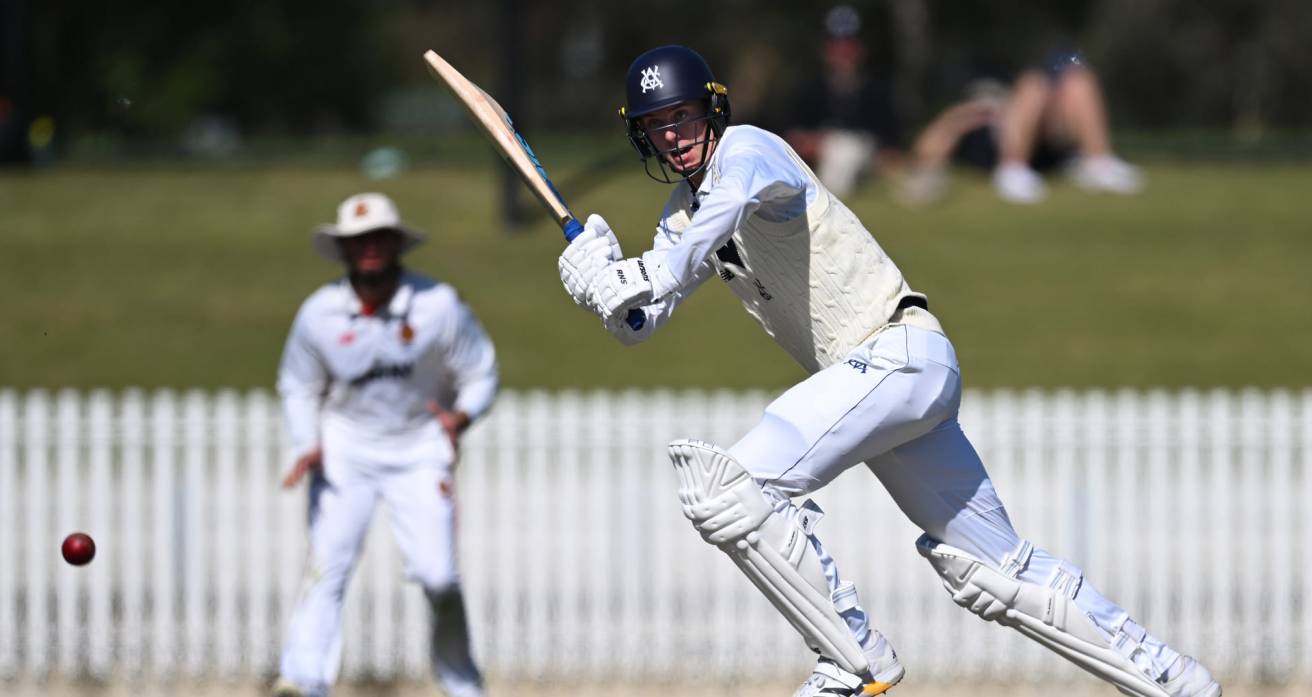
The "Work-from-the-Shield" package is designed to lure remote workers away from their home offices and into the atmosphere of live domestic cricket. By providing the essential infrastructure of a modern workspace—reliable internet and caffeine—Cricket Victoria is positioning the sport as a viable, if unconventional, co-working environment.
At a price point of $16, the offer is a marginal premium over the standard $10 entry fee for a day’s play at the St Kilda-based ground. While the campaign aims to solve the perennial challenge of filling stadiums for domestic red-ball cricket, it has inadvertently waded into the contentious waters of labor relations. For many employers, the initiative represents a blurring of lines that they fear will undermine the legitimacy of legitimate flexible working arrangements.
A Chronology of the Conflict
The tension between the desire for flexibility and the expectation of productivity has been simmering since the post-pandemic shift in working habits.
- September 2026: As the Sheffield Shield season approaches, Cricket Victoria promotes the "Work-from-the-Shield" concept to drive interest in the domestic competition.
- Late September 2026: Legislative debate intensifies in Victoria regarding proposed laws that would grant eligible employees a "right to request" remote work for two days a week.
- Early October 2026: Business groups, including the Australian Industry Group (Ai Group), express growing concern over the culture of "remote work creep," pointing to the Cricket Victoria campaign as a symptomatic example of the misuse of flexibility.
- Mid-October 2026: A parliamentary committee is tasked with reviewing the WFH legislation, with a report due by October 20, setting the stage for a political showdown ahead of the state election.
The Employer Perspective: "A Bouncer to the Opening Batsman"
The criticism from employer groups has been swift and stinging. Tim Piper, the Victorian head of the Ai Group, has been the most vocal opponent of the initiative, framing it as a direct threat to the integrity of the employer-employee contract.
"This one is a bit of a bouncer that’s been provided to an opening batsman, and it should be hit for six, because it’s not a good idea," Piper remarked in a recent interview. His argument rests on the distinction between flexibility and leisure. For Piper and many other industry leaders, "working from home" is a specific contractual arrangement designed to facilitate work-life balance and productivity—not a license to treat sporting events as a secondary office location.
"Working from home doesn’t mean going to the AFL, doesn’t mean going to the cricket, doesn’t mean going to your local sports event," Piper asserted. "It actually means working from home, and that means doing the work that’s expected of you."
Supporting Data: The Productivity vs. Wellbeing Paradox
The debate is underpinned by a complex set of data regarding the efficacy of remote work. Studies conducted by various business schools and HR research firms suggest that while remote work can increase individual output, it often suffers from "proximity bias" and "performance degradation" when the environment is not optimized for professional tasks.
- The Productivity Metric: Employers report that while tasks are generally completed, the collaborative "serendipity" of the office is lost.
- The Attendance Gap: Domestic cricket, particularly the Sheffield Shield, has long struggled with low physical attendance. The "Work-from-the-Shield" initiative is a strategic attempt to leverage the modern remote workforce to solve this, potentially drawing hundreds of additional spectators to Junction Oval over the course of the season.
- The Legislative Context: The proposed Victorian laws, which are currently being scrutinized by a parliamentary committee, seek to formalize the right to work from home. Ai Group and other bodies argue that if such laws are passed, the definition of "home" needs to be strictly maintained to prevent the erosion of professional standards.
Official Responses and Political Stakes
The political climate in Victoria is particularly sensitive to this issue. With a state election looming in November, the government is caught between the desires of a pro-flexibility workforce and the concerns of the business community, which fears that overly broad laws could stifle economic output.
The parliamentary committee’s upcoming report on October 20 will be a crucial document. It is expected to address whether the "right to work from home" should be subject to specific conditions, such as the suitability of the environment and the nature of the tasks performed. If the government sides with employees, it may embolden more organizations to market their services to the remote workforce. If they side with business groups like the Ai Group, we may see a more restrictive definition of "remote work" written into law.
The Implications for Small and Medium Enterprises (SMEs)
For small business owners, the Cricket Victoria offer creates a difficult precedent. SMEs, which often rely on high-intensity output from a smaller pool of employees, are particularly vulnerable to the potential distractions of "work-from-the-stadium" setups.
The core question for business leaders is: where does the employer’s responsibility for the environment end, and the employee’s responsibility for their output begin? If an employee performs their tasks adequately, does it matter if they are sitting in a home office or in a function room at a cricket ground?

Piper’s response is clear: "Employers are happy to be flexible, but what they don’t want to be is taken advantage of. Some of these instances of people working from home from sports events is simply that it takes advantage of the largesse being provided by employers."
Future-Proofing the Workplace
The "Work-from-the-Shield" controversy serves as a microcosm for the broader struggle to define the future of labor. As digital connectivity becomes ubiquitous, the ability to work from anywhere is a technological reality, but it remains a social and cultural friction point.
For Cricket Victoria, the initiative is a necessary marketing pivot in a crowded entertainment market. For the Ai Group, it is a dangerous gimmick that threatens the "social contract" of the workplace.
As we move toward the legislative deadlines of late 2026, the resolution of this debate will likely determine how Australian businesses handle the concept of location-independent work. Whether or not the government eventually enshrines the right to work from home in law, the cultural battle over how and where we work is only just beginning.
Until then, the debate will continue to oscillate between the desire for modern, flexible working conditions and the traditional requirement that an office—whether home-based or corporate—must be a place of focused, dedicated labor. Cricket Victoria’s experiment may have hit a nerve, but it has certainly forced a necessary, if uncomfortable, conversation about the true meaning of the "office" in the 21st century.