In the modern digital ecosystem, corporate social media accounts are facing an identity crisis. As algorithms prioritize authentic, human-centric interaction over polished marketing assets, brands are finding that their most effective marketing team isn’t in the department of communications—it’s in the cubicles, home offices, and breakrooms of their own organization.
Employee advocacy—the practice of empowering staff to promote their employer’s culture, products, and insights on their personal social media channels—has evolved from a "nice-to-have" experiment into a critical pillar of business growth. With research indicating that employee networks are, on average, 10 times larger than their company’s collective follower base, the untapped potential for organic reach is staggering.

The Core Concept: What is Employee Advocacy?
At its simplest, employee advocacy is the mobilization of a company’s internal talent to serve as brand ambassadors. This can manifest organically, as employees share proud moments or industry insights, or through structured, formal programs that provide curated content, strategic guidelines, and digital platforms to streamline the sharing process.
While the practice is most prominent on LinkedIn—a platform boasting over 1 billion members—it is increasingly visible across X, TikTok, and niche industry communities. Unlike influencer marketing, which relies on transactional relationships with external creators, employee advocacy is built on a foundation of genuine connection and professional alignment.

Advocacy vs. The Alternatives
It is vital to distinguish employee advocacy from two other common marketing tactics:
- Influencer Marketing: While influencer marketing is external and usually paid, employee advocacy is internal and rooted in personal experience. Influencers are rented; employees are stakeholders.
- Brand Advocacy: While brand advocacy comes from customers and fans, employee advocacy comes from the "insiders." Employees provide a level of consistency and control that external customer supporters cannot match, humanizing the company in a way that traditional corporate logos never will.
The Chronology of an Advocacy Program: From Vision to Execution
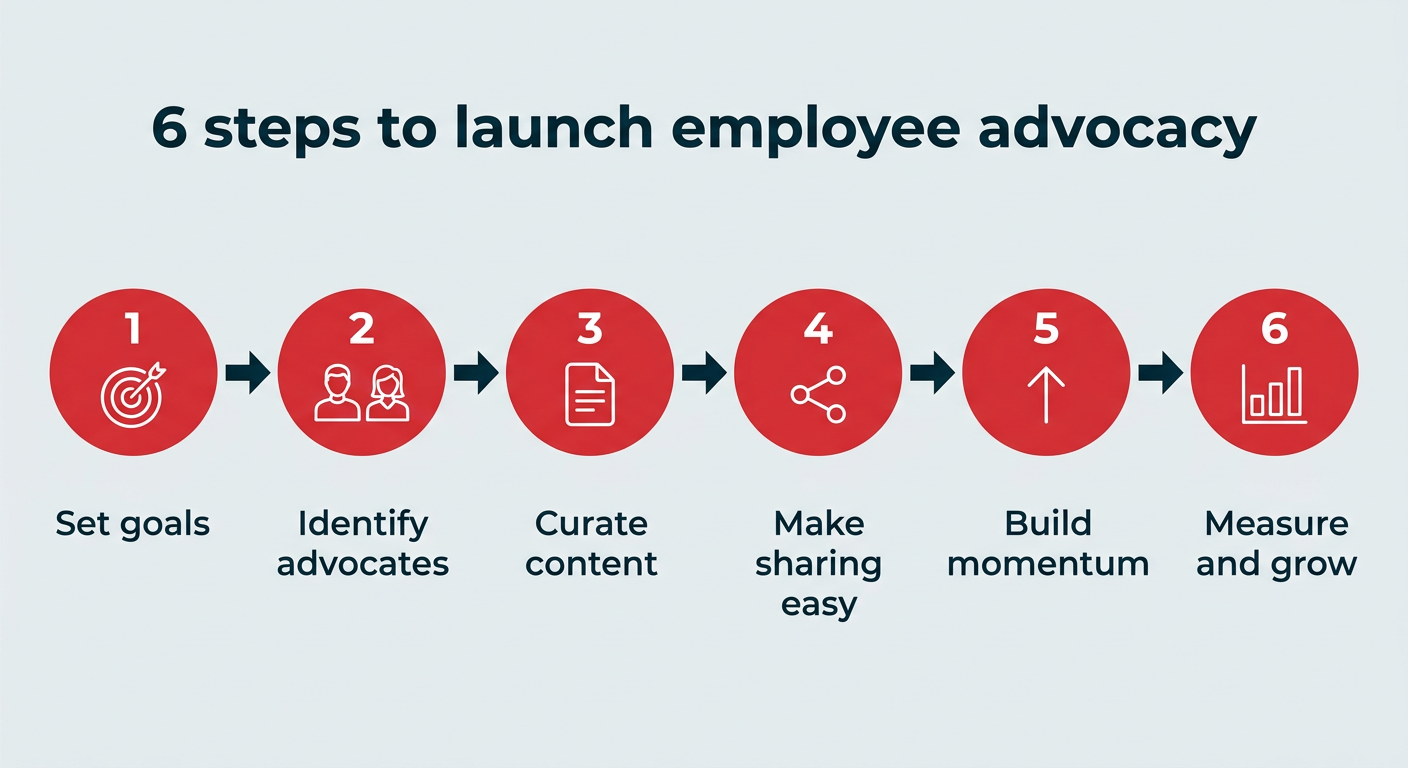
Launching a successful program is not an overnight task; it is a methodical process that requires executive buy-in and a clear operational roadmap.
- Strategic Alignment: The first phase involves defining the "why." Are you looking to improve recruitment, increase brand awareness, or boost thought leadership?
- The "Champions" Phase: Smart organizations start by identifying natural ambassadors—the employees who are already active on social media—to test the messaging and refine the workflow.
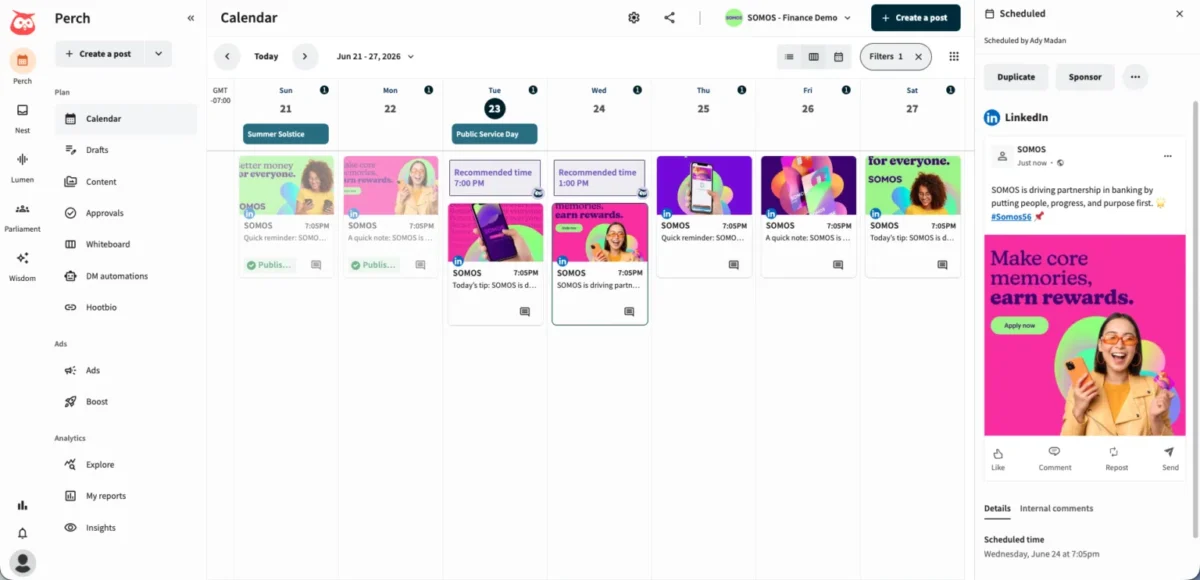
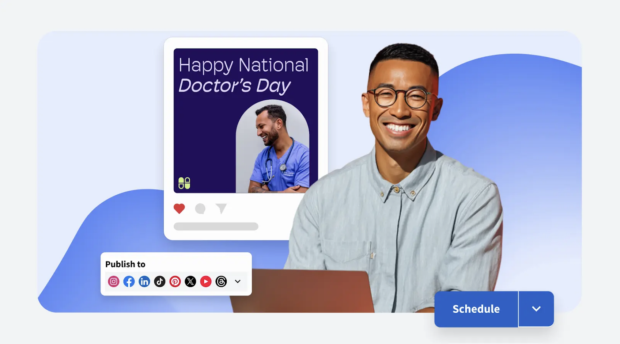
- The Tech Integration: Implementing a centralized hub, such as Hootsuite’s Parliament, allows companies to house approved content in one place, effectively removing the "barrier to entry" for less tech-savvy staff.
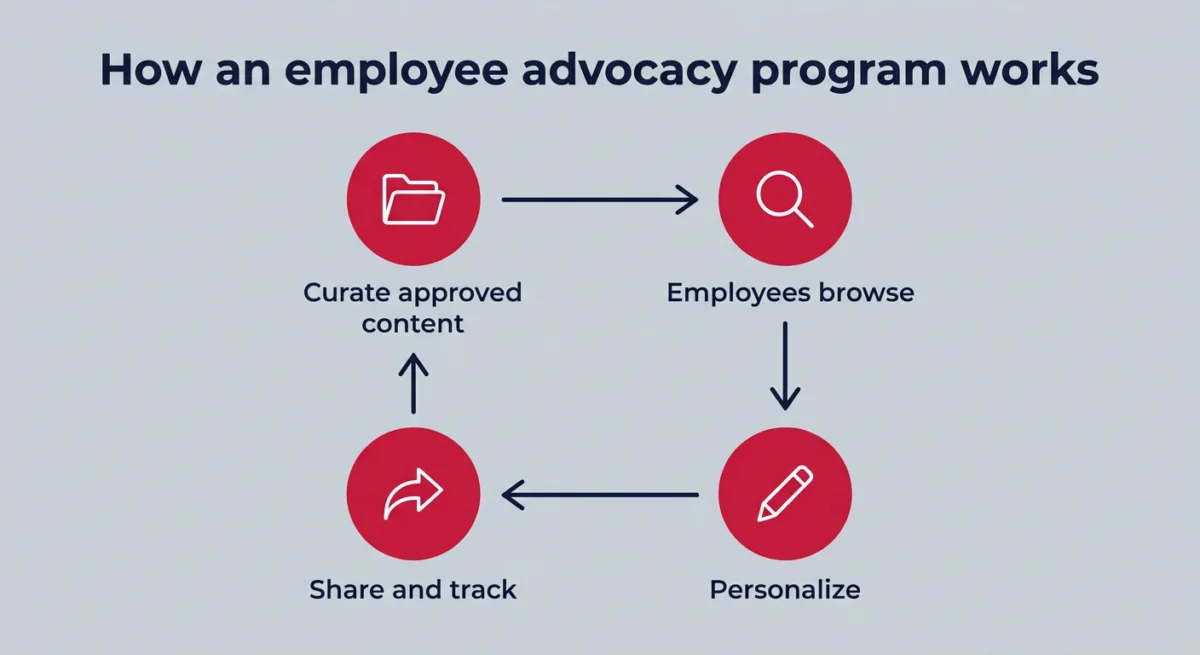
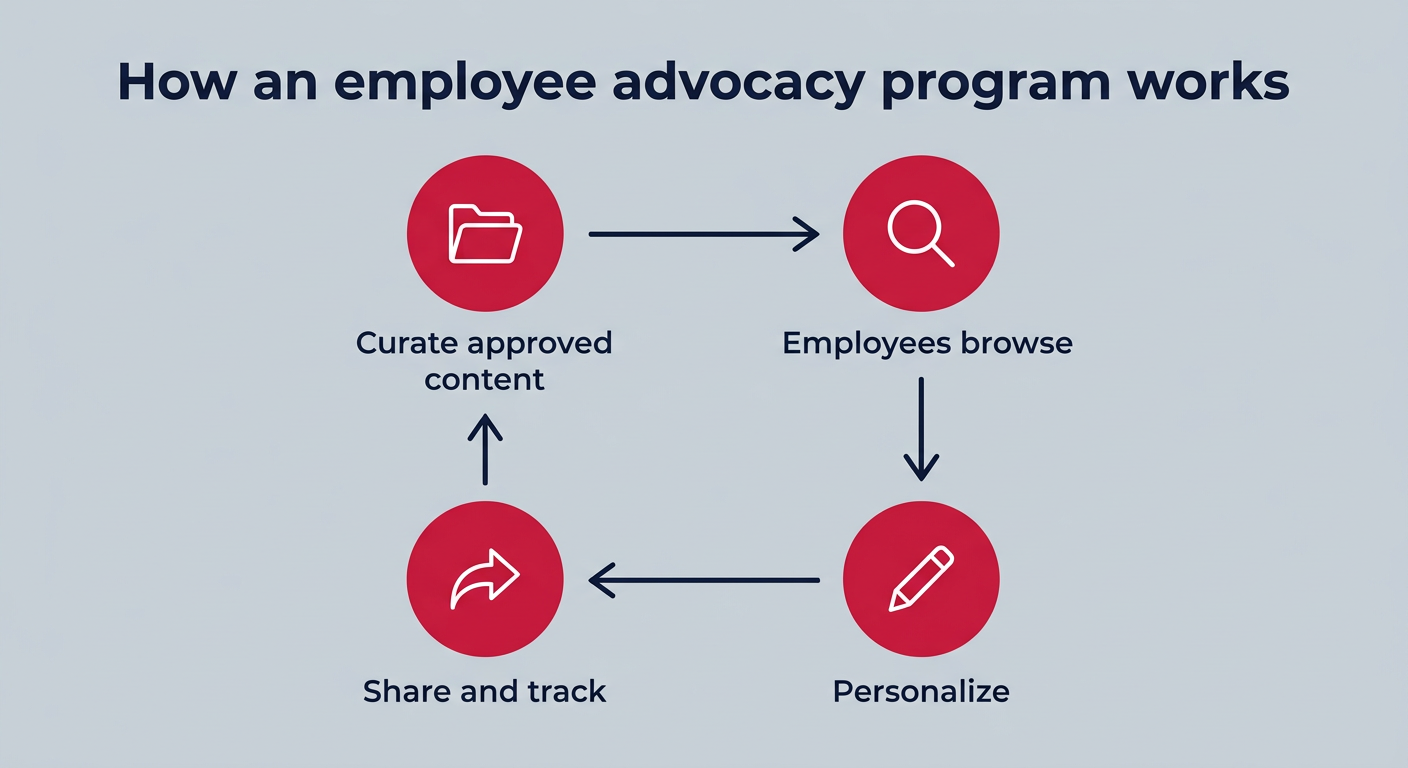
- Operational Rollout: With a platform in place, companies shift from manual, chaotic sharing to a structured loop where content is curated, personalized, and disseminated.
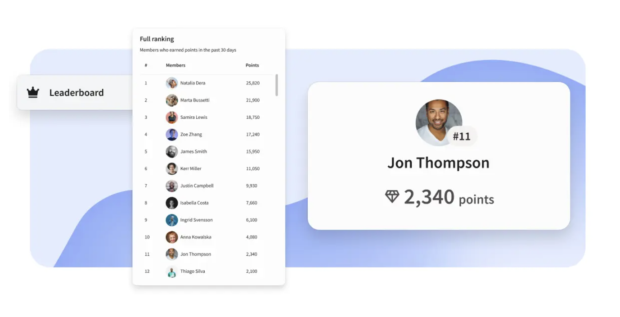
- Scaling and Optimization: As the program matures, organizations move toward performance-based incentives, leaderboards, and gamification to sustain long-term engagement.
Supporting Data: The ROI of Humanizing a Brand
The efficacy of employee-led marketing is backed by significant data. According to the 2026 Edelman Trust Barometer, employees are considered the most trusted institution globally, with a 78% trust rating. When a brand speaks, it is viewed as a commercial message; when an employee speaks, it is viewed as a peer recommendation.
Recent internal data from Hootsuite underscores the impact of these programs:
- Reach Multiplication: The average reach per post by an employee in a managed program exceeds 21,000 impressions, with top-performing content reaching over 200,000 individuals.
- Recruitment Efficiency: Data from firms like DaVita show that structured advocacy can lead to a 136% increase in traffic to career pages, proving that prospective talent values peer testimonials over traditional job descriptions.
- Website Traffic: IT solutions provider Carahsoft utilized advocacy to drive 8,700 unique website visits in a single campaign—visits that would have otherwise required significant paid advertising spend to acquire.
Official Perspectives and Industry Best Practices
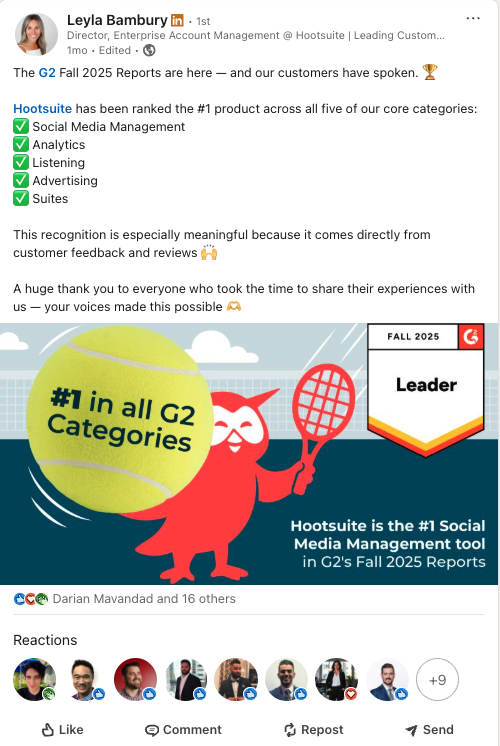
Industry leaders and social strategists emphasize that the key to success lies in the balance between structure and authenticity. Eileen Kwok, a former Social & Influencer Marketing Strategist, notes that the most successful programs avoid "corporate speak."
"Real experiences, expert insights, and innovative approaches are the types of stories people want to see," Kwok explains. "When you provide employees with pre-approved content, ensure there is room for them to add their personal voice. If a post feels like a robotic corporate mandate, the engagement will suffer."
The "Rules of the Road"
Governance is the counterbalance to authenticity. To maintain brand safety, organizations must implement clear guidelines:
- Do: Encourage employees to share their own career milestones, participate in industry discussions, and provide honest, personal takes on company news.
- Don’t: Share confidential client information, engage in inflammatory public debates, or use language that violates company values.
For highly regulated industries, these guidelines must be supported by "governance layers"—digital tools that provide audit trails and role-based permissions to ensure compliance without stifling the creative spirit of the advocates.
The Implications: AI and the Future of Advocacy
As we move deeper into 2026, Artificial Intelligence is fundamentally reshaping the advocacy landscape. The "unglamorous" parts of the job—manually sorting through content or drafting captions—are being automated.
AI orchestration layers, such as Hootsuite’s Wisdom, now allow organizations to surface the most relevant content for specific teams based on regional trends or industry developments. AI is not replacing the human advocate; it is removing the friction that historically kept programs small. By drafting conversational posts that employees can tweak, AI lowers the barrier to entry, allowing even the most time-strapped employees to maintain a consistent online presence.
The Bottom Line: Measuring Success
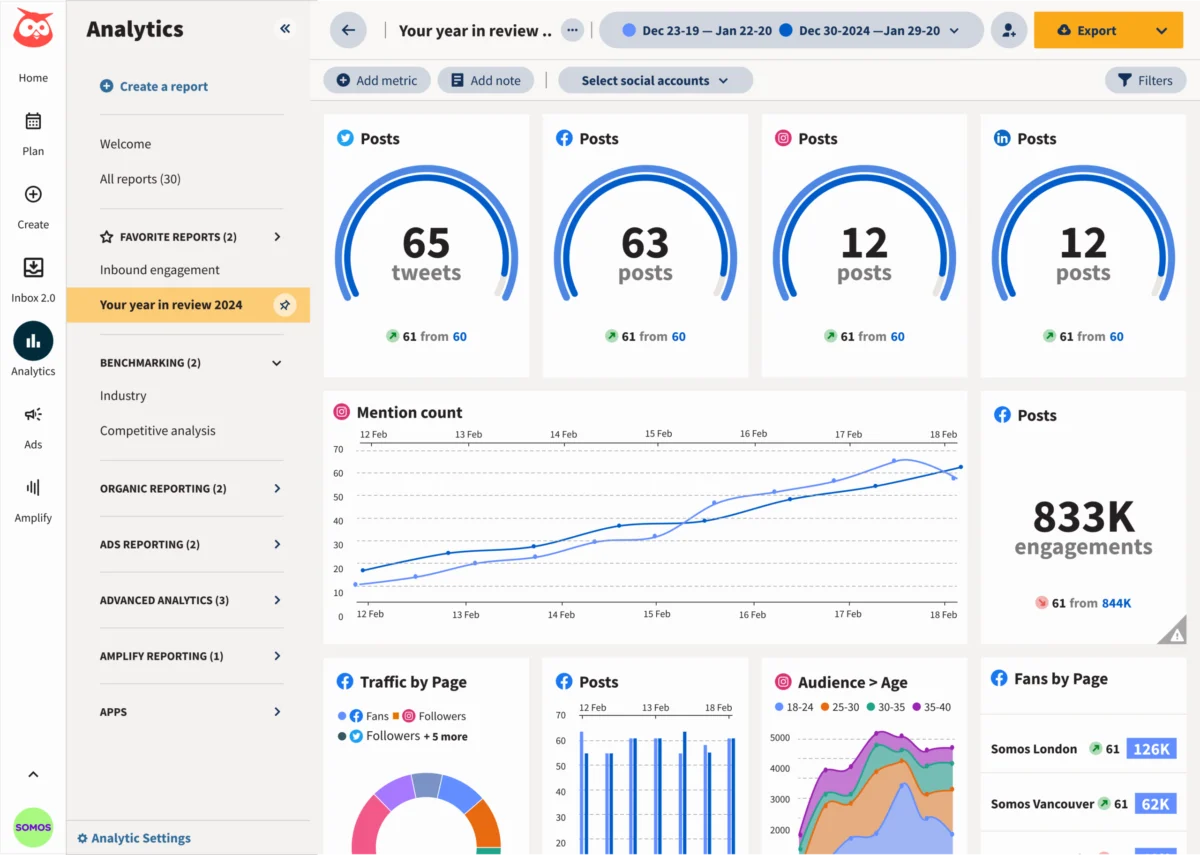
To treat advocacy as a serious business function, leaders must move beyond "vanity metrics" like vanity likes and focus on hard business outcomes:
- Participation Rate: What percentage of your workforce is active?
- Engagement Lift: Does advocacy content generate more comments and meaningful conversations than branded content?
- Recruitment Pipeline: Are referral rates increasing as a result of employee social activity?
- Earned Media Value (EMV): What is the cost-per-thousand (CPM) equivalent of the organic reach generated by employees?
By plugging these numbers into an ROI calculator, companies can finally see that employee advocacy is not just a marketing experiment—it is a measurable, scalable, and highly effective engine for growth.
In an era of skepticism, the most valuable asset a company has is not its logo, its product, or its advertising budget. It is the authentic voice of the people who make the company what it is. Organizations that successfully hand the microphone to their employees will find themselves significantly harder to ignore in an increasingly crowded digital marketplace.