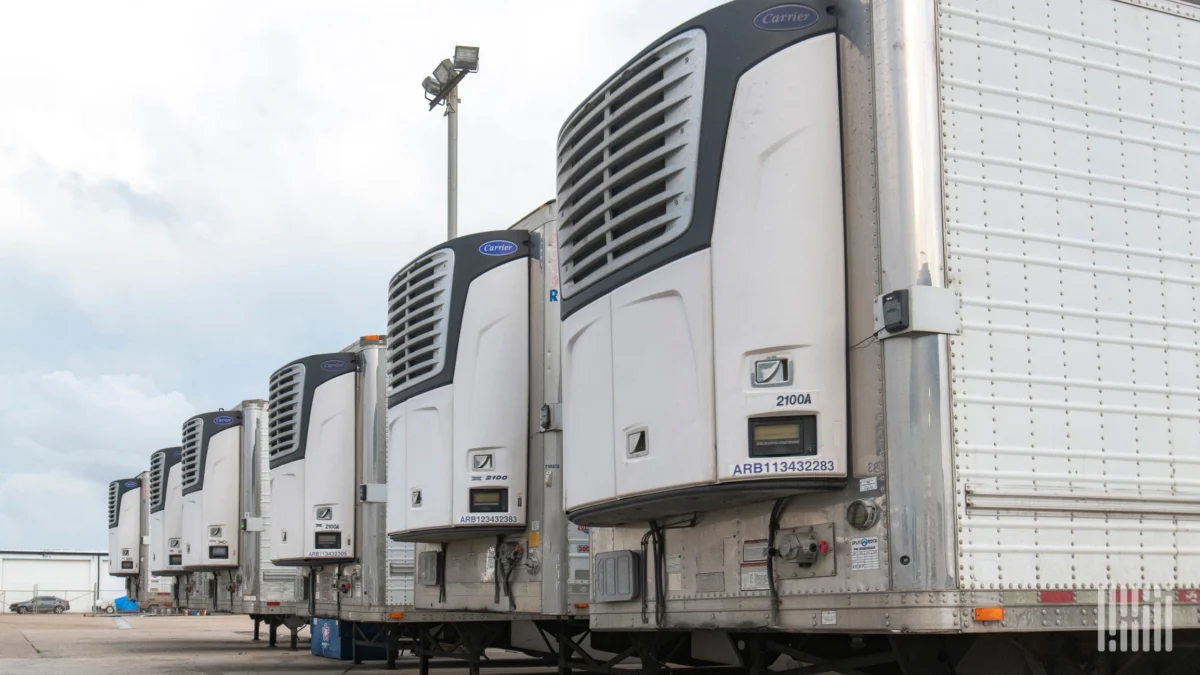
For the modern small carrier, the question of equipment strategy—whether to buy, finance, run power-only, or embrace the on-demand rental model—is frequently mistaken for a simple operational choice. In reality, it is a high-stakes business decision with a rigid cost structure attached to every option. Miscalculating this equation has become one of the quietest yet most financially damaging mistakes a growing fleet can make.
This shifting landscape of fleet management was the central theme of a recent Long Haul conversation recorded at the F3 event in Chattanooga. Matt Harb, Vice President of Product and Operations at the trailer-sharing marketplace Repowr, sat down to unpack why the industry’s traditional obsession with asset ownership is being challenged by a more agile, data-driven approach to capacity.
The Evolution of Equipment Strategy: Main Facts
At the heart of the current shift is the realization that a trailer is not merely a tool; it is a depreciating liability that must be managed with the same scrutiny as a company’s cash flow. For years, the industry standard was binary: you either owned your trailers or you hauled other people’s freight via "power-only" agreements.
Today, that paradigm is fracturing. Platforms like Repowr are introducing a "frictionless" middle ground. Carriers can now secure a trailer for as little as three days or as long as 90, picking up at one location and dropping at another. This allows smaller operators to bypass the massive capital expenditure required for fleet expansion while maintaining the ability to compete with larger carriers for high-value freight. By leveraging data, these platforms ensure carriers are only matched with equipment they are qualified to handle, eliminating the administrative "chasing" that plagues traditional leasing.
Chronology of the Shift: From Growth to Capacity
The trajectory for a scaling fleet often follows a predictable, yet often flawed, path.
Phase 1: The Bootstrapping Era
Initially, many carriers operate with a single truck, focusing entirely on survival. During this phase, capital is scarce. Many start by running power-only, effectively trading the headache of trailer maintenance for a lower per-mile rate.
Phase 2: The "Growth" Trap
As revenue increases, the impulse is to purchase more trucks. However, Harb argues that this is where the strategy often fails. Many operators believe that adding a tractor equates to growth. In reality, without the accompanying trailer capacity, these new tractors are often relegated to lower-paying, less efficient freight.
Phase 3: The Pivot to Flexibility
The most successful modern fleets are those that treat the trailer as an on-demand resource. By utilizing rentals, these companies can test the viability of new lanes or shipper relationships without committing to multi-year leases or the purchase of $55,000 assets. If a lane proves profitable, they scale up. If the volume dissipates, they return the asset, leaving their balance sheet unencumbered by underutilized equipment.
Supporting Data and the "Margin in the Box"
The financial argument for this flexible approach is rooted in the "trailer-to-truck ratio." Harb noted that roughly 50% of all freight in the North American market moves via drop-and-hook operations. A carrier without spare trailers is, by default, excluded from this segment.
When a shipper demands a two-to-one or three-to-one trailer-to-truck ratio, small operators who cannot float that capital are forced to walk away. This is the "margin in the box" principle: the profitability of a shipment is often tied to the efficiency of the drop-and-hook process, not just the tractor.
The math of ownership vs. rental is stark:
- The Cost of Ownership: A used dry van currently costs approximately $35,000, while a new unit can reach $55,000. Beyond the sticker price, owners face insurance premiums, parking costs, maintenance, and the "deadhead" costs of repositioning empty trailers.
- The Rental Alternative: Platforms like Repowr utilize a rolling 30-day billing cycle. For carriers needing quick turnarounds, short-run pricing can drop daily rates to as low as $8 per day in instances where equipment suppliers need to reposition assets. This provides a direct, measurable savings compared to the $500–$600 per-trip cost often associated with traditional loadout services.
Official Responses and Strategic Guidance
During the Long Haul discussion, Harb provided a candid assessment of the risks facing operators today. He emphasized that the "excitement of the next big thing"—such as a shipper promising a lucrative new lane—is the primary driver behind disastrous long-term capital commitments.
"If you have a 15-truck fleet and a shipper dangles a promising lane, don’t sign a three-year lease for reefers," Harb advised. "Rent for three months. Validate that the volume is real, that the rates are sustainable, and that the operational workflow is efficient. Only then should you consider purchasing assets."
Addressing the Security Gap
As the industry moves toward digital marketplaces, the threat of fraud has grown. Harb addressed the rise of sophisticated trailer-rental scams that target owner-operators. He advised that if a deal looks too good to be true—such as a three-month rental for $180—it is almost certainly a fraudulent listing designed to harvest deposits.
Best practices for verification include:
- Direct Contact: Always pick up the phone and speak to a representative of the company.
- Verify Branding: Be wary of sites that "spoof" legitimate company logos or web designs.
- Standardized Processes: Use platforms that have integrated, automated verification of DOT numbers and insurance certificates. Repowr, for example, requires three months of active revenue history to ensure that users are legitimate operators, a move that protects the equipment owners and maintains the integrity of the marketplace.
Implications for the Future of Freight
The implications of this shift are profound. For the small carrier, the "math" of the business has changed. It is no longer just about the tractor; it is about the agility of the entire asset portfolio.
1. Competitive Advantage
The ability to access trailers on-demand allows smaller carriers to act like larger ones. By "renting into" a capacity requirement, a carrier can accept larger, more complex contracts that were previously reserved for mega-fleets.
2. Operational Efficiency
By avoiding the "regional lock-in" typical of power-only work, carriers can maintain higher levels of lane optimization. When you aren’t tied to a specific piece of equipment that must be returned to a specific hub, you are free to chase the highest-paying freight on the board.
3. Financial Resilience
The greatest danger to a growing fleet is the "sunk cost" trap. By treating trailers as a variable cost rather than a fixed asset, companies can weather market downturns far more effectively. When freight volumes drop, a fleet with rented trailers can simply return the units, immediately reducing overhead. A fleet that owns its trailers, however, remains burdened by those assets regardless of whether they are generating revenue.
4. The Future of Scaling
Harb’s perspective suggests that we are moving toward an era of "modular fleet management." The successful carrier of the future will be defined not by how many assets they own, but by how effectively they can source, manage, and discard capacity as the market demands.
Ultimately, the lesson from Chattanooga is clear: the transition from a small operator to a sustainable, growing business requires a fundamental change in mindset. It is a shift from an asset-heavy, static model to an asset-light, dynamic one. For those who can master this balance, the ability to scale without the weight of depreciating equipment provides a competitive edge that is becoming the new standard in the industry. As the market continues to favor speed and flexibility, the trailer-sharing economy is no longer a niche solution; it is a critical component of the modern logistics strategy.