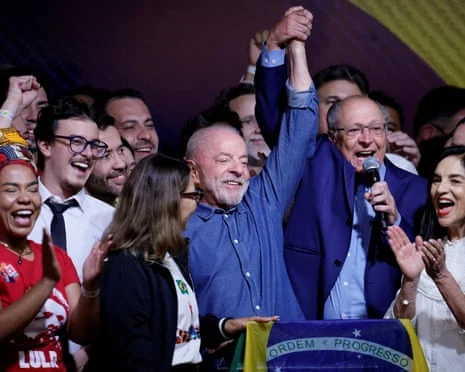
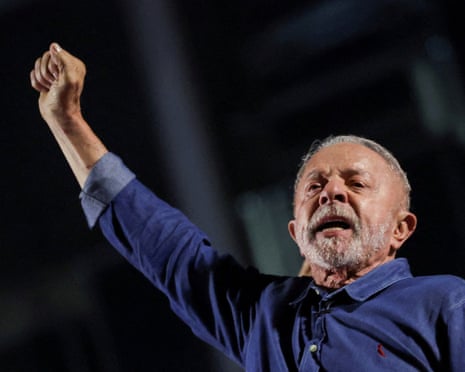
In a stunning reversal that has rewritten the political rulebook of Latin America, Luiz Inácio Lula da Silva has secured a historic fourth presidential term. After trailing his far-right challenger, Flávio Bolsonaro, in the first round of voting, the veteran leftist leader orchestrated a campaign surge that culminated in a narrow but decisive victory. With 51.79% of the vote to Bolsonaro’s 48.21%, Lula has cemented his legacy as Brazil’s longest-serving leader, though he now inherits a nation deeply scarred by ideological polarization, economic fragility, and the lingering shadow of his predecessor’s political movement.

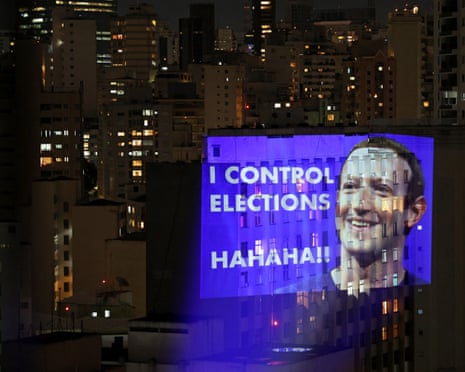
The election, which gripped the world’s attention, was as contentious as it was consequential. The final result was not declared until late in the evening, following a decision by a supreme court judge to extend polling hours by two hours—a move that proved pivotal. The campaign period was marked by intense accusations from the Lula camp regarding the deliberate sabotage of public transportation systems, which they claimed were designed to suppress turnout in opposition-leaning districts. This election stands as a unique watershed moment in Brazilian history: never before has a candidate who trailed in the initial round managed to overcome that deficit to claim the presidency.
A Legacy of Resistance and Rejection
The defeat of Flávio Bolsonaro—son of the former president Jair Bolsonaro, who is currently serving a 27-year prison sentence for his role in the 2023 attempted coup—serves as a firm rejection of the extreme right-wing project that dominated Brazilian politics for the previous four years. Despite the defeat, the younger Bolsonaro has echoed his father’s rhetoric from 2022, refusing to concede and labeling the electoral process “sacanagem,” a crude Portuguese term denoting a fraudulent, dishonorable scheme.
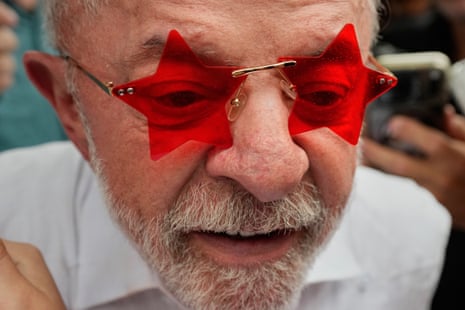
However, the path forward for the octogenarian president is anything but smooth. Lula must navigate a hostile Congress dominated by entrenched Bolsonaro allies, significantly limiting his capacity to push through sweeping legislative reforms. Beyond the political gridlock, he faces a daunting economic reality characterized by ballooning national debt and deep-seated structural inequality. At 81, the fundamental question remains: does Lula possess the political capital and the physical stamina to neutralize the far-right opposition while simultaneously grooming a successor who can prevent the return of populist extremism?
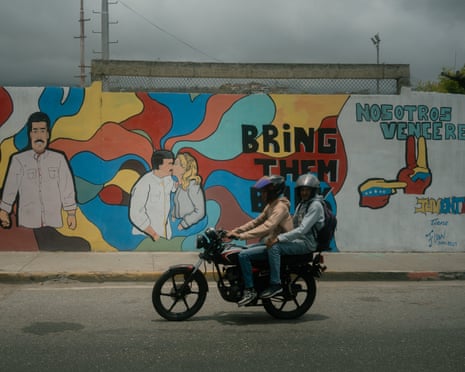
The Anatomy of the Fightback: A Chronology of the 2026 Runoff
The trajectory of the 2026 election cycle can be divided into three distinct phases: the initial shock of the first-round results, the strategic mobilization of the "Lula Army," and the final, high-stakes showdown.
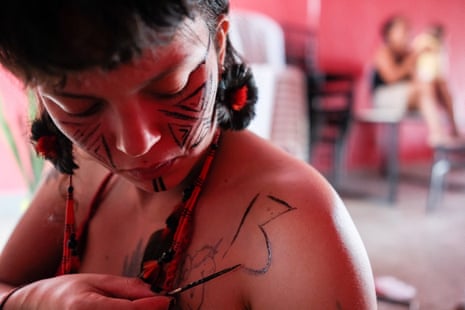
- The Initial Setback: Early polling indicated that Flávio Bolsonaro, riding the wave of his father’s populist base, had successfully capitalized on concerns over public security and inflation, leading the first round of the election.
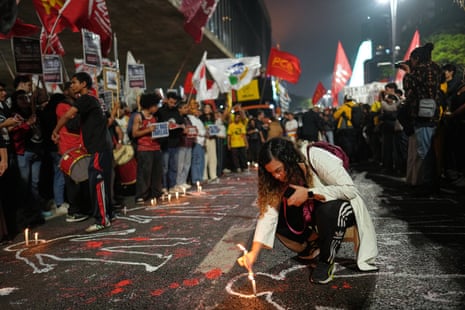
- The Mobilization Phase: Following the first-round result, a massive, grassroots-led movement—the “Lula Army”—emerged. Utilizing platforms like WhatsApp, the campaign successfully mobilized 10 million members to engage in door-to-door campaigning and digital advocacy. Simultaneously, student-led protests, which ignited in Niterói and spread across the nation, provided a momentum that traditional political machines could not match.
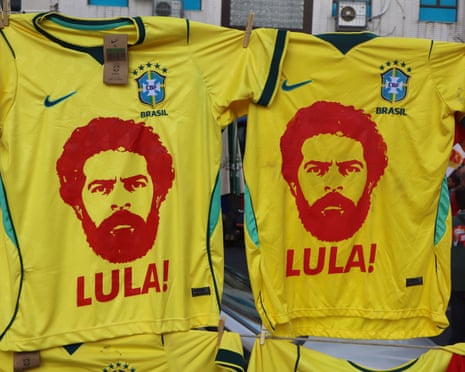
- The Final Push: In the final week, the focus shifted to the "Yellow Shirt" reclamation. Progressives began wearing the Brazilian national football jersey—previously monopolized by the right as a symbol of patriotism—to neutralize the far-right’s aesthetic monopoly. This, combined with a late-stage surge in support from female voters (who favored Lula 55% to 45%), tipped the scales in the final hours of the runoff.
Data and Demographics: The Voter Divide
The demographic breakdown of the vote reveals a country divided along stark lines. Gender was a significant factor; while men favored Bolsonaro (56% to 44%), the female electorate, which comprises 53% of the total, acted as the decisive firewall for the left.
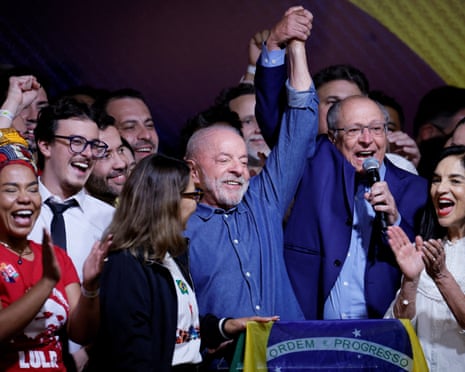
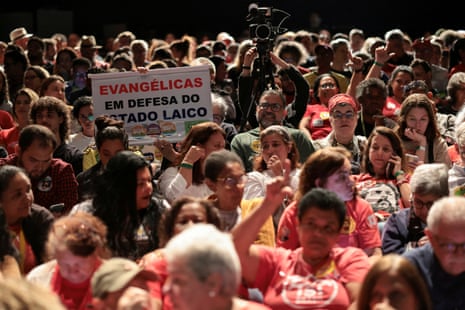
The role of evangelical Christians also became a critical point of analysis. As a movement, they have grown to represent nearly 30% of the population, largely due to their penetration into neglected communities such as Rio’s favelas. By offering "prosperity theology" and immediate spiritual and social support where the state had failed, these churches became massive hubs of influence. On the eve of the second round, 73% of evangelical voters signaled their intent to vote for Bolsonaro, creating a significant hurdle that the Lula campaign struggled to clear.
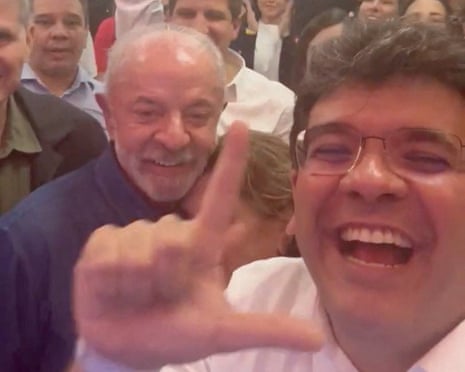
Economically, the market response was immediate and negative. The Brazilian stock market dipped sharply following the results, reflecting investor anxiety over what they perceived as a return to unsustainable public spending. However, analysts suggest that if Lula appoints market-friendly figures—such as the centrist vice-president Geraldo Alckmin or the fiscally conservative governor of Piauí, Rafael Fonteles—as his finance minister, the markets are likely to stabilize.
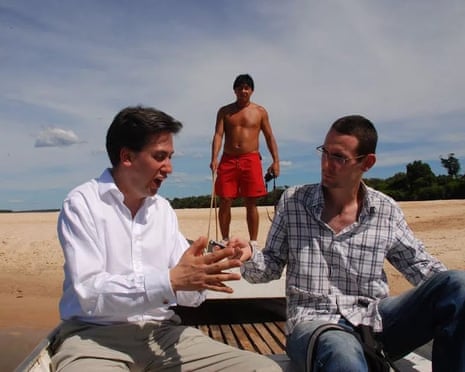
International Implications and US Relations
The victory of Lula has sent tremors through the regional landscape of Latin America. While neighboring leaders have mostly acknowledged the result, the relationship with Argentina’s firebrand president, Javier Milei, is expected to be frosty at best. Analysts note that Milei, who sought to position Buenos Aires as a "MAGA mecca," has likely lost his most powerful regional ally in the form of a potential Bolsonaro presidency.
The relationship with the United States also remains in a state of flux. The campaign was defined by accusations of US-era interference, particularly regarding the Trump administration’s alleged involvement in the Brazilian political climate. Correspondents have reported on the revocation of visas for key ministers and the sanctioning of supreme court judges, echoing Cold War-era tactics that contributed to the 1964 military coup.
On the issue of the Ukraine war, however, no major shift in policy is anticipated. Lula’s administration remains tied to Russia through a critical dependency on imported fertilizers and diesel, and he has consistently maintained that diplomatic engagement, rather than condemnation, is the only path toward ending the conflict.
The Road Ahead: Challenges and Priorities
Lula’s fourth term faces three primary existential threats:
- Public Security: The right has successfully weaponized the issue of violence. While Lula has promised a new ministry of public security and a move toward lowering the age of criminal responsibility to 16, he must thread a fine line between addressing the public’s fear and avoiding the "shoot-first" authoritarian tactics that have fueled police brutality in cities like Rio.
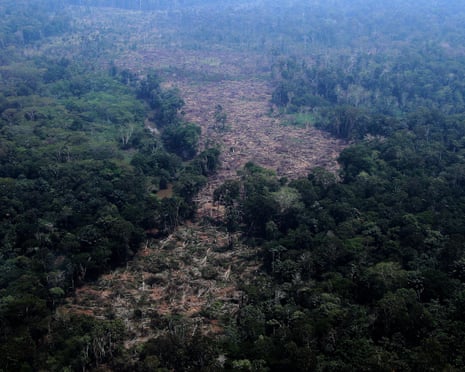
- Environmental Stewardship: Under the guidance of former environment minister Marina Silva, the government aims to continue the historic reduction in deforestation. However, with 64 of the 81 senators and 345 of the 513 lower house lawmakers currently leaning toward anti-environmental agendas, the legislative path to protecting the Amazon and the Cerrado savannah will be fraught with difficulty.
- The Succession Question: Perhaps the most vital challenge is the grooming of a successor. Names like Guilherme Boulos, the charismatic Minister of the General Secretariat, and the aforementioned Rafael Fonteles are being floated as potential heirs to the PT’s legacy.
Conclusion: A Delicate Equilibrium
Lula’s win is a testament to the resilience of a political movement that refused to be written off. Yet, the victory is not an erasure of the challenges that allowed the far right to rise in the first place. The Bolsonaro clan, despite their legal troubles and the potential exile of the younger Flávio, retains deep, systemic roots in the Brazilian legislature and state governorships.
As Brazil looks toward the next four years, the success of the new government will not be measured by the margin of victory, but by its ability to address the material concerns of a population exhausted by economic instability and urban violence. If the left is to survive beyond the Lula era, it must prove that it can deliver safety and prosperity without sacrificing the democratic values that the President has so fiercely championed throughout his career. The world is watching to see if Brazil can indeed be a "democracy always," or if this victory is merely a pause in a much longer, more turbulent battle for the soul of South America’s largest nation.