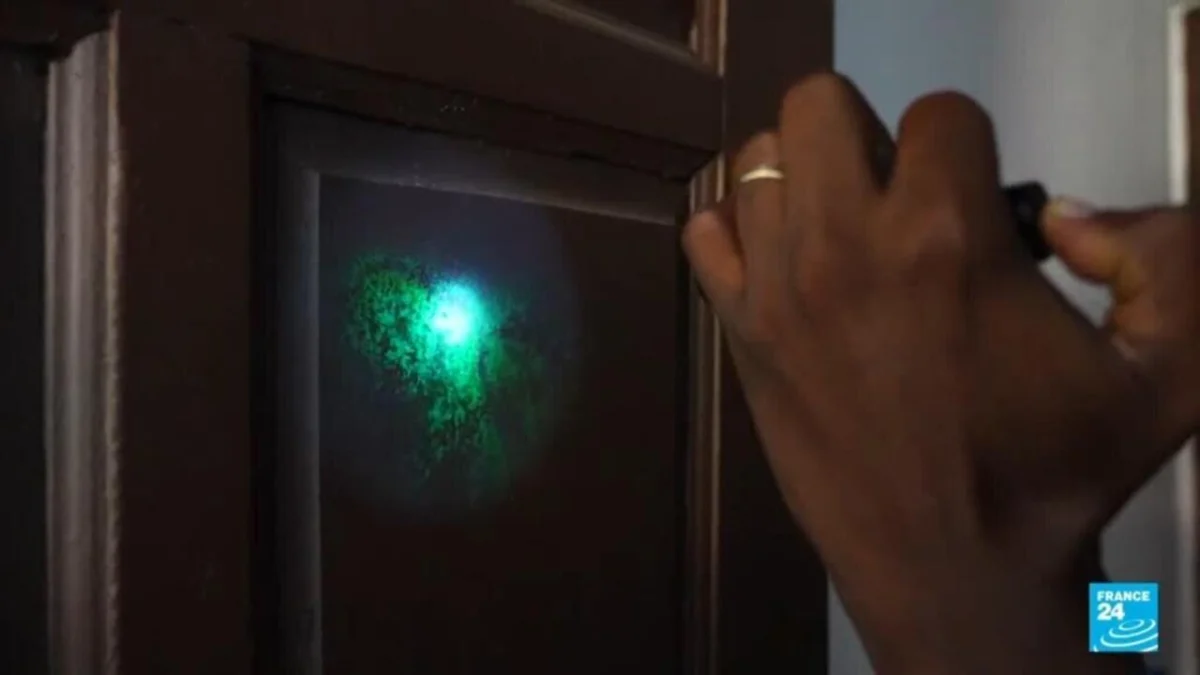
ABIDJAN – In the bustling markets and rapidly expanding suburbs of Ivory Coast, a hidden environmental and public health crisis is unfolding. Beneath the vibrant colors of freshly painted schools, homes, and playgrounds lies a toxic legacy: lead-based paint. As the nation undergoes a period of significant urban development, public health experts are raising the alarm over the severe, long-term neurological and physical risks posed to the country’s most vulnerable population—its children.
Main Facts: The Invisible Threat in Our Homes
Lead, a highly toxic heavy metal, has historically been used in decorative paints to provide durability, corrosion resistance, and bright pigmentation. While many developed nations phased out lead additives decades ago, they remain a pervasive issue in many parts of the developing world, including Ivory Coast.
When lead-based paint chips, peels, or is sanded during renovations, it turns into dust that is easily inhaled or ingested by children. Because their bodies are still developing, children absorb lead at a much higher rate than adults. Exposure to even small amounts can result in irreversible brain damage, developmental delays, learning disabilities, and behavioral problems. At higher concentrations, it can lead to seizures, coma, and even death.
In the Ivorian context, the lack of stringent regulatory oversight and the prevalence of low-cost, imported paints have created a market where toxic products are often indistinguishable from their safer counterparts. The result is an invisible public health burden that disproportionately affects families living in high-density, low-income areas where lead-contaminated dust and deteriorating paint surfaces are commonplace.
A Chronology of Concern: From Oversight to Action
The realization that lead paint constitutes a major health hazard in West Africa did not happen overnight. The following timeline illustrates the shifting landscape of this issue:
- Early 2000s: Global health organizations, including the World Health Organization (WHO), begin identifying lead paint as a "forgotten" public health disaster in the Global South.
- 2015-2018: Preliminary studies conducted by non-governmental organizations in Abidjan reveal that a significant percentage of household paints sold in local hardware stores contain lead concentrations well above the international limit of 90 parts per million (ppm).
- 2020-2022: Increased pressure from environmental activists leads to the formation of a cross-ministerial task force in Ivory Coast aimed at assessing the chemical safety of imported construction materials.
- 2024: The Ivorian government initiates a pilot program to test paint samples from major industrial zones, confirming that while some premium brands have shifted to lead-free formulas, cheaper, unregulated alternatives continue to flood the market.
- October 2026: Public awareness campaigns, supported by international health bodies, reach a crescendo as new evidence highlights the link between lead-laden environments and developmental health outcomes in primary school children in urban centers.
Supporting Data: The Scale of the Crisis
The data surrounding the use of lead in paints in West Africa is sobering. According to recent research conducted by the Global Alliance to Eliminate Lead Paint, nearly 70% of paints sampled in certain segments of the Ivorian market contained lead levels exceeding recommended safety thresholds.
Key Metrics:
- The 90 ppm Threshold: The international standard for lead in paint is 90 parts per million. In some samples tested in Abidjan, researchers found lead levels exceeding 10,000 ppm—a concentration more than 100 times the safe limit.
- Vulnerability Index: Children under the age of six are at the highest risk. Data indicates that in districts with high industrial activity and older housing, blood lead levels among children are significantly elevated compared to the national average.
- Economic Burden: Beyond the human cost, the economic impact is profound. The Institute for Health Metrics and Evaluation (IHME) estimates that lead exposure in developing countries costs billions in lost economic productivity due to the long-term impacts on IQ and cognitive development.
Official Responses: Moving Toward Regulation
The Ivorian government, in partnership with international bodies like the United Nations Environment Programme (UNEP), has begun taking concrete steps toward legislative reform.
Current Government Initiatives
The Ministry of Environment and the Ministry of Health have recently signaled their intent to draft mandatory national standards for the manufacturing and importation of paint. These regulations, which are currently in the consultative phase, aim to:

- Ban Lead Pigments: Prohibit the use of lead-based pigments in all decorative paints.
- Certification Labels: Introduce a "Lead-Free" certification scheme that allows consumers to identify safe products easily.
- Border Control: Strengthen customs inspections to intercept non-compliant paint imports at the port of Abidjan.
Industry Collaboration
Some major paint manufacturers operating in Ivory Coast have expressed support for these measures. Several firms have already transitioned their product lines to lead-free alternatives, arguing that a level playing field is necessary to ensure that responsible companies are not undercut by cheaper, toxic competitors. However, smaller, informal importers remain a significant obstacle to total compliance.
Implications: The Path Ahead
The implications of this crisis are far-reaching, affecting everything from urban planning to the future of the nation’s workforce.
The Educational Impact
If lead exposure causes lower cognitive function, the long-term impact on the Ivorian education system is significant. Children struggling with lead-induced attention deficits are less likely to perform well in school, perpetuating cycles of poverty. Addressing this issue is, therefore, not just a health concern, but a prerequisite for human capital development.
Urban Renewal and Safety
As Abidjan expands, the demand for affordable housing is high. The construction sector must be mandated to prioritize safe materials. Failure to integrate lead safety into the country’s massive infrastructure development plans could result in a new generation of "toxic" homes that will cost millions to remediate in the future.
The Role of Public Awareness
Perhaps the most critical implication is the need for public education. Many families, and even contractors, remain unaware of the risks. Advocacy groups are calling for:
- School Programs: Including environmental health in the primary school curriculum.
- Public Awareness Campaigns: Utilizing radio and social media to educate parents on how to identify and safely manage peeling paint in their homes.
- Medical Screening: Establishing free or low-cost blood lead level testing for children in high-risk neighborhoods to identify those in need of chelation therapy or environmental intervention.
Conclusion: A Call to Action
The situation in Ivory Coast serves as a microcosm of a larger global challenge. While the world has made great strides in banning leaded gasoline and lead in plumbing, the fight to eliminate lead from paint remains incomplete.
For the children of Ivory Coast, the path forward requires a unified approach. It demands that the government prioritize regulation over industrial convenience, that manufacturers embrace their role as corporate citizens, and that the public remains vigilant.
The color of a wall should represent safety and comfort for a child, not a source of chronic illness. By taking immediate, decisive action, Ivory Coast has the opportunity to protect its next generation from a preventable tragedy and set a standard for the rest of the continent to follow. The cost of inaction is too high; the time to paint a safer future is now.