For millions of people across the globe, the encroaching ocean is no longer a distant, theoretical concern confined to scientific models. It is a present-day reality—a relentless force reshaping economies, destroying ancestral homes, and forcing a fundamental rethink of human geography. As world leaders gather at the United Nations General Assembly in New York this week to adopt a landmark high-level declaration on the existential threat of sea level rise, the message is clear: the era of climate-driven inundation has arrived.
The Science of Acceleration: A Three-Millennium High
The world’s oceans are currently rising at a rate unprecedented in at least the past 3,000 years. While natural variability has always existed, the scientific consensus is unequivocal: human influence has been the dominant cause of this acceleration since at least 1970.
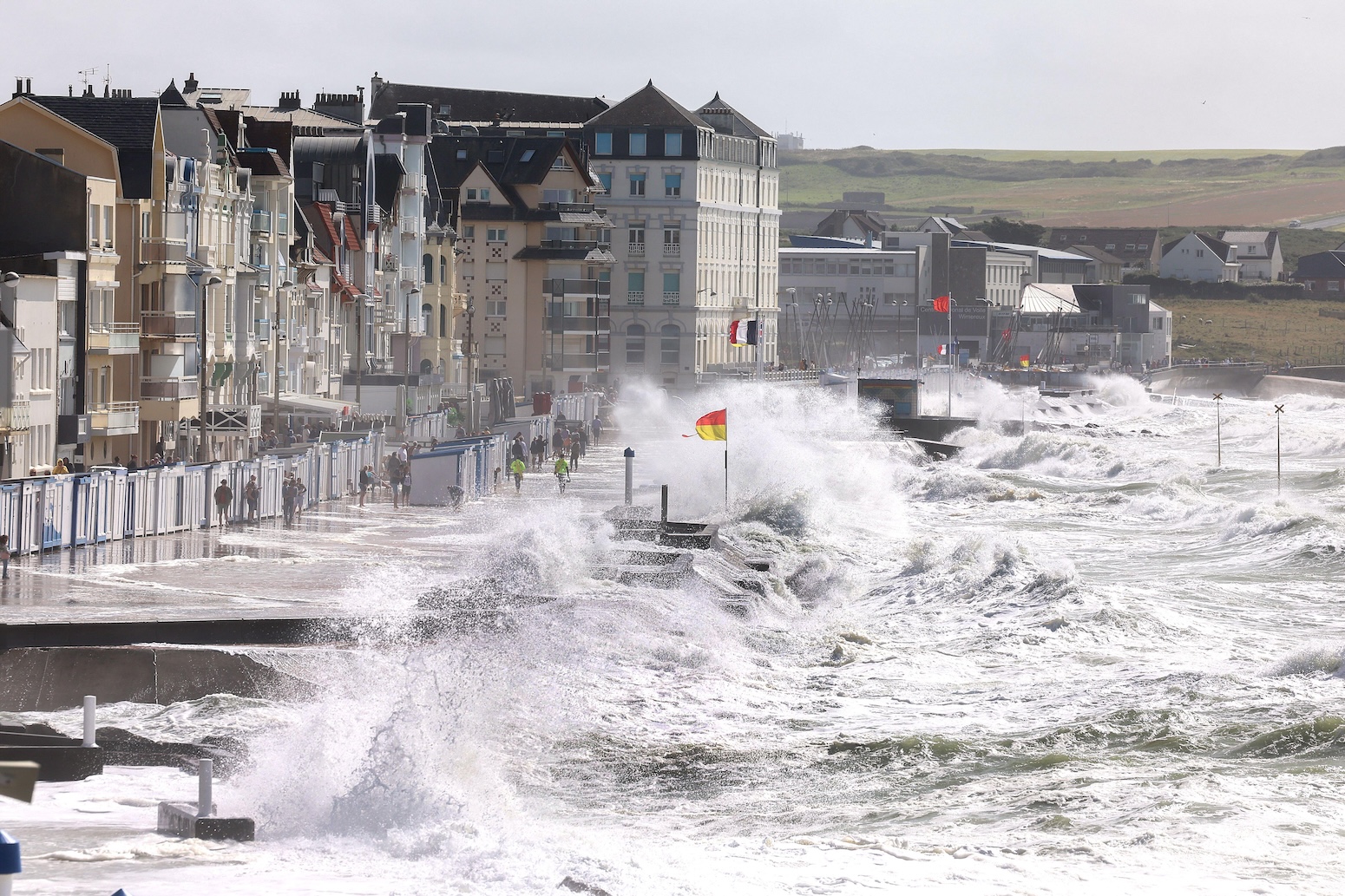
The mechanics of this rise are twofold. First, as the planet warms due to greenhouse gas emissions, seawater physically expands—a process known as thermal expansion. Second, the rapid melting of glaciers and polar ice sheets is pouring vast quantities of freshwater into the global ocean. To this, we must add the complex variable of land-water storage, where human intervention in river systems and groundwater extraction further alters the delicate balance.
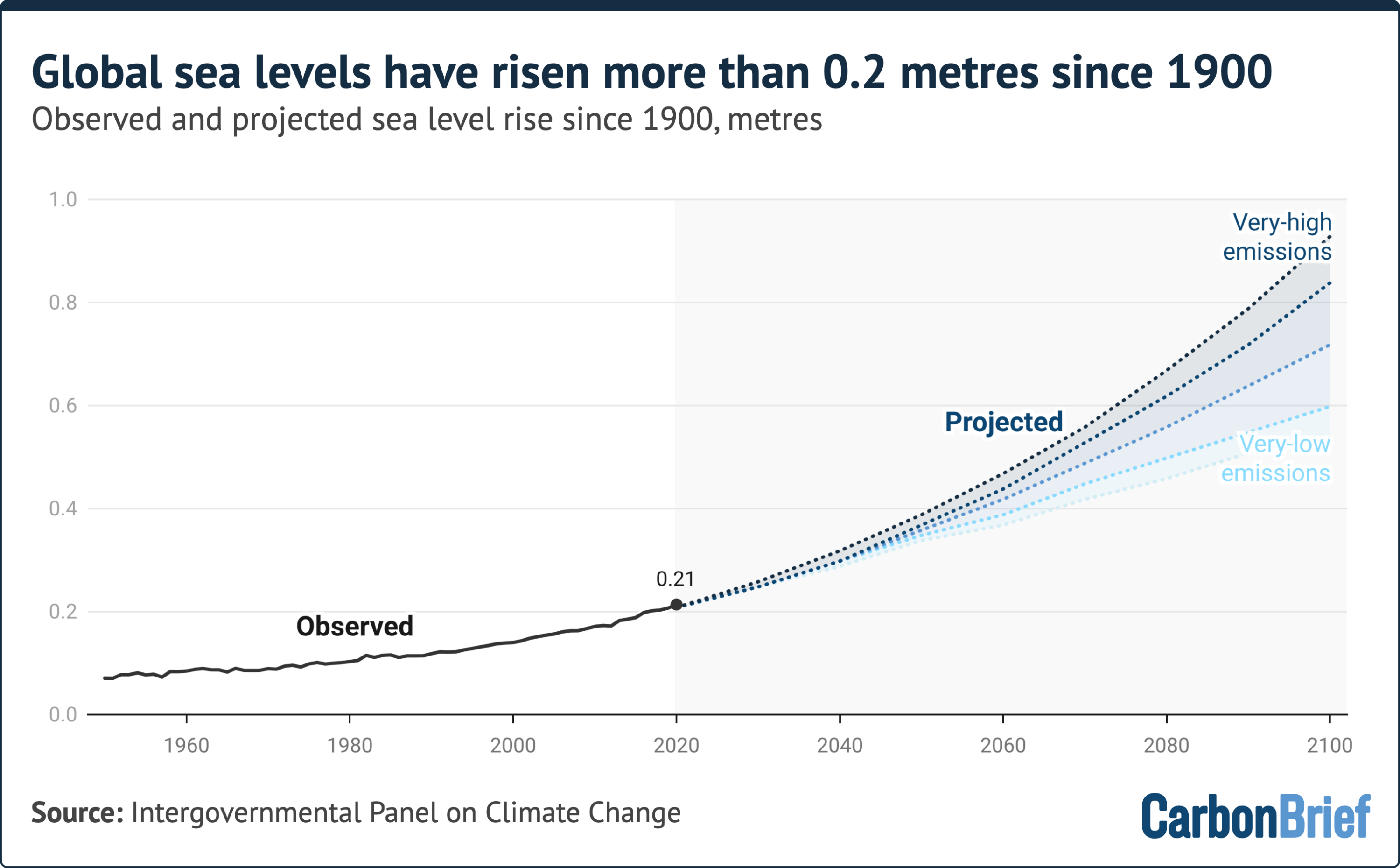
Between 1901 and 2018, global average sea levels rose by 20 centimetres (cm). However, the pace is quickening. Since 1993 alone, the oceans have risen by 10.6cm. Projections under a moderate-emissions scenario suggest an additional 56cm of rise by 2100 compared to the 1995-2014 baseline. This is not merely a gradual climb; it is a compounding crisis.
Chronology of the Crisis: From Warning to Inundation
- Pre-20th Century: Sea levels were relatively stable, fluctuating within narrow margins that allowed human civilization to build permanent coastal infrastructure.
- 1901–2018: The first 20cm of observed global rise occurred, driven largely by the industrialization of the global economy and subsequent warming.
- 1993: The era of modern satellite altimetry begins, providing precise, continuous measurement of sea level acceleration.
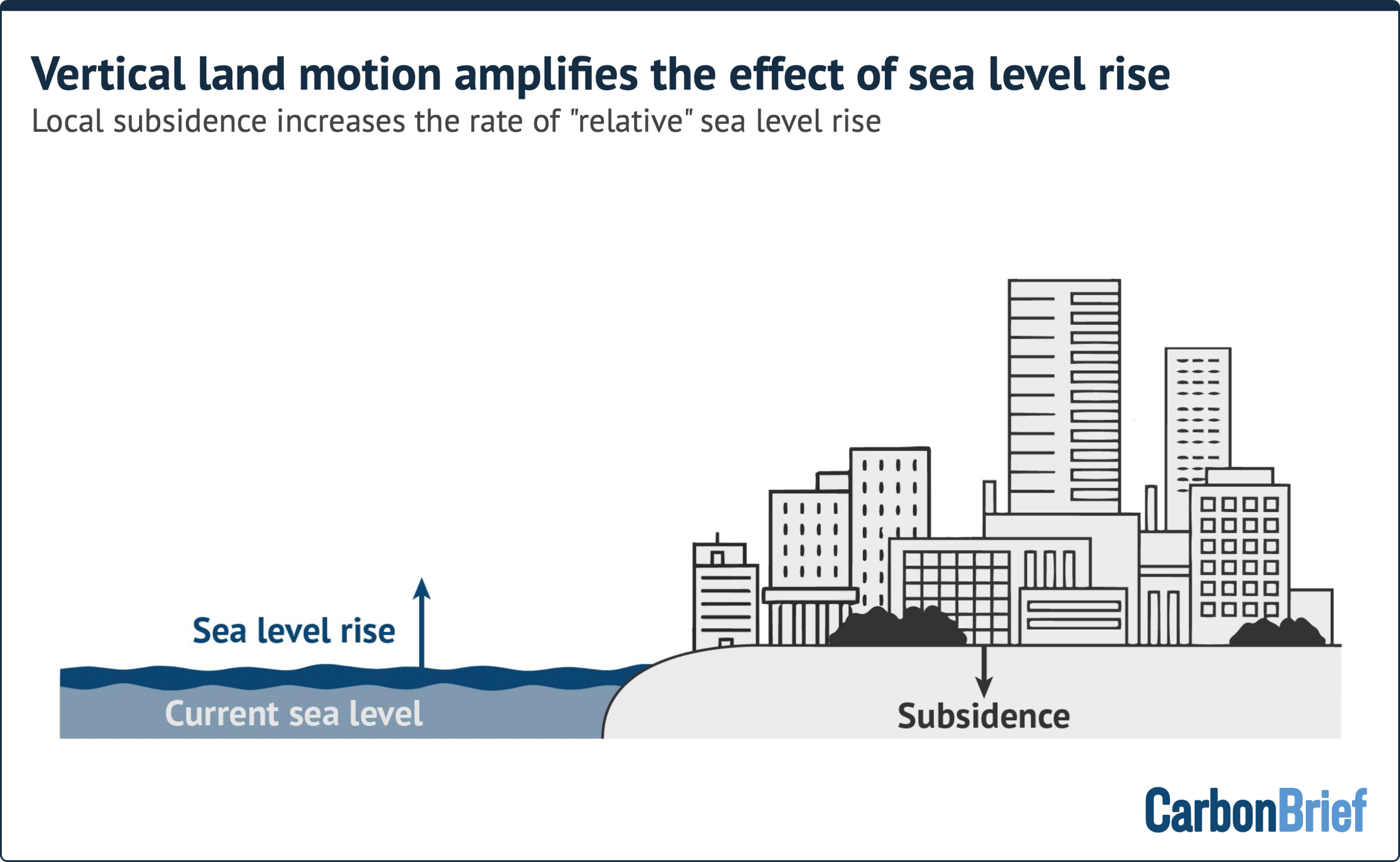
- 2020: The MOSE flood barrier in Venice is activated for the first time, signaling a new age of "fortress infrastructure" for vulnerable cities.
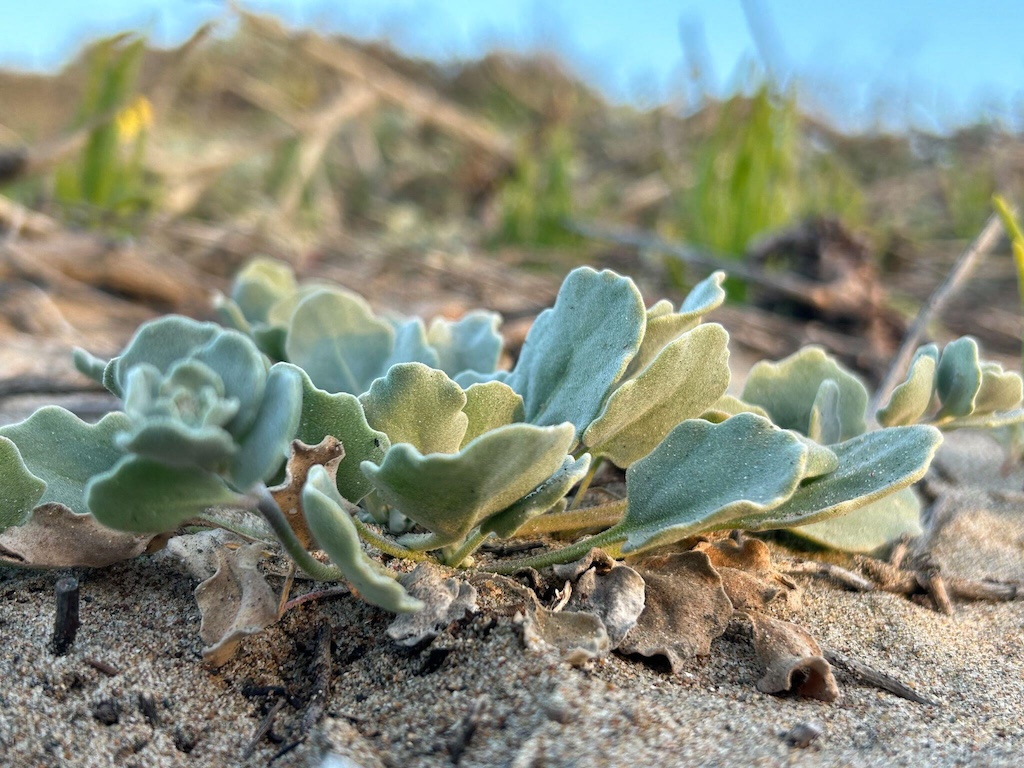
- 2021: The final specimens of the Key Largo cactus are removed from the wild as their habitat succumbs to saltwater intrusion—the first recorded extinction of a US plant species due to sea level rise.
- 2025: The UN International Law Commission issues a critical report confirming that international borders can remain valid even if land is lost to the sea, addressing a burgeoning legal crisis for island nations.
- 2026 and Beyond: The UN General Assembly adopts a high-level declaration formally recognizing sea level rise as an existential threat, marking a shift from local management to global diplomatic priority.
Acute Risks: Coastal Communities at the Frontline
A recent report from the UN Secretary-General highlights a staggering statistic: approximately 770 million people—10% of the world’s population—live in areas classified as "acute risk." These are regions less than five metres above the high-tide line.
The human geography of this risk is vast. It encompasses megacities such as Mumbai, Kolkata, Shenzhen, and Guangzhou, alongside the entirety of several low-lying island nations. Yet, even as the risk increases, human migration patterns defy logic; the population growth in coastal areas continues to outstrip inland growth. Between 2000 and 2018, while the global population grew by 23%, the number of people living within 5km of a coast jumped by 28%.
This concentration of human capital means that the economic fallout is catastrophic. By 2050, annual flood-related losses in the world’s 136 largest coastal cities could surge to $52 billion, up from $6 billion in 2005.
The Amplification Effect: Vertical Land Motion
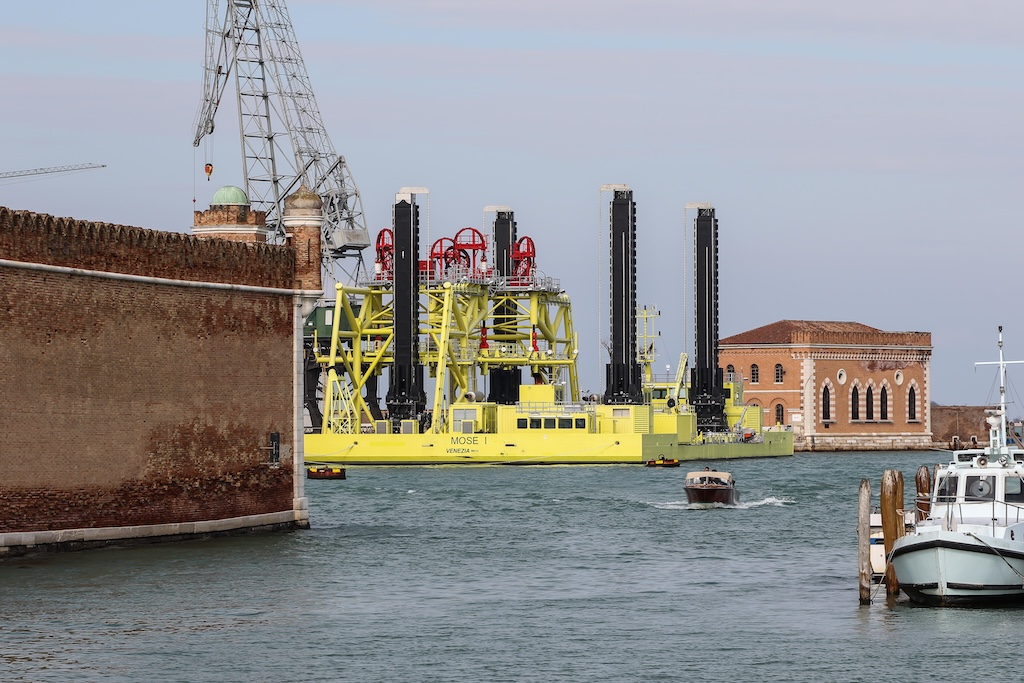
It is a mistake to view sea level rise solely through the lens of global averages. "Relative" sea level rise—what a specific community actually experiences—is often far higher due to vertical land motion. In cities like Jakarta, Indonesia, the over-extraction of groundwater is causing the land to subside by up to 15cm per year. When combined with global sea level rise, this creates a "double-whammy" effect where the land sinks while the water rises, rendering standard climate projections dangerously optimistic for local planners.
The Biodiversity Squeeze
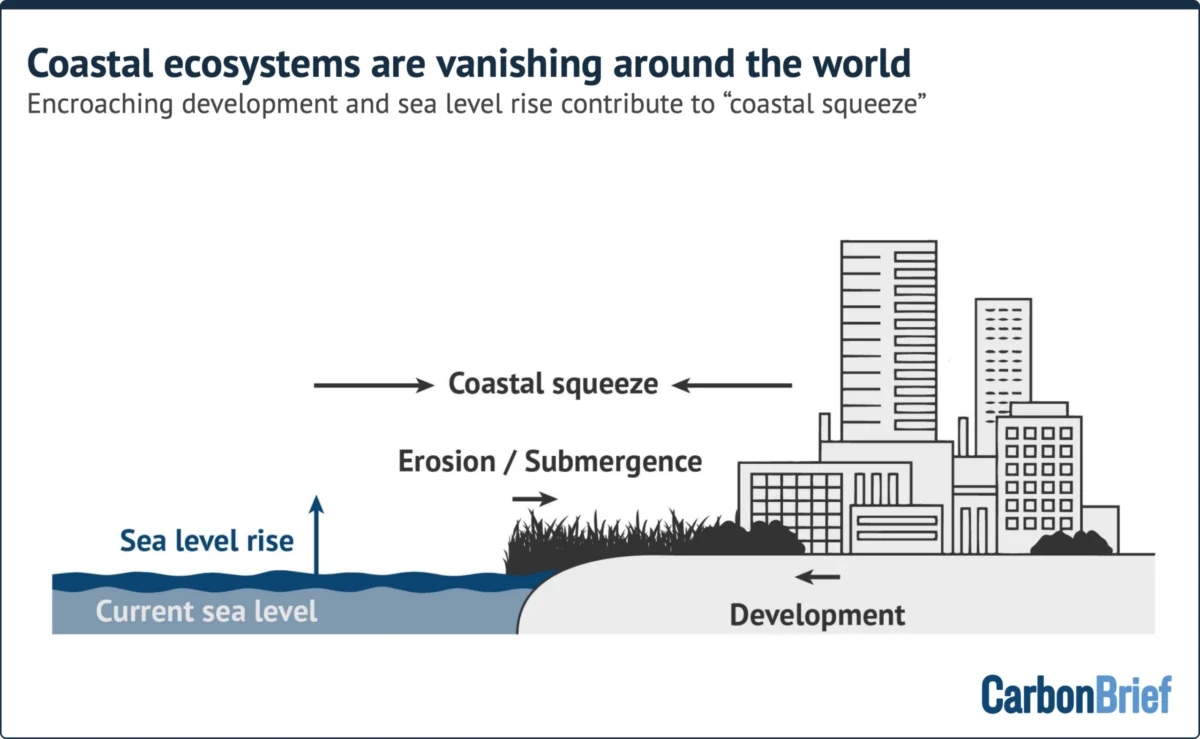
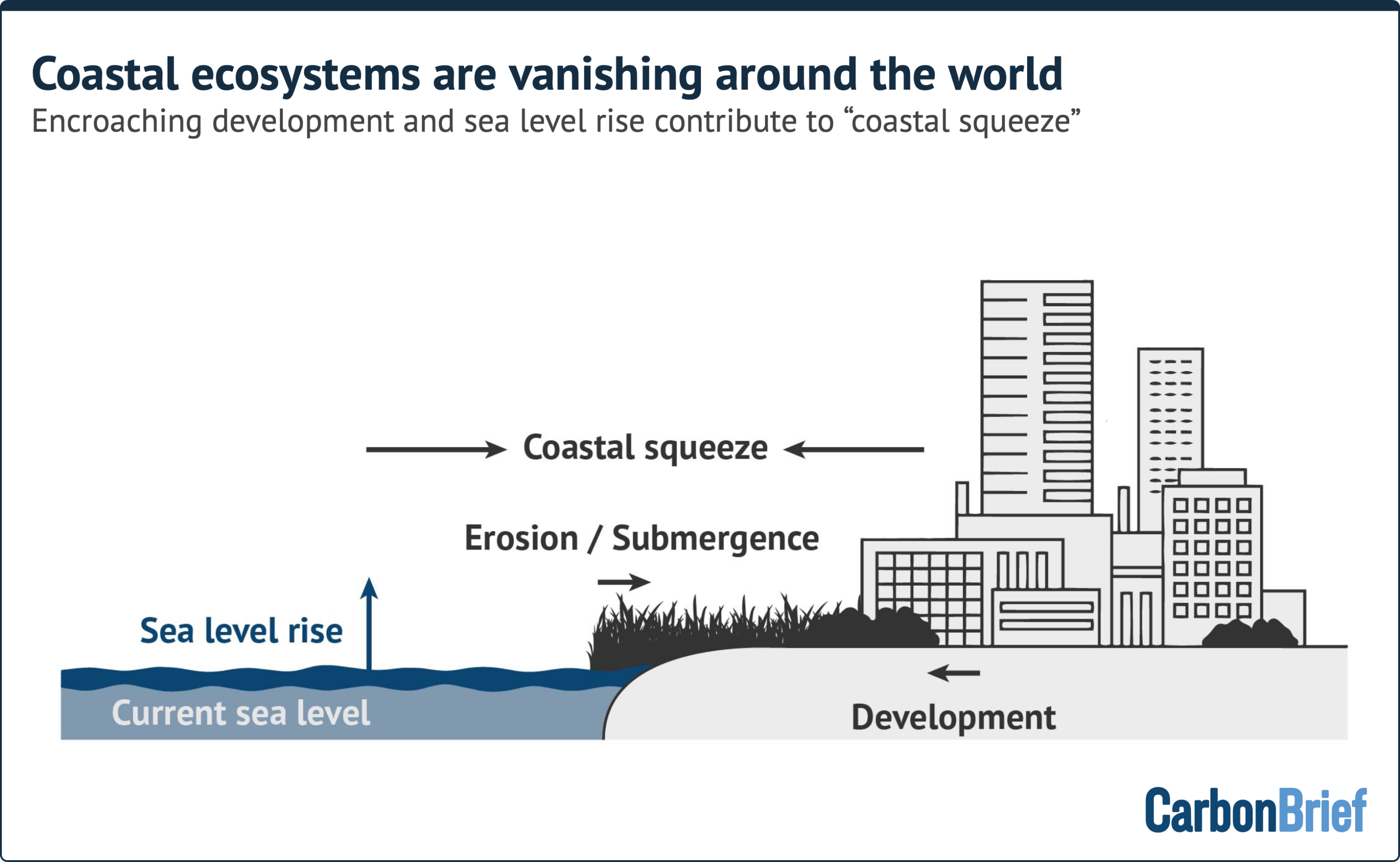
The natural world is being caught in a "coastal squeeze." As oceans rise, ecosystems like wetlands, mangroves, and salt marshes would naturally migrate inland. However, they are frequently blocked by concrete seawalls, roads, and urban sprawl.
Since 1970, nearly 28 million hectares of coastal wetlands—an area roughly the size of Ecuador—have vanished. This loss is not merely an environmental statistic; it is a loss of a critical buffer that protects human communities from storm surges. Furthermore, on islands where biodiversity is concentrated, the threat is absolute. More than 20% of Earth’s known plant species exist only on islands; a one-metre rise in sea level could submerge 6% of island habitat and reduce the land area of 11% of these biodiversity hotspots by half.
Small Island Developing States: The Existential Vanguard
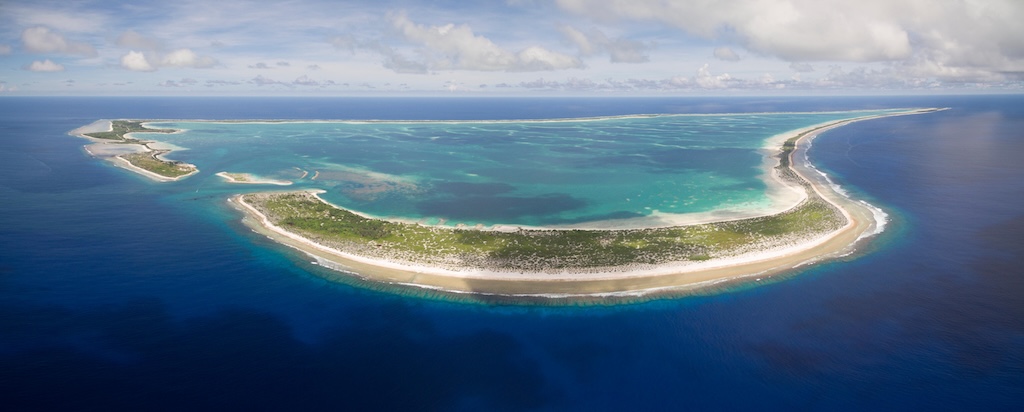
For Small Island Developing States (SIDS), the UN declaration is not just policy—it is a lifeline. These nations, often composed of atolls barely 1–2 metres above sea level, are already losing land. In Kiribati, two uninhabited islands were lost to the sea in 1999; in the Solomon Islands, several others have vanished since 2014.
The financial disparity is profound. While SIDS require up to $6 billion annually by 2035 to adapt, they received only $1.2 billion in public adaptation finance in 2022-23. The injustice is magnified by the fact that these nations contribute the least to global emissions yet face the most immediate threat of total territorial loss. The recent UN International Law Commission report attempts to mitigate this by suggesting that maritime boundaries and sovereignty can be maintained even if physical land is lost, a crucial step in preserving the legal existence of these nations.
The Erosion of Cultural Heritage
The threat to our physical future is matched by the risk to our past. Human history is defined by its proximity to water, and many of our greatest cultural monuments are now on the front lines.
Unesco World Heritage sites, including the ancient cities of Carthage (Tunisia) and Ephesus (Turkey), as well as the ruins of Pompeii (Italy), are currently battling the dual threats of erosion and flooding. A 3°C rise in global temperature would put nearly one-fifth of all cultural World Heritage sites at risk. In Africa, the number of threatened heritage sites is expected to triple by 2050. These sites are not just tourist destinations; they are the physical manifestations of human culture. Their loss would represent an erasure of history that can never be recovered.
Looking Ahead: Adaptation vs. Mitigation
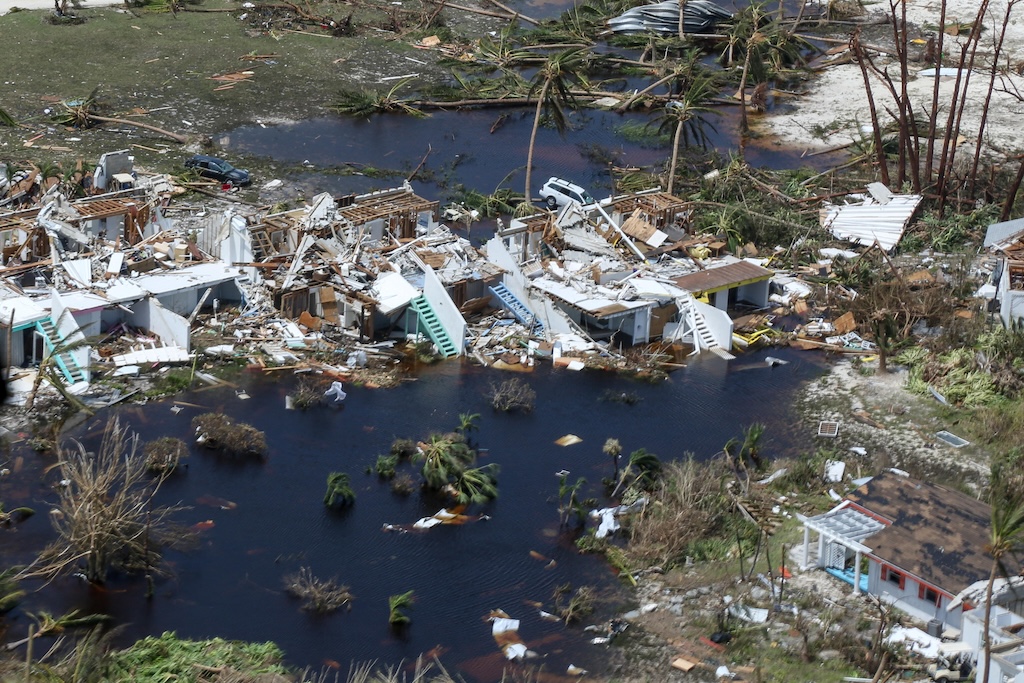
The global response to date has been a mix of technological ingenuity and desperate defensive measures. Venice’s MOSE flood barrier is perhaps the most visible example of "hard" adaptation, successfully holding back the Adriatic 48 times in a two-year period. Other regions are opting for nature-based solutions, such as restoring mangrove forests to dampen wave energy.
However, scientists warn that these measures have limits. Under a low-emissions scenario, many existing protections will be breached 10 times as frequently in the next 30 years as they are today.
The UN declaration serves as a clarion call for two parallel tracks of action:
- Aggressive Mitigation: Reducing the global energy imbalance that drives the warming of our oceans. Every fraction of a degree of warming prevented saves countless hectares of coastline and prevents the collapse of fragile coral reef ecosystems.
- Radical Adaptation: Moving beyond temporary fixes to long-term planning, including the difficult, politically charged, and socially sensitive work of managed retreat and the protection of "living heritage."
As the UN session concludes, the world is left with a stark choice. The oceans are rising, and they are not waiting for our political systems to catch up. The challenge of the 21st century will not just be how we mitigate the rise, but how we adapt our civilization to a new, dynamic, and precarious relationship with the sea.