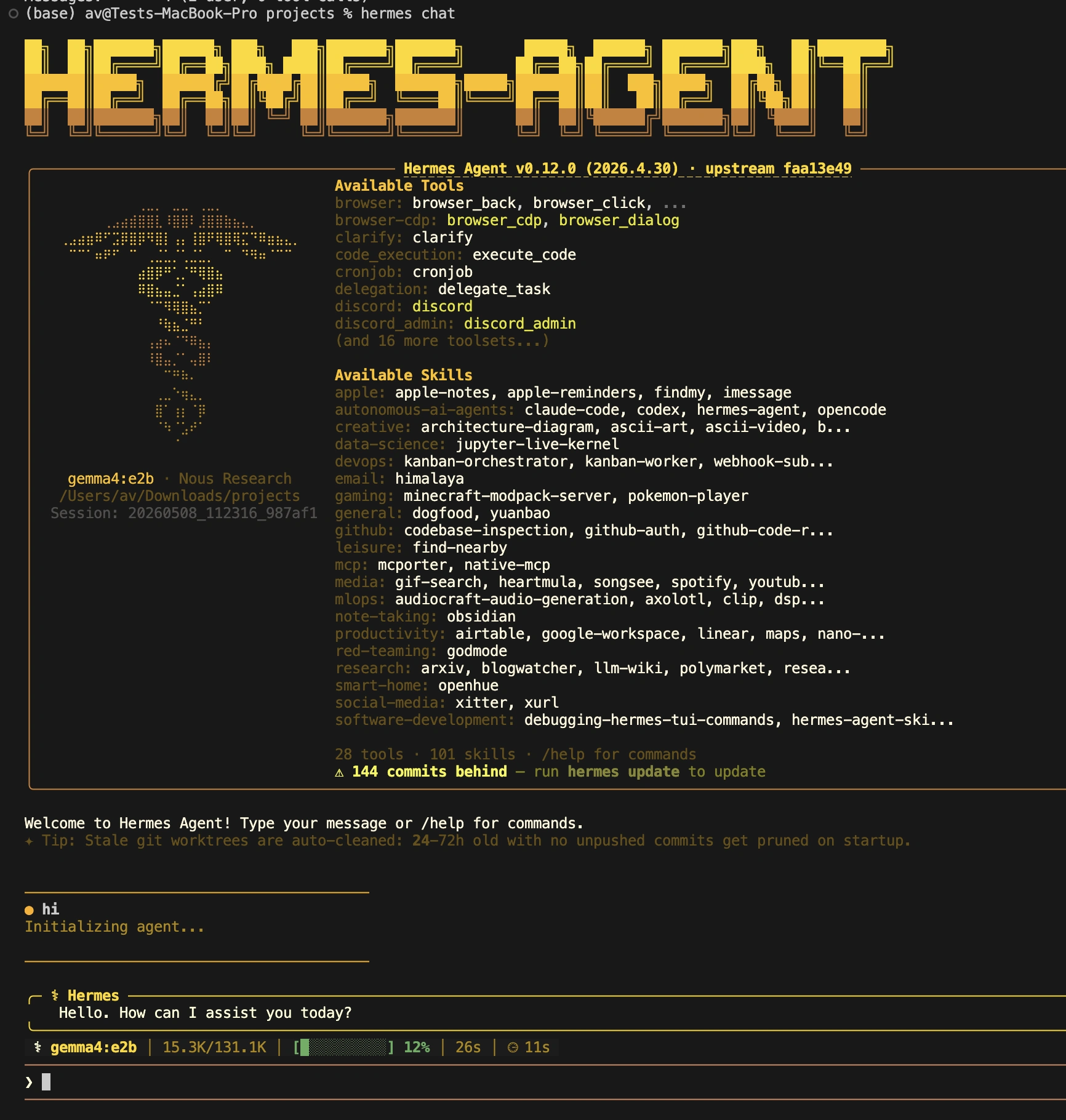
The landscape of artificial intelligence is undergoing a seismic shift. For the past two years, the industry has been defined by "chatbots"—interfaces that answer questions or generate text. However, a new paradigm is emerging: AI Agents. Unlike passive assistants, agents are systems capable of reasoning, planning, and executing multi-step workflows across disparate environments. At the forefront of this movement is the Hermes Agent framework, an open-source, self-hosted runtime designed to bridge the gap between experimental LLM capabilities and reliable, real-world automation.
The Evolution of Agentic Workflows
For developers and enterprise engineers, the primary limitation of current AI tools has been their "siloed" nature. Most LLMs are restricted to a single interaction loop within a browser tab or an IDE. Hermes Agent, developed by Nous Research, flips this model. It treats the language model not as a chatbot, but as the "brain" of an operating system.

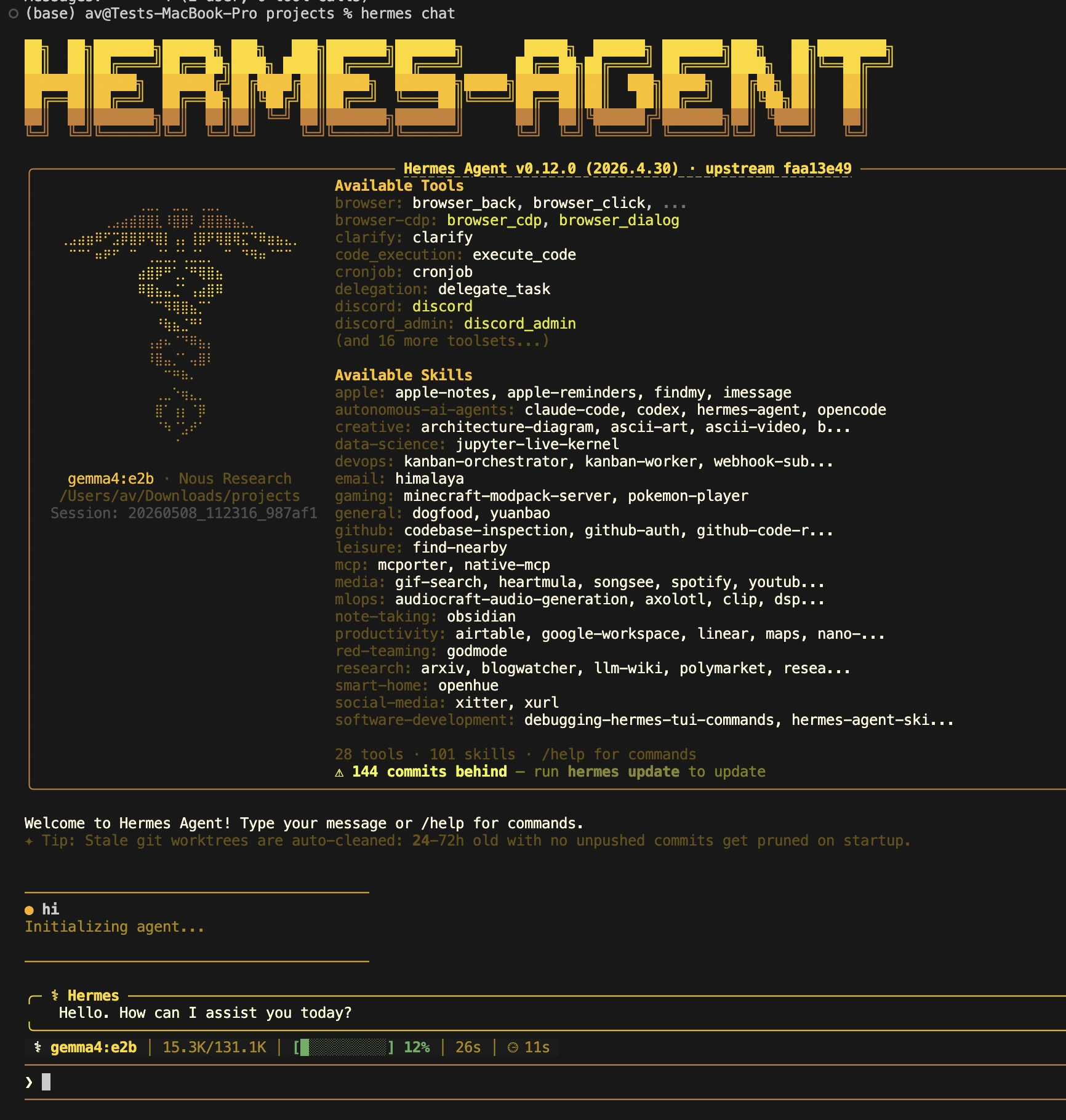
Hermes provides a comprehensive runtime environment that integrates browser automation, terminal execution, file system management, and long-term memory. By moving beyond simple command-line tools, Hermes allows for the creation of autonomous agents that can manage scheduling, handle secure tool execution, and maintain state over days or even weeks of operation.
Architecture: The Engine Behind the Intelligence
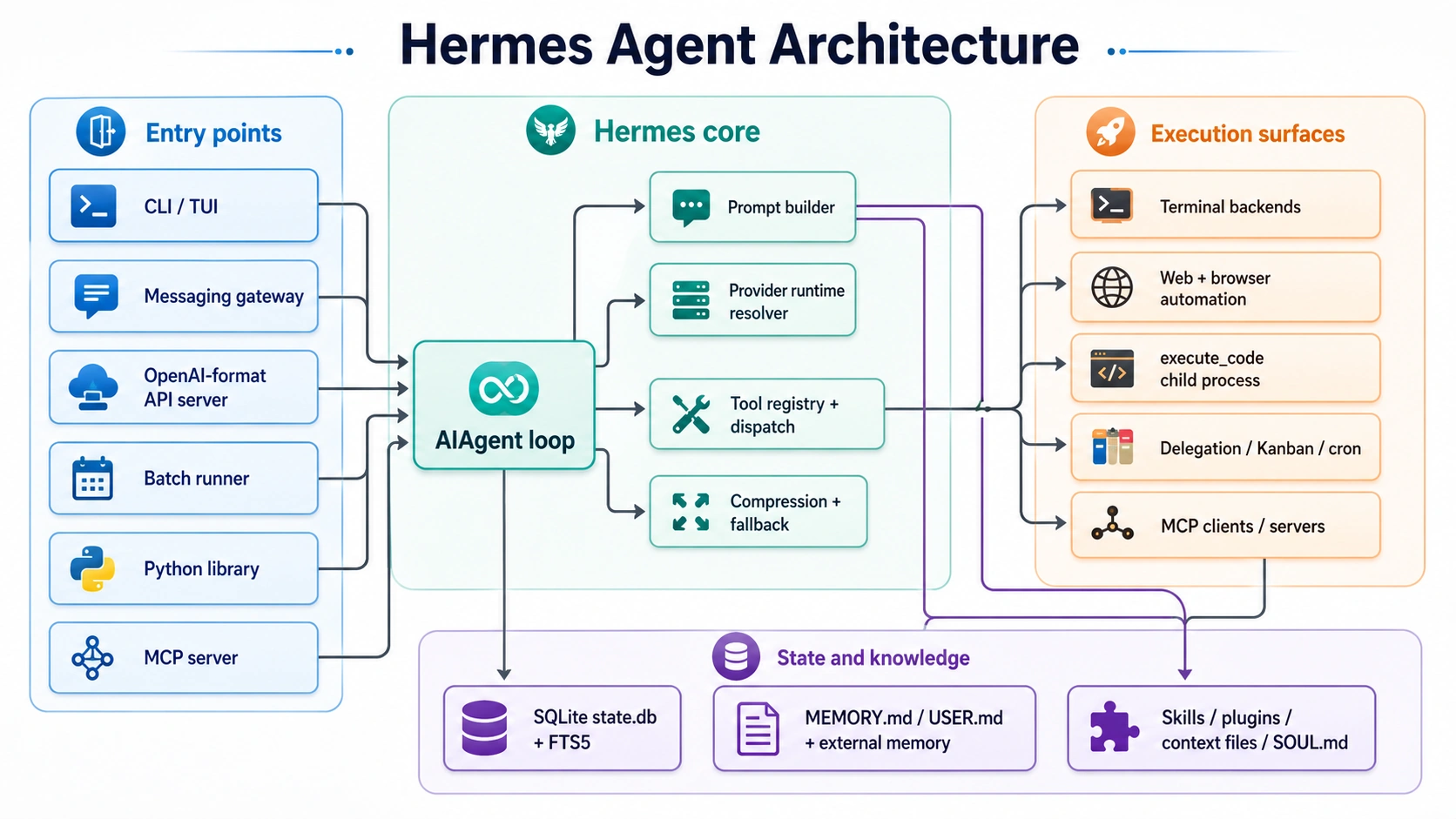
Hermes is not merely a "prompt wrapper." It is a sophisticated, layered architecture designed for resilience and scalability.
Core Components
- Multi-Entry Runtime: Users can interface with Hermes via a robust CLI, a RESTful API server, or a messaging gateway. This flexibility allows it to be embedded into existing infrastructure, from simple local scripts to complex microservices.
- The Agent Loop: Central to Hermes is its ability to handle "turns." When a model requests multiple tools, Hermes executes them in parallel via a thread pool, significantly reducing latency for complex workflows.
- Context Management: One of the most significant hurdles in LLM usage is the context window. Hermes mitigates this by compressing historical conversations once they exceed 50% of the available window, ensuring the agent remains focused without losing critical session data.
- Security and Sandboxing: Perhaps the most vital feature for professional users is the separation of concerns. Hermes utilizes a Docker-based backend for terminal commands, ensuring that AI-generated code executes in a secure, isolated container rather than on the host machine.
Chronology of Development and Deployment
The rapid maturation of Hermes follows a clear trajectory of "safety-first" engineering.
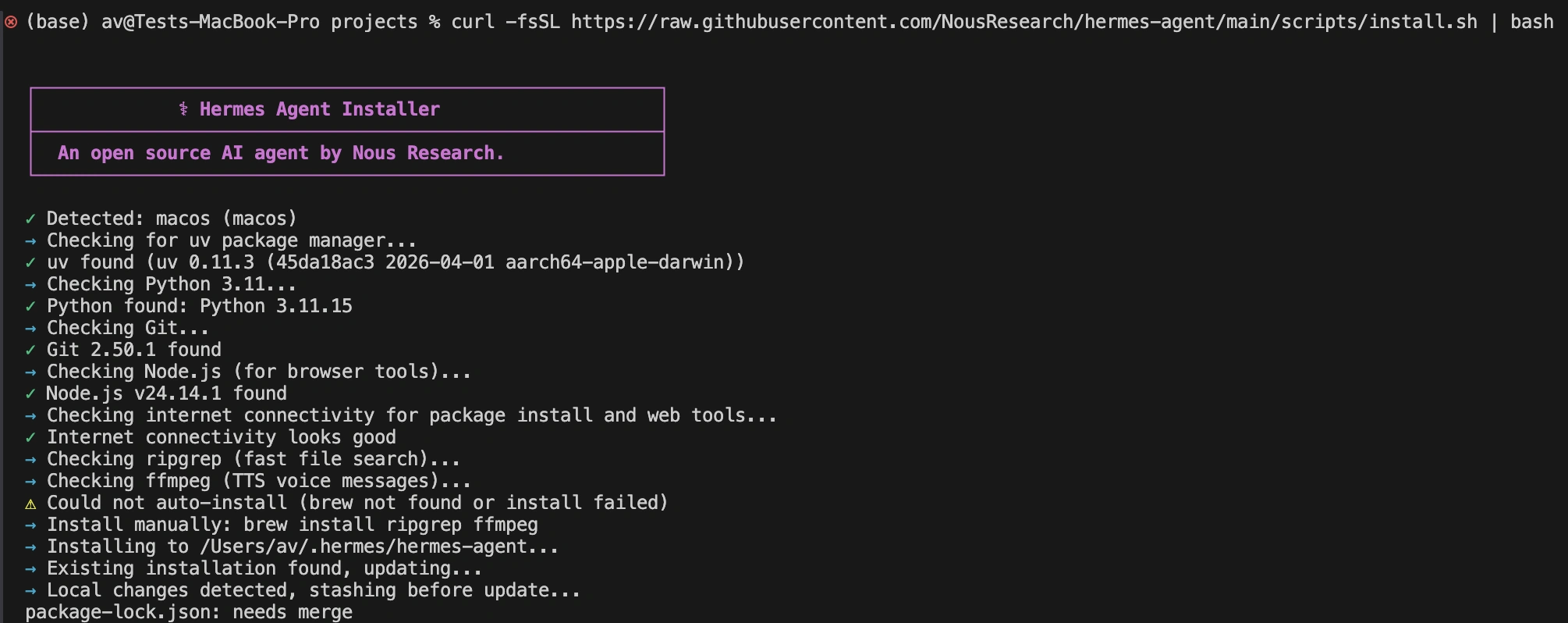
- Phase 1 (Foundational Setup): The installation process is streamlined to a single-line shell command. Recognizing the complexities of modern development environments, the framework defaults to WSL2 (Windows Subsystem for Linux) for Windows users, bypassing native Windows limitations while maintaining compatibility.
- Phase 2 (Configuration): Hermes enforces a strict separation between secrets and environment variables. Sensitive API keys are relegated to a local
.envfile, while operational configurations reside in aconfig.yamlfile. This is a best-practice architecture that prevents accidental credential exposure. - Phase 3 (Operational Reality): Once configured, the agent moves into a cycle of autonomous execution. Through the use of
hermes doctor, users can diagnose misconfigurations, ensuring the agent’s "health" remains stable as tool sets evolve.
Practical Applications: From Research to Automation
To understand the power of Hermes, one must look at its capabilities in real-world scenarios.
Automated Task Scheduling
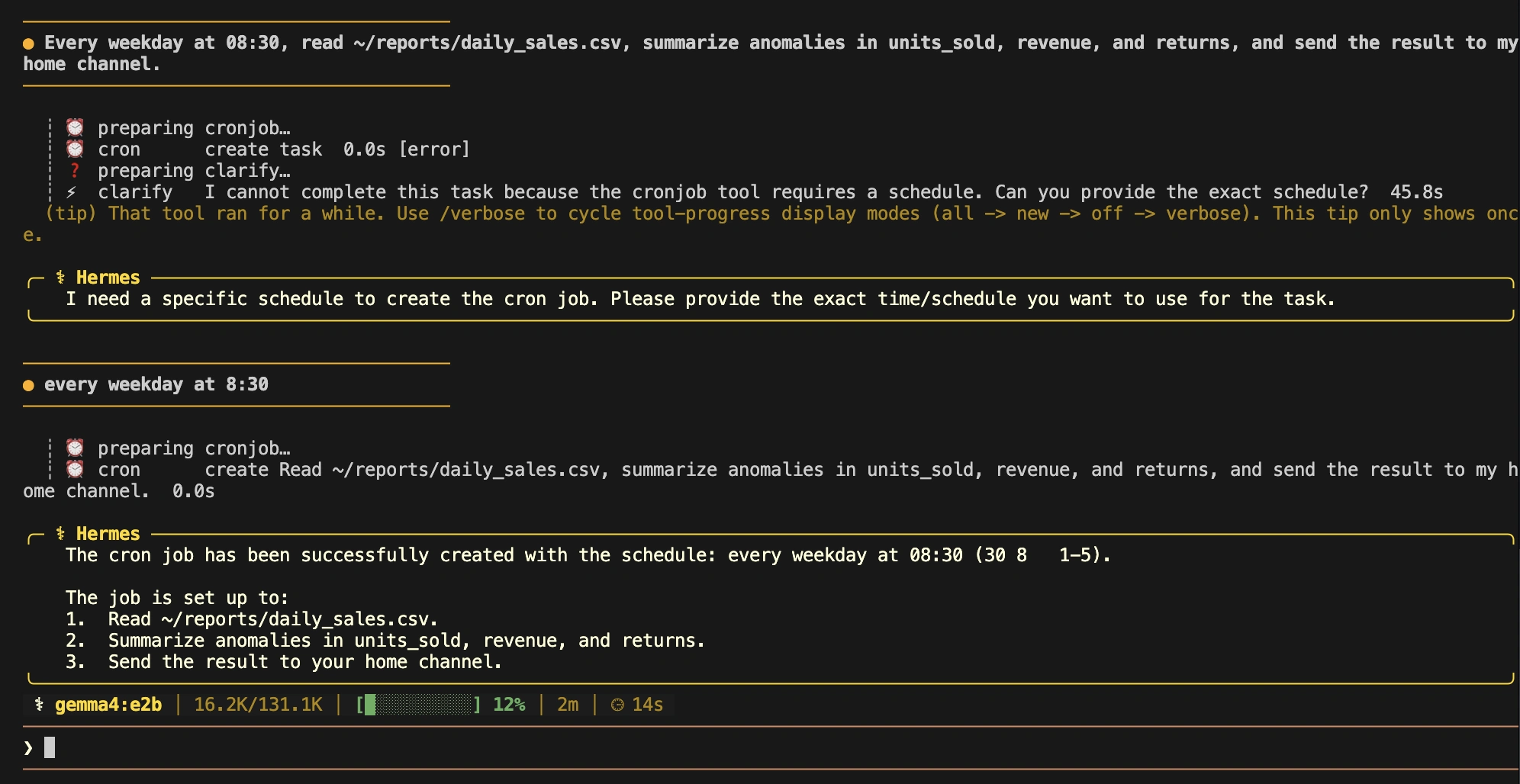
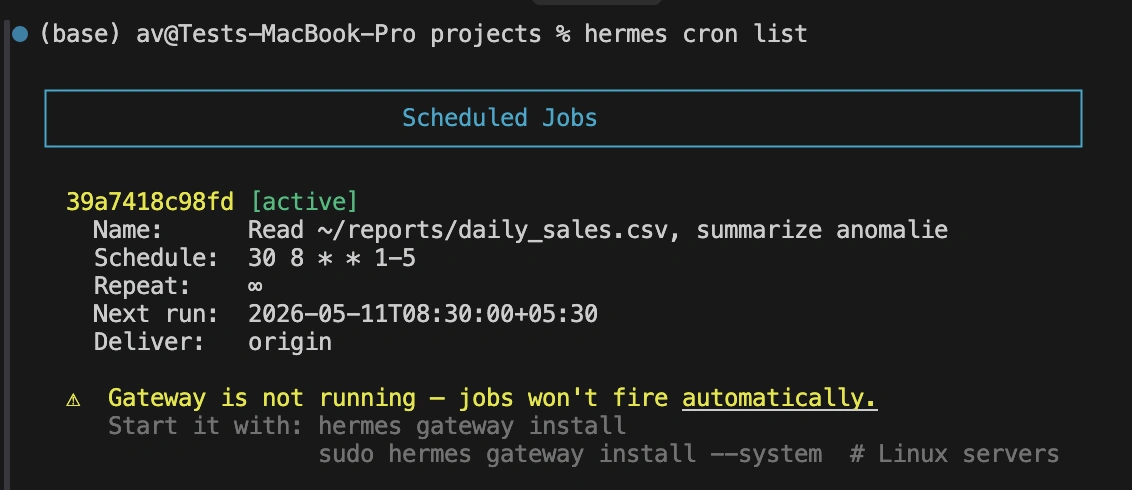
Hermes features a native cron-style subsystem. Unlike traditional cron jobs that run static shell commands, Hermes allows for natural language scheduling. An operator can instruct the agent: "Every Friday at 5:00 PM, aggregate the weekly project logs, identify bottlenecks, and draft an executive summary." Because Hermes manages the session state, it can reliably execute these tasks across multiple days, maintaining the context of previous summaries to detect trends over time.
Web Intelligence and Browser Automation
Hermes moves beyond basic web scraping. It interacts with websites by representing them as "accessibility trees"—a structured, semantic view of the page that is far more readable for a language model than raw HTML. This allows the agent to navigate complex authentication flows, interact with dynamic elements, and extract information with high precision. Security is maintained through a granular allow_private_urls flag, preventing the agent from accidentally interacting with internal, sensitive dashboards during public browsing tasks.
Long-Term Memory (LTM)
The framework utilizes two primary files for persistent memory: MEMORY.md for factual information and USER.md for personal preferences. By injecting these files into the system prompt, Hermes ensures that it "remembers" user constraints—such as a preference for Python over JavaScript, or a specific formatting style for reports—across entirely new sessions.
Implications for the AI Ecosystem
The shift toward frameworks like Hermes has profound implications for software engineering.
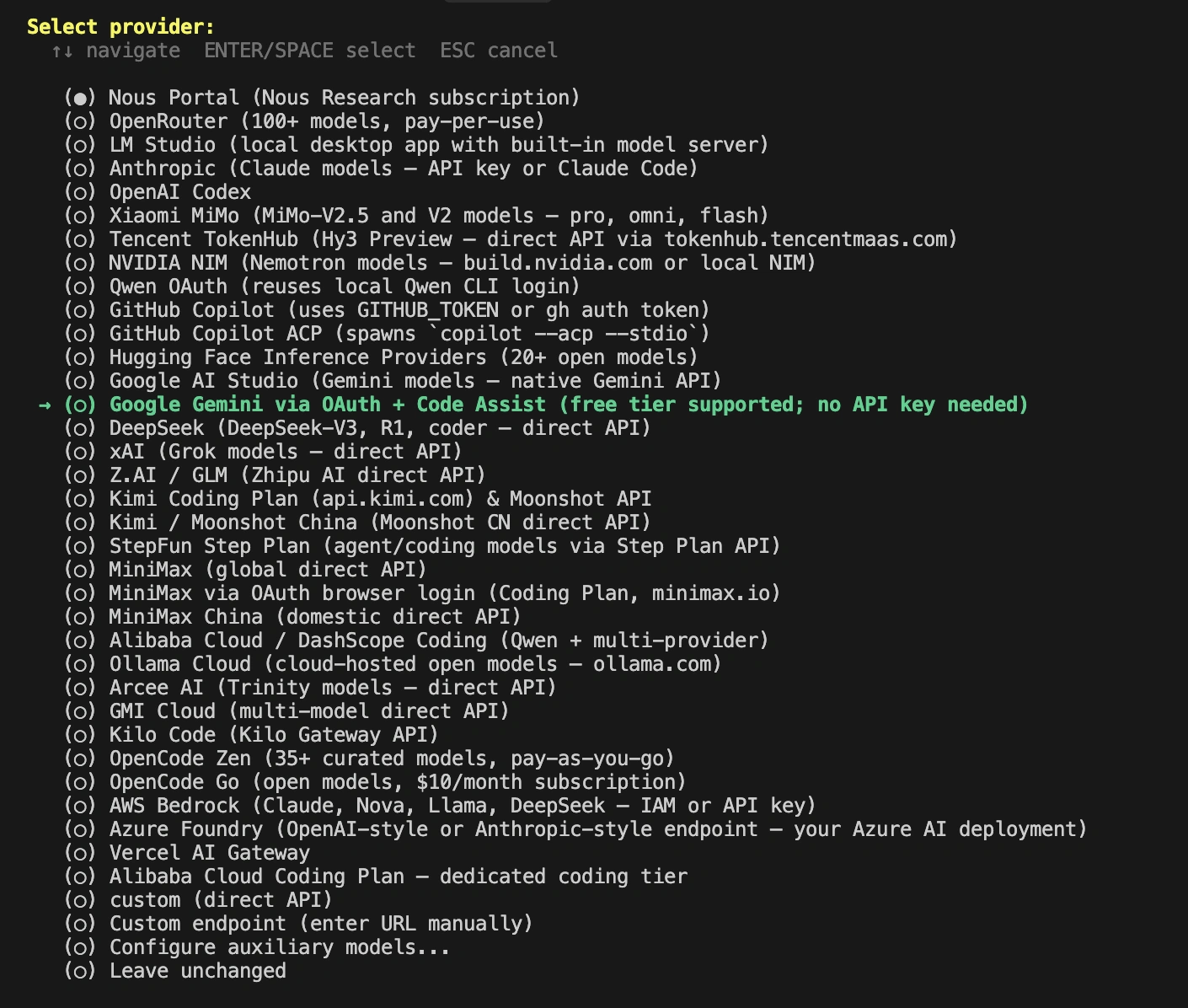
- Operational Economics: While the software is free and open-source, the real cost lies in "operational economics." Users must balance the cost of LLM inference (API tokens) against the value of the automation. Hermes provides the tools to optimize this by allowing for provider routing policies, choosing cheaper models for simple tasks and more powerful models (like Claude 3.5 Sonnet) for complex reasoning.
- The Rise of the "Ops Agent": We are moving away from agents that merely write code toward agents that manage systems. The ability of Hermes to execute multi-step plans—such as searching for research, summarizing findings, and writing a script to automate the deployment—marks a transition toward "agentic operations."
- Security and Trust: By integrating with the Model Context Protocol (MCP) and enforcing manual approval modes for sensitive actions, Hermes addresses the primary concern of enterprise adoption: trust. By keeping the "human in the loop" for critical commands, Hermes creates a safety net that is often absent in more experimental agentic architectures.
Official Stance and Community Best Practices
Nous Research has positioned Hermes as a "serious operations layer." The framework’s design philosophy prioritizes:
- Versioning: Users are encouraged to pin environment versions to ensure that agent workflows do not break as the underlying LLM models or agent frameworks update.
- Transparency: The agent’s decision-making process—its "thought process"—is observable via the CLI, allowing developers to debug where a multi-step plan might have deviated from the intended outcome.
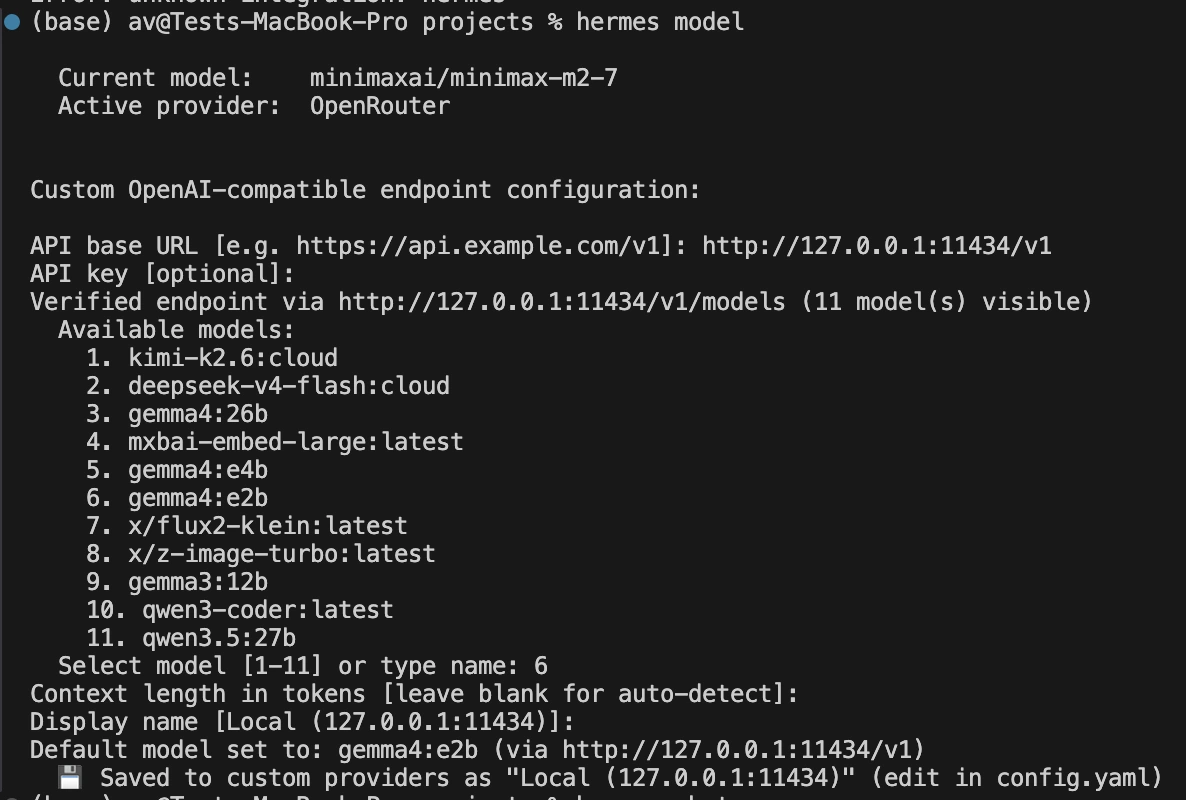
- Modularity: Because Hermes is model-agnostic, it avoids vendor lock-in. Whether you are using a local Ollama instance or a cloud-hosted API, the agent’s logic remains consistent.
Conclusion: A New Era for Self-Hosted AI
The Hermes Agent represents a maturation of the AI field. It provides the necessary plumbing—state management, secure tool execution, and long-term memory—that turns a standard LLM into a reliable worker.
For the developer, the hobbyist, and the enterprise engineer, the message is clear: the future of AI is not in the chat box; it is in the background processes. By adopting frameworks that emphasize safety, modularity, and human-directed control, we can finally begin to harness the true potential of autonomous systems. As with any powerful tool, the key to success lies in discipline—granting only the necessary permissions, monitoring performance, and treating AI agents as systems to be managed, rather than magic to be trusted blindly.
Frequently Asked Questions (FAQ)
Q1. Is Hermes Agent suitable for enterprise production environments?
A. Yes, provided that the security features—such as Docker-based sandboxing and manual approval for sensitive commands—are strictly implemented. Its ability to serve as an API gateway makes it highly compatible with existing CI/CD pipelines.
Q2. How does Hermes compare to dedicated coding assistants?
A. Coding assistants (like GitHub Copilot) are typically optimized for IDE integration. Hermes is a general-purpose agent runtime. While it can write and execute code, it is also capable of web research, file system management, and recurring task scheduling, making it a "horizontal" tool rather than a "vertical" one.
Q3. What happens if the agent enters a "hallucination loop"?
A. Hermes provides several guardrails. First, the execute_code tool includes configurable timeouts and output limits. Second, the framework supports manual approval modes, ensuring that an agent cannot execute a destructive command without explicit human verification.
Q4. Can I use Hermes with local LLMs?
A. Absolutely. Hermes is model-agnostic and can be configured to interface with any OpenAI-compatible API, including those hosted locally via Ollama or vLLM. This is a popular configuration for users who require strict data privacy and zero latency costs.