The cost-of-living crisis is, to put it mildly, putting a squeeze on everyone’s discretionary income. As October descends and the pressure to participate in the annual tradition of dressing up mounts, the prospect of spending upwards of $100 on a polyester, single-use costume feels increasingly disconnected from reality. Fortunately, a new trend in pop culture consumption is bridging the gap between high-concept fandom and fiscal responsibility: the "Investment Costume."
This year, the most recognizable characters from film and television are eschewing elaborate, bespoke fantasy gear in favor of contemporary, wearable fashion. By utilizing specific, screen-accurate pieces that double as staple wardrobe additions, fans can achieve an impressively authentic look that lasts long after the final trick-or-treaters have gone home.
The Shift Toward "Wearable Fandom"
For years, the Halloween costume industry has relied on "fast-fashion" kits—garments designed to be worn for exactly four hours before being discarded. However, 2026 marks a turning point. Driven by social media analysis and a growing desire for sustainable fashion, fans are now prioritizing "screen-accuracy" via authentic retail brands.
Costume designers in Hollywood have noticed this shift, increasingly opting to source wardrobe items from accessible retailers. This provides a twofold benefit: it grounds characters in a relatable reality and allows the audience to replicate looks using genuine garments rather than flimsy replicas.
Chronology of a Trend: From Screen to Street
The movement toward functional costumes didn’t happen overnight. It began with the rise of "get-the-look" accounts on platforms like X (formerly Twitter) and TikTok, where dedicated enthusiasts break down the metadata of film costumes frame by frame.
- Early 2026: Indie horror films like Obsession set the tone, with costume designers intentionally thrifting and using budget-friendly retail pieces to reflect the economic reality of their characters.
- Mid-2026: Major blockbusters, including the latest Resident Evil installment, began incorporating branded apparel into their costume design, creating natural marketing synergies that fans were quick to identify.
- Late 2026: As Halloween approaches, the demand for these specific, "civilian" clothing items has surged, leading to sold-out inventory and a secondary market for "screen-accurate" fashion pieces.
The "Investment Costume" Breakdown
To help you navigate this year’s most popular trends, we have compiled a guide to the best costumes that offer the highest "cost-per-wear" value.
1. Bryan from Resident Evil: The Ultimate Layered Look
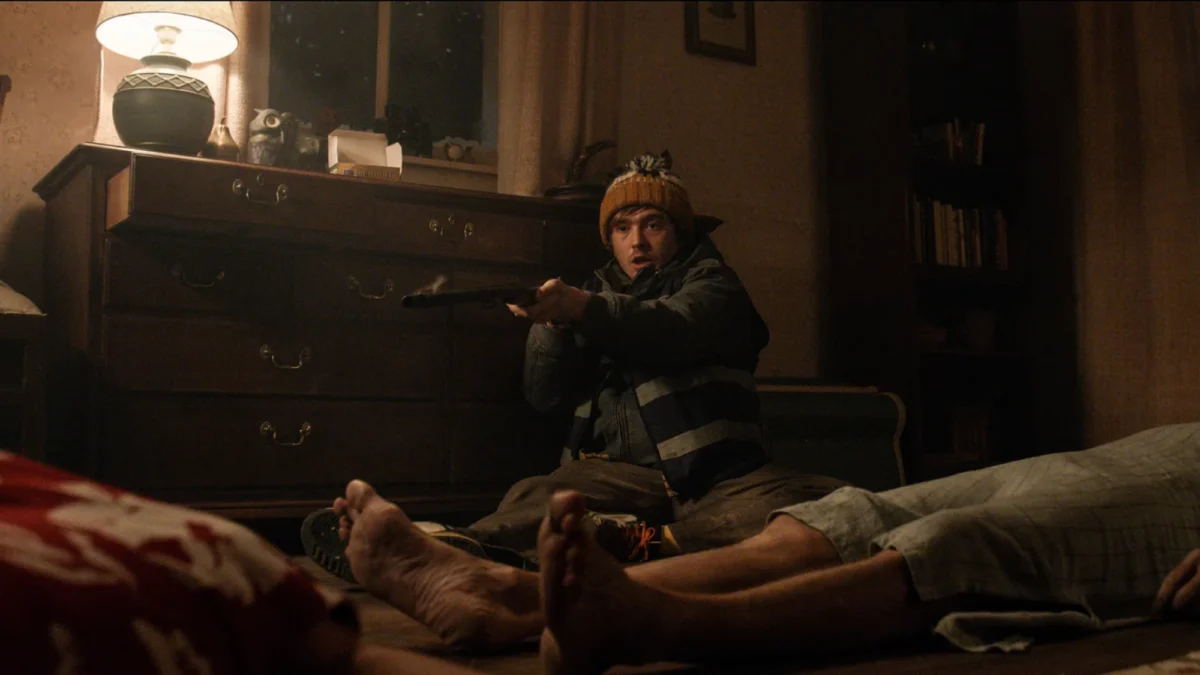
Bryan, the beleaguered medical courier from the 2026 Resident Evil film, has become an unlikely fashion icon. Because his entire narrative arc takes place over a single, high-stakes night, his wardrobe is designed for utility and comfort—perfect for the unpredictable weather of late October.
The Aesthetic:
Bryan’s look is the epitome of "gorpcore" meets urban survival. It features a yellow plaid shirt layered under a dark, rugged jacket, topped with a high-visibility blue reflective vest.

The Shopping List:
- The Footwear: The most critical element of this look is the footwear. Bryan sports the Nike Jordan Spizike Low Rare Air sneakers in Oil Grey. While these represent an investment at approximately $160, they are a high-quality athletic shoe that will serve you well for years.
- The Accessories: While the official Resident Evil Medical Courier Popcorn Bucket is a viral hit, it is functionally limited. For a more sophisticated look, opt for a standard green cooler bag customized with fabric paint.
- The Headwear: His mustard FromTheSource Chunky Knitted Sheep Bobble Hat is the perfect winter staple. Although original stock is dwindling, similar knit hats are a wardrobe essential for the colder months.
2. Nikki from Obsession: Thrifty Horror
The indie horror hit Obsession serves as the gold standard for budget-conscious costuming. With a total wardrobe budget of only $6,000 for the entire film, costume designer Blair James was forced to rely on accessible, stylish, and affordable pieces.
The Aesthetic:
Nikki’s wardrobe oscillates between "party-ready" and "survival-mode," making her look versatile for different types of Halloween events.
The Shopping List:
- The Final Dress: The $69 Defiant Love Mini Dress from Dolls Kill is an excellent choice. It is sleek, edgy, and entirely appropriate for a night out on the town, long after the spooky season concludes.
- The Party Look: For a bolder statement, the $49 Cielo Mesh Halter Top from Princess Polly paired with black faux-leather micro shorts creates a striking silhouette. The halter top, in particular, is a versatile layering piece that pairs beautifully with jeans or a skirt.
- The Footwear: Calvin Klein’s Leather Kitten Heel Tall Zip Boots provide the perfect blend of 90s nostalgia and modern comfort. They are a classic staple that will elevate any autumn outfit.
3. Patricia from Widow’s Bay: The "Retro-Chic" Necromancer
Comedy-horror fans have fallen in love with Patricia from Widow’s Bay. Her costume design, led by Alex Bovaird, focuses on the "thrift-store-chic" aesthetic of a sleepy island community.
The Aesthetic:
Patricia’s look is defined by a red floral midi dress, which captures a specific retro-vintage vibe. The key to this costume is the juxtaposition between the modest dress and the terrifying, DIY antler headdress.
The Shopping List:
- The Dress: While the specific ’80s-does-’40s Carole Little dress is a collector’s item, any high-quality floral midi dress will suffice. Focus on finding a piece that makes you feel confident and comfortable.
- The Headdress: This is where you can get creative. Utilizing twigs, faux fur from a repurposed plush toy, and affordable deer antlers, you can construct a bespoke piece of art. This allows for total customization and a unique focal point for your costume.
Supporting Data: Why Authenticity Matters
The shift toward wearable costumes is supported by recent retail data. According to market research, consumer spending on "fast-fashion" Halloween costumes has dropped by 14% year-over-year, while searches for "sustainable cosplay" and "wardrobe-integrated costumes" have spiked by over 40%.

This suggests that the modern consumer is becoming increasingly skeptical of the "single-use" model. By selecting high-quality garments, consumers are not only saving money in the long run but are also contributing to a more circular fashion economy.
Official Responses and Industry Impact
Costume designers have largely welcomed this trend. Blair James, the mind behind the looks in Obsession, noted in a recent interview: "When the audience can identify with the clothes, the horror feels more grounded. We want people to see a piece of clothing and think, ‘I could wear that to work,’ and then ‘I could also wear that to a party.’"
However, this trend has created challenges for supply chains. Popular items, such as the Nike Jordan Spizike Low or specific Princess Polly tops, have faced intermittent stock shortages as Halloween approaches. Retailers are encouraged to monitor these "pop-culture spikes" to ensure that fans can access the garments they desire.
Implications: The Future of Halloween
What does this mean for the future of the holiday? We are likely moving toward a "hybrid model" of costuming. The days of the cheap, plastic-laden costume are numbered. Instead, the future belongs to the "Capsule Costume"—a collection of pieces that function both as a thematic outfit and a permanent wardrobe staple.
As we look toward 2026 and beyond, the message is clear: You don’t have to sacrifice your personal style or your financial health to celebrate Halloween. By focusing on quality over quantity and choosing pieces that reflect your real-world aesthetic, you can ensure that your costume is as enduring as the films that inspired it.
So, this October, skip the clearance aisle. Invest in a pair of boots you’ll wear through December, a jacket that will keep you warm through the winter, and a dress that will be the envy of your spring wardrobe. Your bank account—and your future self—will thank you.