As the climate crisis accelerates and the limits of our planetary resources become increasingly apparent, the contents of our dinner plates have transitioned from a matter of personal preference to a cornerstone of public policy. The global food system is currently at a crossroads; with a growing population and a shrinking ecological buffer, the traditional reliance on resource-intensive livestock production is facing unprecedented scrutiny.
Embracing a plant-based diet is no longer categorized merely as a lifestyle trend or a niche nutritional choice. Instead, it is being recognized by researchers, economists, and policymakers as one of the most practical and scalable levers available for achieving sustainability. By shifting global consumption patterns toward fruits, vegetables, grains, and legumes, and away from intensive livestock systems, humanity can drastically reduce greenhouse gas emissions, alleviate the strain on global water reserves, and reclaim vast tracts of land currently dedicated to feed and pasture.
The Core Facts: Why Diet is a Climate Issue
The scientific consensus regarding the environmental footprint of food production is robust. Animal agriculture is a disproportionate emitter of methane and nitrous oxide—two potent greenhouse gases with a significantly higher warming potential than carbon dioxide. When we consume animal products, we are essentially consuming the energy-intensive byproduct of a supply chain that requires massive land clearing, heavy irrigation, and high-energy inputs.
Recent longitudinal studies consistently demonstrate that shifting animal-derived calories to plant-based sources can shrink an individual’s carbon footprint by a staggering margin. This is a systemic change that possesses the unique ability to scale: when millions of individual shifts aggregate, they manifest as measurable emissions reductions at both the national and international levels.
However, proponents of this transition are careful to emphasize that not all plant-based diets are created equal. The Harvard T.H. Chan School of Public Health has highlighted that "healthier" plant-based diets—those centered on whole foods like legumes, nuts, and leafy greens—yield significantly higher environmental dividends than diets reliant on ultra-processed meat alternatives, which may carry their own hidden supply chain emissions and high energy-processing costs.
Chronology: From Cultural Staple to Environmental Target
Historically, meat consumption was a luxury or a seasonal event for much of the human population. The mid-20th century, however, saw the rise of industrial livestock production—a "Green Revolution" that prioritized caloric volume over ecological stability.
- 1950s–1980s: The expansion of industrial feedlots and the globalization of the beef market solidified meat as a daily dietary staple in the Global North.
- 1990s–2010: Increased academic focus on "the environmental cost of the burger" began to surface. Early research on the water footprint of beef shocked policymakers, revealing that one kilogram of beef requires approximately 15,000 liters of water—nearly 30 times the requirement for an equivalent mass of potatoes.
- 2015–Present: The signing of the Paris Agreement shifted the focus toward national emissions targets. For the first time, major intergovernmental bodies began including dietary transitions in their climate mitigation strategies. Today, the discourse has moved from "should we change?" to "how do we incentivize the transition?"
Supporting Data: The Arithmetic of Sustainability
The argument for a plant-forward shift is anchored in quantitative data that highlights the extreme efficiency of direct human consumption of crops versus indirect consumption through livestock.
Comparative Resource Use (Per Kilogram)
| Food Type | Water Use (Liters) | Land Use (m²) | Emissions (kg CO2e) |
|---|---|---|---|
| Beef | ~15,000 | ~30-200 | ~60 |
| Poultry | ~4,000 | ~10-50 | ~6-10 |
| Legumes | ~4,000 | ~2-8 | ~0.5-2 |
| Potatoes | ~560 | ~1-4 | <1 |
This data confirms that the caloric conversion efficiency of livestock is inherently poor. When we feed grain to livestock, we lose a vast majority of the energy to the animal’s metabolism, leaving only a fraction of the original caloric value for the human consumer. By bypassing the animal, we effectively "spare" land that can be rewilded or used for high-yield carbon-sequestering agriculture.
Official Responses and Policy Directions
Governments and international organizations are increasingly acknowledging that the "plate" is a legitimate arena for policy. In many European nations, public procurement guidelines are being updated to favor plant-based options in schools, hospitals, and government offices.
Policy analysts argue that a three-pronged approach is necessary:
- Subsidy Reform: Moving away from agricultural subsidies that artificially deflate the price of feed-crops and redirecting them toward fruit, vegetable, and legume production.
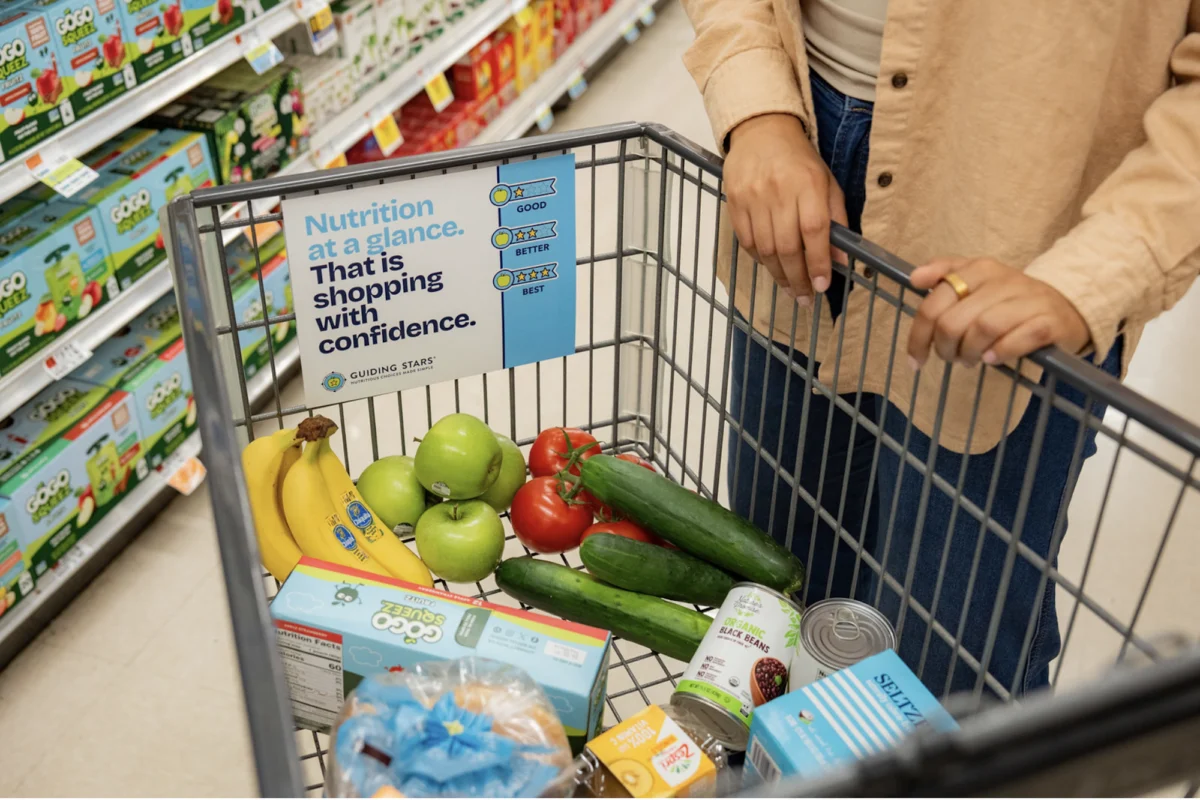
- Labeling and Transparency: Implementing environmental impact labeling on food packaging to allow consumers to make informed choices.
- Transition Support: Providing social safety nets and retraining programs for traditional livestock farmers, ensuring that the transition does not leave rural economies behind.
The UCLA Sustainable Food Systems initiative and various European policy groups have suggested that "nudging" consumers through choice architecture—making the plant-based option the default—is more effective than restrictive mandates.
Implications for Global Biodiversity and Soil Health
The most significant collateral benefit of reducing livestock dependency is the preservation of biodiversity. Currently, the expansion of grazing land and the monoculture of soy (largely for animal feed) are the primary drivers of deforestation in the Amazon and other critical ecosystems.
When we transition to a plant-based diet, we reduce the demand for these massive land-use footprints. This creates a "land-sparing" effect. With less demand for grazing, millions of hectares could be returned to forest cover, which serves as a natural carbon sink and a haven for endangered species.
Furthermore, soil health—the literal foundation of our food system—is improved by plant-forward agriculture. Intensive livestock grazing often leads to soil compaction and erosion. Conversely, regenerative plant-based agriculture relies on diverse crop rotations, cover cropping, and legume integration, which naturally fix nitrogen in the soil, reduce the need for synthetic fertilizers, and enhance the soil’s ability to store carbon.
Navigating Nutritional and Cultural Barriers
Critics of the transition often point to two hurdles: nutritional adequacy and cultural identity. It is a common misconception that plant-based diets cannot support a high-performance lifestyle. However, nutritional science suggests that with careful planning—incorporating diverse protein sources like tofu, seitan, tempeh, and fortified plant milks—individuals can easily meet their requirements for protein, iron, calcium, and vitamin B12.
Cultural barriers are perhaps more complex. Food is deeply tied to identity, tradition, and social cohesion. Forcing a sudden abandonment of cultural dishes is rarely successful. Instead, advocacy groups are shifting toward "culinary evolution"—a process where traditional recipes are adapted using plant-based alternatives that retain the flavor profiles and social functions of the original meals.
Conclusion: The Path Forward
The transition toward a plant-based food system is not a binary choice between "meat" and "no meat." It is a spectrum of change. Every percentage point of meat removed from a diet translates into tangible water savings, land restoration, and emissions mitigation.
As we look toward 2050, the integration of dietary change into the broader climate strategy is no longer optional. It is a necessary, evidence-based, and highly effective strategy for planetary survival. By aligning our food systems with the realities of our changing climate, we can ensure that the "battleground" of the plate becomes the foundation for a more resilient, biodiverse, and nourished world. The evidence is clear: the most powerful tool we have to fight climate change is the one we use three times a day.
Frequently Asked Questions (FAQ)
Q: Is it true that meat alternatives are just as bad for the environment as meat?
A: Not necessarily. While highly processed meat alternatives can have a higher footprint than whole-food plant sources (like beans), they generally still have a significantly lower environmental impact than conventional beef or lamb. The key is to prioritize minimally processed whole foods.
Q: How do we help farmers who currently depend on livestock?
A: A just transition is essential. Governments must provide transition grants, research funding for shifting to plant-based crops, and support for carbon-farming incentives that pay farmers for the ecosystem services (like carbon sequestration) they provide.
Q: Is B12 deficiency a real risk for those who cut out meat?
A: Yes, B12 is primarily found in animal products. However, it is easily obtained through fortified foods (like nutritional yeast or plant milks) or simple, inexpensive supplements. A well-planned diet makes this concern entirely manageable.
Q: Can individual choices actually change the climate?
A: Individual choices create the "demand signal" that drives markets. When enough individuals shift their preferences, corporations and governments react to meet that new demand. This creates a feedback loop that eventually changes the entire industrial system.