One year ago, the cryptocurrency industry stood on the precipice of what many believed was a permanent ascent. "Uptober"—a moniker coined by market participants to describe the historically bullish nature of the tenth month—seemed to be living up to its reputation in spectacular fashion. Bitcoin (BTC) had smashed through psychological barriers, touching an all-time high of approximately $126,000.
However, the euphoria was short-lived. On October 10, 2025, the market suffered a catastrophic liquidity event that wiped out over $19 billion in leveraged positions within a single 24-hour window. As the industry marks the first anniversary of this historic crash, the scars remain visible. Bitcoin is still struggling to reclaim its former glory, and the event serves as a sobering reminder of the dangers inherent in extreme market leverage.
The Mirage of $126,000: A Chronology of the Collapse
To understand the severity of the October 2025 crash, one must look at the climate of the preceding week. Market sentiment was overwhelmingly bullish. Following the breach of the $120,000 mark, retail and institutional investors alike were caught in a "fear of missing out" (FOMO) loop. Permabulls were aggressively forecasting targets of $200,000, and some even whispered of $500,000 by the year’s end.
The Buildup: October 1–7, 2025
The first week of October was defined by rapid capital inflows. Bitcoin’s momentum was relentless, culminating in an all-time high (ATH) of roughly $126,000 on October 7. At this stage, the market was heavily over-leveraged; traders were using significant borrowed capital to amplify their positions, betting that the momentum would continue indefinitely.
The Trigger: October 8–9, 2025
The cracks began to appear as geopolitical tensions flared. Reports of escalating trade friction between the United States and China acted as the primary catalyst for a market-wide "risk-off" sentiment. As traditional equities began to wobble, the high-beta nature of cryptocurrency assets made them prime targets for a massive sell-off.
The "Black Tuesday": October 10, 2025
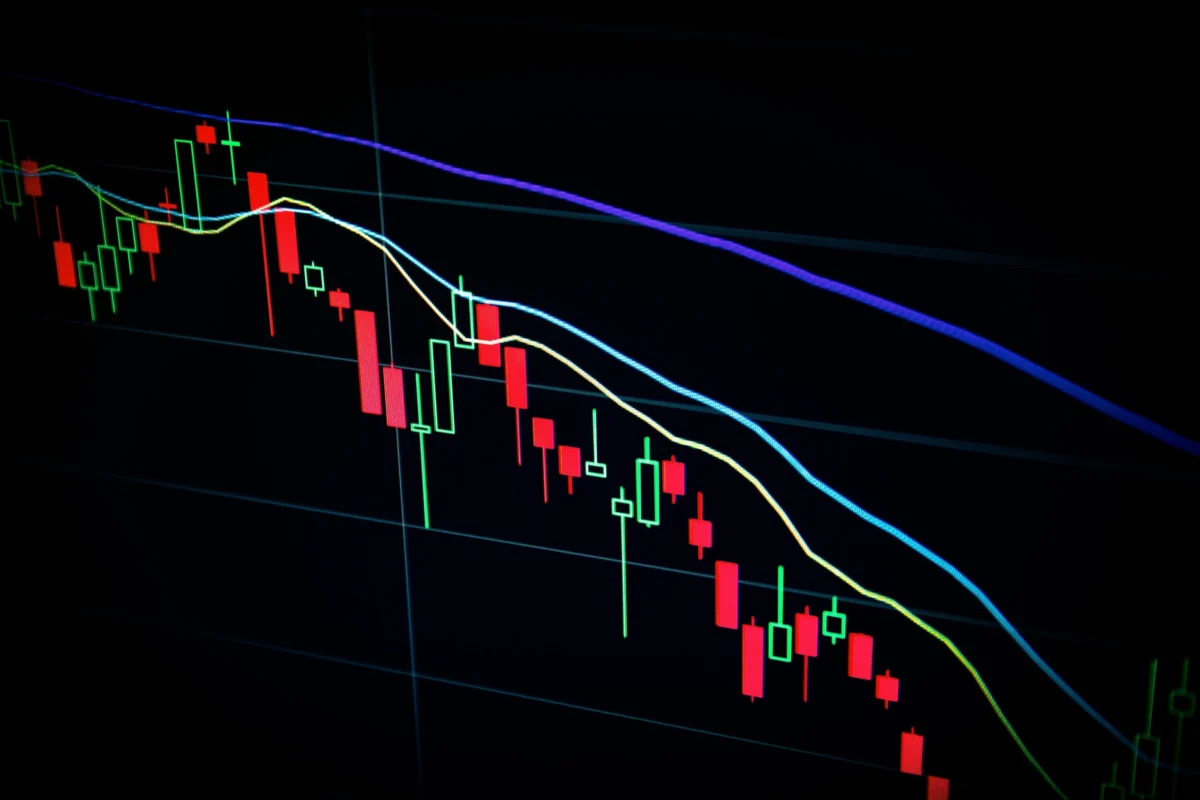
The dam broke on October 10. The sell-off was not a slow bleed but a violent, cascading liquidation event. As BTC price dipped below the critical $120,000 support level, automated liquidation engines on major exchanges began triggering margin calls. This forced selling created a feedback loop, driving the price down to $105,000 on most exchanges, with some flash-crashing to as low as $101,000. In a single day, over 1.6 million traders saw their positions liquidated. It was, by all accounts, the most destructive 24-hour period in the 16-year history of the digital asset industry.
Supporting Data: By the Numbers
The scale of the October 2025 disaster is best quantified through the wreckage left behind. The $19 billion figure is not merely a headline; it represents a fundamental shift in market structure.
- Total Liquidations: Over $19 billion in leveraged long positions were vaporized.
- User Impact: Approximately 1.6 million unique accounts were liquidated. This indicates that the crash disproportionately affected retail traders who had over-leveraged their accounts in anticipation of a "moon" trajectory.
- Price Compression: Bitcoin experienced a nearly 20% drawdown within 24 hours, shedding over $20,000 in value.
- The Bearish Aftermath: The crash initiated a protracted decline that bottomed out at roughly $58,000 on July 1, 2026—a 53% collapse from the October peak.
Official Responses and Market Analysis
In the immediate wake of the event, the industry was silent, stunned by the velocity of the decline. Exchanges faced criticism for their liquidation protocols, with many users arguing that the speed of the price drop made it impossible to deposit additional collateral to save their positions.
Market analysts, who had been bullish just days prior, quickly pivoted to "risk management" discourse. The consensus among institutional researchers was that the market had become "too crowded." The leverage-to-spot ratio had reached unsustainable levels, making the market brittle.
"The crash wasn’t just a reaction to trade news," noted one senior analyst at a prominent crypto hedge fund. "It was a mechanical failure. When you have billions of dollars in speculative bets held up by thin margins, any significant volatility will trigger a cascade. We didn’t just see a price correction; we saw a total flushing of the system’s excesses."
Implications: A Lesson Unlearned?
A year later, the market finds itself in a state of tentative recovery. Bitcoin currently fluctuates between $82,000 and $83,000. While this is a significant improvement from the $58,000 lows of July, it remains roughly 34% below the 2025 peak.
The recovery has been cautious. While five major technical indicators tracked by firms like BIT have recently signaled a return to a "bullish regime," the market remains skittish. This was evidenced just last week, when a minor correction saw BTC dip from $87,000 to $80,400. Even this relatively modest move resulted in over $1 billion in liquidated leveraged positions.
This recent event suggests a grim reality: the cycle of over-leverage persists. Despite the trauma of October 2025, a segment of the trading community remains prone to the same high-risk behaviors. The "lesson" of the $19 billion crash—that leverage is a double-edged sword that often cuts the user—appears to have been ignored by newer market participants.
The Road Ahead
As we reflect on the anniversary of this historic liquidation, the cryptocurrency market finds itself at a crossroads. The promise of "Uptober" remains, but it is now tempered by the memory of the 2025 collapse.
For the industry to mature, it must reconcile its speculative nature with the need for stability. The events of October 10, 2025, served as a painful reset, forcing the market to shed billions in reckless bets. While the current price levels are far from the record highs of last year, the slow, methodical climb suggests a more grounded approach to valuation.
However, the recurring volatility and the recent $1 billion liquidation event serve as a stark warning. The market has not yet evolved to a point where volatility is dampened by maturity; rather, it remains a volatile environment where the unwary are swiftly punished. Investors would do well to remember that while the market has the potential for historic gains, it also possesses the unique capacity to wipe out a generation of wealth in the span of a single afternoon. The "October Scar" is not just a historical data point; it is a permanent fixture in the psychology of the modern crypto trader.