In the shifting landscape of modern corporate governance and political influence, the boundaries between private technology firms and federal oversight are becoming increasingly blurred. Recent reports, punctuated by a candid account from President Donald Trump during a campaign rally in South Carolina, have brought the relationship between the White House and Alphabet Inc.—Google’s parent company—into sharp focus. The crux of the controversy: the President’s attempt to leverage administrative influence to redefine geographic landmarks on Google Maps, specifically targeting the world’s major oceans.
The Atlantic Proposal: A Line in the Sand?
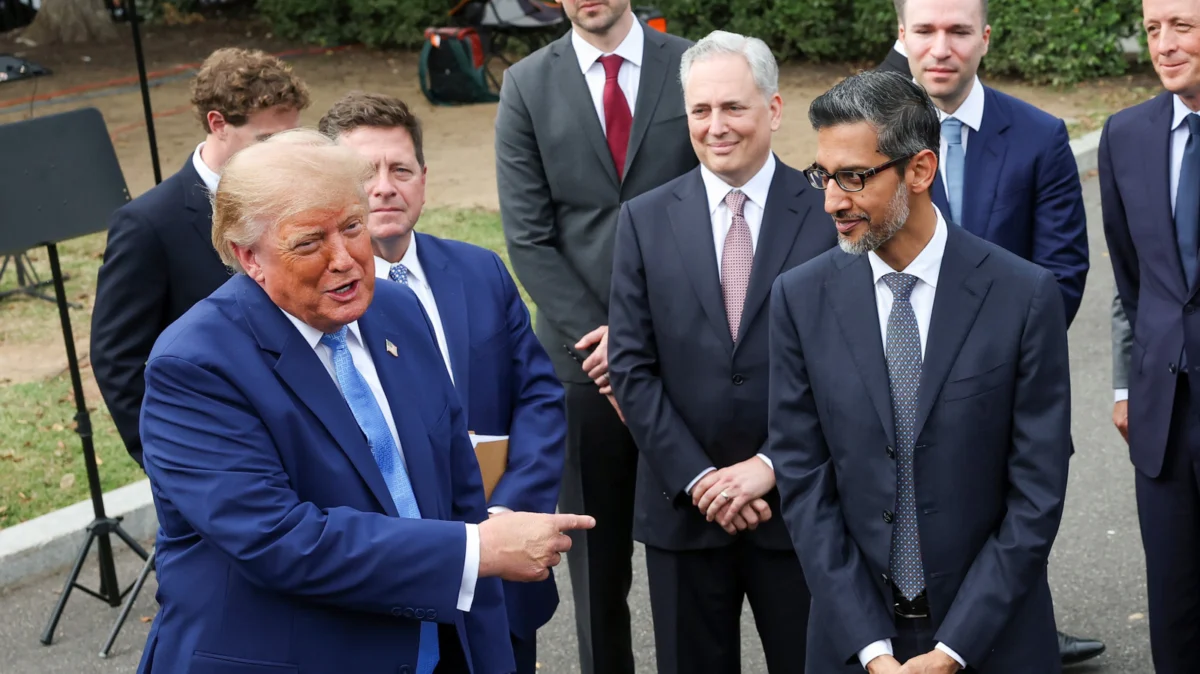
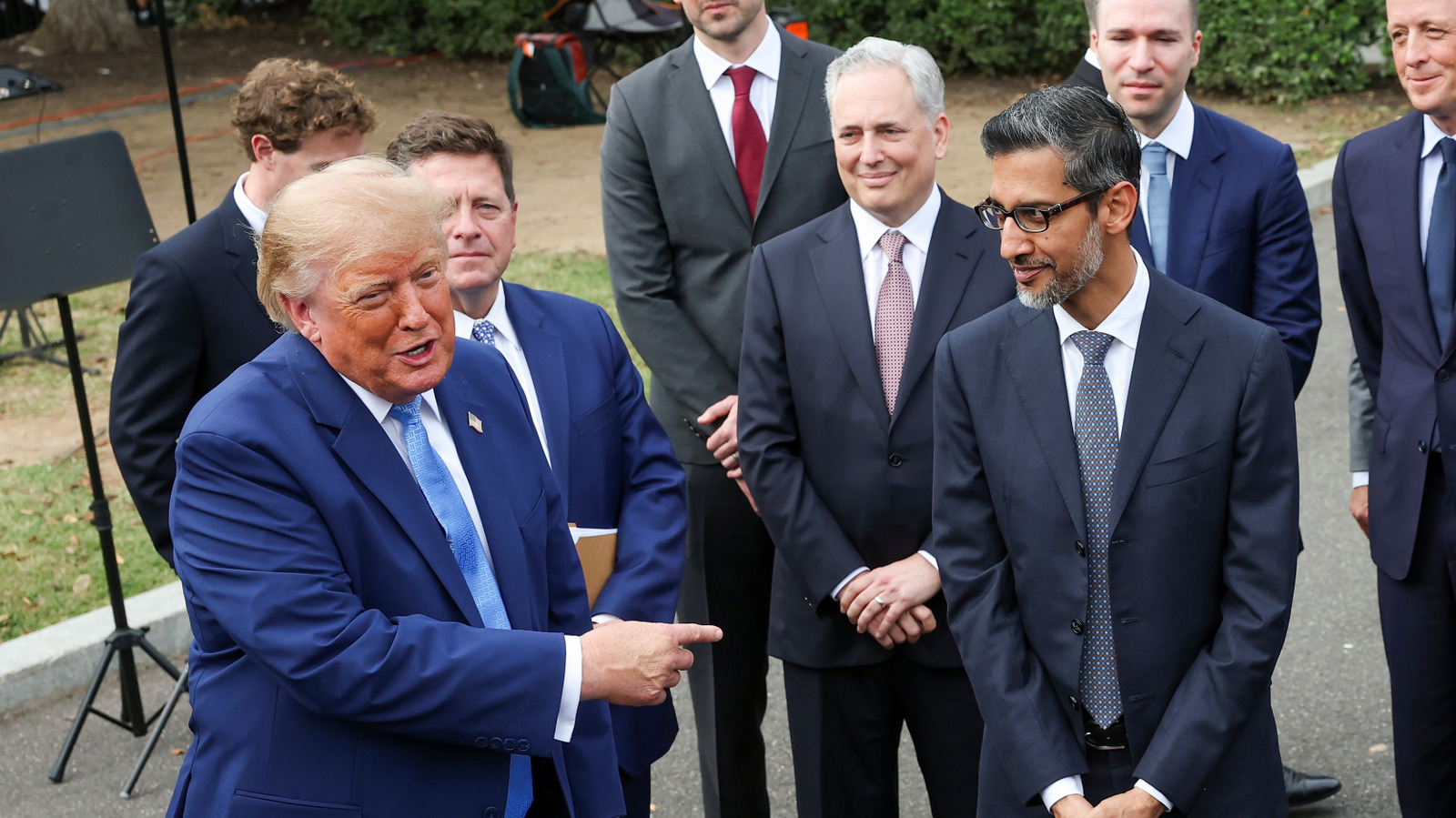
During a rally held on October 22, 2026, President Trump addressed the crowd with an anecdote detailing a phone call between himself and Google CEO Sundar Pichai. According to the President, he had approached the tech executive with a unique request: to rename the Atlantic Ocean, either as the "Trump Ocean" or the "American Ocean."
The proposal, while framed by the President as a matter of national branding, represents an escalation in the administration’s efforts to exert influence over digital cartography. According to Trump’s account, Pichai reportedly resisted, stating, "Please don’t ask us to do that," and offering the rationale that oceans are global bodies of water that touch numerous sovereign nations.
"No, no, no, this time I’m not doing it," the President quoted Pichai as saying. "Oceans are different, sir."
Despite this reported pushback, the incident raises significant questions about the extent to which private corporations are willing to withstand political pressure when their business interests—ranging from tax incentives to regulatory scrutiny—are at stake.
Chronology of Cartographic Revisionism
The friction between the current administration and Big Tech regarding geographic naming conventions is not a new development. The request regarding the Atlantic Ocean is merely the latest chapter in a series of digital rebrandings that have taken place over the last two years.
1. The Gulf of America (Early 2025)
The precedent for these changes was established in early 2025, shortly after the administration issued an executive order mandating that federal agencies and government-contracted entities reflect a "pro-American" nomenclature in public-facing documentation. Google complied by renaming the "Gulf of Mexico" to the "Gulf of America" for users accessing the platform from within the United States.
2. Lake America (August 2026)
Following the success of the Gulf rebranding, the administration’s focus shifted to North American freshwater bodies. In August 2026, Google Maps officially updated the label for Lake Ontario to "Lake America." In both instances, the change was restricted to US-based IP addresses, an attempt by the company to satisfy domestic political demands while maintaining a neutral global profile.
3. Industry-Wide Compliance
It is worth noting that Google did not act in a vacuum. In the wake of the changes to Lake Ontario, Apple Maps implemented identical updates, signaling a broader industry trend where major Silicon Valley firms have opted for compliance over confrontation to avoid potential retaliatory regulatory actions.
The Geography of Influence: A Closer Look at the Logic
The President’s rationale for the naming changes is rooted in a philosophy of national sovereignty and branding. However, the stated rationale for Pichai’s refusal—that oceans "cover a lot of countries"—has been met with skepticism from geopolitical analysts. Critics point out that the Gulf of Mexico is bounded by the United States, Mexico, and Cuba, while Lake Ontario is shared between the United States and Canada.
If Google felt comfortable renaming these bodies of water, the argument follows, the distinction between a "Gulf" and an "Ocean" becomes a matter of political expediency rather than geographical accuracy. This inconsistency highlights the precarious position of tech giants, who must balance the demands of the White House against the expectations of a global user base that relies on these tools for objective, standardized information.
Economic Pressures and Regulatory Leverage
The willingness of Big Tech to acquiesce to these naming mandates cannot be separated from the broader economic environment of 2026. The administration has utilized a variety of levers to maintain this leverage:
- Tariff Exemptions: The administration has used the threat of import tariffs on foreign-manufactured hardware as a tool to gain concessions from software giants.
- Government Contracting: With the federal government as one of the largest consumers of cloud computing and AI services, companies like Google are heavily incentivized to maintain a cooperative relationship with the executive branch.
- Regulatory Favors: Ongoing investigations into antitrust practices and data privacy laws have often been tempered by favorable executive gestures, creating a "quid pro quo" environment that experts argue compromises the independence of these platforms.
The Broader Context: A Nation Under Strain
While the administration focuses on the symbolic naming of oceans, the domestic economic landscape remains fraught with challenges. The current political theater plays out against a backdrop of significant national concern:
- Inflation and Energy Costs: According to the latest data from AAA, gas prices currently sit at $4.27 per gallon, with diesel costs averaging $6.31. These figures have placed a sustained burden on supply chains and household budgets.
- The Iran Conflict: The ongoing military engagement in Iran has reached its 236th day. This significantly exceeds the initial timelines suggested by the administration in early March 2026, when officials hinted that the conflict could be resolved in under five weeks.
- Midterm Projections: With the midterm elections looming in less than two weeks, political analysts suggest that these high-profile, "patriotic" branding initiatives are designed to galvanize the base and shift the narrative away from stagnant economic growth and foreign policy entanglements.
Implications for the Future of Digital Information
The implications of this trend extend far beyond the names of bodies of water on a map. If private companies continue to adjust the fundamental data they provide based on the whims of a sitting president, the perceived reliability of digital tools as "neutral" sources of truth is at risk.
The Erosion of Neutrality
Google Maps is more than just a navigational tool; it is a vital piece of global infrastructure. When that infrastructure becomes subject to nationalistic editing, it compromises the trust that users place in the platform. International users, in particular, are increasingly looking for alternatives that are not subject to the political pressures of the US government.
The Precedent for Future Administrations
By establishing that cartographic labels are negotiable, the current administration has set a precedent that could be exploited by future leaders of any political affiliation. If the naming of the Pacific Ocean can be debated, what other geographical or scientific facts might become subject to "executive review"?
The Role of Corporate Responsibility
There is a growing call among tech ethics advocates for firms to adopt a "neutral data" policy that explicitly refuses to alter historical, geographical, or scientific data to satisfy political entities. As of press time, Google has not responded to multiple requests for comment regarding their policy on geographic labeling or their specific interactions with the White House.
Conclusion
As the midterms approach, the anecdote about the Atlantic Ocean serves as a microcosm for the current state of American politics and the corporate response to it. Whether the President will eventually succeed in renaming the Pacific remains to be seen, but the debate has already served its purpose: it has forced a conversation about the boundaries of power in the digital age.
For now, the Atlantic remains the Atlantic. However, the line in the sand—if there is one—appears to be shifting. As tech companies continue to navigate the thin line between corporate survival and their role as stewards of global information, the public is left to wonder if the map of the future will be defined by objective geography or by the dictates of political power.