By Financial Analysis Desk
January 9, 2026
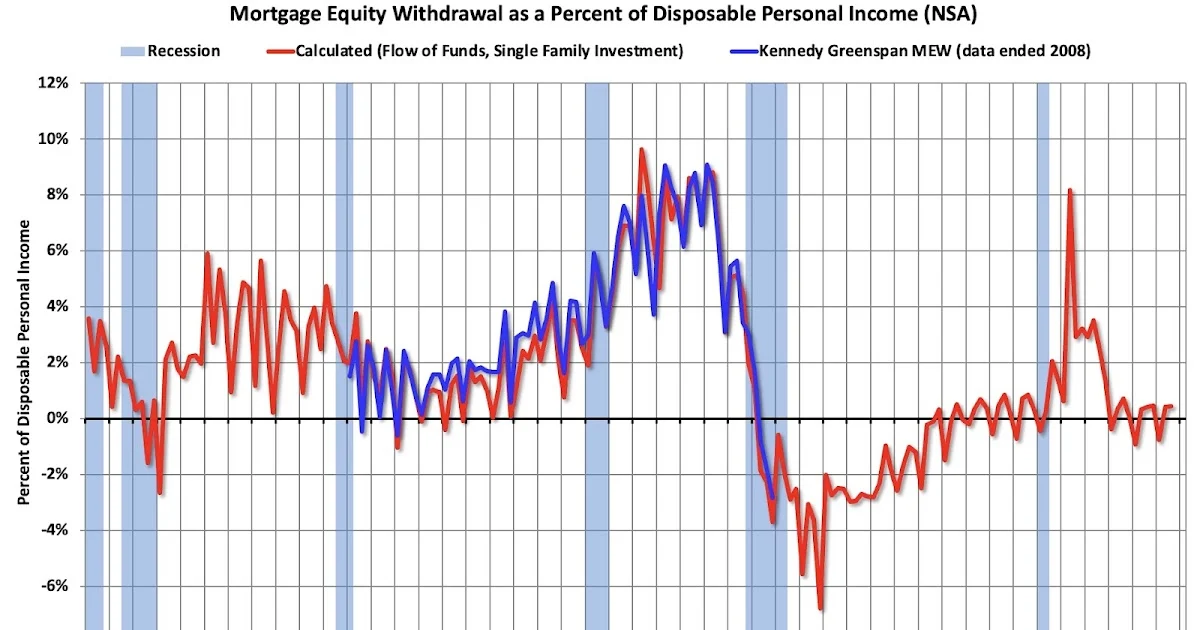
In the annals of American economic history, few phrases capture the speculative fervor of the mid-2000s quite like the "Home ATM." During that era, homeowners treated their properties as bottomless piggy banks, leveraging skyrocketing home values to finance everything from luxury vacations to home renovations. When the bubble burst, the resulting wave of negative equity triggered a systemic collapse that reshaped the global financial landscape.
As of the third quarter of 2025, however, the latest data from the Federal Reserve’s Financial Accounts of the United States (the Z.1 report) suggests that this "Home ATM" remains largely shuttered. While mortgage debt is growing, it is a far cry from the unbridled borrowing that defined the pre-2008 landscape.
Main Facts: The State of Household Leverage
According to the Federal Reserve’s latest data release on January 9, 2026, mortgage debt in the United States grew by $108 billion in the third quarter of 2025. This figure is identical to the growth recorded in the second quarter, signaling a period of steady, albeit modest, accumulation.
To interpret these numbers correctly, analysts distinguish between total mortgage debt growth and Mortgage Equity Withdrawal (MEW). Because a portion of this $108 billion is directed toward the acquisition of new housing stock—construction loans and primary purchase mortgages—the actual amount of "cash-out" equity extraction remains significantly constrained compared to the excesses of two decades ago. The current data reflects a market characterized by conservative lending standards and a more cautious consumer base, marking a departure from the historical trend of using the home as a primary engine for consumer spending.
Chronology: From Bubble to Stability
The Era of Excess (2002–2006)
The term "Home ATM" gained prominence during the mid-2000s housing bubble. During this period, home prices were decoupled from income levels, and financial innovation—specifically the rise of subprime mortgages and home equity lines of credit (HELOCs)—made it incredibly easy for households to extract cash from their properties. Between 2003 and 2006, mortgage debt expanded at an unprecedented rate, fueling a consumer spending spree that masked underlying structural weaknesses in the housing market.
The Great Deleveraging (2008–2015)
The subsequent housing crash led to a period of forced deleveraging. As house prices cratered, millions of Americans found themselves "underwater," owing more on their mortgages than their homes were worth. This period saw a dramatic reduction in mortgage debt, not through voluntary repayment, but through catastrophic means: foreclosures, short sales, and bankruptcy proceedings. This seven-year window of declining debt wiped out trillions in household wealth and left a psychological scar on the American homeowner.
The Modern Consolidation (2016–2025)
Following the recovery, the housing market entered a phase of stabilization. Even as home prices reached new nominal highs, the surge in debt was largely driven by new home purchases rather than the rampant equity extraction seen in the 2000s. Today, the Z.1 report confirms that while debt is rising, it is doing so at a pace that largely tracks with the expansion of the housing stock, suggesting that the "Home ATM" has been replaced by a more prudent approach to housing finance.
Supporting Data: Analyzing the Federal Reserve Z.1 Report
The Z.1 report is the definitive "Flow of Funds" account for the American economy. By tracking the flow of credit, the report allows economists to visualize how households allocate debt.

The $108 billion increase in Q3 2025 is a critical data point for several reasons:
- Debt vs. Equity: Unlike the bubble years, where credit was used to fund consumption (vacations, luxury goods), current mortgage growth is heavily skewed toward capital formation. With high demand for housing and supply constraints, much of the new debt is tied to the construction and acquisition of new properties.
- Lending Standards: Post-Dodd-Frank regulations have institutionalized stricter underwriting criteria. Borrowers today generally have higher credit scores and more "skin in the game" (higher down payments) than their counterparts in 2005.
- The Interest Rate Factor: With interest rates having hovered at elevated levels throughout 2024 and 2025 compared to the previous decade, the cost of borrowing against home equity has become prohibitive for many. This has acted as a natural brake on the "Home ATM," preventing homeowners from treating their houses like liquid bank accounts.
Official Perspectives and Regulatory Stance
The Federal Reserve has maintained a watchful eye on household leverage. While the Fed does not set individual mortgage terms, its policy decisions regarding the federal funds rate serve as the primary lever for the cost of home equity loans and HELOCs.
In recent commentary accompanying the Z.1 release, Federal Reserve officials emphasized that current household debt service ratios remain within manageable historical ranges. While there is concern about the concentration of debt among specific demographics, the overall picture of the U.S. consumer is one of relative solvency. The regulator’s focus has shifted from the systemic risk of mortgage-backed securities—which were the primary concern in 2008—to the inflationary impact of household credit growth.
Furthermore, housing economists from the Department of Housing and Urban Development (HUD) have noted that the current increase in mortgage debt is, in many ways, a positive sign of a healthy, growing market. As the population grows, the total volume of mortgage debt is expected to rise; the concern only arises when that debt growth significantly outpaces the value of the underlying assets.
Implications for the Future
The fact that the "Home ATM" remains closed carries profound implications for the broader economy.
For the Consumer
For the average American, the lack of easy cash-out refinancing means that household balance sheets are more resilient to economic shocks. Without the ability to rely on home equity to bail them out of emergencies, households are forced to maintain higher savings rates. This contributes to a more stable, albeit less "bubbly," consumption environment.
For the Real Estate Market
The lack of equity withdrawal reduces the amount of "hot money" flowing into the real estate market. This prevents the kind of speculative feedback loops that characterized the 2005 market, where rising prices allowed for more borrowing, which in turn fueled more buying. The market is now driven by primary demand—people buying homes to live in—rather than investor speculation fueled by cheap equity.
For Macroeconomic Stability
The primary lesson of the housing bust was that household debt is a systemic risk. By maintaining a closed or restricted "Home ATM," the U.S. economy is better protected against a sudden collapse in home prices. If a housing market correction were to occur in 2026, the ripple effects on consumer spending would likely be far less severe than they were in 2008, simply because households have not leveraged their homes to support their daily lifestyle expenses.
Conclusion
The latest data from the Federal Reserve confirms that the American housing market has matured. While the $108 billion increase in mortgage debt in Q3 2025 might appear substantial at first glance, it is a measured, necessary expansion linked to the health of the housing stock. The "Home ATM" may be a relic of a more reckless financial era, but its current closure is a testament to the lessons learned from the housing bust. As we move further into 2026, the stability of the housing market remains a cornerstone of the broader national economic outlook, provided that the current discipline in lending and borrowing continues to hold.