Introduction
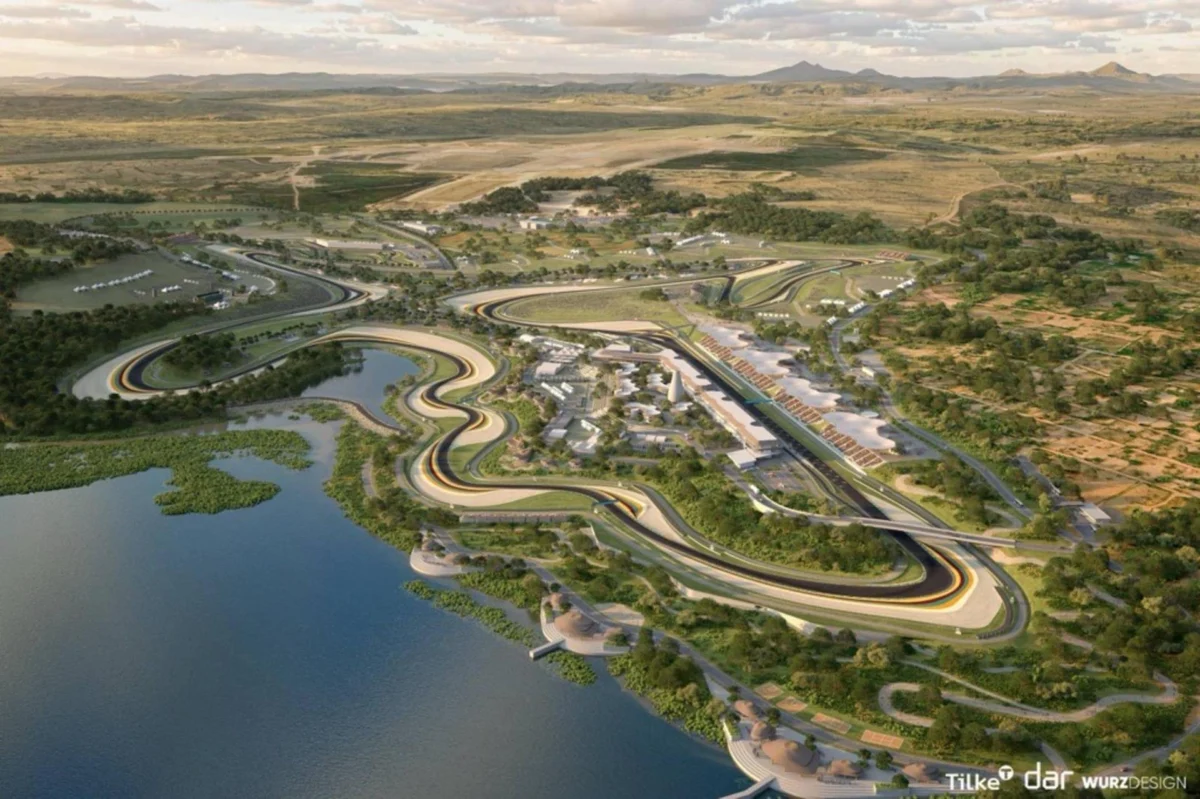
The roar of Formula 1 engines is set to return to the African continent for the first time in over three decades. Earlier this month, the government of Rwanda and Formula 1 officially inked a landmark 10-year agreement to host the African Grand Prix, with the inaugural race scheduled for the early 2030s. While the announcement has been heralded by motorsport enthusiasts as a historic homecoming, it has simultaneously ignited a fierce global debate regarding the intersection of international sports, economic development, and the controversial practice of "sportswashing."
As Formula 1 seeks to cement its status as a truly global championship, the decision to plant its flag in Kigali represents both a strategic commercial play and a significant geopolitical gamble. The partnership forces a complex reckoning: is this a genuine effort to expand the sport’s horizons, or is it a high-stakes transaction where human rights are traded for prestige?
Chronology: The Road to Kigali
The history of Formula 1 in Africa has been marked by long periods of silence punctuated by brief, iconic moments.
- 1993: The South African Grand Prix at the Kyalami circuit serves as the final F1 race on the African continent. Political instability and shifting priorities led to a thirty-year hiatus.
- 2020s: As Liberty Media expanded F1’s reach into the United States and the Middle East, calls for a return to Africa grew louder. South Africa and Morocco emerged as early contenders, but logistical and financial hurdles stalled negotiations.
- 2024: Rwanda begins formal discussions with the FIA and Formula 1 management, emphasizing its modernizing infrastructure and its history of hosting major global events, such as the Basketball Africa League (BAL).
- October 2026: Formula 1 officially announces a 10-year agreement with Rwanda, marking the start of a new chapter for the sport in Africa.
The Economic and Strategic Rationale
To understand why Formula 1 has chosen Rwanda—a nation with a developing economy—one must look at the sport’s aggressive expansion strategy. F1 currently operates on a pay-to-play model that sees host nations and cities shell out an average of $30 million annually in hosting fees. For Liberty Media, the return to Africa is not merely symbolic; it is a calculated entry into a massive, underserved market.
Estimates suggest there are over 100 million potential fans across Africa, a demographic that is young, digitally savvy, and increasingly affluent. By establishing a permanent home in Rwanda, F1 secures a strategic foothold in a region that has been conspicuously absent from the calendar for a generation. For Rwanda, the hosting fee is seen as an investment in national branding. The goal is to leverage the immense global visibility of F1 to attract tourism, foreign direct investment, and to position Kigali as a regional hub for major international events.
The Sportswashing Controversy
The ink on the contract was barely dry before human rights organizations launched a blistering critique. Amnesty International and other advocacy groups were quick to label the deal a "sportswashing prize."
The term "sportswashing" refers to the practice of using high-profile sports events to polish a country’s reputation and distract from domestic or international abuses. In Rwanda’s case, critics point to a long list of grievances. Human Rights Watch and other international bodies have documented persistent restrictions on civil and political rights, including the suppression of political opposition, limitations on freedom of the press, and the detention of activists.
Furthermore, the situation in the eastern Democratic Republic of the Congo (DRC) casts a long shadow over the agreement. Allegations of Rwandan government support for the M23 militia, which has been linked to severe human rights violations and displacement in the DRC, have created a diplomatic firestorm. Critics argue that by choosing Rwanda as a partner, Formula 1 is providing a veneer of legitimacy to a regime that remains under heavy international scrutiny.
Official Responses and Corporate Responsibility
Formula 1’s management has largely defended the move through the lens of universality. In official statements, they have emphasized that bringing the sport to new regions promotes economic development and cultural exchange. They argue that F1 should be a global sport, and that excluding an entire continent based on the policies of individual governments would be counterproductive to the goal of inclusion.
However, the silence from many team principals and drivers—who have historically been vocal on issues like climate change and social justice—has been notable. This creates a tension between F1’s "We Race As One" initiative and the reality of doing business in countries with questionable human rights records. The sport is increasingly being forced to answer: where is the line between global expansion and complicity?
Implications for the Future
The decision to race in Rwanda raises profound questions about the future of international sports diplomacy.
1. The Normalization of Pay-to-Play
As hosting fees continue to climb, the ability to host an F1 race becomes limited to nations with deep pockets or those willing to prioritize vanity projects over social welfare. This model risks alienating traditional European circuits, which often struggle to compete with the financial backing of government-sponsored races in the Middle East and now, East Africa.
2. The Power of Influence
Proponents of the Rwanda deal argue that international engagement is better than isolation. They contend that by hosting a massive global audience, the Rwandan government will be under a spotlight, potentially leading to greater transparency. However, history—including the experiences of host countries like Qatar, Saudi Arabia, and Azerbaijan—suggests that mega-events often serve to entrench regimes rather than reform them.
3. The "African Grand Prix" Identity
While Rwanda is the host, the event is being billed as the "African Grand Prix." This places a significant burden on the race to represent the interests and aspirations of the entire continent. If the event is perceived solely as a project of the Rwandan state rather than a pan-African celebration, it may fail to garner the grassroots support that F1 is banking on to build its fan base.
Conclusion: A Delicate Balance
The return of Formula 1 to Africa is undeniably a milestone, yet it is one fraught with contradiction. The sport is chasing a vast, untapped market and the prestige of a truly global calendar, while its hosts are chasing the legitimacy and soft power that only a sport as visible as F1 can provide.
As the early 2030s approach, the focus will shift from the boardroom to the construction of the circuit and the politics of the track. Formula 1 is betting that the thrill of the race will ultimately outweigh the controversy of its host. Whether that gamble pays off, or whether the sport finds itself further embroiled in the complex, often tragic, politics of the region, remains to be seen. For now, the world waits to see if the lights going out in Kigali will signal a new era of African engagement or a cautionary tale of sportswashing on a global scale.
The sport, and its stakeholders, will be forced to contend with the reality that in the modern world, one cannot simply drive fast and leave the politics behind. The track is the world, and the world is watching.