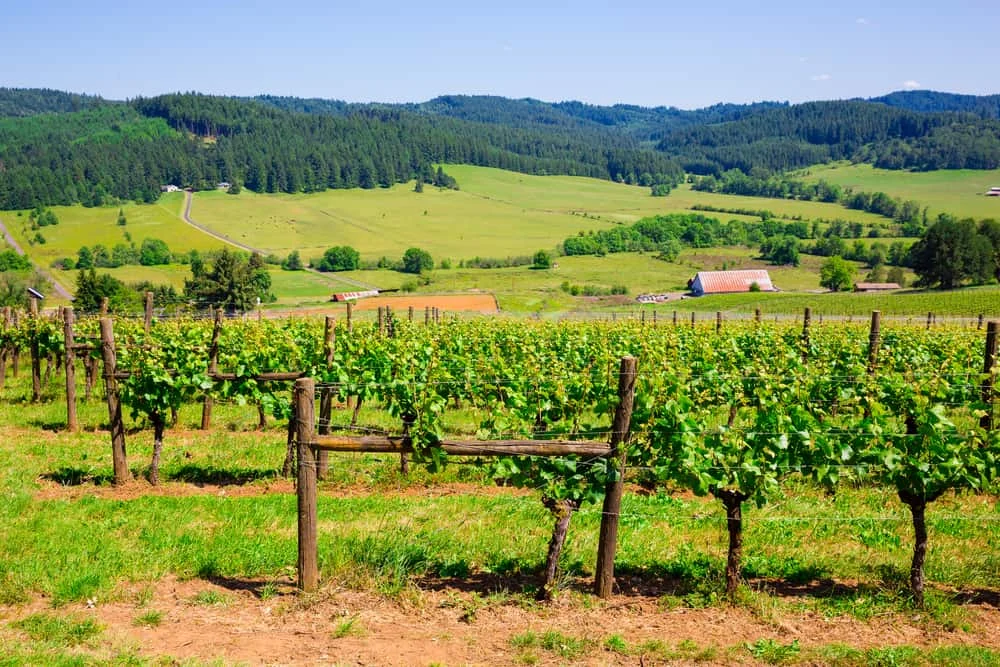
Agriculture stands as the cornerstone of the American economy, serving as the primary engine that nourishes a growing population. For decades, the industry has prioritized high-efficiency, large-scale industrial farming to meet the ever-increasing demands of a globalized food system. However, the success of this model has come at an environmental cost, prompting a profound shift in consumer behavior and agricultural strategy. Today, farmers and consumers alike are increasingly pivoting toward organic alternatives, ushering in a new era of sustainable land stewardship.
The Evolution of Farming: Moving Beyond Industrialization
The traditional agricultural model, characterized by monoculture, genetic modification, and the heavy application of synthetic fertilizers and pesticides, has long been the gold standard for yield maximization. While these techniques succeeded in preventing food shortages, they also contributed to soil degradation, chemical runoff, and a loss of biodiversity.
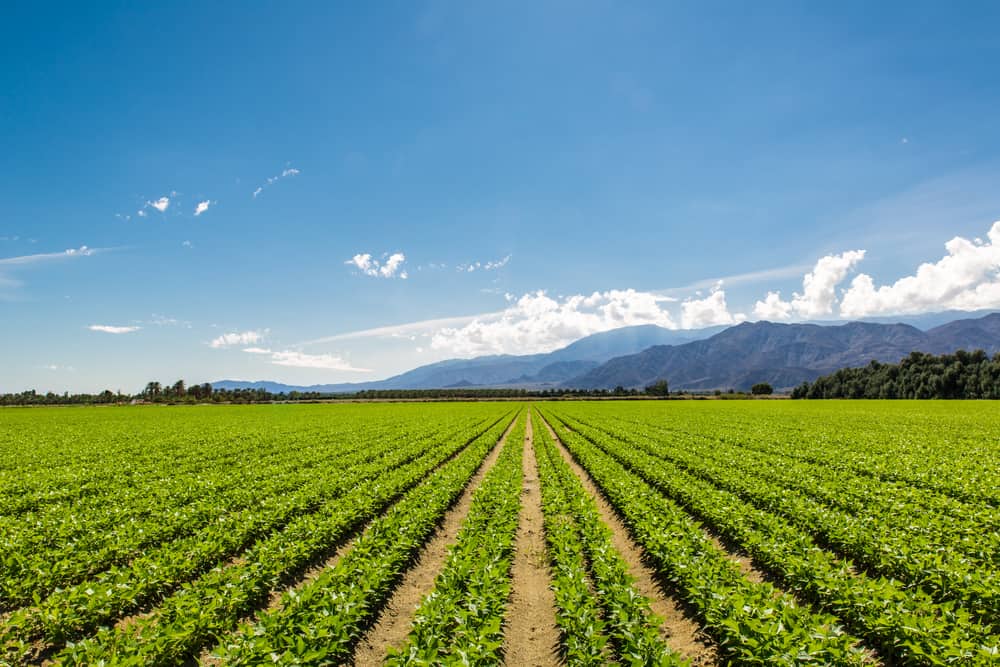
Organic farming represents a deliberate move away from this intensive industrial framework. By mimicking natural ecological processes, organic agriculture focuses on long-term sustainability. Instead of relying on synthetic inputs, organic farmers prioritize soil health, natural pest management, and crop rotation. This holistic approach is not merely a stylistic preference; it is a fundamental shift in how we interact with the land, aiming to conserve natural resources and foster an environment where ecosystems can thrive alongside food production.
Chronology of Growth: A Decade of Transformation
The shift toward organic agriculture is not a recent fad but a sustained, decade-long movement. The data provided by the United States Department of Agriculture (USDA) paints a clear picture of this transition.

In 2008, the U.S. organic landscape consisted of 10,903 certified farms occupying roughly 4 million acres. By 2019, that number had surged to nearly 16,500 farms covering 5.5 million acres. This expansion in land use is mirrored by an equally impressive surge in economic performance. Over the same period, consumer spending on organic products skyrocketed, rising from $3.1 billion to $9.9 billion.
This growth trajectory suggests that the transition is driven by a powerful feedback loop: as consumer awareness regarding health and environmental sustainability grows, market demand rises, providing the financial incentive necessary for conventional farmers to transition to organic certification.

Why Consumers Are Choosing Organic
The surge in demand is fueled by three distinct, yet overlapping, consumer priorities: environmental sustainability, ethical livestock management, and personal health.
1. Environmental Stewardship
For the environmentally conscious, organic farming is the preferred model for its commitment to biodiversity and pollution reduction. These practices are specifically designed to limit the carbon footprint of food production while increasing carbon capture in the soil—a vital component in the broader fight against climate change.

2. Ethical Animal Welfare
The livestock sector has seen some of the most significant changes. Consumers are increasingly demanding higher standards for meat and dairy, and organic operations meet these expectations by prioritizing animal welfare. Organic livestock are typically granted more space, better access to the outdoors, and a diet free from synthetic hormones and routine antibiotics, which many consumers view as a more humane and responsible way to raise food.
3. Nutritional and Health Benefits
Health-conscious shoppers are turning to organic goods to avoid the residues associated with conventional farming. Research suggests that organic produce and proteins may offer greater nutrient density. Furthermore, studies indicate that organic options often contain significantly lower levels of toxic metals and pesticide residues, making them a cornerstone of the "clean eating" movement.

Market Leaders: What is Filling the Shopping Cart?
The organic market is not uniform; specific categories have emerged as the clear winners in consumer preference. Within the $9.9 billion industry, animal products dominate the landscape.
- Organic Milk: Commanding over $1.5 billion in annual sales, milk remains the top-selling organic commodity in the United States.
- Poultry and Eggs: Chicken follows closely at $1.1 billion in annual sales, with eggs contributing another $887 million to the total.
- Fresh Produce: Apples lead the fruit and vegetable sector, generating $475 million in annual sales, highlighting a strong consumer desire for pesticide-free fresh produce.
Geographic Disparities and Regional Leaders
While organic farming is expanding nationally, its adoption is geographically uneven. Large-scale industrial operations in the Midwest and South have been slower to adopt organic practices, often due to the immense scale required to transition vast swathes of monoculture-heavy acreage.

Conversely, California stands as the undisputed titan of the organic movement. With over 3,000 organic farms—more than double the next-highest state—and nearly 1 million acres devoted to organic production, California is the epicenter of this agricultural shift. However, when looking at the relative intensity of organic farming, the picture changes.
While California produces the most organic volume, northeastern states are leading in terms of the percentage of total farmland dedicated to organic practices. States like Maine, New York, and Vermont have integrated organic methods into their regional identities, with Vermont leading the nation by devoting nearly 17% of its total agricultural acreage to organic production.

Official Perspectives and Regulatory Context
The USDA remains the primary authority on organic certification, maintaining rigorous standards that farmers must meet to market their products as "Certified Organic." The 2019 Survey of Organic Agriculture, which serves as the backbone for this analysis, highlights that the transition is not merely about consumer trends but is increasingly supported by federal data collection and monitoring.
Agricultural experts often note that the primary barrier to entry for many farmers is the three-year "transition period" required to achieve certification. During this time, farmers must adhere to organic standards but cannot yet label their goods as organic, often facing higher costs and lower yields without the benefit of premium market pricing. Many industry advocates are calling for increased federal support and subsidies to help conventional farmers navigate this critical financial bridge.

Implications for the Future of U.S. Agriculture
The implications of this shift are far-reaching. As the U.S. establishes itself as a global leader in organic production, it is simultaneously positioning itself as a major exporter. With nations like China, Canada, and Mexico actively importing American organic agricultural products, the economic incentives for further expansion are substantial.
However, the future of the industry rests on three major pillars:

- Technological Integration: How can precision agriculture—often associated with high-tech industrial farming—be adapted for organic operations to help manage weeds and pests without chemical reliance?
- Scalability: As demand continues to rise, the challenge lies in scaling organic operations to reach more consumers without losing the localized, sustainable essence that defines the movement.
- Climate Policy: With the ongoing conversation surrounding climate change, organic farming is likely to play an increasingly central role in federal agricultural policy, specifically regarding soil health programs and carbon sequestration incentives.
Conclusion
The transition toward organic agriculture is more than a change in farming techniques; it is a fundamental reevaluation of the relationship between the consumer, the producer, and the Earth. As the industry continues to grow, it faces the challenge of balancing the high expectations of a health-conscious public with the logistical realities of feeding a nation.
Whether through the expansion of organic acreage in the Northeast or the massive output of California’s organic heartland, the trajectory is clear: the American consumer has signaled a preference for a more sustainable, transparent, and ethical food system. For farmers and policymakers, the task ahead is to ensure that this growth is not only profitable but sustainable, ensuring that the fertile lands of the United States remain productive for generations to come.

Methodology Note
The data utilized in this report is sourced from the USDA’s 2019 Survey of Organic Agriculture. Researchers identified the states with the most robust organic presence by calculating the total certified organic acres as a percentage of total farmland in each state. In cases where data tied between states, the number of organic farms as a percentage of total farms was used as a secondary ranking metric. Only states with comprehensive data sets provided by the USDA were included in this analysis.