As the UK enters 2027, the nation remains trapped in a volatile "fossil-fuel rollercoaster." Despite government interventions and a concerted push toward renewable energy, households and industrial users are grappling with energy bills at their most punitive levels in three years. With the price cap poised to jump by another 25% this January, bringing annual costs toward £2,200 for a typical household, the debate over the future of the UK’s energy strategy has intensified, pitting the pursuit of energy independence against calls to abandon climate targets in favor of cheaper, gas-reliant alternatives.
The Anatomy of the Crisis: What Is Driving Costs?
The October 2026 price cap increase to £1,723 marked a significant turning point, representing a 47% real-terms increase since 2020. However, the projected surge for early 2027 suggests that the worst may be yet to come. To understand this upward trajectory, one must look at the structural components of the bill.
Wholesale Costs: The Gas-Price Dependency
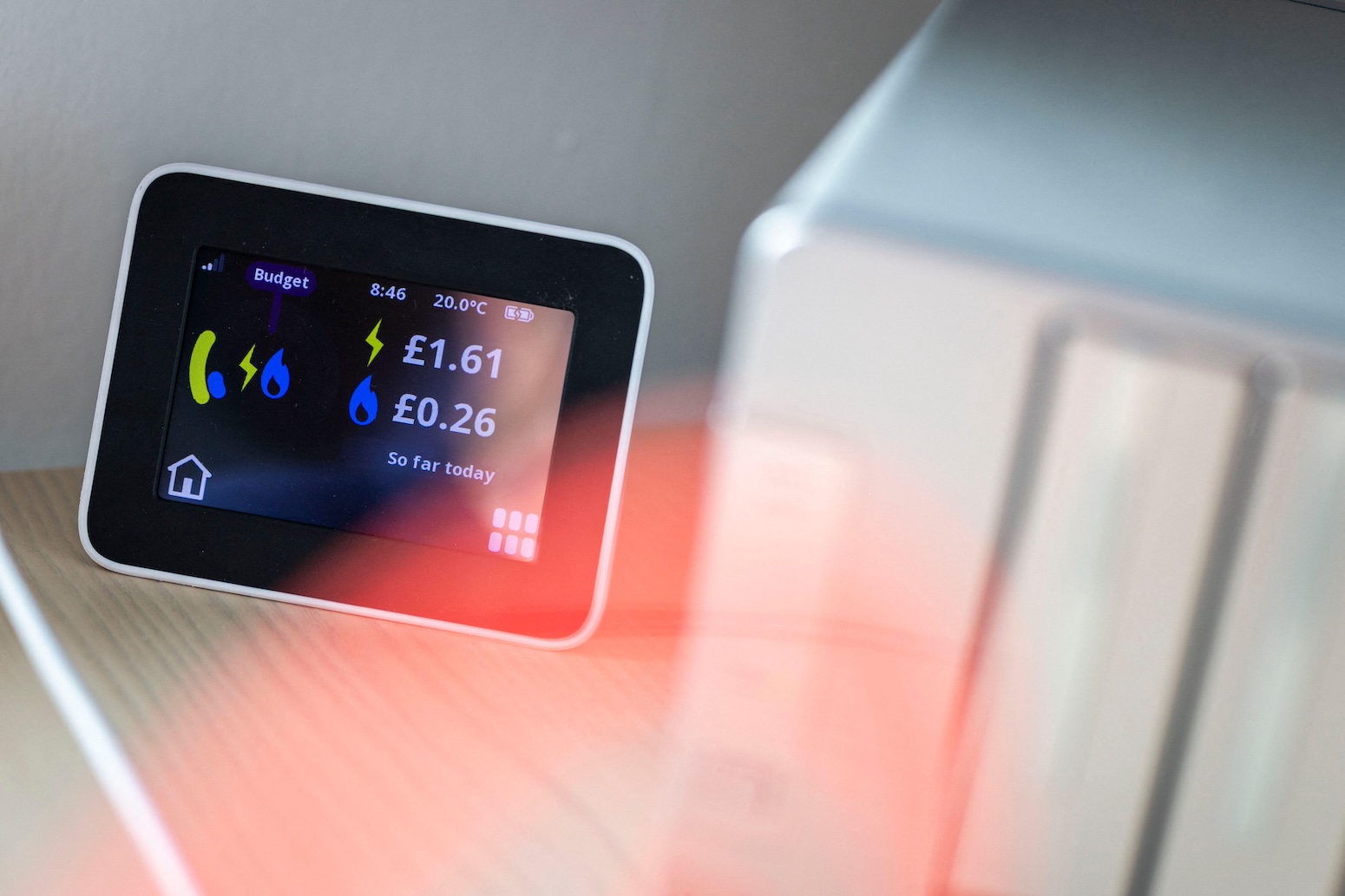
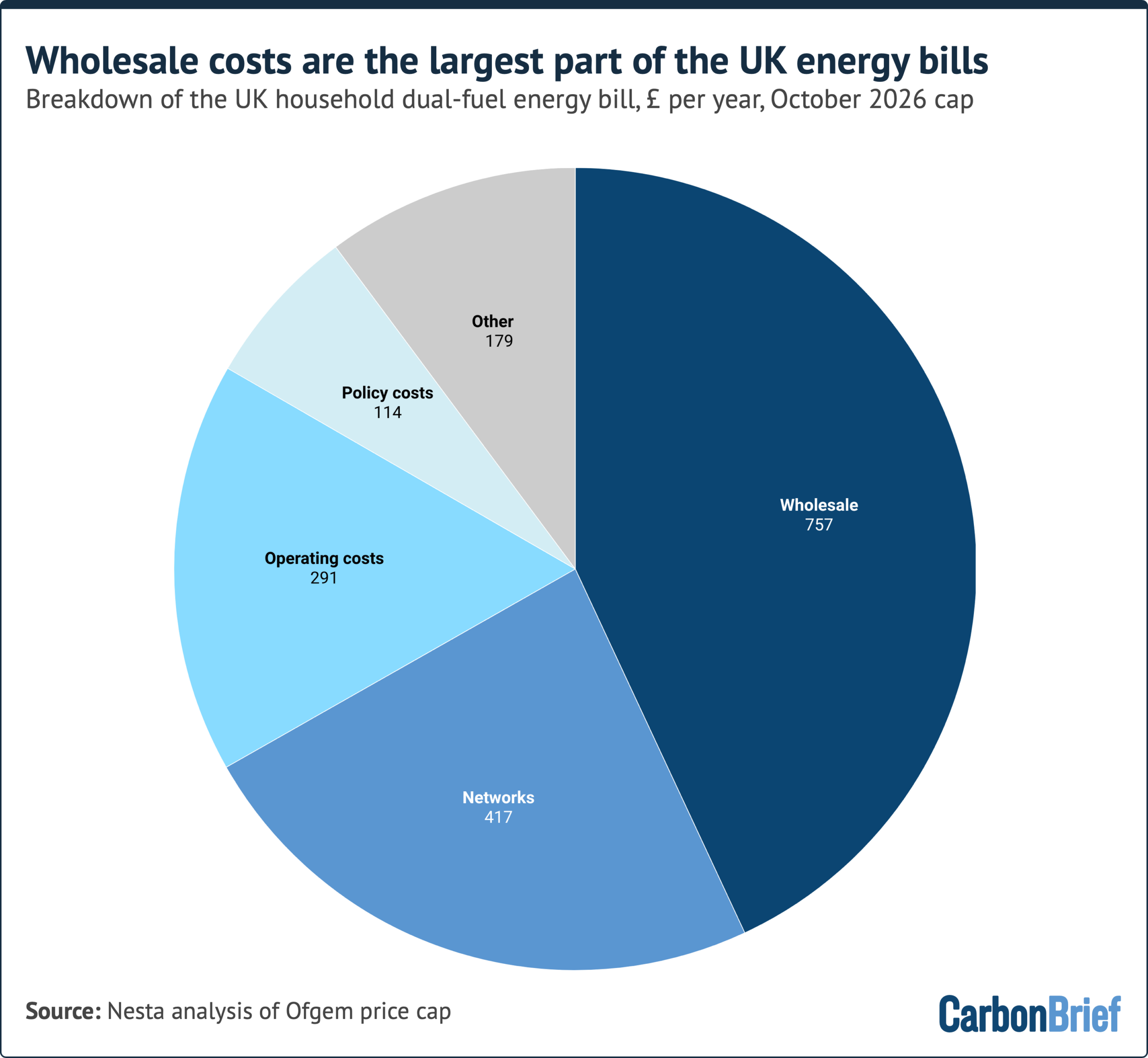
The primary driver of high bills remains the wholesale cost of energy, which accounts for 44% of the current price cap. Because the UK energy market operates on a marginal pricing system, the cost of electricity is inextricably linked to the price of gas. When gas prices spike—as they have following the instability sparked by the conflict in Iran—electricity prices inevitably follow. Analysis from Carbon Brief and Nesta confirms that expensive gas is responsible for more than 80% of the increase in dual-fuel household bills since 2020.
The Hidden Weight of Infrastructure Investment
Network charges, which account for roughly 24% of the bill, are also rising. Ofgem has approved a massive £29bn investment package to modernize the national grid, with total investment reaching £90bn by 2031. While some critics blame this on the shift to renewables, Ofgem clarifies that three-fifths of the projected £108-per-household rise in network charges is attributed to "business-as-usual" maintenance of aging infrastructure that has suffered from decades of under-investment.
Bad Debt and Operating Costs
A growing, often overlooked, component is the cost of "bad debt." As households struggle to pay their bills, the resulting shortfall is recovered by energy companies through charges applied to all consumers. This currently adds roughly £60 to the typical bill, a figure that industry body Energy UK warns could rise by an additional £10–15 within the next year.
Chronology: A Half-Decade of Instability
- 2020–2021: Energy prices remain relatively stable before a post-pandemic surge begins.
- 2022: The Russian invasion of Ukraine triggers a historic global energy crisis. The UK government spends over £60bn on consumer support.
- 2024: The new Labour government is elected on a manifesto pledge to reduce energy bills by £300 by 2030.
- 2025: Significant policy shifts occur, including the closure of the Energy Company Obligation (ECO) scheme and the move of 75% of renewables support costs from electricity bills into general taxation.
- 2026: The onset of the Iran war sends global gas prices to new highs. In October, the UK price cap reaches its highest level since 2022.
- January 2027: Forecasted 25% price cap increase threatens to push average annual bills to £2,200.
Official Responses and Policy Interventions
The government’s strategy to mitigate these costs has been two-fold: immediate relief and long-term structural reform.
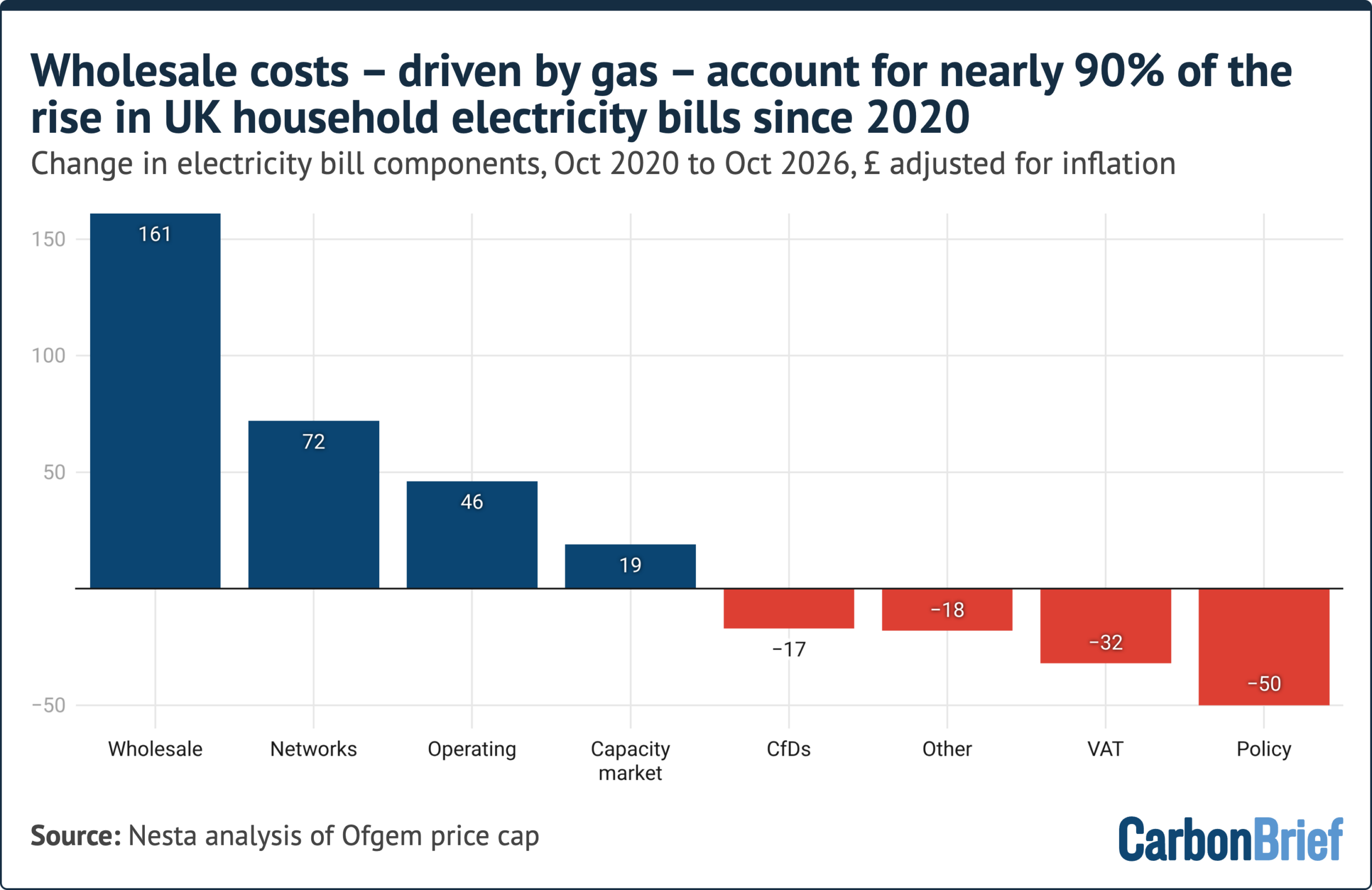
In the 2025 budget, the government took the bold step of shifting the cost of legacy renewable schemes into general taxation, a move estimated to save households £134 annually. This was followed by Prime Minister Andy Burnham’s announcement of a six-month VAT holiday on domestic electricity starting in October 2026, saving the average home £45.
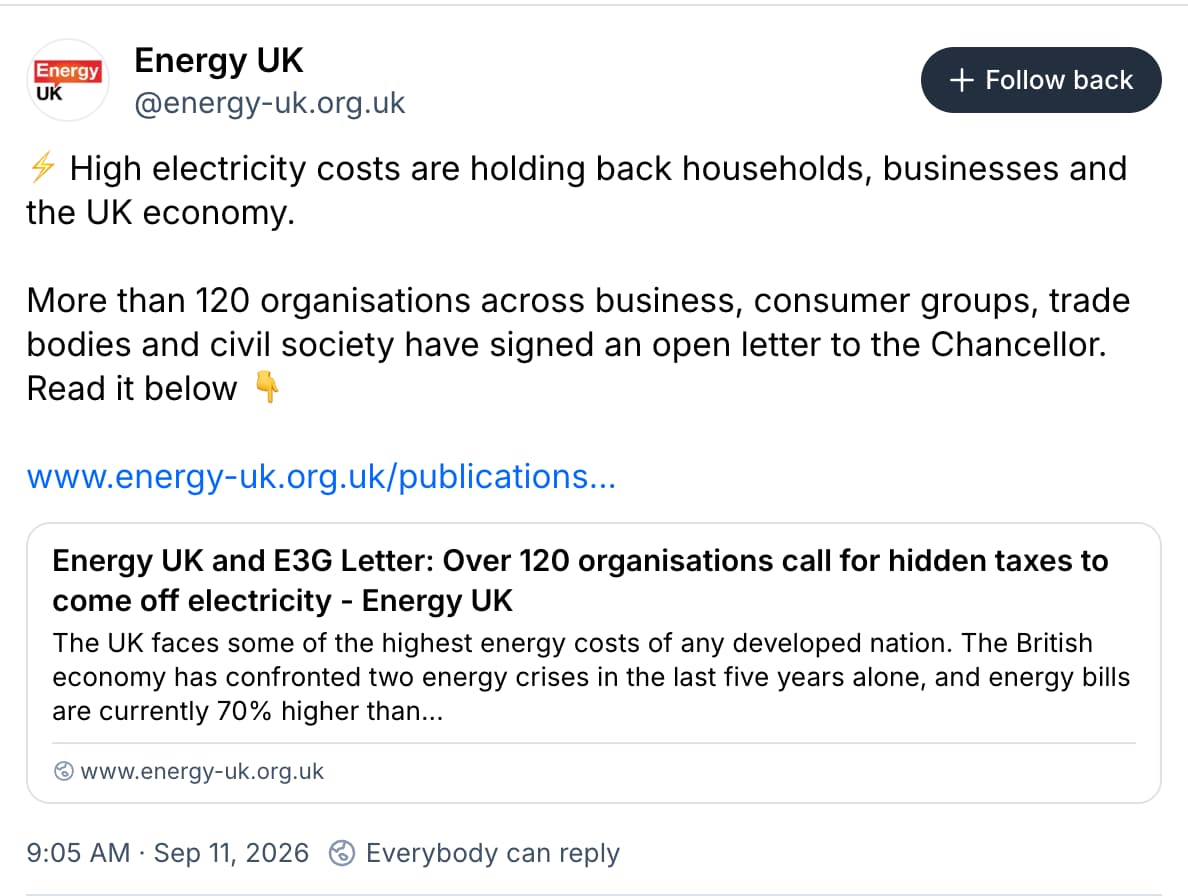
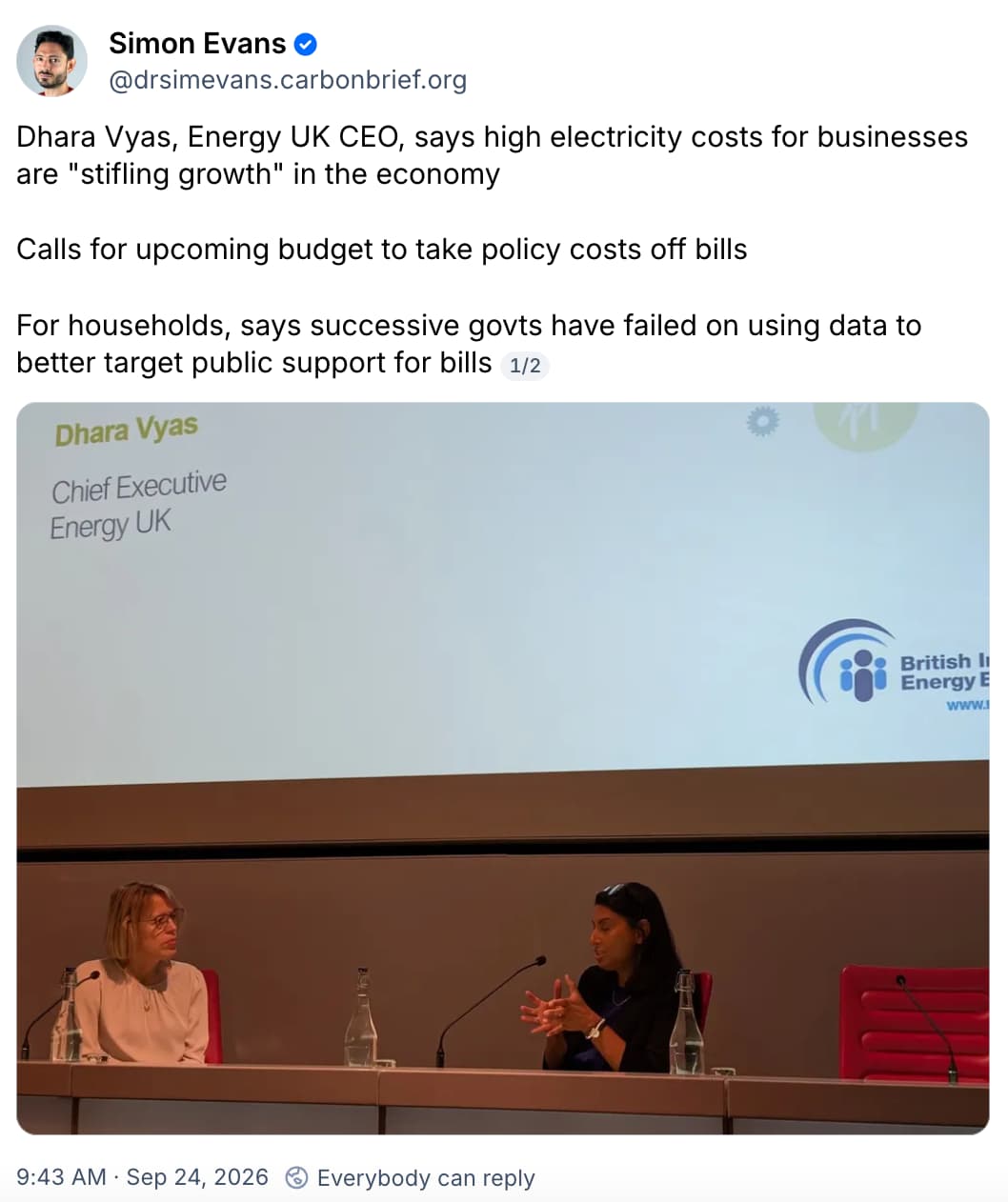
However, researchers like Dr. Richard Carmichael of the UK Energy Research Centre (UKERC) argue that these benefits have been "masked" by the relentless rise in wholesale prices. The Treasury has historically resisted moving all policy costs to general taxation, but the pressure is mounting. Over 120 trade bodies and charities have signed an open letter calling for "hidden taxes"—such as the levy for the Sizewell C nuclear plant and the Warm Home Discount—to be removed from bills entirely.
Is There a "Cheap Power" Alternative?
Amid the economic pain, a vocal contingent of politicians and thinktanks, including the Conservative Party, has suggested that the UK should slow its transition to net zero, arguing that a focus on "cheap power" rather than "clean power" would alleviate the burden on consumers.
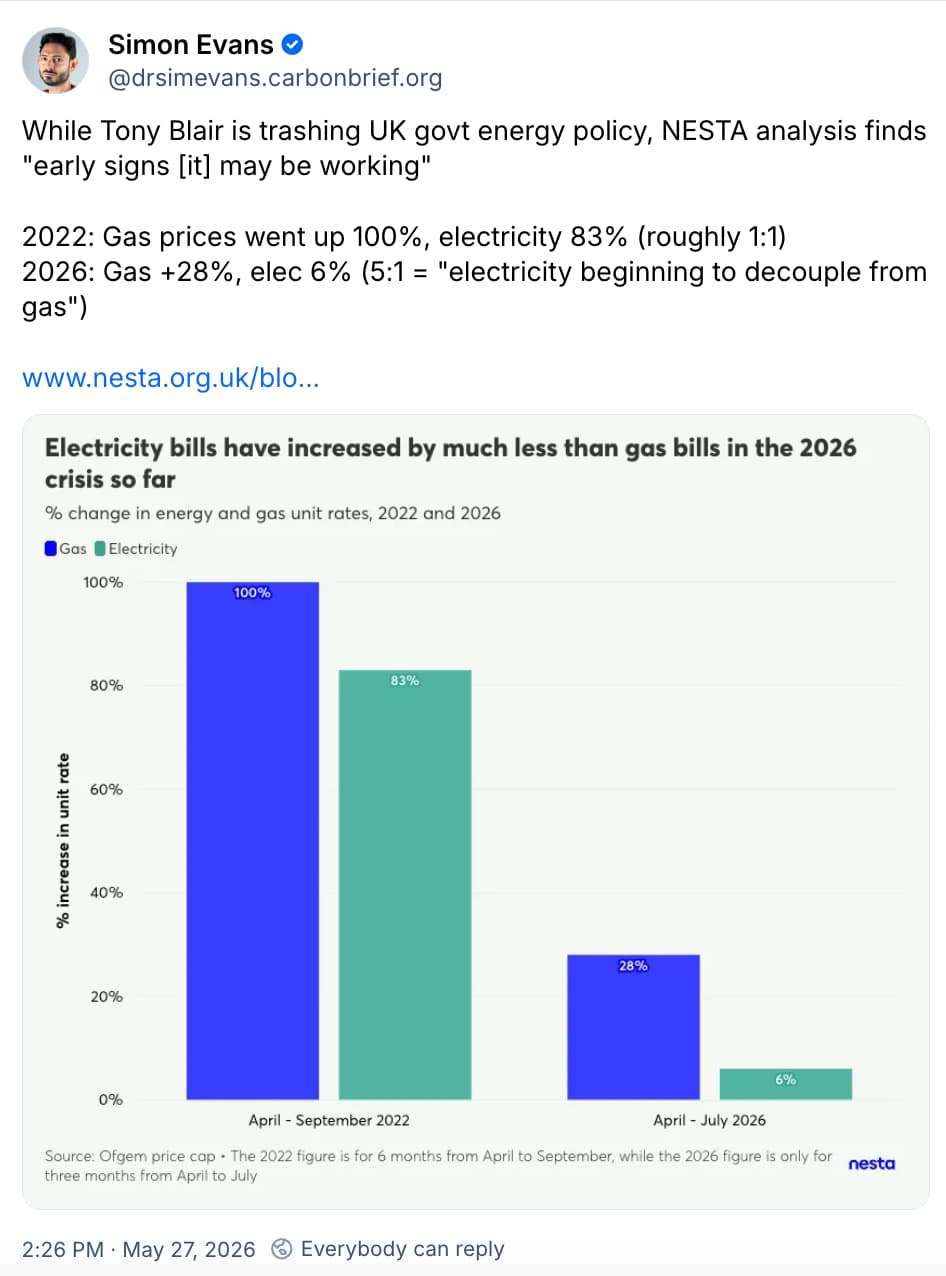
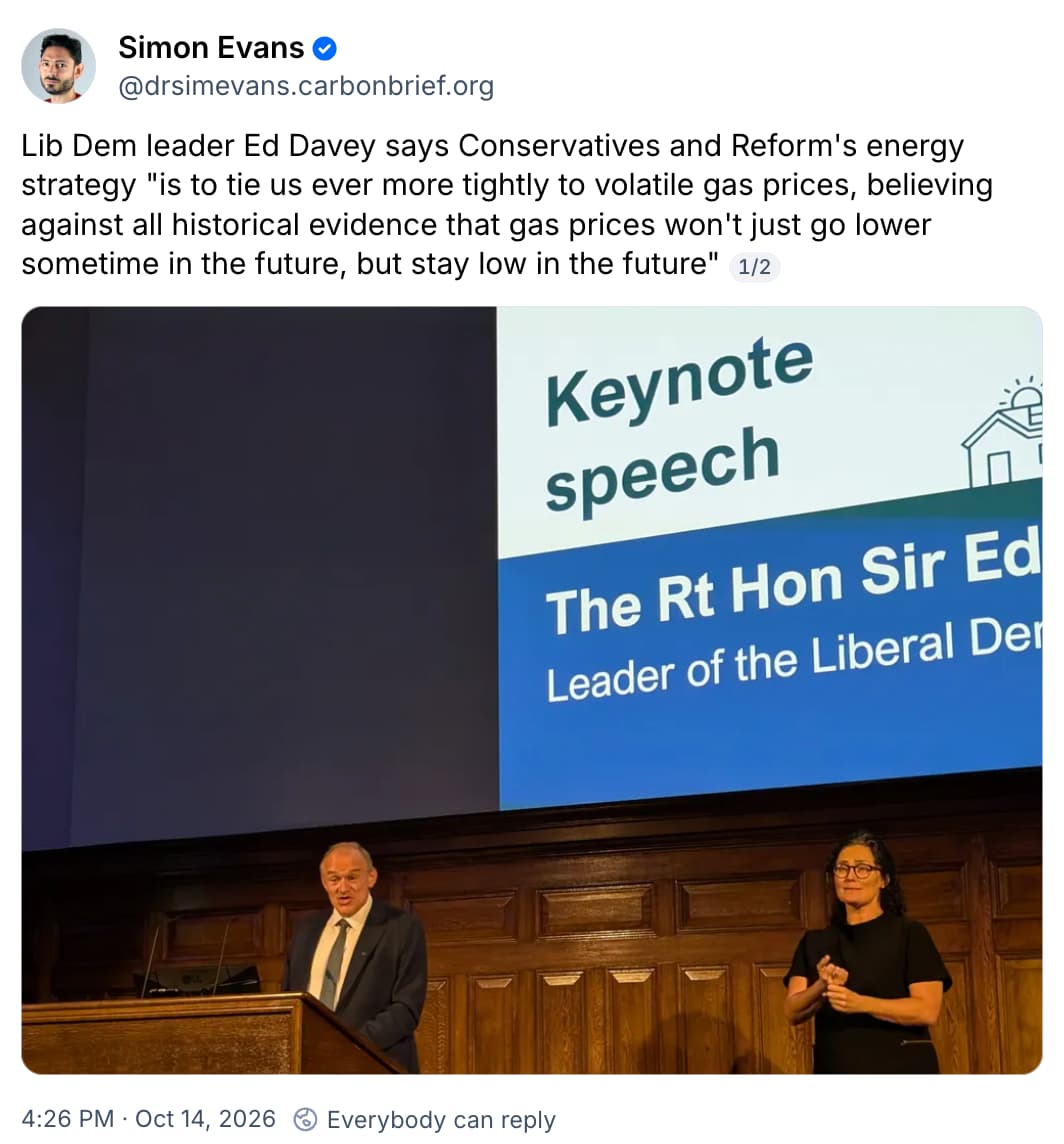
However, experts remain skeptical. The Institute for Fiscal Studies (IFS) and other energy analysts note that while gas-based power might seem like a short-term hedge, it leaves the UK permanently exposed to the volatility of international gas markets. The "cheap power" arguments presented by groups like Onward have been criticized by energy industry leaders for relying on overly optimistic assumptions about future gas prices.
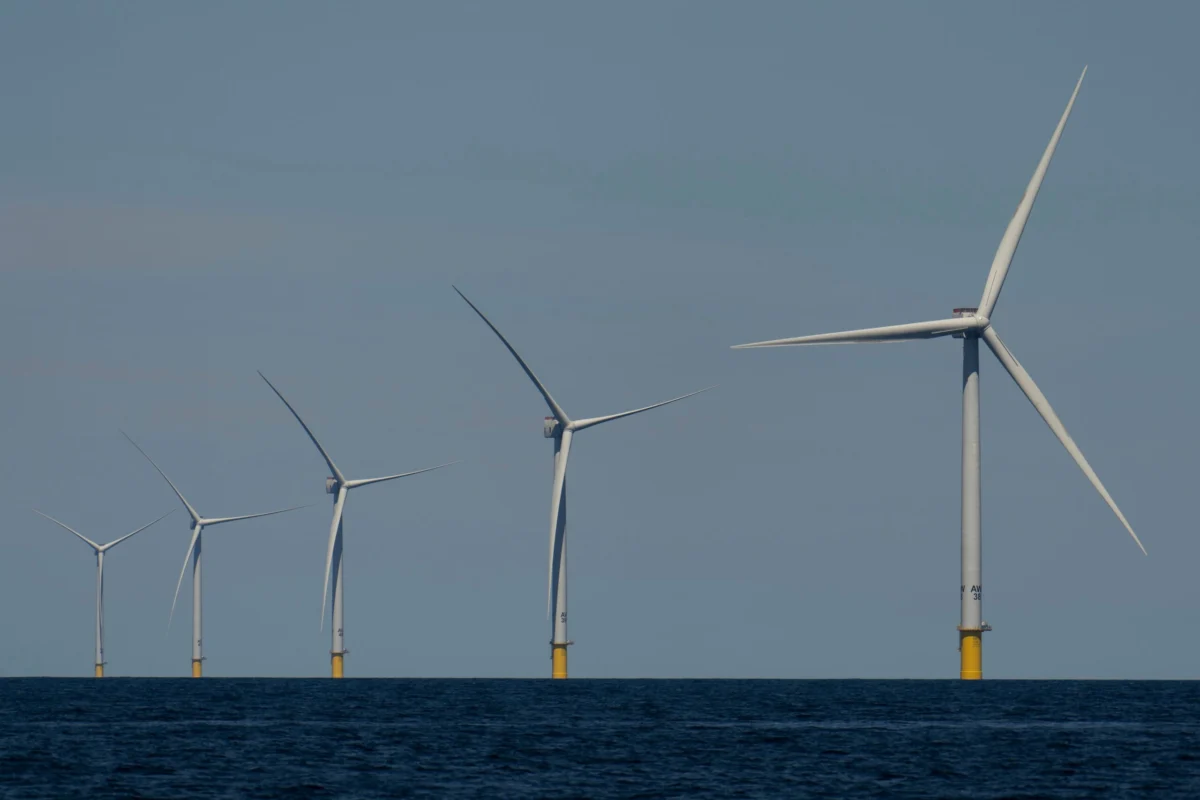
As RenewableUK’s Steven Agnew succinctly puts it: "Put simply, every wind turbine we build is gas we don’t need to buy." History supports this, with UCL research showing that wind energy saved UK consumers over £104bn between 2010 and 2023 by displacing expensive gas generation.
The Case for Electrification
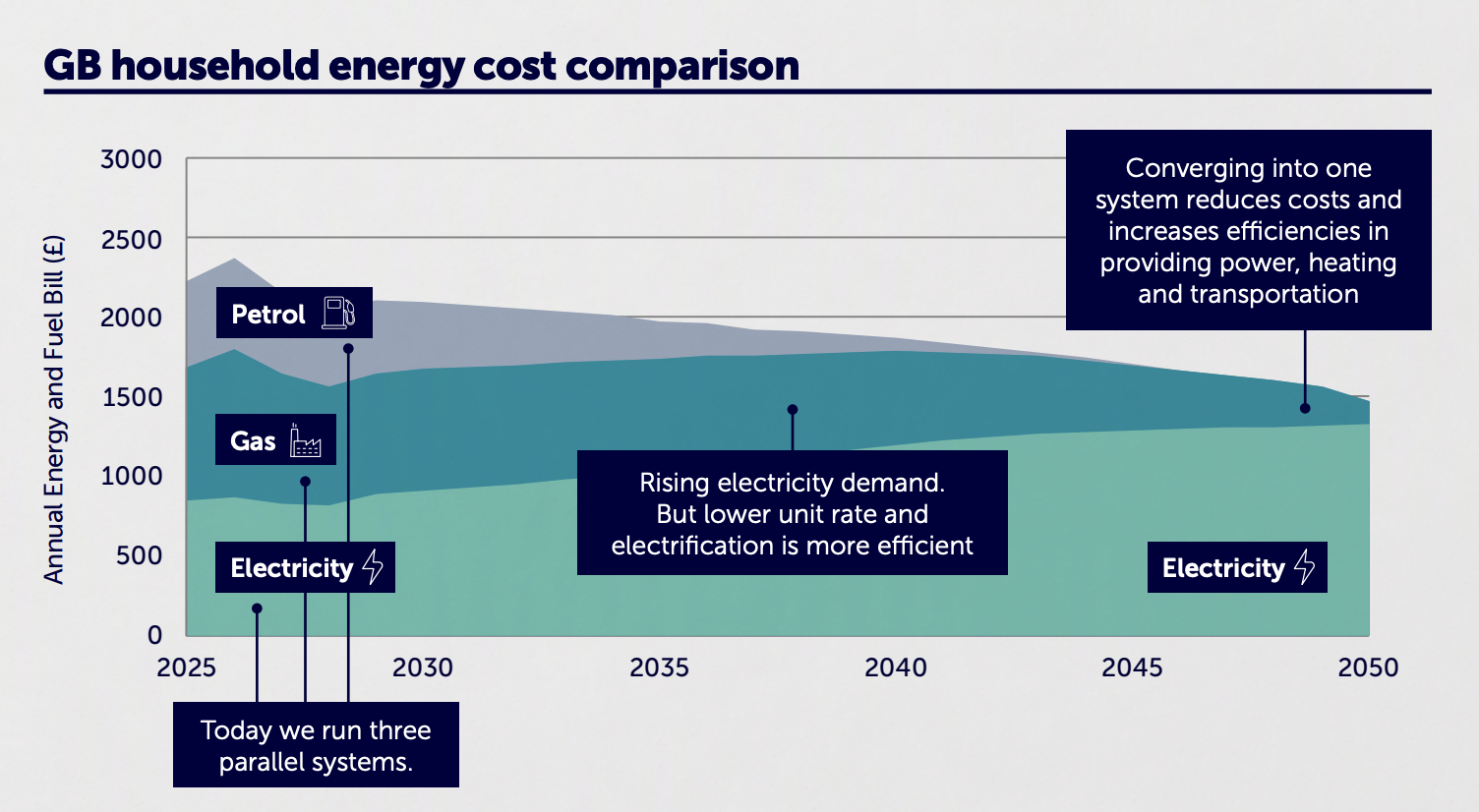
If the short-term goal is to reduce bill volatility, the long-term consensus points toward full electrification. Currently, households run three separate, inefficient systems: gas for heating, electricity for power, and petrol for transport.
By consolidating these into a single, electrified system, households can benefit from the superior efficiency of heat pumps and electric vehicles (EVs). Analysis from the Climate Change Committee (CCC) demonstrates that, even accounting for the higher upfront costs of clean technology, an electrified home of the future offers significant savings compared to the current fragmented model.
EVs, for instance, are currently nine times cheaper to run than combustion engine vehicles. The government’s "Warm Homes Plan," backed by £13bn in funding, is the cornerstone of this effort, aiming to install millions of energy-efficient measures that could reduce individual bills by up to £600.
Implications: The Path Forward
The UK stands at a crossroads. The temptation to revert to fossil fuels in the face of immediate price spikes is understandable, but the evidence suggests it would be a strategic error. The current crisis is a symptom of a nation still tethered to volatile, imported commodities.
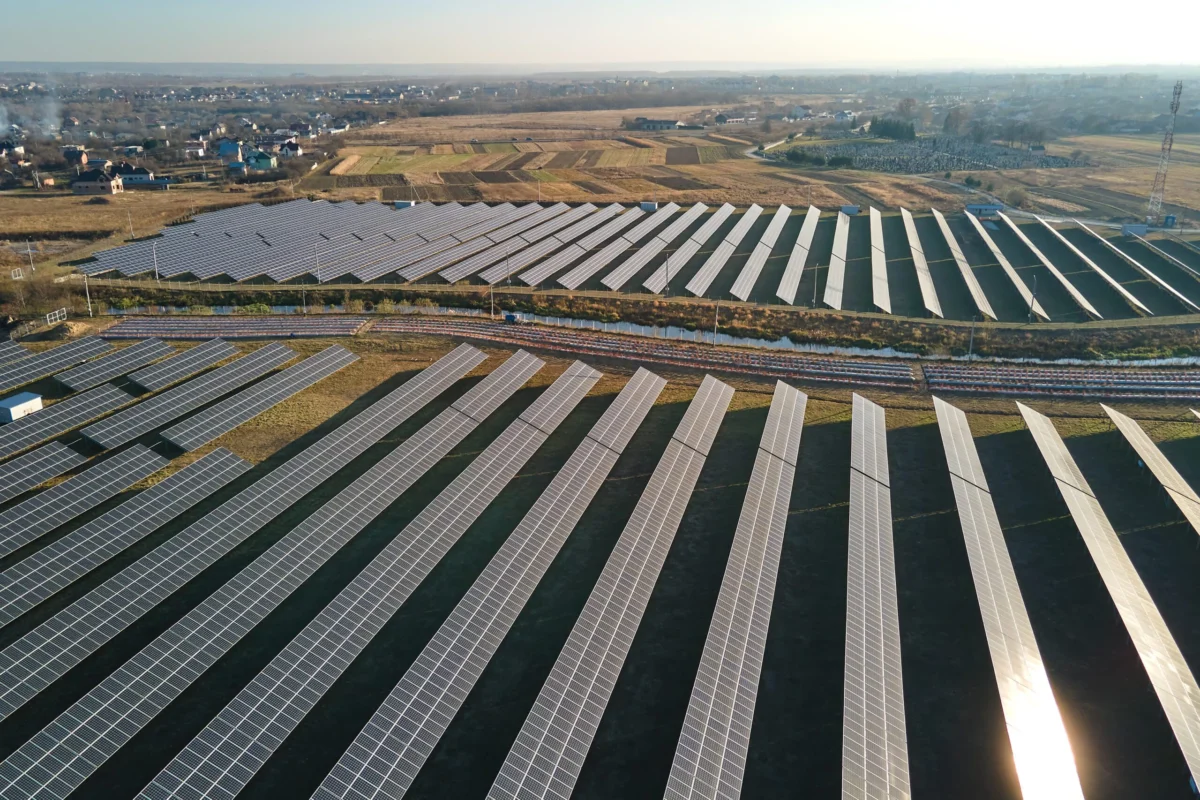
The path to stability, according to Energy Secretary Miatta Fahnbulleh, is not through retreat but through accelerated deployment of clean, domestic power. As the UK faces the prospect of a difficult winter and a challenging 2027, the focus is shifting from "managing the crisis" to "systemic transformation."
Removing remaining policy costs from electricity bills, enhancing grid flexibility, and incentivizing the transition to heat pumps are no longer just environmental goals—they are the primary tools for achieving economic sovereignty and protecting the British consumer from the next inevitable price spike. The challenge for the government now is to navigate the political noise, manage the fiscal cost of this transition, and ensure that the benefits of clean, domestic energy are felt in every household across the country.