For decades, the convenience of the single-serve coffee pod defined the modern American morning. Millions of households became tethered to the K-Cup—a miracle of efficiency that, unfortunately, left behind a mountain of non-recyclable plastic and aluminum waste. However, a seismic shift is currently rippling through the $100 billion global coffee industry. Industry titans like Keurig and Lavazza, alongside design-forward disruptors like Caraway, are coalescing around a new mandate: the elimination of plastic in the brewing process.
This transition is not merely an aesthetic choice; it is a calculated response to a sophisticated, sustainability-minded consumer base that demands barista-quality results without the ecological guilt. From the high-end ceramic surfaces of kitchen startups to the R&D labs of established giants, the message is clear: the era of the disposable plastic pod is coming to an end, replaced by a new wave of "plastic-free" innovation.
The Chronology of a Brewing Revolution
The movement toward plastic-free coffee brewing has been building momentum for several years, though it reached a fever pitch in the latter half of 2024. The transformation can be traced through a series of strategic launches that highlight a departure from traditional manufacturing.
- 2020: The Genesis of Change: Keurig, responding to evolving consumer habits during the pandemic, began internal development on what would become the Keurig Alta. The company recognized that the traditional K-Cup system could not satisfy the growing demand for specialty beverages like lattes and cappuccinos, nor could it address the burgeoning consumer anxiety regarding plastic waste.
- Late 2024: Beta Testing and Refinement: Keurig initiated an eight-week beta testing phase with 200 consumers. The feedback was instrumental: users demanded a machine capable of full barista-style functionality—specifically the inclusion of a built-in milk frother—and a more "premium" aesthetic.
- June 2024: Lavazza’s Strategic Entry: Italian coffee giant Lavazza introduced its "Tabli" system to the U.S. market. Seeking to challenge the dominance of established pod systems, Lavazza utilized the U.S. Open tennis tournament as a high-visibility launchpad to showcase its compressed coffee tablets.
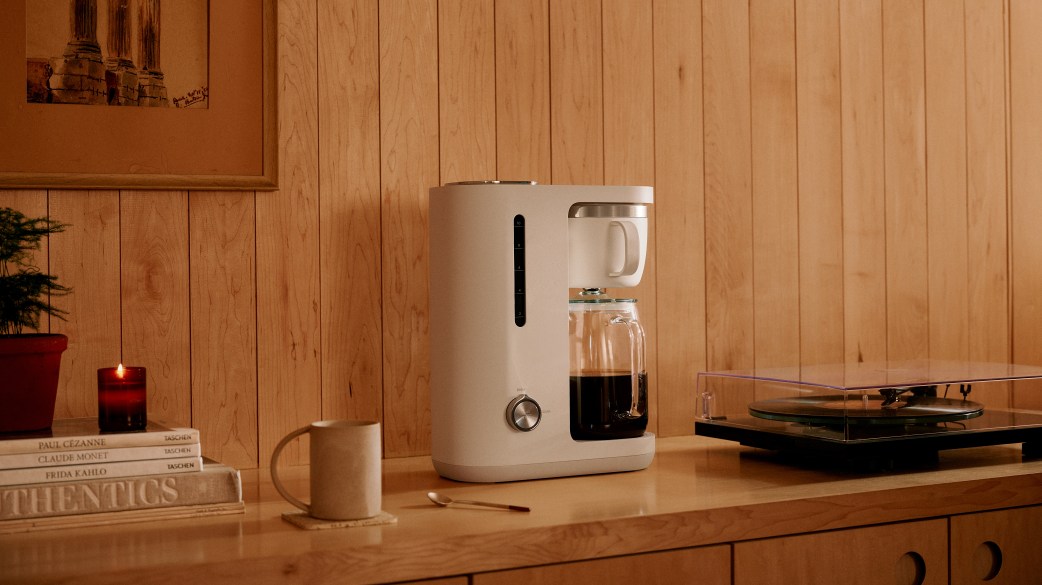
- September 22, 2024: Caraway’s Appliance Debut: Home goods startup Caraway, long synonymous with non-toxic, ceramic-coated cookware, officially expanded into the appliance space. Their drip coffee maker, five years in the making, set a new benchmark for "no-plastic" contact brewing, utilizing a glass-and-stainless-steel architecture.
- October 1, 2024: The Alta Launch: Keurig opened pre-orders for the Keurig Alta, utilizing pressed coffee "rounds" rather than traditional pods, signaling a fundamental pivot for the industry leader.
Supporting Data: High Demand for the Premium Aesthetic
The commercial response to these plastic-free innovations suggests that consumers are not only interested in sustainability but are willing to pay a significant premium for it. Despite price points that hover well above standard entry-level coffee makers, initial sales figures have been robust.
Caraway’s coffee maker, which debuted at a $495 price point, sold out within a week of its launch, generating over seven figures in revenue. Similarly, the Keurig Alta’s limited-access pre-order window saw supply depleted within days.
These figures validate a broader trend in home goods: the "premiumization" of the kitchen. Consumers are increasingly viewing appliances as design objects. Caraway’s strategy of offering their machine in curated shades—cream, stone, clay, and midnight—mirrors the approach that made their cookware a social media phenomenon. By marrying sustainability with high-end design, these companies are successfully repositioning the coffee maker from a utilitarian appliance to a centerpiece of the modern home.
Official Responses and Engineering Challenges
For the incumbents, the transition to plastic-free systems is a complex engineering hurdle. Neha Mallik, Senior Director of Product Management at Keurig, describes the process as a reconciliation of "barista-quality" performance with "sustainable" delivery.
"Today’s coffee connoisseurs want rich coffee, and they want it in a more sustainable way," Mallik noted. The challenge, according to Mallik, was twofold: eliminating plastic waste while simultaneously improving the flavor extraction process.
The Science of the "Puck"
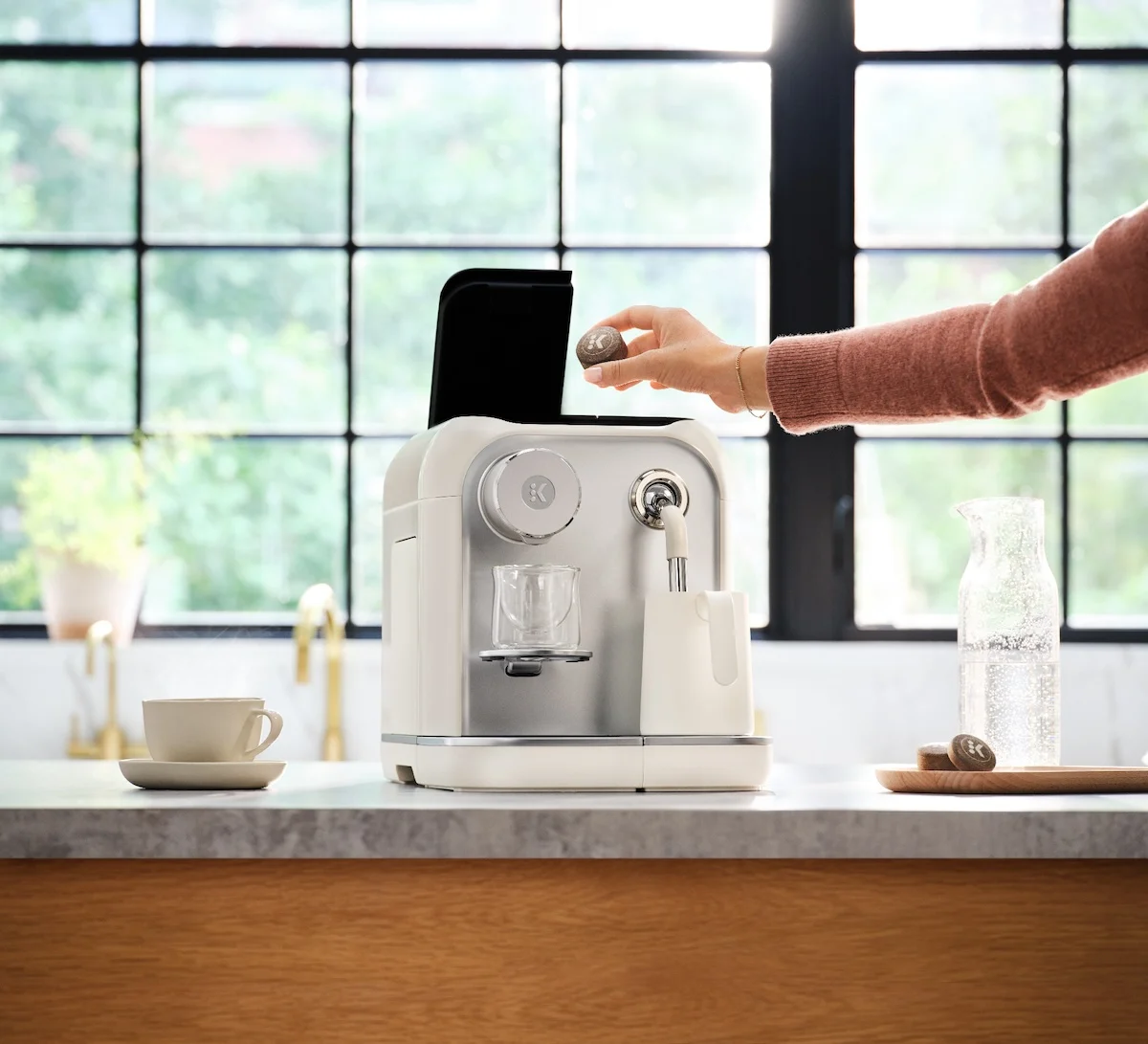
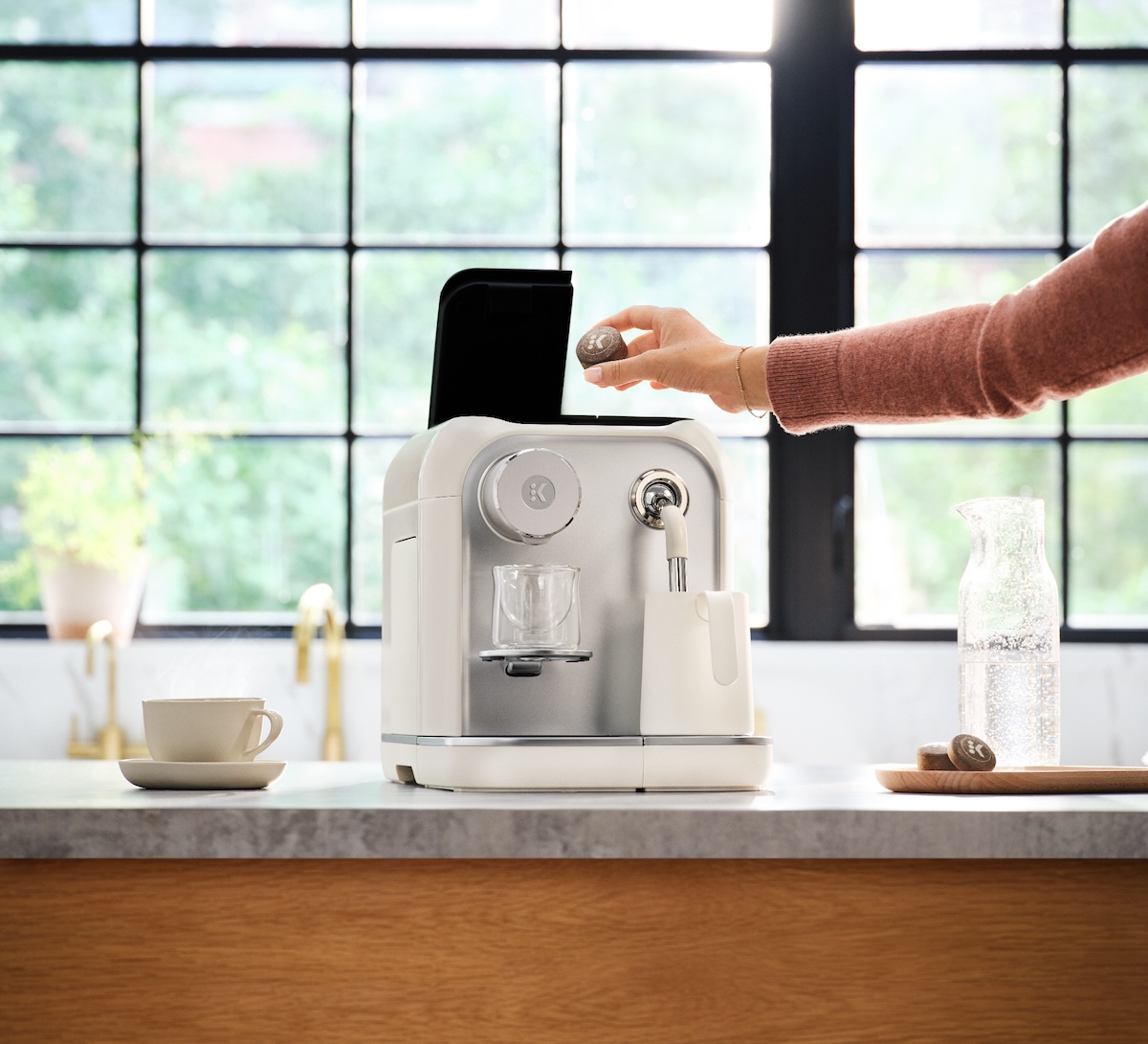
Keurig’s development of the AltaRound—the compressed coffee tablet used in the Alta—was inspired by the professional barista’s technique of tamping coffee grounds. "Water just kind of takes the path of least resistance through the coffee bed and doesn’t really pull out all the flavor and the oils and lipids," Mallik explained.
By tightly compressing the grounds into a puck, Keurig mimics the high-pressure environment of an espresso machine. The breakthrough, however, was the protective barrier. After testing materials ranging from beeswax to shellac, the company settled on an alginate coating—a seaweed-derived substance that protects the coffee during shipping and remains compostable after brewing.
The "No-Plastic" Path
Caraway’s approach, led by founder and CEO Jordan Nathan, focuses on the "brew path." By utilizing a glass water reservoir, a stainless steel showerhead, and a reusable filter, the company ensures that no plastic components come into contact with water at high temperatures. This addresses a common health and taste concern among consumers who believe that heated plastic can leach chemicals or impart a "plasticky" flavor into the final cup.
Implications for the Coffee Industry
The shift toward plastic-free coffee is more than a fleeting trend; it is a structural realignment of the home beverage market. Several key implications emerge from this transition:
1. The Death of the "Convenience-at-All-Costs" Model
For years, the convenience of the pod system was the industry’s greatest asset. Now, it is becoming a liability. As public awareness of plastic pollution grows, companies that fail to innovate their delivery systems will likely find themselves losing market share to brands that prioritize environmental stewardship. The success of the Alta and the Tabli systems proves that consumers will accept a slightly different brewing ritual—handling a compressed puck rather than a plastic pod—if it feels cleaner and more artisanal.
2. The Rise of "Barista-at-Home" Culture
The COVID-19 pandemic acted as an accelerant for home brewing. Having spent months perfecting latte art and specialty coffee routines, consumers are unlikely to revert to lower-quality, basic black coffee. The inclusion of milk frothers and the ability to brew a variety of coffee types are now considered essential features rather than luxury add-ons.
3. Sustainability as a Competitive Advantage
Sustainability is no longer a corporate social responsibility talking point; it is a core product feature. Companies like Caraway, which built their brand identity on "non-toxic" materials, are using these values to disrupt legacy markets. The ability to market a product as "compostable" or "plastic-free" is a potent differentiator in a crowded appliance landscape.
4. Continuous Iteration
As Mallik of Keurig noted, the current state of these machines is "the starting line, not a finish line." We can expect to see rapid iterations in color, design, and functionality. As battery technology improves and materials science advances, the next generation of coffee makers will likely focus on energy efficiency and even more advanced waste-reduction technologies.
Conclusion: A New Standard for the Morning Ritual
The coffee giants of the world are finally listening to their customers. By acknowledging that the single-serve plastic pod is a relic of an era that prioritized convenience over planetary health, companies like Keurig, Lavazza, and Caraway are setting a new standard.
The market has spoken: the future of home coffee is high-quality, high-design, and, above all, plastic-free. While the price of entry remains on the premium side, the rapid sell-outs of these new systems suggest that the American consumer is ready to invest in a more sustainable future—one cup at a time. As the industry continues to evolve, the challenge will be to scale these technologies to lower price points, ensuring that the luxury of eco-friendly, barista-quality coffee is accessible to all, rather than a privilege for the few.