Amid a post-pandemic surge in global mobility, the tourism industry stands at a critical juncture. Once viewed merely as an engine for economic growth, tourism is now being scrutinized through the lens of environmental, cultural, and social sustainability. As millions traverse the globe, the sector faces an existential imperative: adapt to planetary boundaries or risk destroying the very destinations that draw travelers in the first place.
Main Facts: The Triple Bottom Line of Modern Travel
Sustainable tourism is no longer a niche preference; it is a systemic necessity. The core challenges facing the industry are three-fold:
- Environmental Degradation: Aviation-driven carbon emissions, habitat loss, and water stress are creating a tangible decline in the quality of natural heritage sites.
- Cultural Erosion: The commodification of sacred rituals and local traditions for "authentic" photo opportunities strips communities of their agency and dignity.
- Economic Leakage: In many developing regions, the "multiplier effect" is broken. Profits from tourism are often siphoned away by international conglomerates, leaving host communities to deal with the infrastructure burden while receiving minimal financial reward.
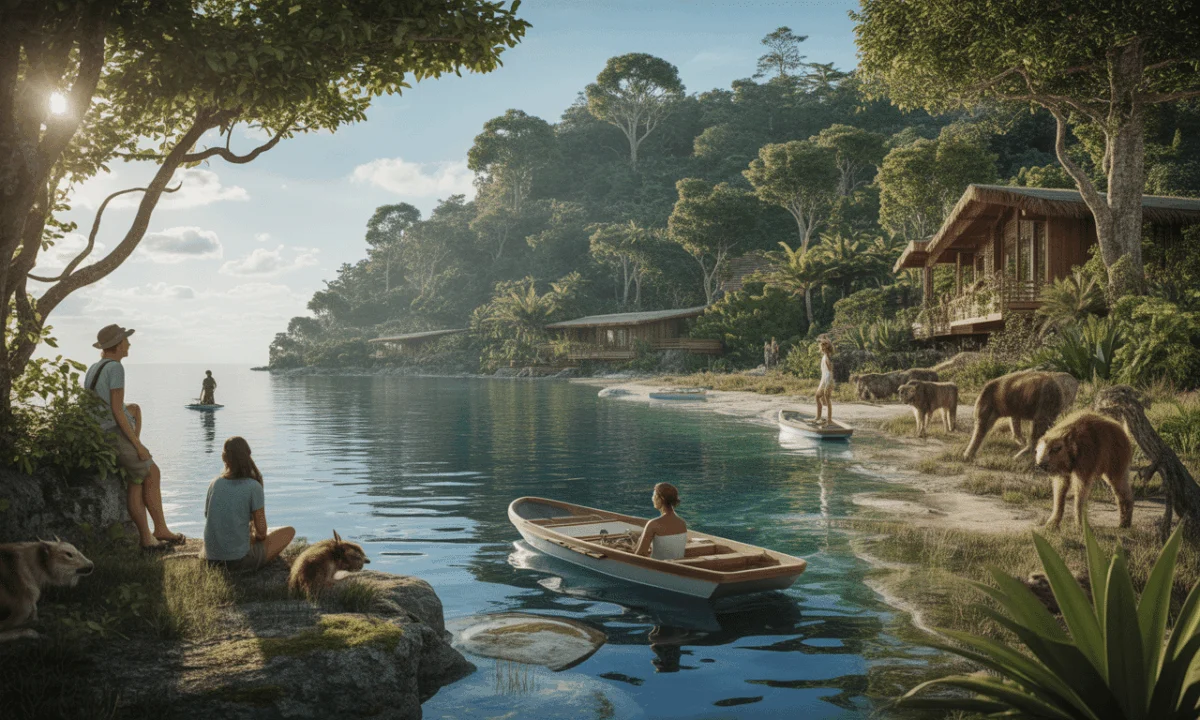
The solution lies in a radical shift from "checklist tourism"—where travelers tick off iconic landmarks—to "meaningful presence," a model that prioritizes long-duration stays, support for local enterprises, and a reduced carbon footprint.
A Chronology of the Shift Toward Sustainability
The evolution of tourism from an exploitative industry to a potentially regenerative one can be traced through several distinct phases:
- The Mass Tourism Era (1970s–1990s): The democratization of air travel fueled unprecedented growth. Success was measured solely by arrival numbers, with little regard for carrying capacity or long-term environmental impacts.
- The Awareness Phase (2000s–2015): The rise of ecotourism and "green" certifications began to emerge as a response to the obvious degradation of coral reefs, rainforests, and heritage sites.
- The Crisis and Accountability Phase (2016–2020): Concepts like "over-tourism" entered the mainstream lexicon. Iconic cities like Venice and Amsterdam began to actively restrict visitor numbers, and the climate impact of aviation became a central pillar of environmental policy debates.
- The Regeneration Era (2021–Present): Post-COVID, the focus has shifted toward "building back better." There is a newfound emphasis on community-led tourism, circular hospitality, and the integration of digital tools to manage visitor flows.
Supporting Data: The Hidden Costs of Travel
The environmental price tag of international travel is staggering. Commercial aviation remains the most carbon-intensive mode of transport, and its non-CO2 warming effects—such as contrail formation—compound the systemic issue of climate change.
The Coastal Crisis
Scientific consensus indicates that up to 50% of the world’s beaches could vanish by the end of the century due to rising sea levels and erosion. For coastal economies, this is not a future projection but an immediate threat to their primary asset. Tourism-dependent nations are now forced to choose between massive engineering projects—like sea walls—or the relocation of entire tourism hubs.
The Economic Leakage Factor
Research suggests that in many popular tourist destinations, as little as 10% to 20% of tourist spending stays within the local economy. This "leakage" occurs because of foreign-owned airlines, tour operators, and multinational hotel chains. When travelers choose to stay in locally-owned boutique accommodations or book community-led excursions, they can increase that local retention rate by upwards of 60%, providing direct funding for local schools, healthcare, and conservation efforts.
Official Responses and Governance
Governments and international bodies are finally moving from passive observation to active regulation. The debate now centers on how to align market incentives with ethical outcomes.
Regulatory Interventions
Several destinations have introduced "carrying capacity" caps. Venice, for instance, has implemented a day-tripper entry fee to manage overcrowding. Other regions are utilizing dynamic pricing models for heritage sites, making it cheaper to visit during off-peak seasons and more expensive during high-traffic periods.
The Technology Tensions
Innovation is a double-edged sword. While electric water taxis in Venice promise lower emissions, they face intense scrutiny regarding their impact on the city’s historic canal structures and local cultural identity. The "technological fix" is only effective when it gains social consent from the residents whose lives are being disrupted. As industry experts note, infrastructure projects must be co-designed with local communities to avoid unintended cultural catastrophes.
Implications: The Political Act of Travel
Every decision made by a traveler is a political act. Where one sleeps, how one travels, and which services one purchases have measurable impacts on the global landscape.
For the Individual Traveler
The responsibility of the traveler is to transition from a consumer to a steward. This includes:
- Slow Travel: Choosing overland routes or fewer, longer-duration flights.
- Resource Management: Opting for accommodations that utilize renewable energy and water-saving technologies.
- Cultural Respect: Researching local taboos and supporting artisans directly rather than buying mass-produced souvenirs.
For the Industry
The mandate for hotels and operators is clear: transparency is the new currency. Businesses that publish lifecycle carbon data for their routes, provide audited reports on local wage distributions, and invest in circular waste systems will likely capture the growing market of values-driven travelers.
The Path Toward Regenerative Travel
Conservation is the final piece of the puzzle. When tourism is managed correctly, it provides the essential funding for protected areas. However, this requires a "leave-no-trace" mentality that extends beyond simple trash removal. It means respecting wildlife distances, funding community-led research, and ensuring that entrance fees are transparently reinvested in habitat restoration.
Frequently Asked Questions (FAQ)
What is the fundamental goal of sustainable tourism?
The goal is to minimize the environmental and social costs of travel while maximizing the economic benefits for local populations, ensuring that the destination remains vibrant and intact for future generations.
How can travelers identify "green" washing?
Travelers should look for certifications backed by third-party, science-based NGOs rather than industry-created marketing labels. Transparency regarding energy sources, local hiring practices, and revenue-sharing with the community is a strong indicator of legitimacy.
Is "off-season" travel truly better?
Yes. Off-season travel is one of the most effective ways to combat over-tourism. It prevents the crushing of local infrastructure during peak months and ensures that local businesses have a more stable, year-round income, reducing the "boom and bust" cycle of seasonal tourism.
How do I ensure my money stays in the local community?
The most effective way is to "book direct." Bypass global booking platforms when possible, hire local guides who are licensed by the community, and prioritize locally-owned, small-scale accommodations.
Can tourism ever be truly carbon neutral?
While current technology makes total neutrality difficult, the goal is "net-positive" tourism—where the act of visiting a place leaves it better than it was found, through conservation funding and economic empowerment.
Conclusion
The future of tourism is not about stopping movement, but about refining the nature of that movement. As we look toward the next decade, the industry must evolve into a model of "meaningful presence." By aligning individual traveler behavior with robust policy frameworks and a commitment to cultural and environmental integrity, we can turn the tide. Tourism has the potential to be a powerful force for global connection and conservation—provided we are willing to accept the hard trade-offs necessary to make that vision a reality. The destinations we love depend on the choices we make today.