The media landscape has undergone a seismic shift. For decades, the "golden era" of advertising was defined by the 30-second television spot, broadcast to a broad, often unsegmented audience. Today, that model is being rapidly supplanted by Over-The-Top (OTT) advertising—a dynamic, data-driven approach that combines the high-impact visual storytelling of traditional TV with the surgical precision of digital marketing.
If you are seeking a natural companion to your social media, email, and display ad campaigns, OTT advertising represents the next frontier in brand growth. By meeting audiences where they watch their favorite streaming content, brands can now capture attention, gather actionable data, and drive conversions with unprecedented efficiency.
The Evolution of the Ad: Understanding OTT
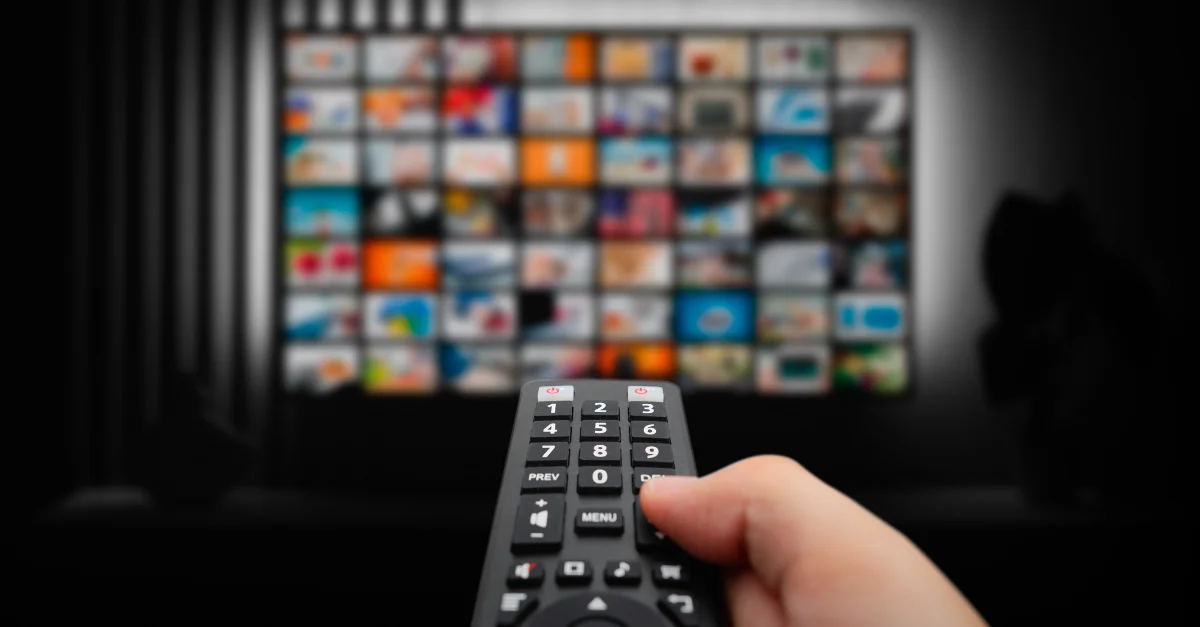
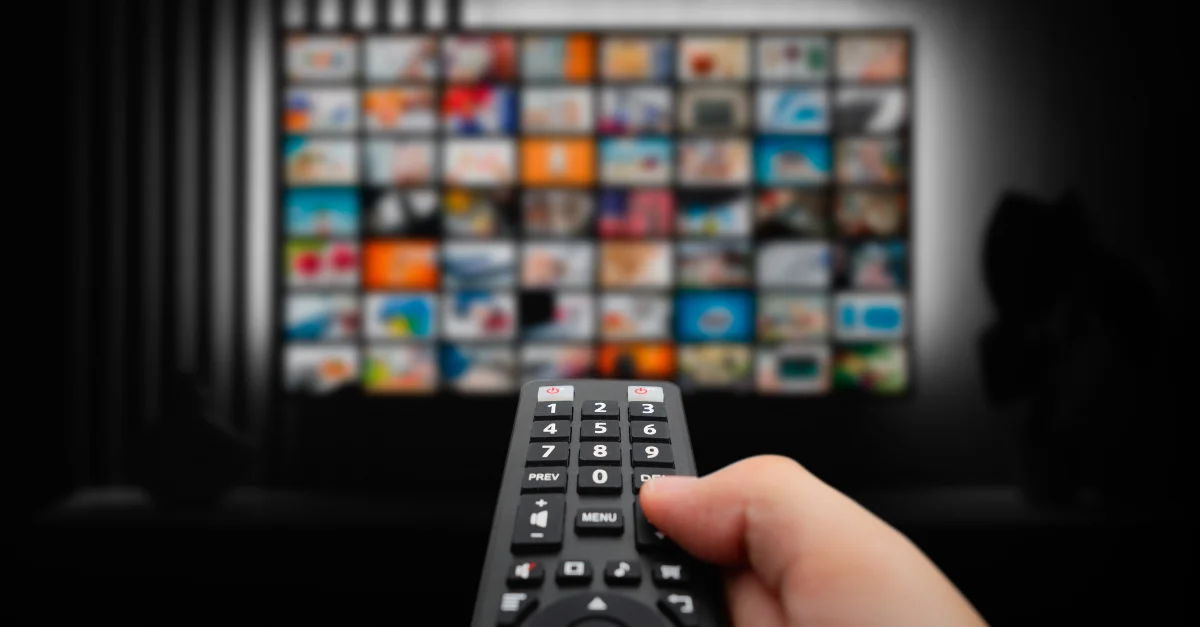
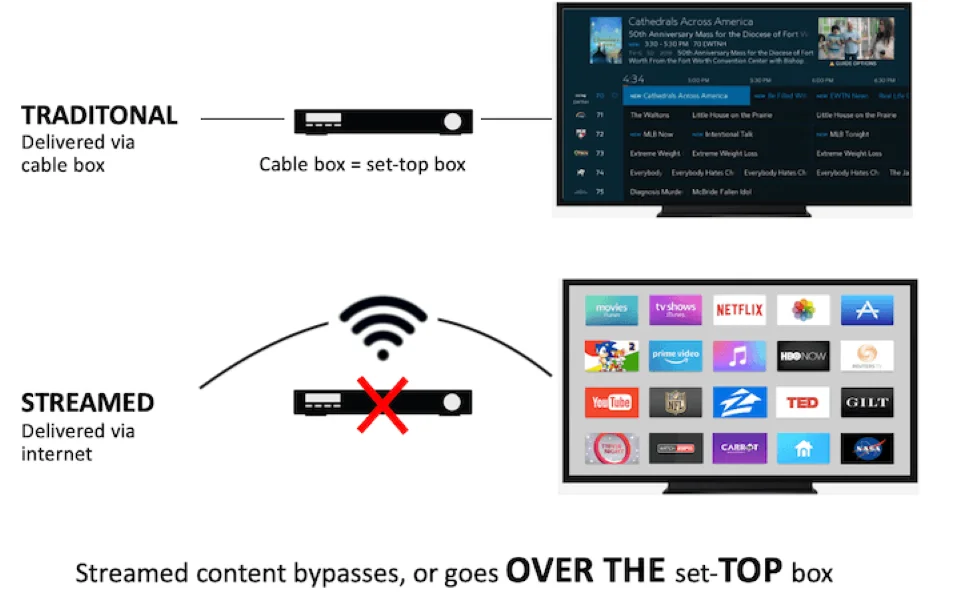
OTT (Over-The-Top) refers to video content delivered via the internet, bypassing traditional cable or satellite infrastructure. The term itself is a nod to the "set-top boxes" of the past; modern streaming skips these physical devices entirely, "going over the top" to deliver content directly to your screen.
Whether you are watching Schitt’s Creek on a smartphone, catching up on news via a streaming app on your tablet, or binge-watching a series on a Smart TV, you are engaging with OTT. Because this content is delivered over the internet, it allows for a level of addressability that linear cable television simply cannot match.
Connected TV (CTV) vs. OTT: Defining the Terms
While often used interchangeably, it is vital to distinguish between the two. OTT is the content delivered over the internet. Connected TV (CTV) is the device—the actual television set—used to access that content. Understanding this distinction is key for marketers: you can run an OTT campaign that reaches a user on their phone, their laptop, or their living room television.
Five Masterclasses in OTT Advertising
To understand the power of this medium, one must look at how major brands are leveraging its interactive capabilities. These strategies are not limited to global conglomerates; local businesses—from dental practices to auto dealerships—can implement these same tactics to achieve high-performing results.
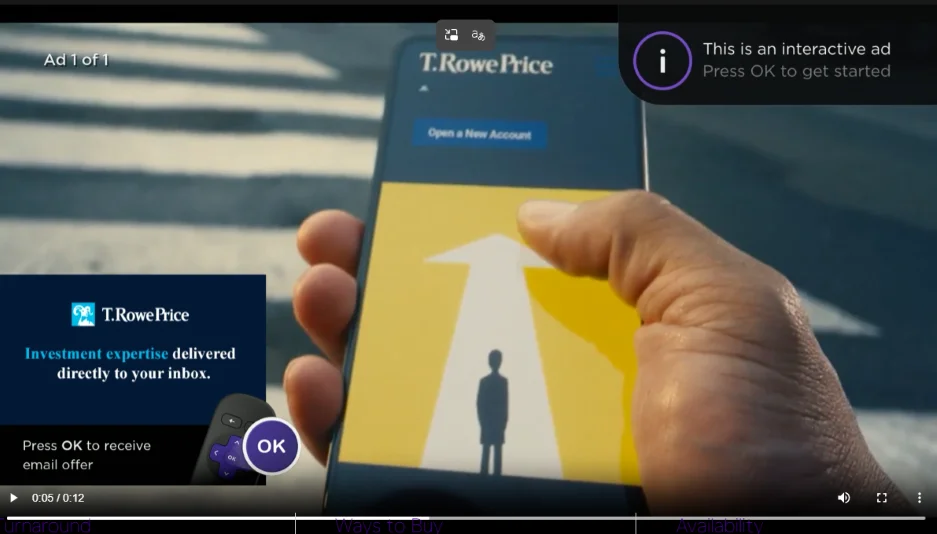
1. T. Rowe Price: The "OK to Email" Frictionless Lead
T. Rowe Price revolutionized the conversion path by utilizing the "OK to Email" feature on Roku devices. By allowing viewers to request more information with a single click of their remote, they removed the "friction" of forcing a user to switch to a secondary device. This reduction in steps significantly boosts conversion rates, proving that the easier the path to purchase, the higher the yield.
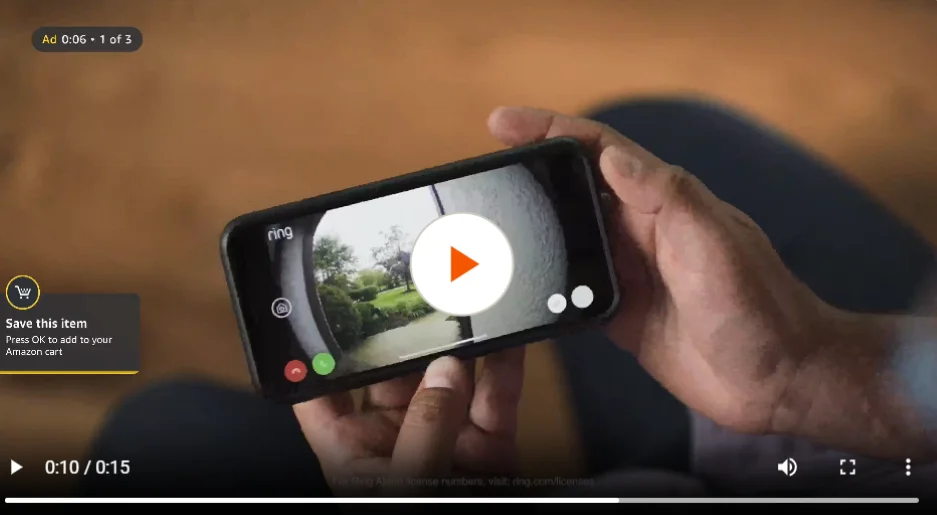
2. Ring Camera: The Shoppable Experience
Ring transformed the passive viewing experience into an active shopping mission. By integrating an "Add to Cart" function directly into their streaming ads, they tapped into the consumer desire for immediate gratification. This is an ideal strategy for businesses running limited-time promotions or urgent sales, as it captures the viewer at the peak of their interest.
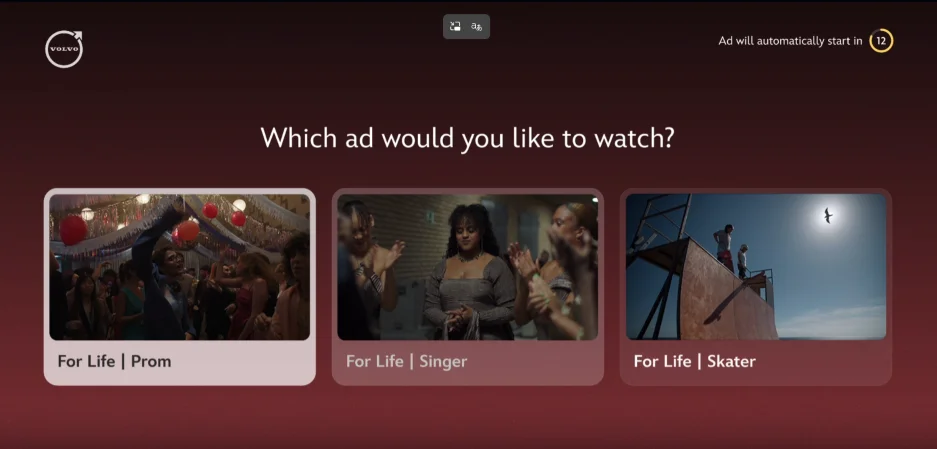
3. Volvo: The Ad Selector Model
Volvo demonstrated the power of audience segmentation by providing viewers with a choice. Utilizing the Disney platform’s Ad Selector, Volvo allowed users to choose which of three distinct video ads they wanted to watch. This not only created a more relevant user experience but also provided Volvo with invaluable first-party data regarding their audience’s preferences, allowing for better targeting in future digital campaigns.
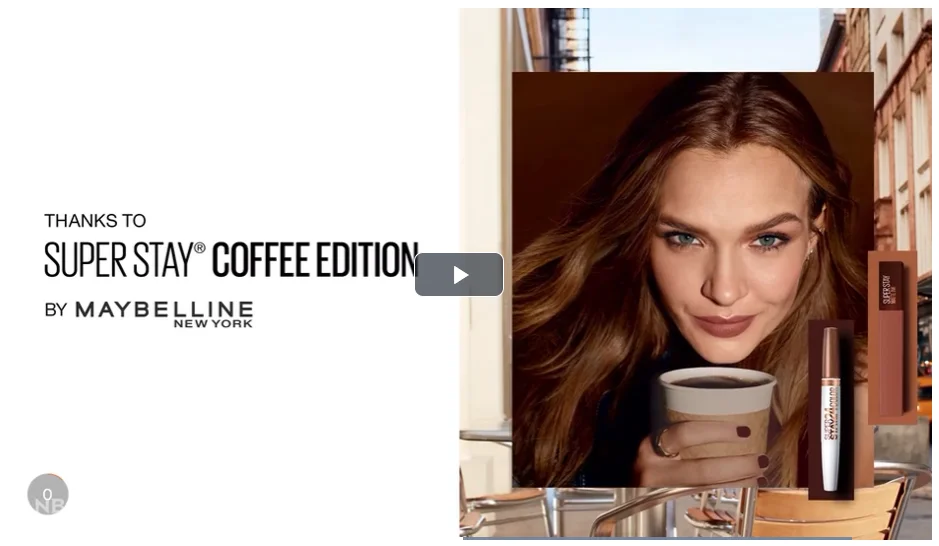
4. Maybelline: The "Binge" Sponsorship
Binge-watching is a cultural phenomenon. Maybelline capitalized on this by sponsoring ad-free episodes on the Peacock app. By rewarding users for their viewing habits, Maybelline built positive brand awareness. This mirrors the "value-first" approach used in successful organic social media strategies, proving that goodwill is a powerful marketing currency.
5. NewYork-Presbyterian Hospital: The Power of Storytelling
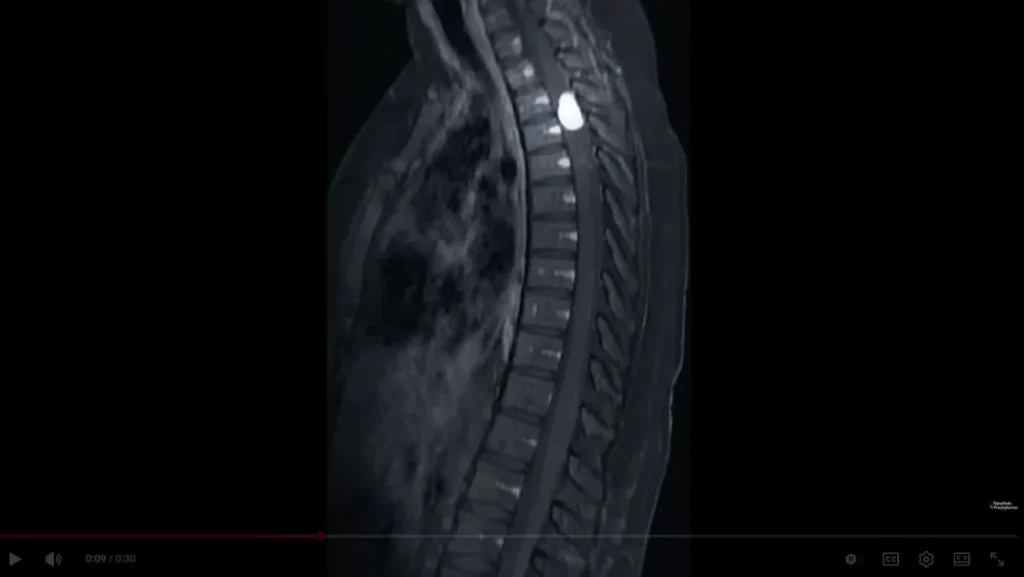
The Och Spine Center at NewYork-Presbyterian Hospital utilized YouTube In-Stream ads to share a 30-second, high-impact patient recovery story. By focusing on emotional, narrative-driven content, they bypassed the "skip" mentality. These human-centric stories serve as a reminder that even in a digital world, the quality of the creative remains the most important factor in engagement.
Supporting Data: Why the Pivot to OTT is Inevitable
The shift from linear TV to OTT is not merely a trend; it is a fundamental behavioral change in the modern consumer.
- The Cord-Cutting Phenomenon: Nearly half of all U.S. internet households—roughly 56 million homes—have cut the cord, with an additional 12% of households never having subscribed to cable at all.
- Market Growth: The OTT streaming market is projected to skyrocket from $221 billion in 2025 to $264 billion by 2026. Advertisers who do not pivot to these platforms risk being left behind in a shrinking cable ecosystem.
- The Completion Rate Advantage: Unlike web-based display ads, which are often subject to ad-blockers, OTT video ads enjoy a massive 95% completion rate. Because these ads are served within premium content, they are rarely skipped, ensuring the brand message is fully received.
Official Industry Perspectives and Implications
Industry analysts note that the primary appeal of OTT advertising lies in its ability to bypass the limitations of traditional "Designated Market Areas" (DMAs). In the past, a local advertiser buying TV time might pay to reach an entire region, wasting budget on viewers who were miles away from their storefront.
Precision Targeting in a Cookieless World
The deprecation of third-party cookies has sent shockwaves through the digital marketing world. OTT offers a unique solution:

- First-Party Data: Brands can leverage their own customer databases to target existing users across streaming platforms.
- Contextual Targeting: Ads can be served based on the content being watched (e.g., serving a pet food ad during a documentary about wildlife).
- Household Targeting: Brands can serve ads to specific households based on IP addresses and demographic data, ensuring that the right message reaches the right home without relying on invasive tracking cookies.
Strategic Implications for Your Business
For businesses looking to enter the OTT space, the path forward is clear: success requires a blend of traditional branding and modern data application.
Best Practices for Success
- Target Your Personas: Do not treat your OTT audience as a monolith. Use the data available through streaming platforms to segment your audience and craft messages tailored to their specific needs.
- Relatability Over "Distant" Advertising: Modern consumers are savvy. They reject sterile, corporate-speak. Use relatable, authentic content that feels like it belongs in the content stream the viewer has chosen.
- The Emotional Hook: Emotion is the primary driver of purchase behavior. Whether it is humor, empathy, or inspiration, ensure your creative triggers an emotional response.
- Sound is Mandatory: While social media ads are often viewed on "mute," OTT ads are viewed in an environment where sound is expected. Always include a professional voice-over to ensure your message is delivered even if the viewer looks away from the screen.
Conclusion
OTT advertising is not merely "television on the internet"—it is a sophisticated, interactive, and highly measurable medium that brings the best of digital marketing to the most immersive screen in the home.
By following the lead of brands like Volvo, Ring, and T. Rowe Price, advertisers can stop guessing who is watching their ads and start measuring the real-world impact of their investment. As streaming continues to dominate our collective attention, the question for businesses is no longer if they should incorporate OTT into their strategy, but how quickly they can adapt to this new, more effective era of advertising.