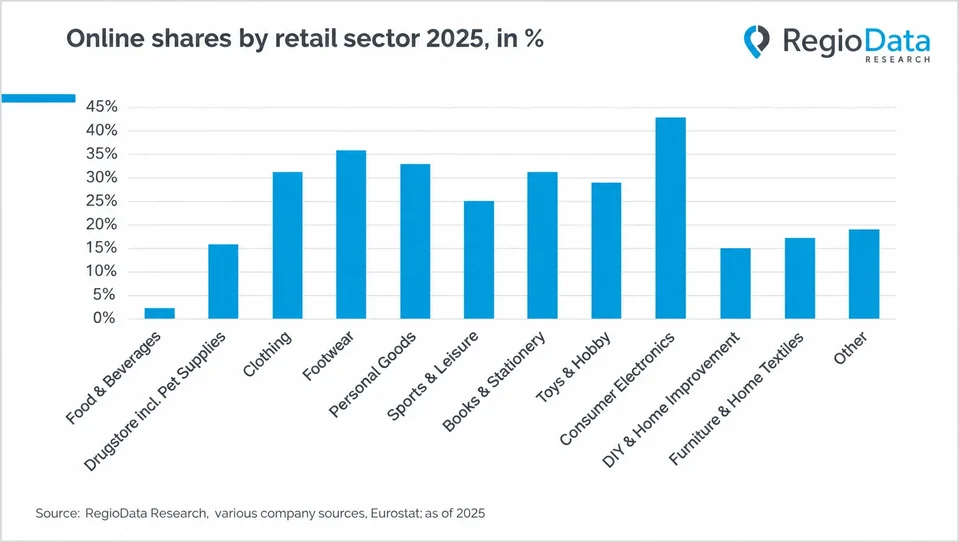
The ecommerce landscape is undergoing a seismic shift. As we move through the final quarter of 2026, the retail industry is transitioning from a period of incremental digital adoption to an era defined by "agentic commerce"—a paradigm where AI not only assists in discovery but autonomously manages the transaction, fulfillment, and post-purchase journey.
This week’s industry roundup highlights a flurry of technical innovation across the board, from same-day logistics in Canada to AI-driven marketing suites and the integration of sophisticated payment infrastructures that empower both human shoppers and autonomous agents.
Main Facts: The New Tools Reshaping the Merchant Stack
The modern merchant is being equipped with a new suite of tools designed to reduce friction and increase conversion through automation. Key releases this week include:

- Agentic Checkout & Payments: Platforms like Constructor and Crossmint are pioneering "agentic checkout," allowing AI agents to navigate, select, and pay for products within a single conversational interface. Meanwhile, BigCommerce has expanded its PayPal-powered payment solution into the U.K., simplifying cross-border financial reconciliation.
- Logistics Breakthroughs: Ecom Logistics has launched "Ecom Now," a high-velocity fulfillment service for Canadian Shopify merchants, promising same-day delivery for orders placed before noon in major urban centers.
- Marketing & Audience Intelligence: Meta has introduced generative AI video tools and enhanced business assistants, while Google Ads has launched commerce audience sharing for retail media, allowing brands to leverage first-party retailer data more effectively.
- Infrastructure & Integration: Typeform has unveiled AI-powered landing page builders, and SyncSpider is looking to kill the spreadsheet for B2B merchants with its new "B2Bware" portal, which centralizes inventory and customer data.
Chronology: A Week of Rapid Innovation
The rapid succession of these announcements underscores the speed at which the industry is moving:
- Early Week: SyncSpider kicked off the week by addressing the "spreadsheet fatigue" prevalent in B2B commerce, launching its unified portal. Simultaneously, FedEx Dataworks and Stripe announced a strategic partnership to reduce friction in global commerce for small-to-medium-sized businesses (SMBs).
- Mid-Week: The focus shifted toward AI-agent capabilities. Constructor and Crossmint released their respective agentic commerce toolkits. Shopware followed up by providing a benchmarking tool, the "Agentic Commerce Maturity Index," to help merchants assess their readiness for this new era.
- Late Week: Marketing and personalization took center stage as Listrak expanded its integration with SiteVibes to unify loyalty data, and Kantar launched its "Experience Impact" platform to measure how customer interactions influence brand equity.
Supporting Data: Why "Agentic" Matters
The data behind these shifts is compelling. According to industry analysis, merchants currently struggle with fragmented customer journeys—where data silos prevent personalized follow-ups.
- Conversion Optimization: Shopify’s new feature, which syncs carts across devices via the Shop app, addresses the "abandoned cart" problem directly. By pre-filling checkout data, Shopify is betting that reducing clicks from five to one will yield a double-digit percentage increase in conversion.
- Measurement Accuracy: Sellforte’s new "Incremental Pixel" represents a move toward causal measurement. As third-party cookies fade, the ability to combine customer journey data with "incrementality experiments" is becoming the gold standard for marketing attribution.
- Maturity Index: Shopware’s 24-question maturity assessment highlights that for many businesses, the barrier to AI adoption isn’t just technology—it’s organizational. By evaluating "Discovery, Transactions, Fulfillment, and Operations," they are pushing retailers to think about AI as a horizontal strategy rather than a niche feature.
Official Perspectives and Strategic Responses
Industry leaders are framing these releases as a move toward "frictionless autonomy."

In the case of the FedEx and Stripe partnership, the move is explicitly aimed at the underserved SMB market. By combining the physical logistical prowess of FedEx with the digital financial backbone of Stripe, the companies are aiming to solve the two biggest hurdles for small businesses: getting product to customers across borders and getting paid reliably.
Regarding Meta’s new AI tools, the company is positioning its "Advantage+" suite as an essential utility for small-business owners who lack the budget for full-scale video production crews. By turning static product imagery into dynamic video, Meta is effectively lowering the barrier to entry for high-conversion advertising formats.
Constructor’s launch of an agentic checkout is perhaps the most forward-thinking, as it treats the "AI Agent" as a primary customer. By allowing Stripe’s Link to handle the transaction within a chat interface, Constructor is acknowledging that the future shopper might not be a person, but an autonomous software program searching for the best deal.

Implications: The Road Ahead for Merchants
The implications of this week’s news cycle are profound. We are witnessing the end of the "static storefront" era.
1. The Death of the Traditional Funnel
With AI landing pages (Typeform) and agentic commerce (Constructor, Crossmint), the traditional funnel—where a customer clicks an ad, lands on a page, browses a category, and checks out—is being compressed. The future is a "conversational transaction" where the discovery and the payment occur in the same window.
2. The Return of First-Party Data
With Google Ads introducing audience sharing, the market is pivoting back to the importance of first-party retailer data. Brands that fail to cultivate their own audience segments will find themselves at a disadvantage, as retail media networks become the primary source of high-intent traffic.
3. Fulfillment as a Marketing Tool
The launch of Ecom Now in Canada proves that logistics is no longer a "back office" concern. When a merchant can guarantee delivery by 9:00 p.m. for an order placed at noon, shipping becomes a competitive differentiator as powerful as pricing or product quality.
4. Operational Consolidation
Tools like SyncSpider’s B2Bware and Zenkraft’s Shipping for Agentic Commerce signal a move toward "turnkey" operations. Merchants are increasingly rejecting complex, custom-coded integrations in favor of platform-native, "plug-and-play" solutions that promise immediate functionality within their existing Salesforce or Shopify environments.
Final Thoughts
For the average merchant, the sheer volume of these releases can be overwhelming. However, the overarching theme is clear: automation is no longer optional. Whether it is through AI-driven attribution, agentic payments, or same-day logistics, the tools available in late 2026 are designed to remove the "human friction" that has historically slowed down digital commerce.

As we look toward the holiday season and beyond, the winners will be those who successfully integrate these agentic capabilities into their existing stack, transforming their online stores from static catalogs into intelligent, autonomous, and lightning-fast commerce engines.
Do you have an ecommerce product release or an industry update you would like to share? Please contact our editorial team at [email protected].