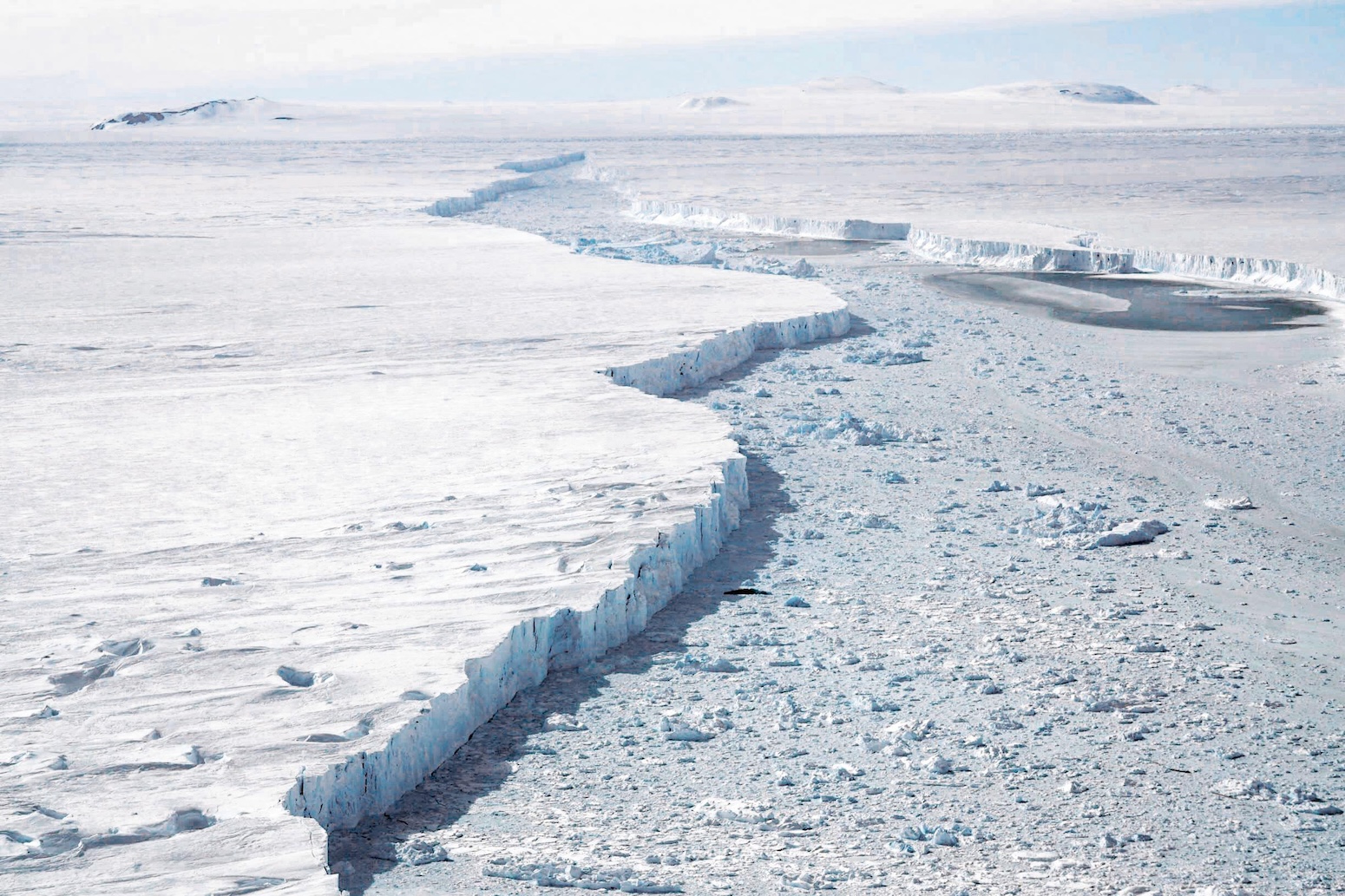
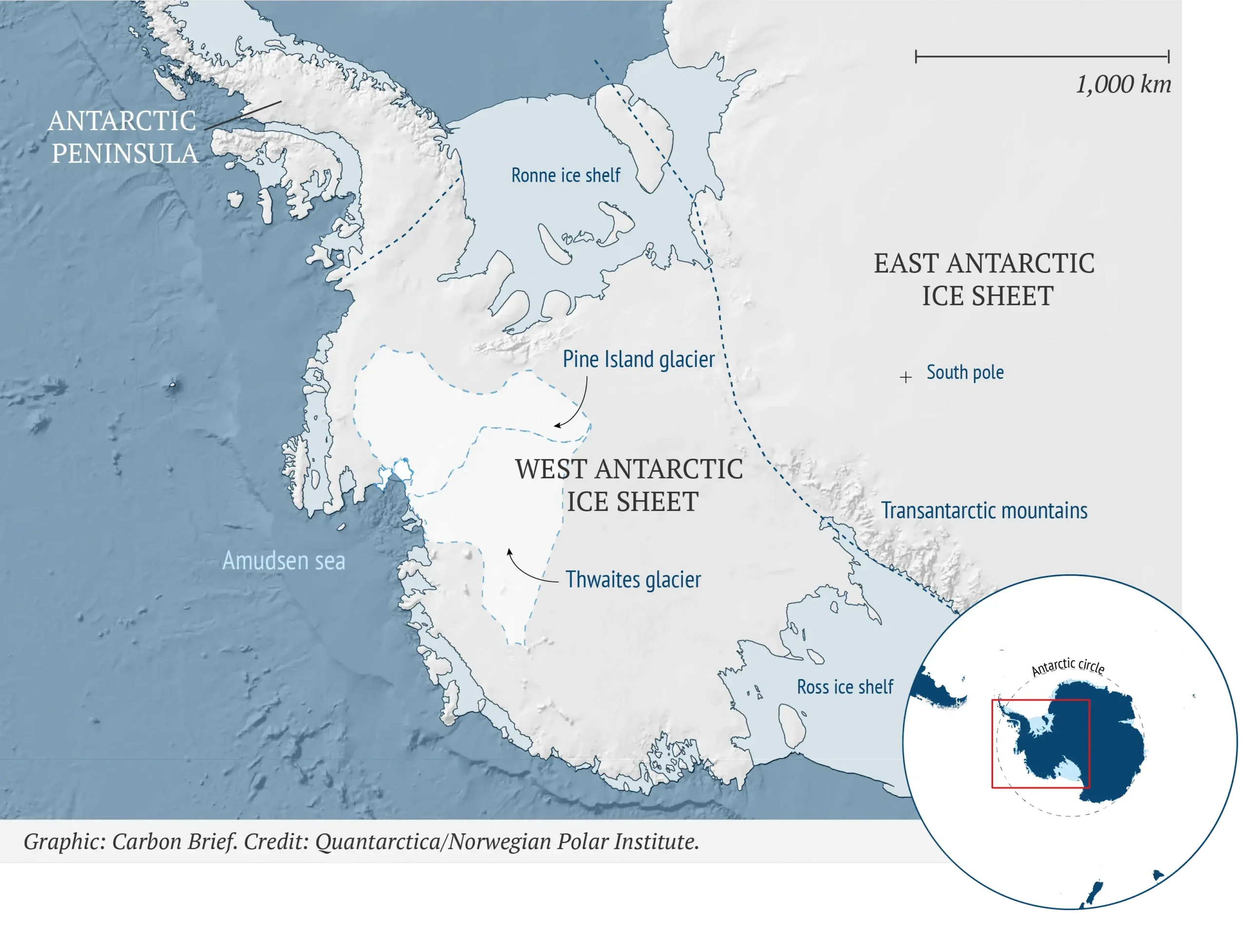
The Pine Island Glacier (PIG) stands as one of the most consequential features of the West Antarctic Ice Sheet. As a vast, frozen river of ice flowing into the Amundsen Sea, it acts as a critical gatekeeper for the inland ice of Antarctica. Alongside its neighboring titan, the Thwaites Glacier, it is responsible for a staggering proportion of the sea-level rise currently being observed across the globe. For years, the scientific community has been locked in a race to understand not just if these glaciers are retreating, but why they are doing so at such an alarming velocity.
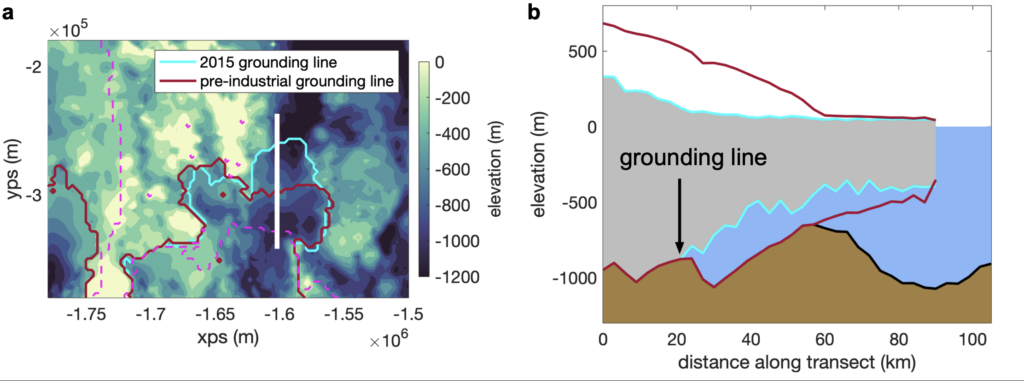
New research published in the journal The Cryosphere has provided the first definitive link between human-induced climate change and the physical recession of the Pine Island Glacier. By utilizing a sophisticated blend of paleoclimate records, physical modeling, and machine learning, researchers have been able to isolate the "human fingerprint" on the glacier’s retreat since the pre-industrial era. The study finds that human-driven warming is responsible for approximately 4 kilometers of the glacier’s retreat—roughly one-fifth of its total recession since the mid-20th century.
The Anatomy of an Ice Giant
To understand the significance of this retreat, one must first appreciate the nature of the West Antarctic Ice Sheet (WAIS). Ice sheets are not static; they are dynamic, massive accumulations of snow compressed over millennia into dense, ancient ice. They grow and contract based on a delicate equilibrium between snowfall accumulation and ice discharge into the oceans.
Historically, the WAIS has undergone massive fluctuations. During the "Last Glacial Maximum," approximately 20,000 years ago, the ice sheet was significantly larger than it is today. In the intervening millennia, it retreated by nearly 500 kilometers—a distance comparable to the span between Paris and London. However, for the last 10,000 years, the ice sheet had reached a state of relative stability.
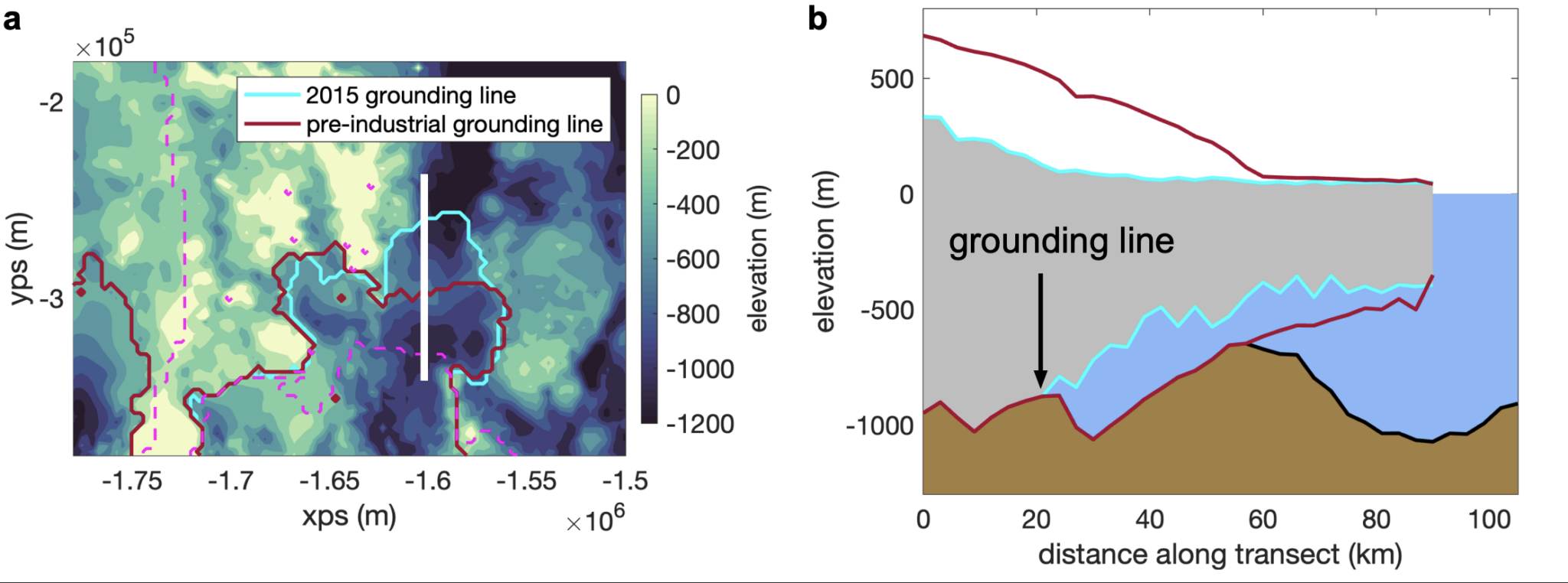
This stability was shattered in the 1940s. Sediment records retrieved from beneath the Pine Island Glacier indicate that for centuries prior to the mid-20th century, the glacier rested firmly on a seabed ridge. In the 1940s, this status quo vanished, and the glacier began an unprecedented retreat. This transition point coincided with a strong El Niño event, which funneled pulses of warm, deep-ocean water toward the ice sheet’s grounding line—the critical point where the glacier lifts off the seabed and begins to float.
Chronology of a Disappearing Frontier
The history of the Pine Island Glacier’s retreat can be divided into three distinct phases: the stable pre-industrial era, the mid-20th-century trigger, and the modern era of accelerated loss.
1. The Pre-Industrial Baseline
For hundreds of years leading up to the 1940s, the glacier occupied a relatively static position, anchored to a bedrock ridge approximately 30 kilometers ahead of its current location. During this period, the interactions between the ocean and the ice were consistent, with the glacier maintaining a steady mass balance.
2. The 1940s Shift
The 1940s marked a pivotal turning point. Evidence suggests that a natural climate oscillation—specifically a powerful El Niño event—initiated the initial migration of the grounding line. This event brought a surge of warm, circumpolar deep water into the cavity beneath the glacier. This warm water began eroding the ice from below, a process known as basal melting, which destabilized the structure of the glacier.
3. The Anthropogenic Acceleration
While the retreat was initiated by natural variability in the 1940s, the story changed significantly in the 1960s. Climate reconstructions indicate that this was the decade when the cumulative impact of human-caused greenhouse gas emissions began to measurably increase the temperature of the water reaching the West Antarctic ice shelf. From this point onward, the glacier was no longer just responding to natural cycles; it was being driven further by a planet warming under the weight of industrial carbon emissions.
Supporting Data: The Attribution Science Breakthrough
Attribution science, which has become the gold standard for linking extreme weather events—such as heatwaves or wildfires—to climate change, has historically struggled to address the slow-moving, massive systems like ice sheets. The difficulty lies in the timescale; while a heatwave lasts days, ice sheet retreat spans decades or centuries.
To bridge this gap, the research team employed a dual-modeling approach:
- The Reconstructed Scenario: Using physical models constrained by satellite observations and sediment records, researchers reconstructed the actual history of the glacier over the last 250 years.
- The Counterfactual Scenario: Using the same models, they simulated a world without human-caused greenhouse gas emissions to determine what the glacier’s behavior would have looked like in the absence of the industrial revolution’s impact.
By applying machine learning to parse through thousands of possible model settings, the researchers identified the most plausible simulations. The data revealed a clear divergence: while the "counterfactual" glacier would have still experienced some retreat due to the initial 1940s trigger, the "reconstructed" glacier retreated much further and faster. The conclusion is that 20% of the retreat is directly attributable to the warming caused by humanity.
Implications for Future Sea Level Rise
The implications of these findings are profound. If the Pine Island Glacier—a single, albeit massive, glacier—is already being significantly forced by anthropogenic warming, it suggests that the entire West Antarctic Ice Sheet may be more sensitive to greenhouse gas emissions than previously estimated.
The "grounding line" retreat is particularly concerning. Once a glacier begins to retreat down a slope that deepens inland, it can enter a state of "marine ice sheet instability," where the retreat becomes self-sustaining and potentially irreversible, regardless of whether future temperatures stabilize. The fact that human activity has pushed the PIG 4 kilometers further than it would have otherwise moved suggests that we have already crossed thresholds that will lock in higher sea levels for centuries to come.
Furthermore, this study highlights the urgency of monitoring the "freshwater flux." As the glacier melts, it pumps vast quantities of cold, fresh water into the Southern Ocean. This alters the salinity and density of the ocean, which in turn changes global ocean circulation patterns. This feedback loop is not merely a local Antarctic issue; it is a global climate driver that affects weather systems as far away as the North Atlantic.
Scientific and Official Responses
The research has been met with significant attention from the international climate community. Dr. A. Bradley and the research team behind the study emphasize that their work represents a "detection and attribution" milestone.
"We are no longer guessing," noted one of the researchers involved in the project. "By using machine learning to fill the gaps in our historical data, we have demonstrated that the retreat of the Pine Island Glacier is not just a natural adjustment to the end of the last ice age. It is a modern phenomenon exacerbated by the energy we have trapped in our atmosphere."
However, the scientific community remains cautious about the remaining "uncertainty window." Because historical records prior to the 1970s satellite era are sparse, the exact thickness of the ice in the early 20th century remains a variable. Official policy responses are expected to integrate these findings into the next iteration of the IPCC (Intergovernmental Panel on Climate Change) reports, which will likely refine the projected contributions of the Antarctic ice sheets to global sea-level rise by the year 2100.
Conclusion: A Call for Refined Forecasting
The study of the Pine Island Glacier serves as a sobering reminder of the "long tail" of climate change. Unlike a storm that dissipates, the retreat of a glacier is a cumulative, persistent, and slow-motion catastrophe. The finding that 20% of the retreat is human-driven provides a crucial metric for policymakers: every fraction of a degree of warming prevented now is a direct reduction in the future acceleration of sea-level rise.
As research continues, the focus will shift toward "setting up the simulations" with higher precision. The goal is to move from retrospective attribution to predictive accuracy, allowing coastal cities and island nations to better prepare for the inevitable rise in ocean levels. The Pine Island Glacier is no longer just a distant, frozen mystery; it is a clear, quantifiable witness to the transformation of the Earth’s climate system.