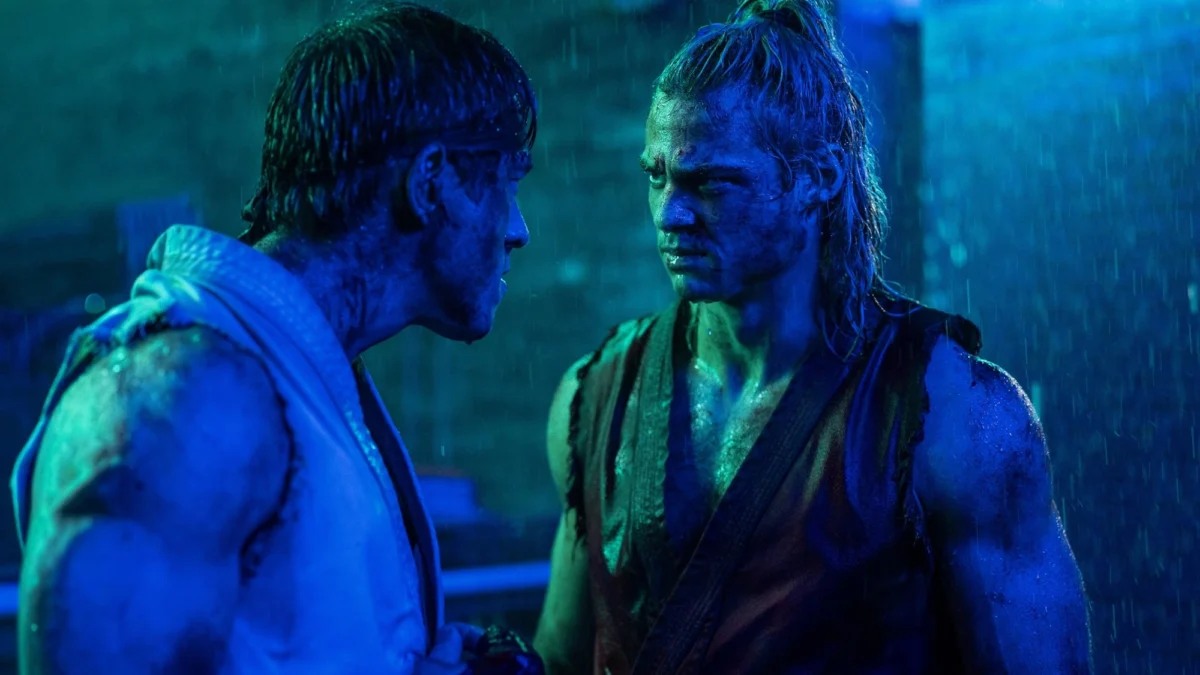
The legendary arcade halls of the 1990s are roaring back to life, not through quarters and joysticks, but through the flickering magic of the silver screen. This week marks the wide theatrical release of Street Fighter, a live-action adaptation that attempts to marry the high-octane spectacle of fighting games with the narrative gravity of a modern ensemble blockbuster. Directed by Kitao Sakurai, the film arrives as a massive, ambitious project, boasting an A-list ensemble cast and a plot that weaves together decades of lore. But as audiences flock to theaters, one question looms as large as a Shoryuken: Does the film hold onto its secrets until the very end?
The Main Facts: A Franchise Reimagined
Street Fighter is not merely another adaptation; it is an exercise in cultural preservation and reinvention. The film centers on the infamous World Warrior Tournament II, orchestrated by the tyrannical M. Bison in a desperate, power-hungry bid for global domination. Intertwined with this central conflict are the personal vendettas of iconic characters—most notably Chun-Li, whose quest for vengeance serves as the emotional anchor of the narrative.
The film’s most striking feature is its cast, which reads like a "who’s who" of both Hollywood heavyweights and pop-culture icons. The production features Noah Centineo and Andrew Koji in pivotal roles, supported by Callina Liang, Joe "Roman Reigns" Anoa’i, David Dastmalchian, Cody Rhodes, Eric André, Andrew Schulz, Vidyut Jammwal, Curtis "50 Cent" Jackson, and the powerhouse Jason Momoa. With such a massive lineup, Sakurai has the difficult task of balancing individual character arcs while maintaining the momentum of a high-stakes tournament plot. The central question remains: can Ryu and Ken, long estranged, overcome their differences to unite for the greater good?
Chronology of the Production
The journey of this Street Fighter film has been as layered as the game’s combat mechanics. Development began amidst a renewed interest in video game IP (Intellectual Property) following the massive financial success of films like The Super Mario Bros. Movie and The Last of Us series. Paramount Pictures and Legendary Pictures, in association with Capcom, sought to capture the visceral energy of the source material rather than simply relying on nostalgia.
Production moved through various phases of development, with Kitao Sakurai’s appointment as director signaling a desire for a stylistic, kinetic visual language. The casting process was highly publicized, specifically the inclusion of professional wrestlers like Roman Reigns and Cody Rhodes, which signaled an intent to prioritize physical presence and authentic combat choreography. Throughout 2024, the production team focused on practical stunts and immersive set design, aiming to ground the fantastical elements of the game in a tangible, gritty reality.
Supporting Data: The Stakes of the Adaptation
When analyzing the viability of Street Fighter, one must look at the landscape of the "Video Game Movie" genre. Historically, the genre was plagued by a "curse" of poor critical reception, but the current market suggests a paradigm shift.
- Cast Depth: With a roster featuring 11 high-profile leads, the film occupies a unique space in the ensemble action genre, comparable to the Fast & Furious franchise in terms of star power.
- The Soundtrack Factor: Beyond the visuals, the film’s auditory landscape is designed to function as an extension of the gameplay experience. Critics have already noted that the film’s pulse-pounding score and curated soundtrack provide the perfect backdrop for high-intensity training, suggesting that the film’s impact will extend well beyond the theater exit.
- The Mid-Credit Tease: Regarding the crucial post-viewing experience, reports confirm that while there is no post-credit scene, there is a mid-credit sequence. This brief, wordless sting acts as a narrative breadcrumb, hinting at the potential direction for a sequel. It is a calculated move to keep the audience buzzing without revealing the entire hand of the studio’s long-term franchise plans.
Official Responses and Creative Vision
Director Kitao Sakurai has been vocal about the "burden of legacy" that comes with directing such a foundational title. In various promotional junkets, Sakurai emphasized that the goal was not to replicate the 1994 cult classic or the animated series, but to interpret the characters through a modern lens.
"We wanted to honor the spirit of the arcade," Sakurai noted in a recent press briefing. "The characters are icons, but they are also deeply human. We wanted to see how these legendary fighters would navigate a world that is just as complex and dangerous as the tournament itself."

Capcom, the developers of the original Street Fighter games, have provided significant oversight, ensuring that character motivations align with the established lore while allowing for the creative liberties necessary for a feature-length film. The collaboration is intended to satisfy the die-hard "Street Fighter" community while remaining accessible to general audiences who may have never picked up a controller.
The Implications: Why It Matters
The release of Street Fighter is a bellwether for the film industry’s current obsession with gaming IP. If the film performs well—both critically and at the box office—it will likely trigger a new wave of fighting-game adaptations. However, the stakes are higher than just a single movie’s profitability.
The "Mid-Credit" Strategy
The inclusion of a brief, wordless mid-credit scene is a strategic maneuver in modern blockbuster filmmaking. By opting for a cryptic tease rather than a traditional post-credit "gag" or major cliffhanger, the production team is signaling that they are playing the long game. They want audiences to talk, to speculate, and to re-examine the film’s subtle visual cues for hints about the potential arrival of classic characters not yet seen in this iteration.
The Cultural Shift
Furthermore, the heavy reliance on an ensemble cast of diverse backgrounds and varying skill sets reflects a broader push for inclusion in the action genre. By casting stars like Vidyut Jammwal alongside crossover stars like Jason Momoa and 50 Cent, the studio is intentionally targeting a global audience. The success of this strategy could redefine how Hollywood approaches international casting in the future.
Final Verdict: Is It Worth the Wait?
For those asking if they should sit through the credits, the answer is a resounding "yes," though not necessarily for a massive reveal. The technical craft—the sound mixing, the choreography, and the visual effects—is a testament to the thousands of artists involved.
While the absence of a traditional post-credit scene might disappoint those expecting a teaser for a Street Fighter 2 trailer, the mid-credit sequence provides just enough flavor to satisfy the curious. As the film hits theaters, the focus remains on the action, the performances, and the sheer spectacle of seeing these legendary warriors brought to life.
Ultimately, Street Fighter arrives at a pivotal moment. It is a massive, noisy, and star-studded production that demands to be seen on the biggest screen possible. Whether you are there for the nostalgia of a Hadouken or the thrill of seeing your favorite stars trade blows, the experience is designed to be visceral. Just remember: when the final bell rings and the screen goes dark, stay in your seat for that brief, final glimpse of what lies ahead for the World Warriors.
Note: For those interested in exploring the streaming landscape further, industry-leading platforms like HBO Max, Disney+, Hulu, and Peacock continue to provide massive libraries of content that complement the high-octane energy of films like Street Fighter. As the industry evolves, the intersection of streaming accessibility and theatrical prestige remains the primary driver of modern entertainment consumption.