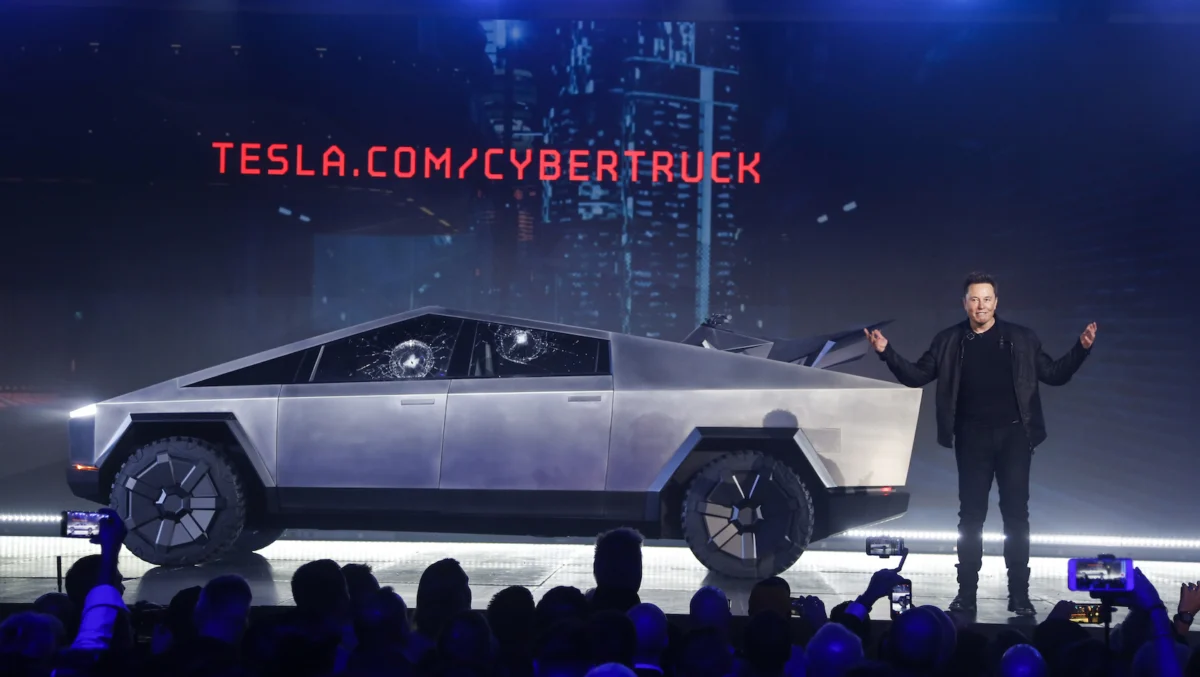
For thousands of Australian automotive enthusiasts and technology early adopters, the long-standing "Cybertruck dream" has officially come to an end. After seven years of anticipation, speculation, and shifting timelines, Tesla has confirmed it is abandoning plans to bring a right-hand-drive (RHD) version of its polarizing Cybertruck to the Australian market.
The decision brings a definitive, if disappointing, close to a saga that began with a $150 deposit in 2019. For those who held onto their reservations, the company is now processing refunds, though it has attempted to sweeten the blow with enticements directed toward its Full Self-Driving (FSD) software suite.
The Chronology of a Failed Launch
The timeline of the Cybertruck in Australia is a case study in the complexities of global vehicle manufacturing and regulatory hurdles.
- 2017: Tesla first teases a pickup truck, sparking intense global interest.
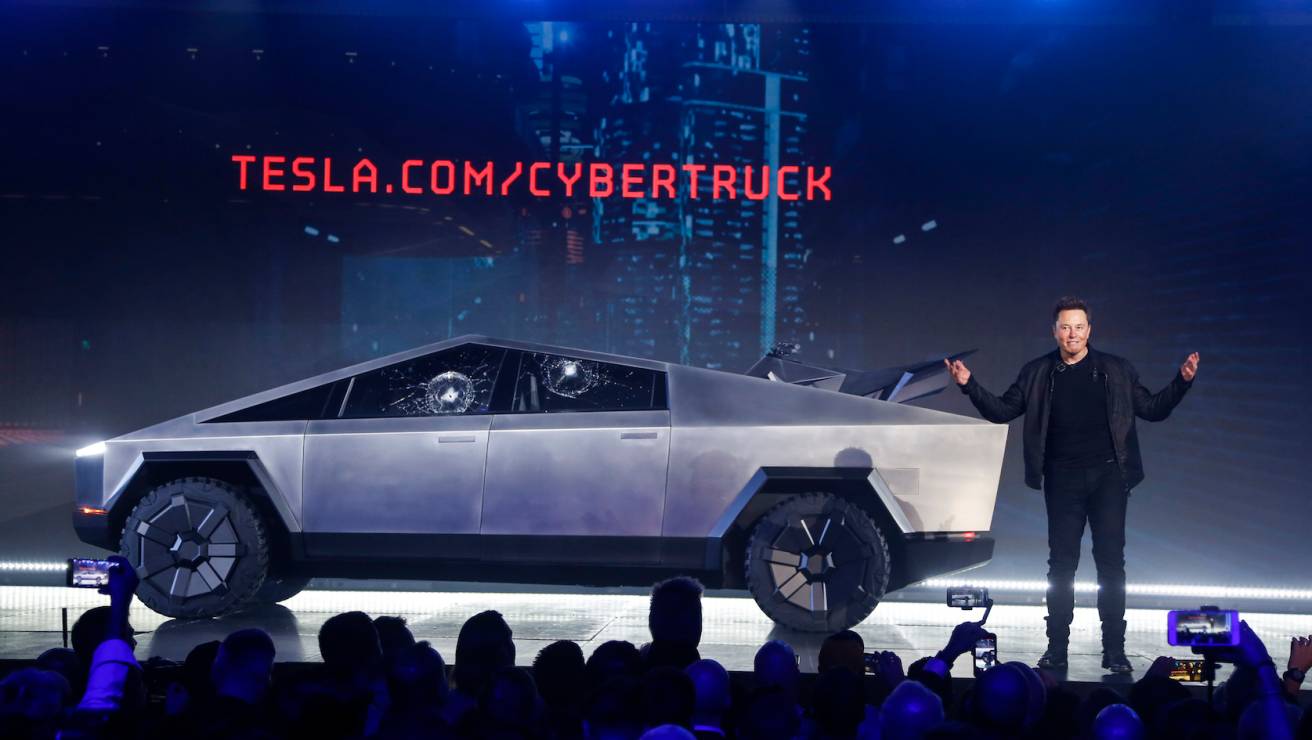
- 2019: The Cybertruck is officially unveiled in California. Elon Musk’s demonstration—famously marred by the failure of the "unbreakable" windows—did little to dampen public enthusiasm. Australians were among the first to jump in, placing $150 deposits to secure their spot in an ever-lengthening queue.
- 2020: As production delays mount in the United States, questions begin to arise regarding the feasibility of an RHD variant.
- 2022: Tesla quietly stops taking new deposits for the Cybertruck in Australia, effectively placing the market on ice.
- 2026: After years of silence and speculation, Tesla officially confirms the cancellation of the RHD program, citing the engineering and manufacturing costs associated with reconfiguring the vehicle for the Australian market.
The delay, while frustrating, is not entirely out of character for Tesla. For context, the company’s Roadster—which was unveiled in 2017 with a promised 2020 delivery—still remains in a state of perpetual limbo. By comparison, those who waited seven years for a Cybertruck might feel they got off "lightly."
The Engineering and Regulatory Reality
The primary obstacle to the Cybertruck’s entry into Australia is the fundamental difference between the North American market and the Australian automotive landscape. Australia mandates right-hand-drive vehicles for public road use.
Re-engineering a vehicle like the Cybertruck—which utilizes a unique "exoskeleton" design and proprietary manufacturing methods—for RHD is not a simple task of moving the steering wheel. It requires a complete redesign of the interior dash architecture, the wiring harnesses, and potentially the entire front-end chassis layout to maintain safety and performance standards.
Furthermore, Australia has stringent vehicle width and weight regulations. The Cybertruck’s massive dimensions, combined with its stainless-steel construction, present significant hurdles regarding pedestrian safety standards and impact testing requirements set by the Australian Design Rules (ADRs). As Tesla focused its limited resources on scaling production in its Austin, Texas "Gigafactory," the business case for a specialized RHD variant simply failed to pencil out.
Official Responses and the "FSD Bait"
Tesla’s communication regarding the cancellation has been characteristically minimalist. In emails sent to reservation holders, the company apologized for the change in plans and provided instructions for receiving a full refund of the initial deposit.
However, the company’s outreach was not limited to a simple refund. In an effort to maintain customer loyalty, Tesla is offering affected reservation holders incentives related to its Full Self-Driving (FSD) software package. By dangling access or discounts on FSD for other models in the Tesla lineup—such as the Model Y or Model 3—Tesla is attempting to pivot disappointed truck fans toward their existing, high-volume products.
Industry analysts view this as a calculated retention strategy. By migrating reservation holders toward vehicles that are already available in Australia, Tesla protects its market share in the local EV sector, which has become increasingly competitive with the arrival of brands like BYD and MG.
Implications for the Australian EV Market
The cancellation of the Cybertruck holds broader implications for the Australian electric vehicle transition.
1. The "Big Truck" Trend Faces a Ceiling
While there is a burgeoning market for electric utes (pickups) in Australia, the segment is currently dominated by smaller, more practical options. The Cybertruck’s failure suggests that the American obsession with "giga-sized" trucks does not necessarily translate to the Australian consumer, who typically prioritizes towing capacity, off-road utility, and ease of parking over sci-fi aesthetics.
2. A Shift in Brand Loyalty
Tesla has long relied on a cult-like following that persists through delays and setbacks. However, seven years of waiting is a significant period in the automotive world. Some analysts suggest that the Cybertruck saga may have tested the patience of even the most die-hard Tesla supporters. When a consumer waits seven years for a product that never arrives, the "Tesla magic" begins to fade.
3. Competition Stepping In
With the Cybertruck off the table, the void for an premium electric ute in Australia remains. Domestic and international competitors are already moving to fill this space. Traditional automotive giants are electrifying their existing fleet, and new entrants are focusing on utility-first designs that meet Australian safety standards without the need for radical redesigns.
The Road Ahead: What’s Next for Tesla in Australia?
Despite the Cybertruck setback, Tesla remains a dominant force in the Australian EV market. The Model Y continues to be one of the best-selling vehicles in the country, and the company is heavily invested in its Supercharger network and energy storage solutions.
The company’s focus appears to have shifted away from "halo" products like the Cybertruck and toward mass-market affordability. As the global EV market matures, Tesla is finding that the demand for reliable, affordable family transport outweighs the demand for novelty vehicles that are difficult to manufacture on a global scale.
For the Australian customer, the era of the Cybertruck was a fun, futuristic distraction—a glimpse into the wilder ambitions of Silicon Valley engineering. Now, the reality has set in: the future of Australian transport will be defined not by stainless-steel wedges, but by the practical, sustainable vehicles that are actually available on the showroom floor.
Conclusion
The cancellation of the Cybertruck in Australia is a reminder of the chasm that often exists between a company’s marketing vision and the logistical reality of international markets. While the $150 deposit refund is a simple financial transaction, the loss of the vehicle represents a pivot point for Tesla’s regional strategy.
As the dust settles, Australian consumers are left to decide whether they will accept the "FSD bait" and stick with the brand, or if the seven-year wait has finally led them to look elsewhere for their next vehicle. For now, the dream of seeing a Cybertruck navigate the streets of Sydney or the tracks of the Outback remains exactly that—a dream.