The 2016 United States presidential election serves as a watershed moment in the history of political campaigning. It was a contest that signaled the end of the traditional "broad-brush" media era and the arrival of a high-velocity, data-driven, and hyper-segmented political landscape. While much of the discourse surrounding the election has focused on personality, policy, and populist rhetoric, a closer examination of the operational infrastructure reveals a secondary, equally important story: the adoption of Silicon Valley startup methodologies to secure electoral victory.
A political campaign strategy is, at its core, the coordinated orchestration of a candidate’s message, audience targeting, financial resources, media presence, and field operations. In 2016, the Trump campaign, led by Jared Kushner, effectively applied lean startup principles—rapid testing, iterative data allocation, and outsourced technical specialization—to achieve a victory that defied traditional polling expectations.
Main Facts: The Intersection of Silicon Valley and the Ballot Box
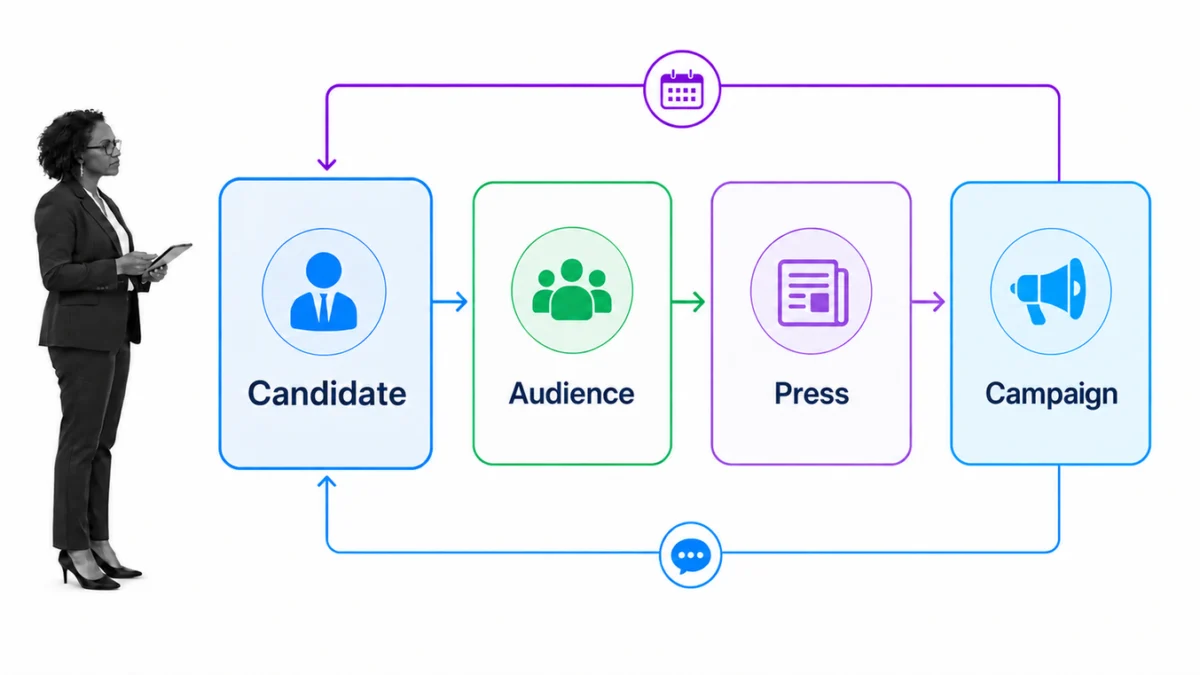
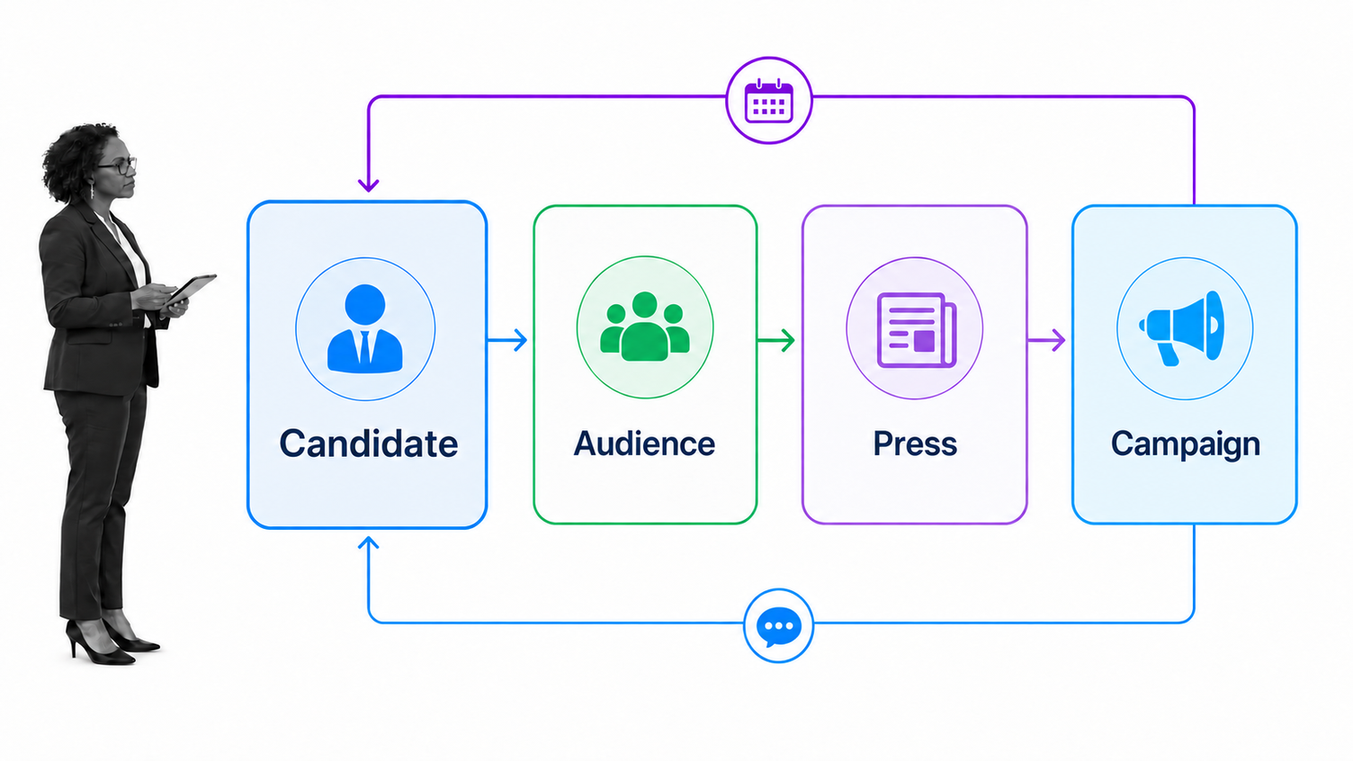
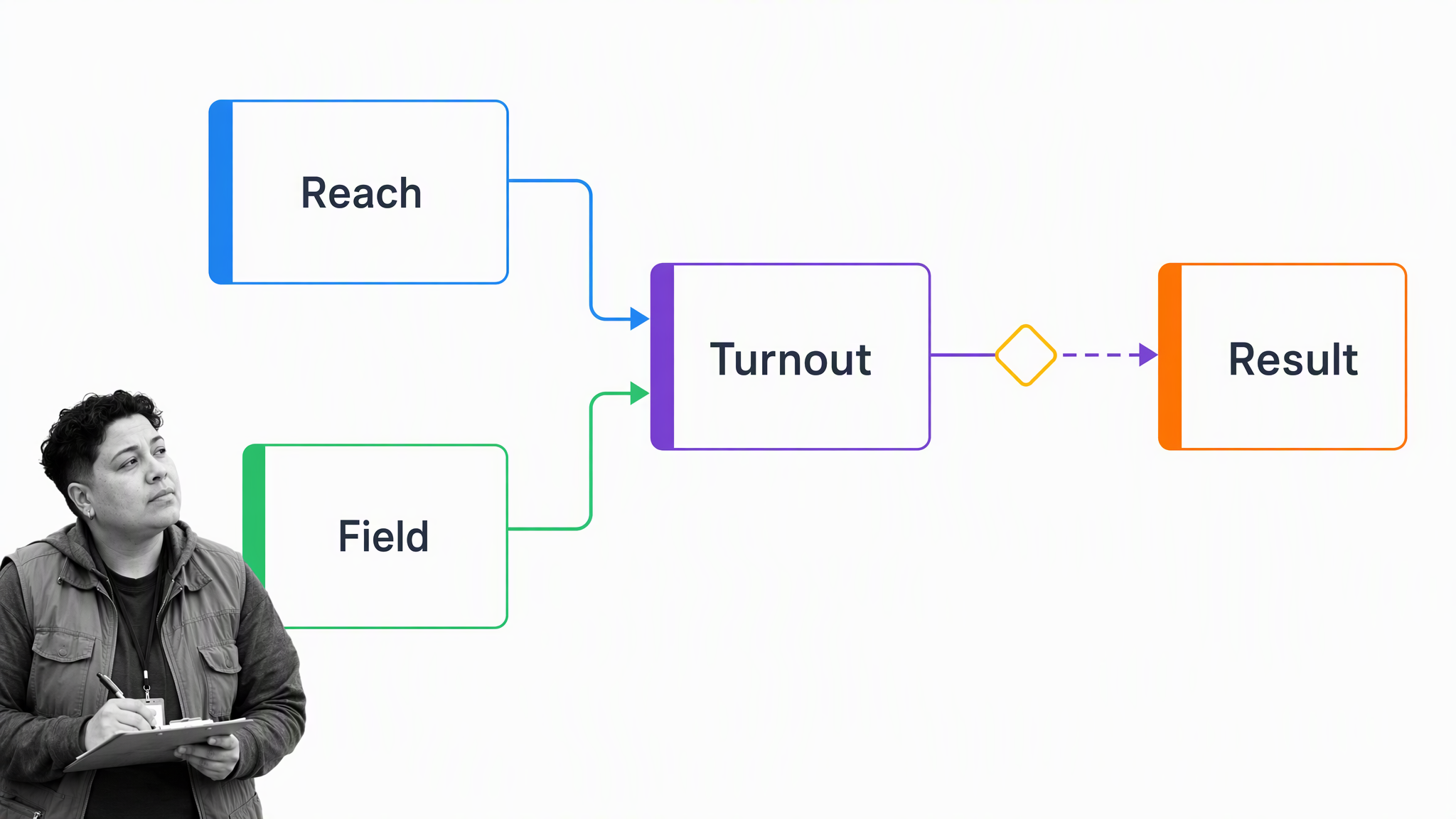
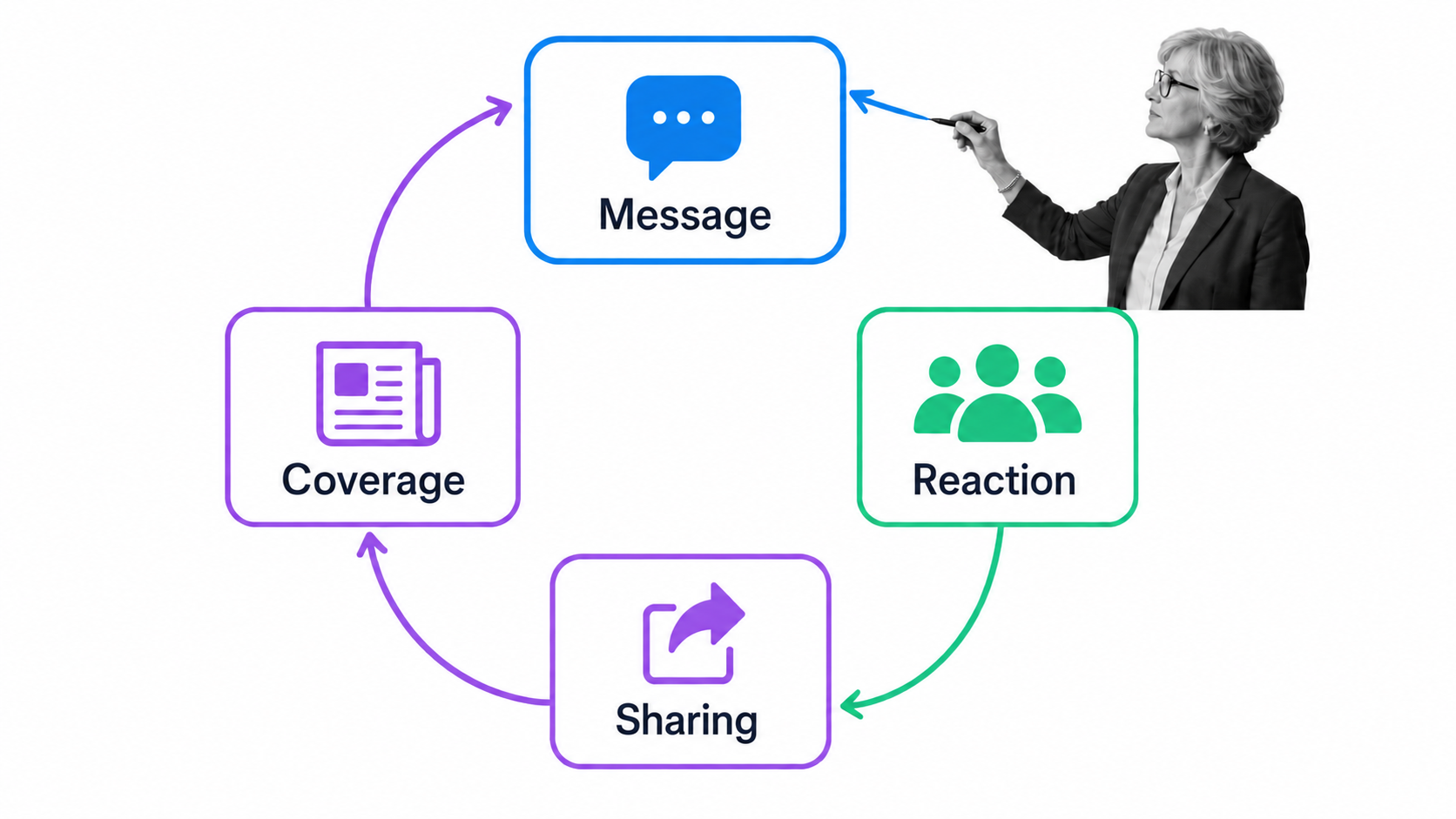
The primary shift in 2016 was the transition from mass-market communication to a precision-engineered ecosystem. The MIT Laboratory for Social Machines characterized Donald Trump as a dominant force in the media landscape, not merely because of his presence, but because of his ability to create a self-reinforcing feedback loop. Candidate statements, online community engagement, social media amplification, and news cycle coverage functioned as an integrated engine.
Technology, however, was not a silver bullet. The Trump campaign’s success was rooted in "Moneyball" politics—a term popularized by the analytical approach to sports management. By treating every dollar of campaign spending as an investment with an expected return on investment (ROI) in electoral votes, the campaign prioritized efficiency over the traditional "carpet-bombing" approach of television advertising.
Chronological Evolution: From Lean Startup to National Machine
The transformation of the Trump campaign occurred in distinct phases. Initially, the operation was "leaner than a lean startup." Under early advisors like Corey Lewandowski, the campaign relied on a minimalist infrastructure, focusing on headline-grabbing rallies to maintain public interest without heavy capital expenditure.
The pivot point arrived with Jared Kushner. Bringing a venture-capitalist mindset from his work with startups like Cadre, Kushner re-engineered the campaign into an agile, data-heavy machine.
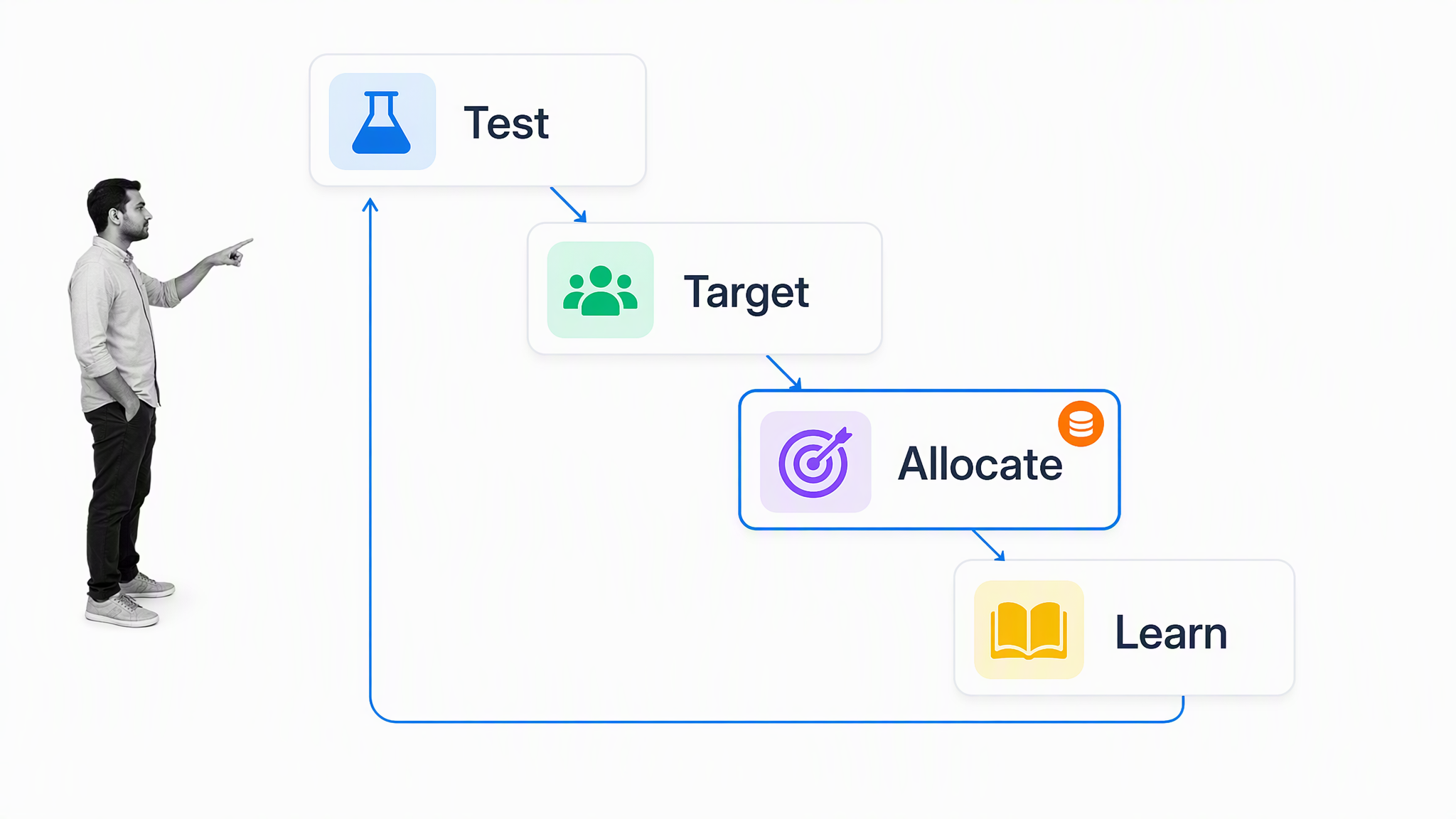
- Phase 1 (The Test): Kushner leveraged Facebook’s micro-targeting capabilities to test merchandise sales and donor interest. By iterating on these digital ads, the campaign saw a tenfold increase in daily revenue, moving from $8,000 to $80,000.
- Phase 2 (The Scale): Following the Republican nomination, the campaign established a 100-person data center in San Antonio. This facility functioned as the operational brain, mapping geographic issues and optimizing the cost-per-acquisition for voter turnout.
- Phase 3 (The Integration): The campaign employed multiple digital marketing firms simultaneously, forcing them to compete against one another to drive down costs and optimize the quality of engagement—a quintessential practice in modern business process management.
Supporting Data: The Efficiency Gap
The most compelling argument for the success of this digital strategy lies in the spending disparity. FEC filings indicated that the Trump campaign spent roughly half as much as the Clinton campaign. While Hillary Clinton’s team, supported by analytics giants like Civis Analytics and Google-backed projects like "The Groundwork," utilized massive datasets, the Trump campaign’s operational discipline regarding their "customer acquisition cost"—the cost to turn a supporter into a vote—remained significantly lower.
Google’s former CEO Eric Schmidt, who assisted the Clinton campaign, famously remarked on the efficiency of the Trump operation, noting that Kushner managed to build a presidential-grade infrastructure on a "shoestring budget" using new technology. This wasn’t just about spending less; it was about spending more intelligently by using data to identify which states offered the best electoral ROI.
Official Responses and Independent Analysis
The role of media in this shift cannot be overstated. As Joel Simon of the Columbia Journalism Review argued, the 2016 election proved that the most effective way to garner attention in a 24-hour news cycle is to engage in provocative behavior that mandates coverage, which is then amplified through social media. Traditional media outlets, often acting as "unwitting accomplices," provided the amplification that the Trump campaign sought, effectively serving as free marketing for the candidate’s direct-to-audience digital strategy.
The emergence of independent media, particularly organizations like Breitbart, provided a secondary layer of support. These platforms offered a counter-narrative that could be used to deflect mainstream criticism and energize a base that had become increasingly distrustful of institutional journalism.
The Counter-Narrative: Limits of the Tech Model
It is essential to view these technological gains within the context of the political environment. The 2016 election was a volatile period. The intervention of external events—such as the FBI’s announcement regarding the renewal of the investigation into Hillary Clinton’s emails—played a role that no amount of data modeling could fully account for.
Furthermore, the "tech-first" approach is not a guaranteed path to victory. The Bernie Sanders campaign in the Democratic primaries served as another "political startup" model, utilizing grassroots crowdfunding and innovative mobile tools like Hustle to mobilize young, tech-literate voters. Despite his advanced organizational and communication channels, Sanders was ultimately unable to secure the nomination. This reinforces the reality that while software can shorten feedback loops and optimize resource allocation, it remains subservient to the candidate’s message and the broader political climate.
Implications for Modern Organizations
The 2016 election provides a durable lesson for both political and commercial sectors: success is found when message, audience, experimentation, and resource allocation function as a single, integrated system.
- Operational Discipline: The ability to map a process, measure bottlenecks, and iterate based on real-time data is not just for software companies. It is a fundamental requirement for any organization seeking to scale.
- The Feedback Loop: Modern campaigns and businesses alike must recognize that social platforms allow for direct communication. The ability to bypass traditional "gatekeepers" is a powerful tool, but it requires a sophisticated understanding of how to manage an online community.
- The Role of AI and Compliance: As seen with the controversies surrounding Cambridge Analytica, the integration of data and technology must be balanced with ethical and legal governance. The future of campaigning lies in the ability to use data responsibly to understand voter sentiment without crossing into the territory of exploitation.
Today, platforms like Process Street are evolving to meet these demands, offering compliance-heavy operations platforms that allow teams to document procedures, run repeatable workflows, and leverage AI to classify information and draft content. This level of rigor is the natural evolution of the "Moneyball" approach seen in 2016.
Conclusion: The Human Factor
The 2016 election remains a critical case study because it illustrates the undeniable power of an integrated technological system, while simultaneously highlighting its limits. Technology provided the Trump campaign with the speed and efficiency to compete on a national stage with a fraction of the traditional resources. However, it did not—and could not—replace the necessity of a persuasive candidate, a compelling narrative, and a receptive electorate.
The ultimate takeaway is that software is merely an enabler. The true "disruption" in 2016 was not just the tools themselves, but the organizational discipline of the people who used them. As we look toward future elections and the broader business landscape, it is clear that those who win will be the ones who successfully bridge the gap between human intent and machine-assisted execution.