In the modern enterprise, the difference between a high-performing team and a chaotic organization often comes down to a single, frequently overlooked asset: the quality of its workflow documentation.
Workflow documentation is far more than a set of static instructions. It is the precise, written, and visual record of a repeatable sequence of tasks, decisions, owners, and handoffs that propels a business process from an initial trigger to a definitive, successful outcome. When a team clearly documents its workflows, it strips away the ambiguity that plagues so many modern offices. It transforms abstract labor into a tangible, measurable, and scalable asset.
By documenting workflows, organizations move beyond reliance on "tribal knowledge"—the dangerous tendency for critical processes to live only in the memories of a few key employees. This documentation creates a dependable foundation for automation, exposes systemic delays, and provides the clarity needed to handle exceptions with precision. Platforms like Process Street have emerged as the central nervous system for this operational knowledge, allowing teams to not only document their work but to actively execute, measure, and improve it in real-time.

What is a Workflow? Understanding the Anatomy of Work
At its core, a workflow is the organized path that work follows from inception to completion. It is the synthesis of three critical dimensions: the tasks required, the people who perform them, and the systems or resources they leverage.
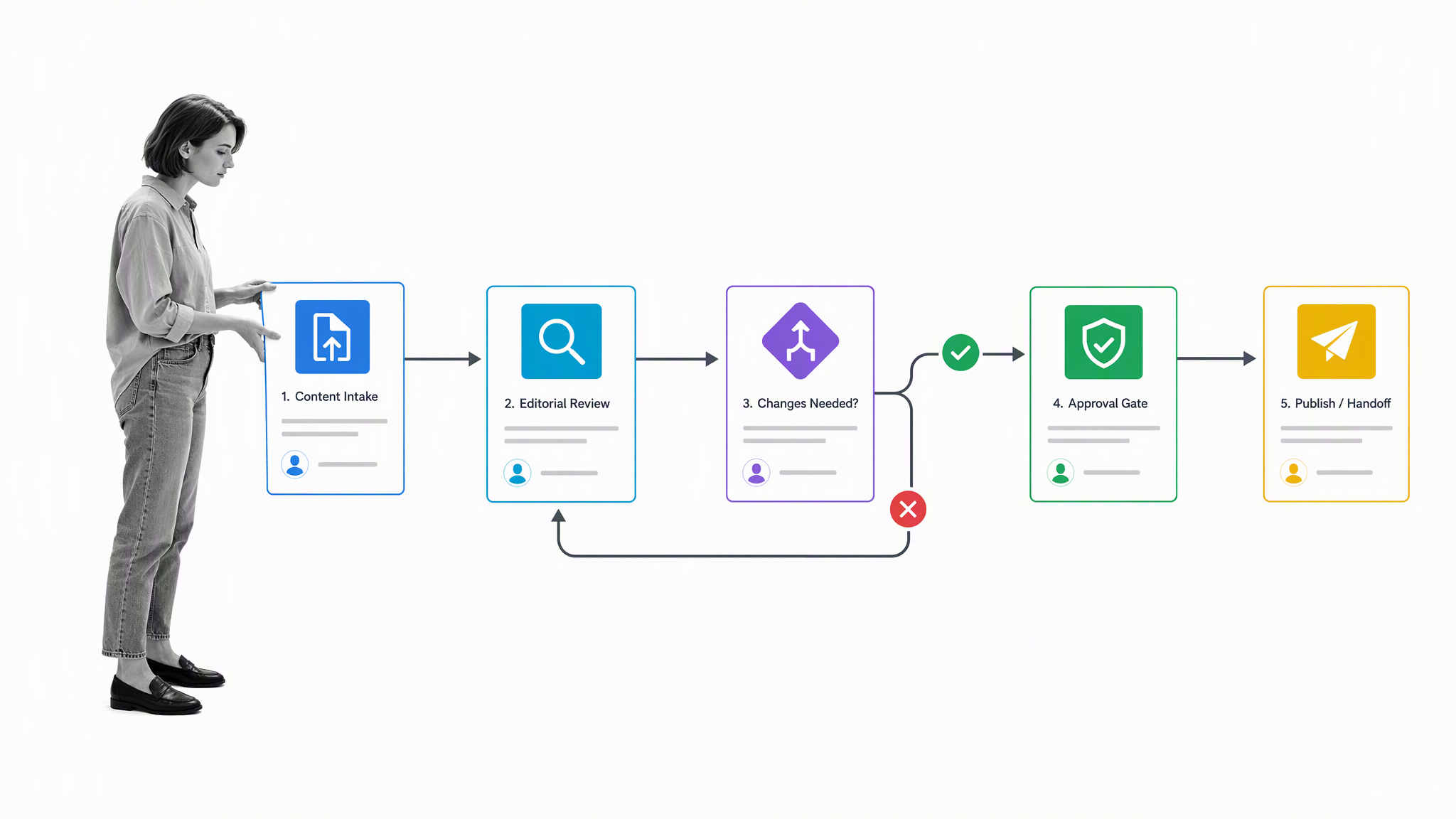
While a "process" defines the repeatable activities necessary to achieve an outcome, the "workflow" is the visualization of that process in motion. It dictates the sequence, assigns the ownership, manages the decision-making logic, and defines the handoffs between departments.
Broadly speaking, a workflow can be viewed as an orchestrated pattern of business activity. A simple workflow might be contained within a single desk, such as an individual’s daily report filing. A cross-functional workflow, however, might weave together the efforts of HR, IT, Finance, and Legal departments to onboard a new employee.
The Layers of Operational Clarity
To achieve true operational maturity, teams must distinguish between three layers of guidance:
- The Process: The repeatable activities required to achieve an outcome.
- The Workflow: The visual and logical map of how that work moves, including dependencies and handoffs.
- The Standard Operating Procedure (SOP): The deep-dive instructions on how to perform a specific, granular task.
When these layers are integrated, teams gain a powerful toolkit. High-level maps provide orientation for new hires, while executable digital flows ensure that daily tasks are performed consistently. If these representations fall out of sync, however—where the diagram, the policy, and the actual daily practice tell different stories—the team will inevitably default to the "path of least resistance," often at the cost of quality and compliance.
A Chronological Perspective: From the Pin Factory to the Digital Age
The pursuit of workflow efficiency is not a modern invention; it is a fundamental challenge of human cooperation. In his seminal 1776 work, The Wealth of Nations, Adam Smith famously analyzed the production of a pin factory. He observed that by dividing the manufacturing process into eighteen distinct operations performed by specialized hands, a team of ten could produce 48,000 pins daily. Had those same individuals worked in isolation, they might have struggled to produce even one.
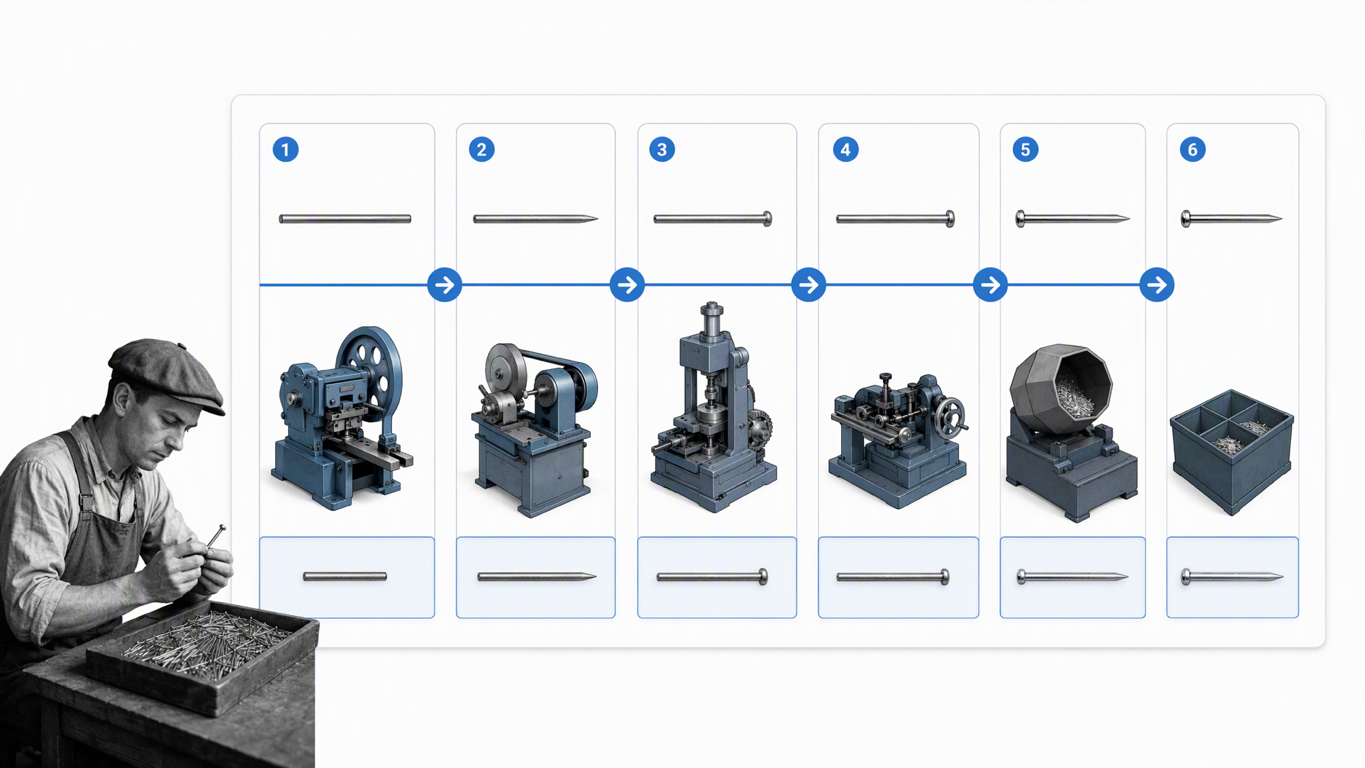
Smith’s insight was that the dramatic increase in output was not merely a result of faster labor, but of the systematic sequencing, assignment, and coordination of the work itself.
The Scientific Management Revolution
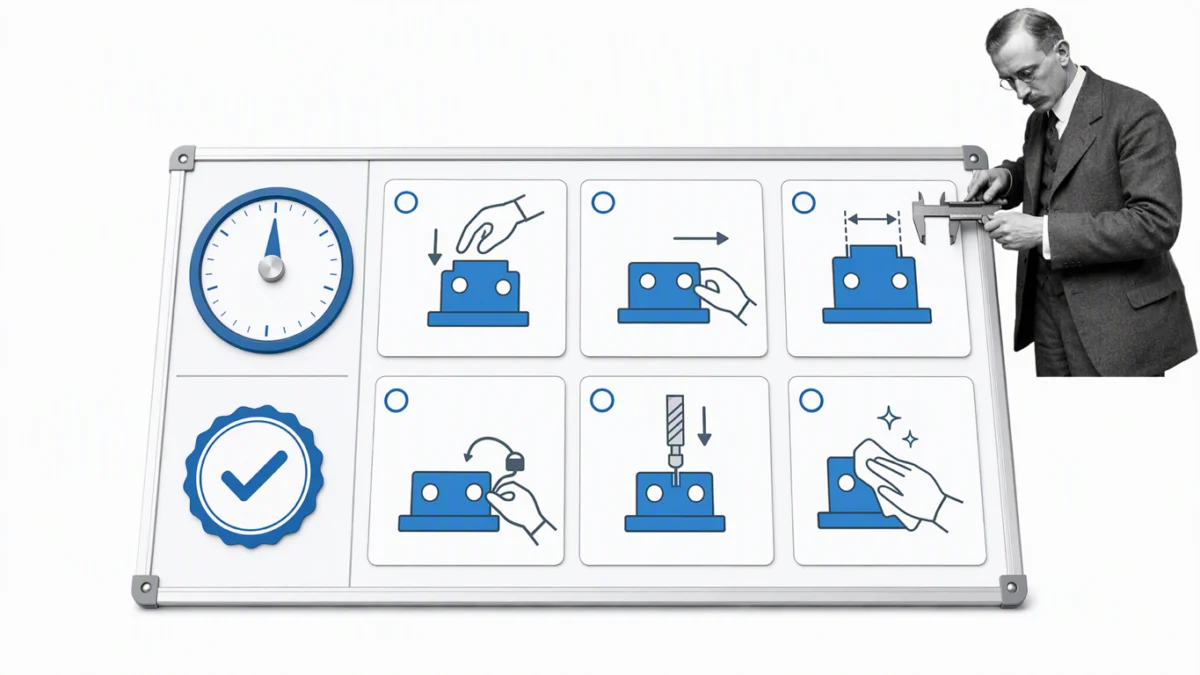
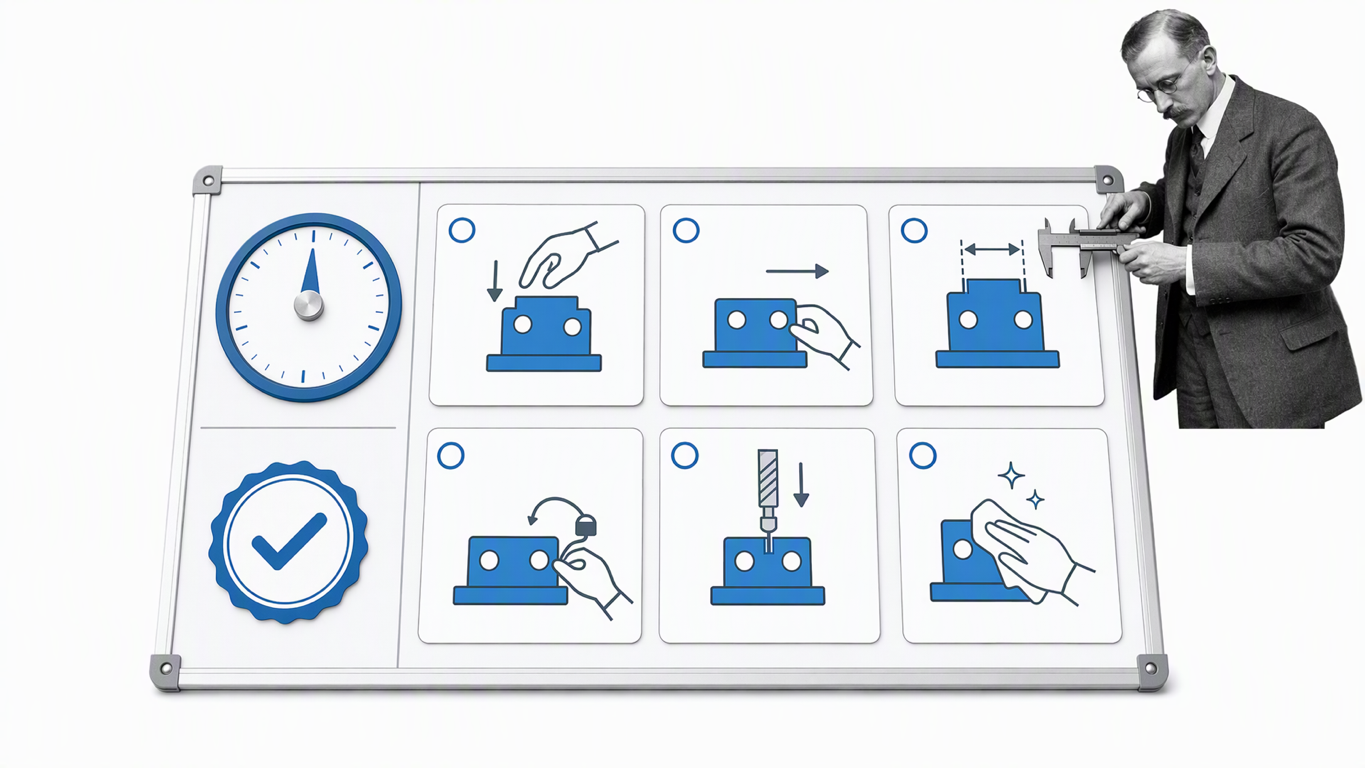
Over a century later, Frederick Winslow Taylor pushed this logic further in his 1911 work, The Principles of Scientific Management. Taylor argued that work should be studied, measured, and standardized. He advocated for the separation of planning from execution, arguing that management should define the "one best way" to perform a task.
This philosophy laid the groundwork for modern process management. As the 20th century progressed, the term "workflow" began appearing in industrial engineering literature—most notably in a 1921 railway engineering journal. While the tools have evolved from manual assembly lines to cloud-based software, the core management problem remains unchanged: making the path of work visible so it can be coordinated, measured, and refined.
Supporting Data: Why Visibility Matters
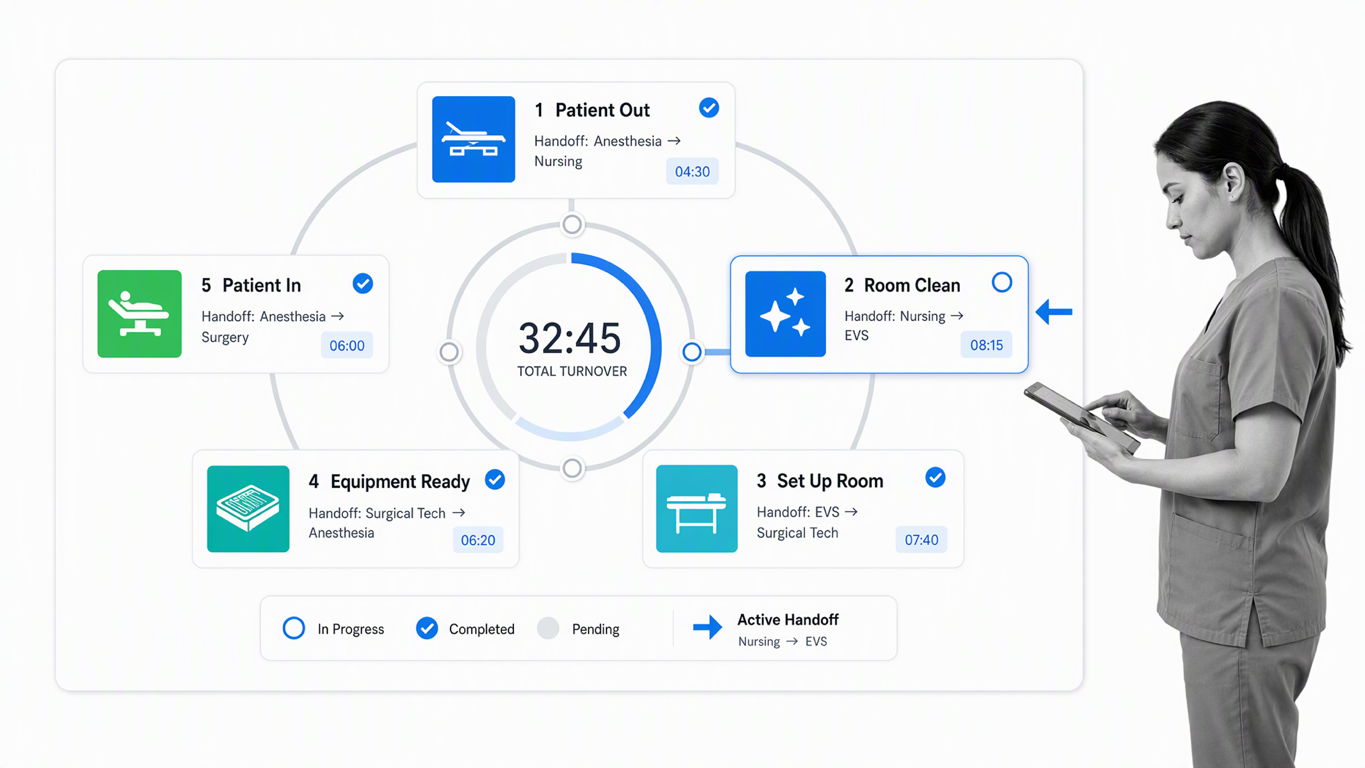
The impact of structured workflow documentation is quantifiable. In a landmark study of operating-room efficiency conducted by Juan Cendan and Laura Good, researchers observed significant inconsistencies in how hospitals handled room turnover between surgeries. By documenting the existing behaviors, clarifying the roles of nurses and surgeons, and implementing a standardized workflow, the hospital achieved remarkable results.
Key Metrics from the Study:
- Turnover Time: Reduced from 43.7 minutes to 27.7 minutes.
- Daily Caseload: Increased from 1.78 to 2.34 cases per room.
These improvements were not the result of surgeons working faster, but of making responsibilities explicit and eliminating the "hidden" delays that occur during handoffs. This principle applies universally. In HR, document approval, or supply chain management, documenting the handoffs prevents tasks from disappearing into the void between teams.
Implications: The Risks of "Normalizing Deviance"
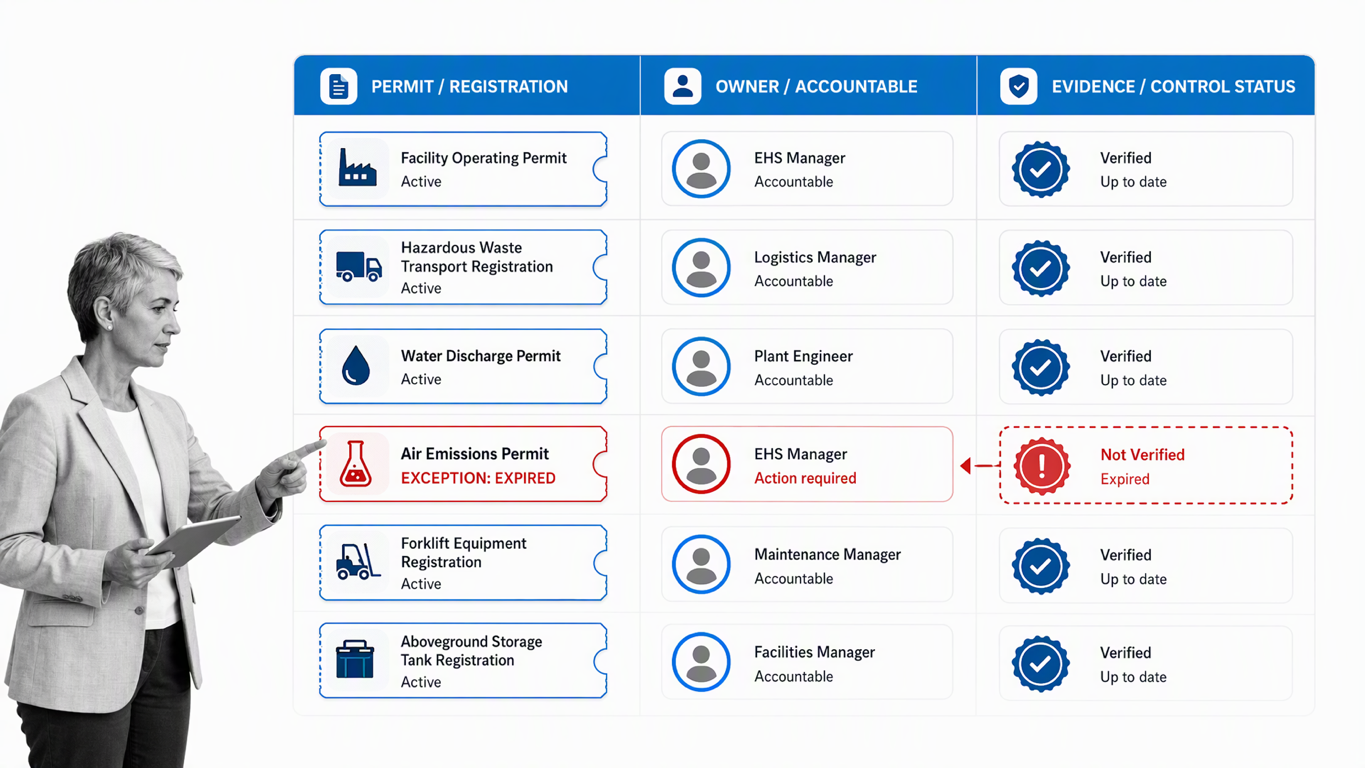
When workflows are not clearly documented, or when controls are missing, organizations open themselves to significant systemic risk. A poignant example is the case of Zenefits, which faced a $7 million penalty in 2018 for failing to maintain proper insurance licensing and training documentation as it scaled.
Sociologist Diane Vaughan coined the term "normalization of deviance" to describe how organizations gradually accept small, unsafe departures from standard procedure until a disaster occurs. When teams lack clear, documented workflows, they lack the "source of truth" required to identify when an exception has become a dangerous habit. Proper documentation creates an audit trail that allows managers to spot these deviations before they cascade into systemic failure.
Step-by-Step: How to Document Your Workflows
Documenting a workflow should not be an exercise in theoretical design; it must be grounded in the reality of how work is performed today.
Step 1: Define Boundaries
Establish the trigger (what starts the process?) and the outcome (what does "done" look like?). A goal like "publish content" is too broad; "published, quality-checked article with social distribution confirmed" is a defined boundary.
Step 2: Identify Owners and Participants
Assign an accountable owner. Use roles (e.g., "Editor," "Legal Reviewer") rather than personal names to ensure the process survives staff turnover.
Step 3: Capture Current Steps
Interview the people performing the work. Record actions in order using clear, verb-driven language: "Verify license," "Approve budget," "Send notification."

Step 4: Map Decisions and Handoffs
Every decision branch needs a clear "if-then" rule. Define exactly what information must be passed between owners to ensure no one is left guessing.
Step 5: Add Standards and Controls
Embed the compliance requirements directly into the workflow. If a policy exists, link to it; don’t force employees to hunt through a separate handbook.
Step 6: Test with Real Work
Run a pilot. Look for areas where tribal knowledge is required to complete a step. If a user has to ask, "What do I do here?", your documentation is incomplete.
Step 7: Govern and Optimize
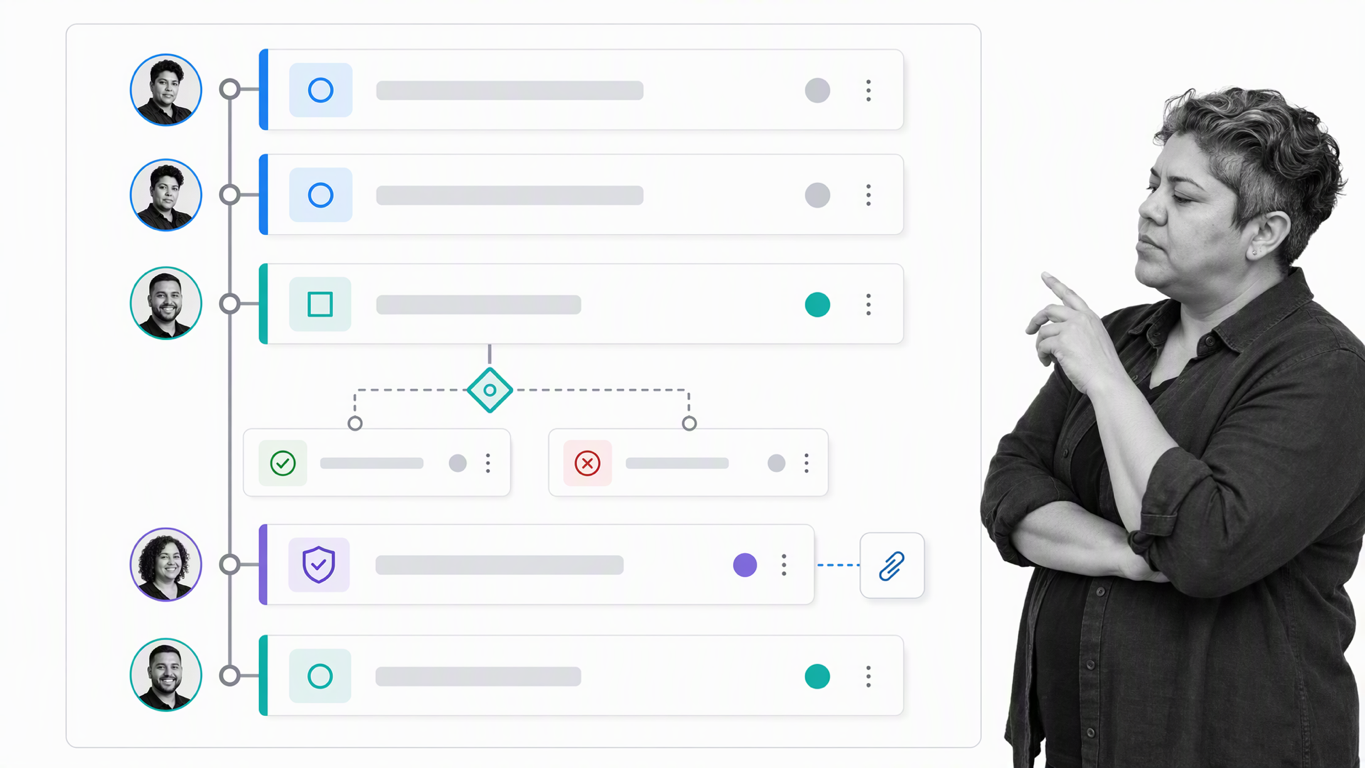
Assign a review cadence. A workflow is a living document that must evolve with the company’s technology and regulatory environment.
The Future: Optimization, Automation, and AI
Documentation is merely the baseline. Once a workflow is visible, it becomes a candidate for optimization. Using techniques borrowed from Business Process Management (BPM), teams should measure cycle times, wait times, and exception volumes.
Automation should only be applied to established, understood workflows. When you automate a broken process, you simply break things faster. Start with repetitive notifications and data entry, but keep human judgment at the heart of critical decisions.
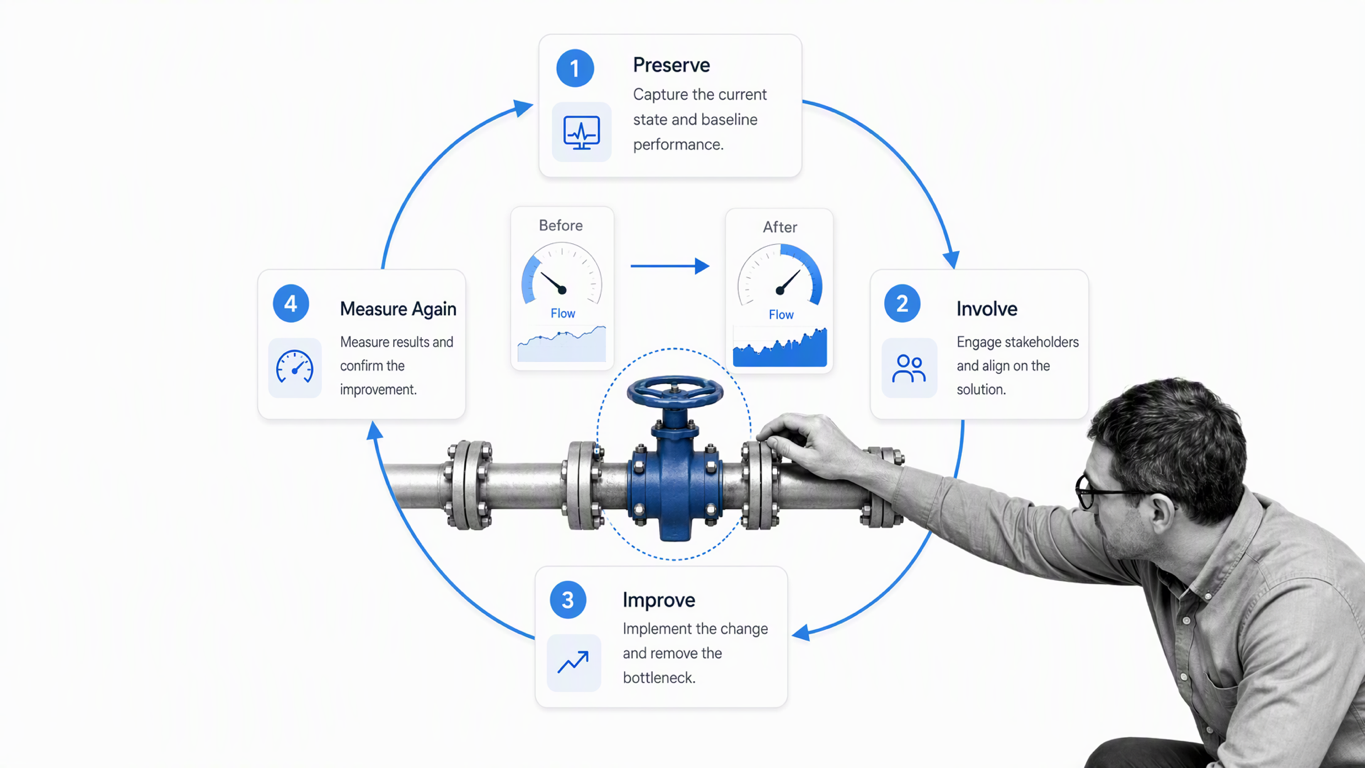
With the rise of AI-assisted documentation, teams can now draft procedures and refine operational content faster than ever. However, the human element remains paramount. Governance—the act of reviewing, updating, and approving these workflows—is the final piece of the puzzle. When documentation, execution, and improvement are unified in a platform like Process Street, the workflow ceases to be a diagram on a wall. It becomes an "operating system" for the business—clear enough to teach, controlled enough to trust, and agile enough to scale.