In the high-stakes world of digital marketing, the obsession with "traffic numbers" is increasingly viewed as a vanity metric. For years, businesses have poured billions of dollars into advertising funnels, social media outreach, and search engine optimization, all with the singular goal of driving more eyeballs to their websites. However, a growing body of evidence suggests that the "more is better" mantra is failing. If a business brings 100,000 visitors to a site but fails to convert them into leads or sales, it is not a marketing success—it is an expensive logistical failure.
Conversion marketing has emerged as the definitive solution to this problem. By shifting the focus from acquiring new visitors to maximizing the value of existing ones, companies are discovering that the path to exponential growth often lies within their own existing traffic.
The Core Philosophy of Conversion Marketing
At its most fundamental level, conversion marketing is the strategic practice of optimizing every digital touchpoint to encourage visitors to complete specific actions. Whether that action is signing up for a newsletter, booking a product demo, or finalizing an e-commerce purchase, the objective remains the same: reducing friction and increasing the percentage of users who move from passive observers to active customers.
Unlike traditional acquisition tactics, which rely on the sheer volume of incoming traffic, conversion marketing is centered on Conversion Rate Optimization (CRO). It is a disciplined, data-backed approach that treats every landing page, form, and call-to-action (CTA) as a testable variable. By refining these elements, businesses can realize significant revenue gains without increasing their ad spend.
The Economic Necessity of Conversion Focus
The shift toward conversion-centric strategies is driven by the rising cost of customer acquisition (CAC). As digital advertising platforms like Google and Meta become more competitive, the cost per click (CPC) has climbed steadily over the last decade. For many small-to-mid-sized businesses, simply "buying" their way to growth is no longer financially sustainable.
The Mathematics of Optimization
Consider a simple, yet powerful, mathematical reality: If a website receives 10,000 visitors per month with a 2% conversion rate, the business generates 200 conversions. If, through a series of tactical optimizations, that business increases its conversion rate to 4%, it effectively doubles its output to 400 conversions. This doubling happens without spending a single extra cent on advertising. In an era where marketing budgets are under intense scrutiny, this "efficiency-first" approach is no longer a luxury; it is a financial imperative.
Decoding the Anatomy of a Conversion
Understanding why a visitor clicks "buy" or "sign up" requires a deep dive into user psychology. A conversion is the result of a visitor’s desire to solve a problem outweighing their hesitation or confusion. To facilitate this, marketers focus on four critical pillars.
1. The Value Proposition
The value proposition is the heartbeat of any high-converting page. It must answer the visitor’s most pressing question: "What is in it for me?" A successful value proposition is concise, relevant, and immediately understandable. If a visitor has to spend more than a few seconds deciphering what is being offered, the conversion is likely already lost.
2. Design and Usability (UX)
Site performance is a direct reflection of professional credibility. High bounce rates are frequently linked to slow load times, non-responsive mobile designs, and overly complex navigation. Research indicates that even a one-second delay in page load time can cause a significant drop in conversion rates. Simplifying user journeys—such as reducing form fields to the absolute minimum—is one of the most effective ways to lower friction and improve completion rates.
3. Trust Signals and Social Proof
In the digital marketplace, trust is the primary currency. Consumers are naturally skeptical of unknown brands. To bridge this gap, high-performing websites utilize social proof, including customer testimonials, case studies, industry certifications, and user reviews. The most effective trust signals are specific; instead of a generic "great service" quote, they provide quantifiable results, such as "this tool saved our team 15 hours per week."
4. Urgency and Incentives
Human psychology is wired to avoid the pain of missing out. When used ethically, urgency—such as limited-time offers or low-stock alerts—can push a hesitant visitor toward a decision. However, this must be balanced with genuine incentives. When a visitor perceives a clear benefit to acting immediately, their decision-making process accelerates.
High-Impact Tactics for Modern Growth
To implement an effective conversion strategy, companies are deploying a variety of proven, data-driven tactics that rely on continuous testing.
Landing Page Optimization
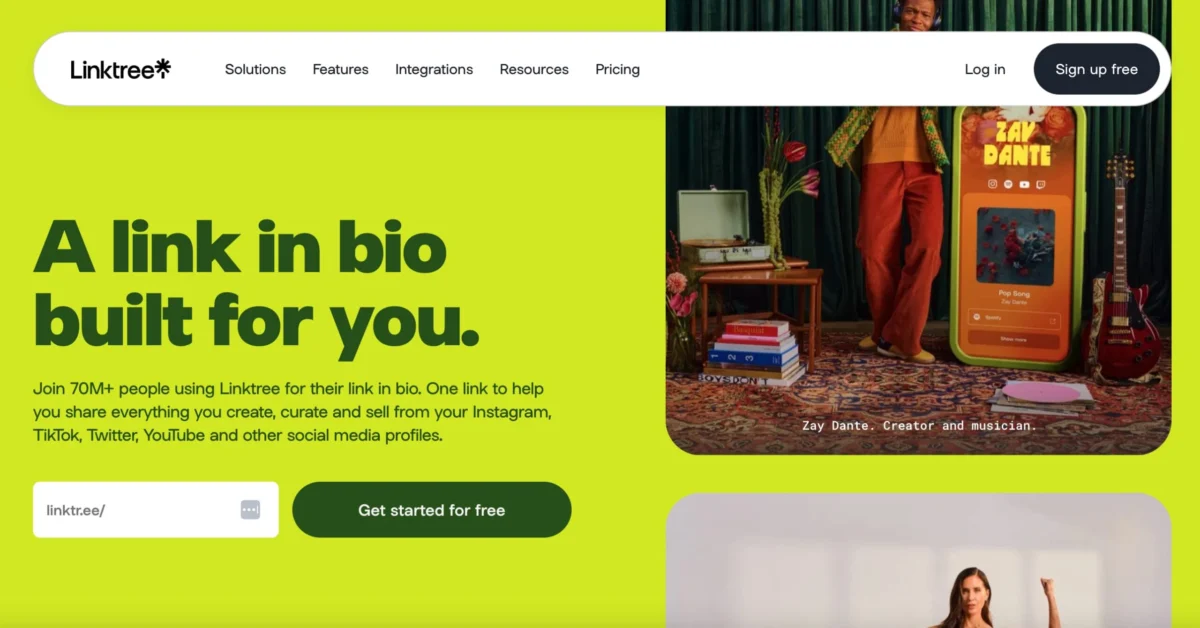
The modern landing page is a specialized tool, stripped of distractions and laser-focused on a single goal. By creating dedicated landing pages for specific marketing campaigns, businesses can ensure that the user experience is consistent with the ad or email that led them there.
A/B Testing: The Scientific Method of Marketing
A/B testing is the gold standard of conversion marketing. By creating two variations of a page and serving them to different segments of traffic, marketers can objectively determine which design, copy, or imagery performs better. The key to successful testing is iteration; testing one element at a time—such as a button color or a headline—provides clear, actionable data that can be used to refine the user journey continuously.

Smart Popups and Behavioral Triggers
While intrusive popups have a poor reputation, "smart" popups—those triggered by specific user behaviors—are highly effective. For example, a "scroll-depth" trigger that offers a discount just as a user finishes reading a case study can convert an interested reader into a lead at the perfect moment of high intent.
The Role of Data in Conversion Strategy
Conversion marketing is fundamentally a data-driven discipline. To make informed decisions, marketers must look beyond raw traffic volume and analyze the "clues" left by visitors.
Heatmaps and Behavioral Analytics
Tools such as heatmaps provide a visual representation of user behavior, showing exactly where visitors are clicking, where they are scrolling, and where they are abandoning the page. When these visual insights are combined with standard analytics—such as bounce rates and time-on-site—they reveal the "why" behind the numbers.
The Feedback Loop
Perhaps the most overlooked data source is the frontline staff. Sales and support teams often have the best insights into why customers hesitate to buy. By establishing a formal communication loop between these departments and the marketing team, businesses can proactively address common objections on their website before the customer ever needs to pick up the phone.
Implications for Future Growth
As digital ecosystems become more complex, the divide between companies that treat traffic as a "number" and those that treat it as a "conversion opportunity" will continue to widen. The future of marketing is not about casting a wider net; it is about ensuring that the net you have is capable of holding the catch.
For the modern marketing team, this requires a fundamental shift in mindset: from the pursuit of scale to the mastery of efficiency. By prioritizing the user experience, leveraging data-driven experimentation, and relentlessly focusing on clear value propositions, companies can build a sustainable, scalable growth engine that thrives regardless of market volatility.
In conclusion, conversion marketing represents the maturation of the digital economy. It moves the conversation away from the fleeting success of a viral post toward the enduring success of a highly optimized, customer-centric business model. For those willing to invest in the science of conversion, the rewards are not just in the short-term spike in leads, but in the long-term building of a robust and profitable brand.