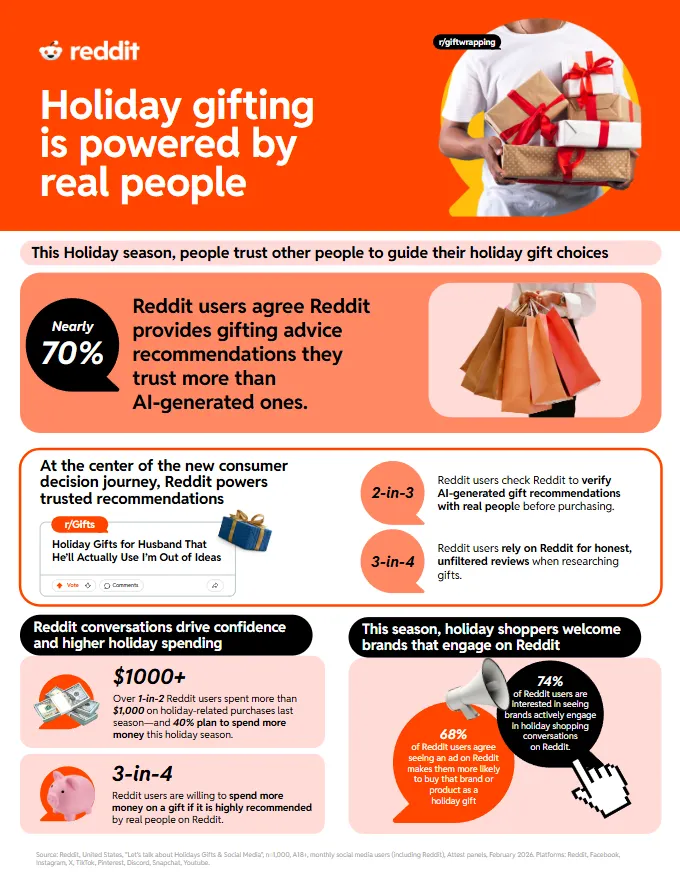
While Instagram remains a visual-first platform—where high-fidelity photography and polished video edits serve as the primary bait—the "caption" has quietly evolved into the engine of modern digital marketing. Unlike platforms like X (formerly Twitter) or LinkedIn, where text can stand alone, Instagram requires a creative anchor. Yet, for many brands, the caption is an afterthought, relegated to a string of emojis or a single, uninspired hashtag.
In reality, the Instagram caption is a critical real estate asset. Whether your goal is to foster community, increase brand awareness, or drive direct conversions, the words you pair with your visuals act as the bridge between passive scrolling and active engagement.

The Evolution of Instagram Copywriting
In the early days of Instagram, captions were largely decorative. Today, they are functional, search-optimized tools. A caption on Instagram can be up to 2,200 characters long, allowing for everything from punchy one-liners to long-form micro-blogging. While you cannot include clickable hyperlinks within the post text—a restriction that continues to shape the "link in bio" ecosystem—the sheer depth of space available allows for storytelling that can humanize a brand in ways few other platforms permit.
Chronology: From Minimalist to Conversational
The platform’s history regarding text reflects its growth as a business tool. Initially, users prioritized minimalism. As the algorithm shifted to prioritize "dwell time" (the amount of time a user spends looking at a post), creators began to experiment with longer captions. By the late 2010s, "micro-blogging" became a legitimate strategy, with influencers and brands using the 2,200-character limit to share recipes, personal anecdotes, and educational deep dives. Today, the most successful accounts employ a "hook-value-CTA" structure, a hybrid approach that respects the user’s short attention span while rewarding those who want to dive deeper.

Supporting Data: Why Captions Drive Results
The importance of the caption is not merely anecdotal; it is backed by data regarding user behavior. A landmark experiment by Hootsuite revealed a compelling insight: engagement rates often skew higher for posts that utilize more than 125 characters. When a caption provides context—telling the story behind a product or offering an educational tip—it invites the user to linger.
Data shows that captions between 400 and 705 characters often outperform "short and sweet" posts. This indicates that Instagram users are not just looking for a visual aesthetic; they are looking for substance. When a brand treats the caption as a space for narrative, they effectively turn their feed into a publication, deepening the parasocial relationship between the brand and the consumer.

The Strategic Anatomy of a Perfect Caption
Crafting the perfect caption is a blend of psychology and technical precision. To move the needle, your copy must be built on four pillars:
1. The "Thumb-Stopping" Hook
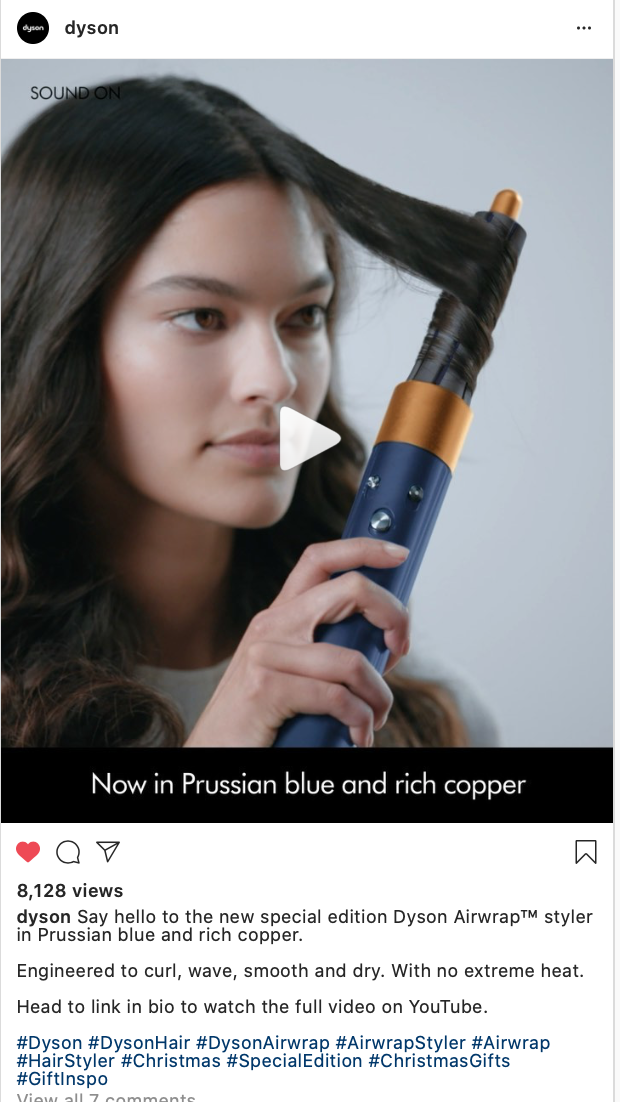
On a mobile device, only the first 125 characters of an Instagram caption are visible before the "more" button appears. This is your primary hurdle. Your first sentence must be a hook—a question, a bold statement, or a value proposition—that compels the user to click. If you bury your lead, you lose your audience.
2. The Value Proposition
Once you have the click, you must deliver value. This could be in the form of information, humor, or a relatable sentiment. For instance, a home goods brand posting a photo of a cozy living room shouldn’t just write "Cozy." They should share a tip on how to layer textures or how to choose the right lighting. By providing value, you justify the user’s decision to stop scrolling.
3. The Call to Action (CTA)
Every post needs a purpose. If you want a sale, say so. If you want a comment, ask a question. The most effective CTAs are specific: "Click the link in our bio to shop," or "Tag a friend who needs to see this." Ambiguity is the enemy of conversion.
4. Strategic Hashtagging
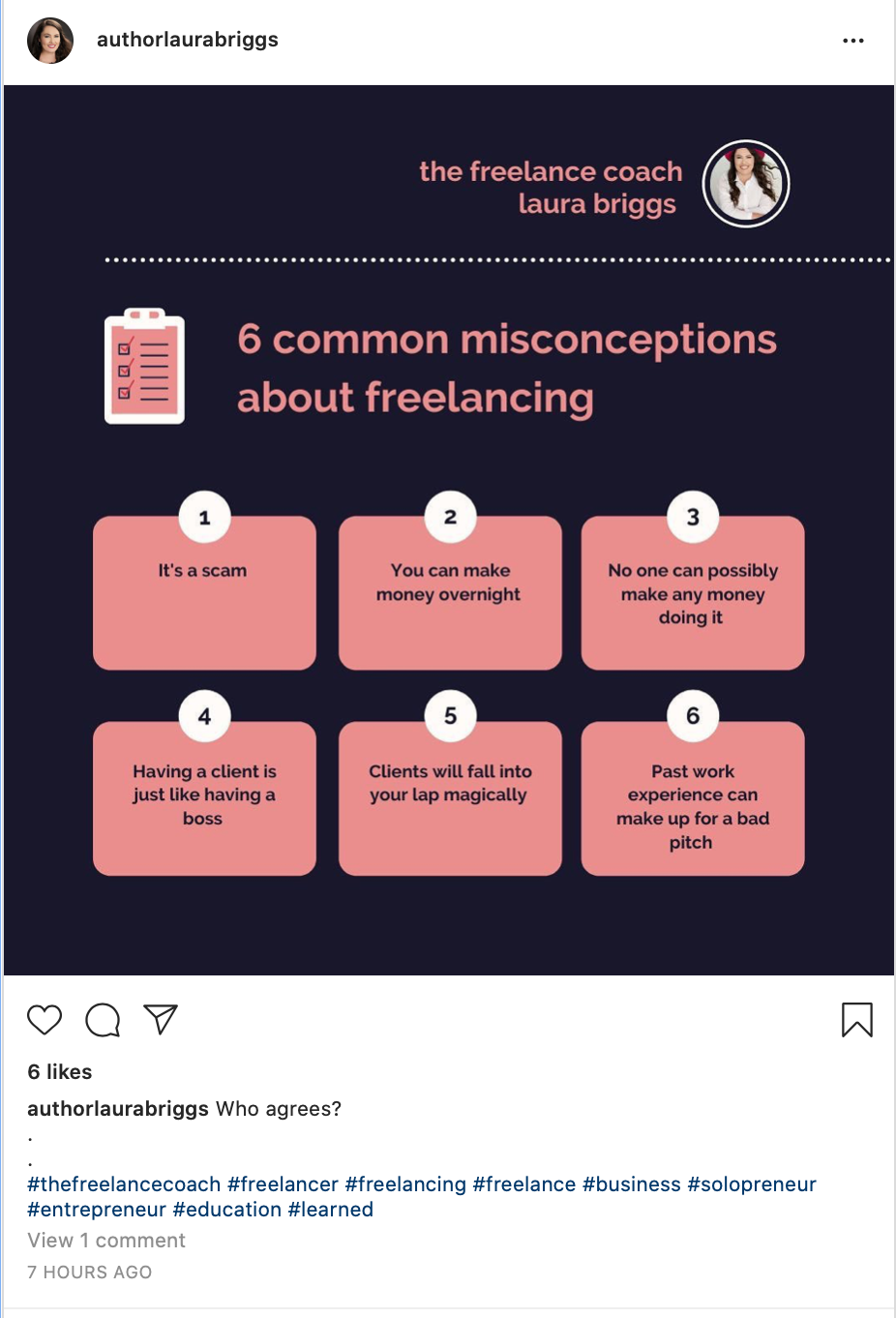
Hashtags are the metadata of Instagram. While the platform allows up to 30, it is often better to use a curated selection of 5–15 relevant tags. This should include a mix of:
- Branded tags: Unique to your company.
- Seasonal/Trending tags: To capture current search volume.
- Niche-specific tags: To reach your target demographic directly.
Official Best Practices and Industry Standards
Professional social media managers follow a set of technical standards to ensure their content looks professional and stays within the "good graces" of the algorithm.
Formatting for Readability
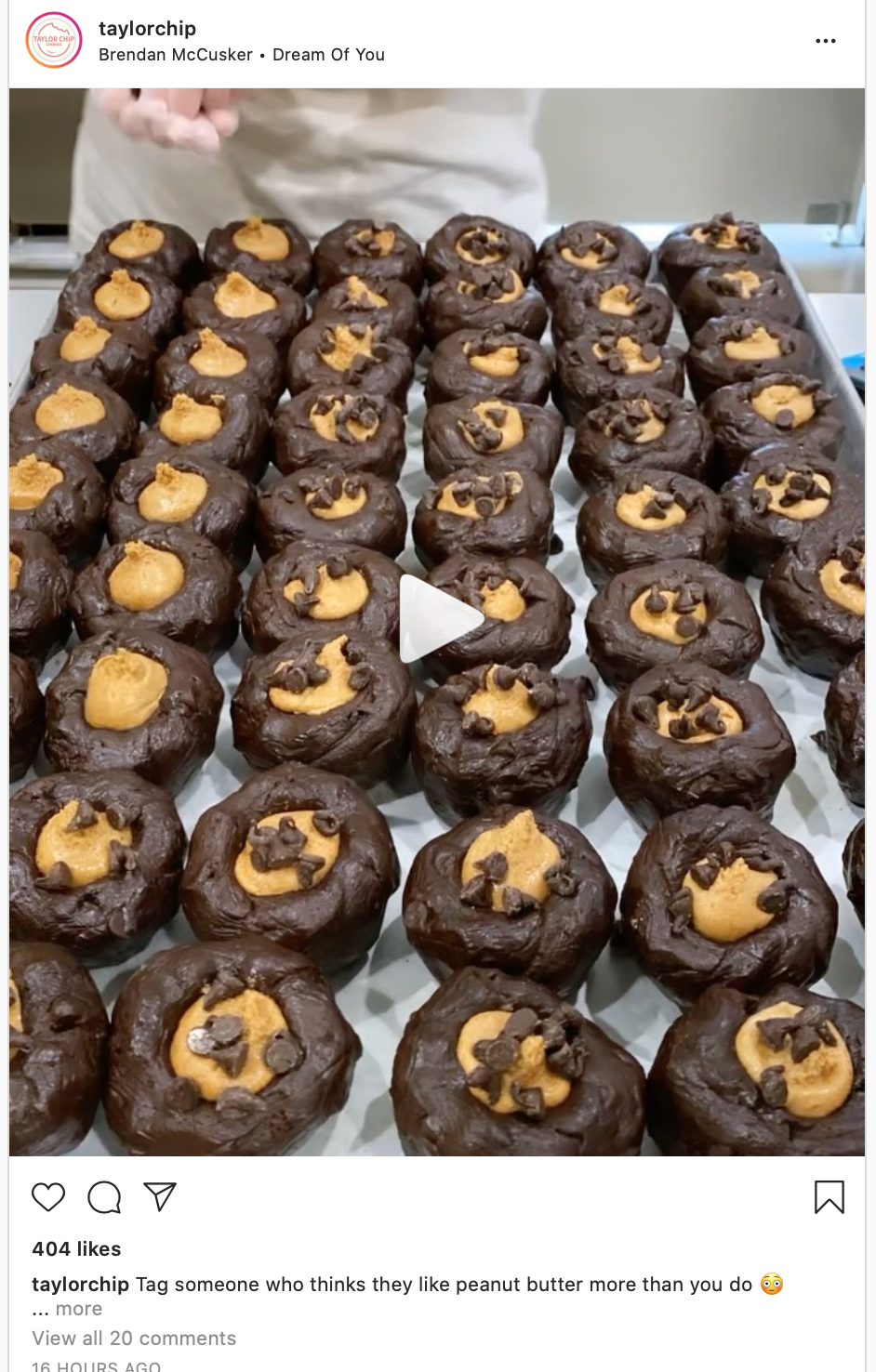
Dense blocks of text are death to engagement on mobile devices. Use line breaks, bullet points, or even symbols to separate ideas. A common trick is to use a character like a period or a dash on an empty line to force a clean vertical space between paragraphs.
The Role of "Pop Culture"
Aligning your brand with current trends—often called "cultural hijacking"—can be highly effective. If there is a popular song, meme, or cultural moment, referencing it in your caption makes your brand feel current. However, there is a fine line: forced references often come across as "cringe." The key is authenticity; if the reference doesn’t align with your brand voice, skip it.

Implications for Future Growth
The shift toward "social search" means that captions are now part of Instagram’s SEO (Search Engine Optimization) strategy. Instagram’s search function now scans captions for keywords to determine what a post is about. This means your captions are no longer just for your followers; they are for the discovery engine. Using descriptive, keyword-rich language in your captions can help your content surface in the Explore tab or the Search results, drastically increasing your organic reach.
Editing and Refinement: A Living Process
The beauty of digital media is its editability. If a post underperforms, check your caption. Did the hook land? Was the CTA clear? You can edit your caption at any time by tapping the three-dot menu on your post. This allows for real-time optimization—if you realize a specific set of hashtags isn’t working, or you forgot to add a crucial piece of information, you can fix it without needing to delete and repost.

The "Font" Debate
While you can use third-party tools to change fonts, a word of caution: use them sparingly. Excessive use of non-standard fonts can be difficult for screen readers to interpret, potentially alienating users with visual impairments. Accessibility should always be a priority in professional communication.
Conclusion
The Instagram caption is the most underutilized tool in the digital marketer’s arsenal. By moving beyond the "one-word emoji" approach and embracing a strategy focused on storytelling, SEO, and clear calls to action, brands can transform their social media presence from a simple gallery into a powerful sales and community-building funnel. In an era of infinite scroll, the caption is your best chance to be heard. Use it wisely.