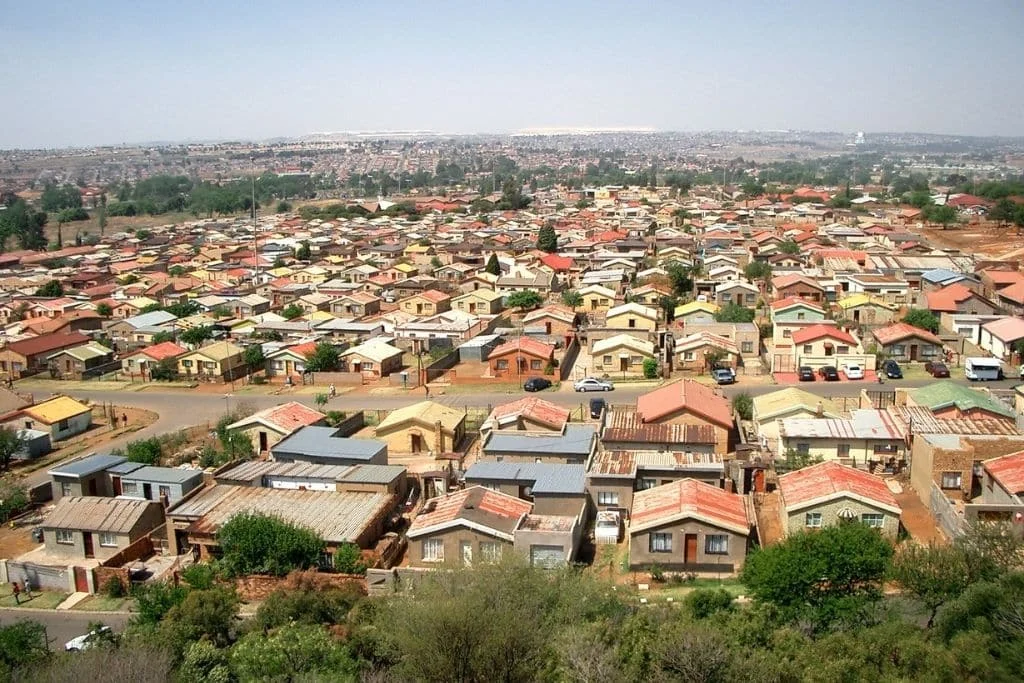
In the sprawling urban landscape of Johannesburg, the mercury is rising, but the impact of this heat is not distributed with the clinical indifference of the sun. As global temperatures climb, South Africa’s economic powerhouse finds itself at the epicenter of a climate crisis where the primary driver of risk is not merely the local thermometer, but a volatile cocktail of historical segregation, systemic poverty, and an architectural reliance on materials that turn homes into ovens.
In Johannesburg, urban heat risk is defined less by physical temperature alone and more by social inequality and the capacity of residents to cope. While the affluent northern suburbs enjoy the cooling benefits of lush, canopy-rich environments, the city’s historically marginalized townships are suffering the brunt of extreme heat, trapped in a cycle of environmental injustice that dates back to the apartheid era.
Main Facts: The Anatomy of Heat Vulnerability
At its core, heat vulnerability is determined by three interconnected pillars: exposure, sensitivity, and adaptive capacity.
Exposure refers to the intensity and duration of heat stress, typically measured by Land Surface Temperature (LST). Sensitivity, conversely, measures how susceptible a population is to that heat based on socio-economic conditions—such as age, health status, and income levels. Finally, adaptive capacity is the ability of a community to mitigate heat, recover from its effects, and access cooling infrastructure like electricity, air conditioning, and healthcare services.
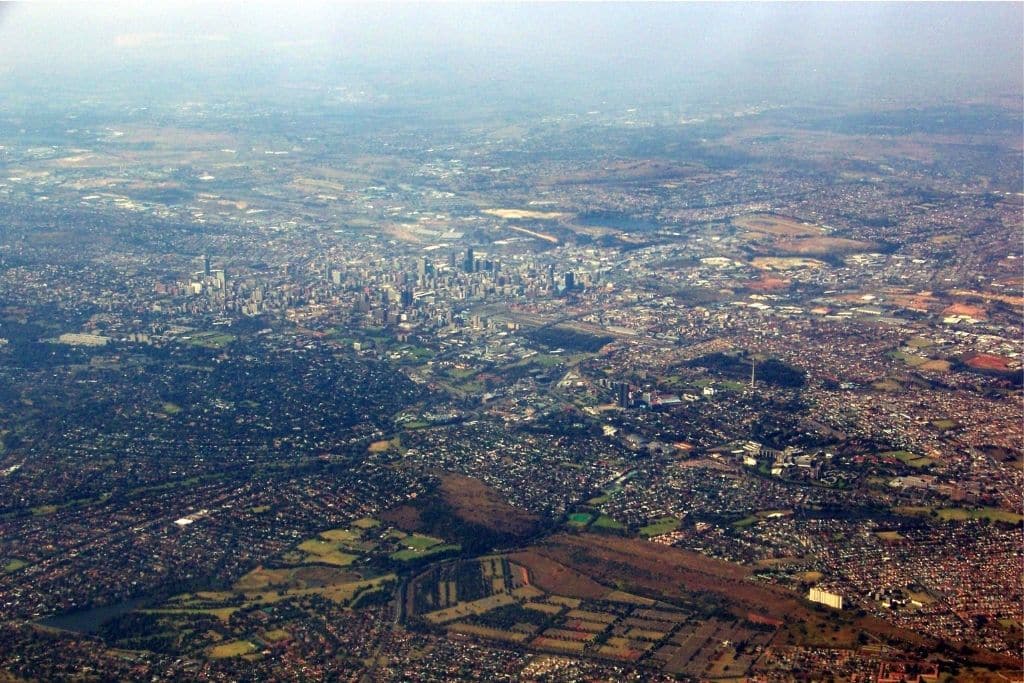
In Johannesburg, these metrics diverge sharply. While outdoor LST across the city varies by only a few degrees—roughly 24°C to 30.7°C—the vulnerability scores tell a much more harrowing story. In the green, affluent northern suburbs, vulnerability scores sit as low as 0.23. In the densely populated, low-income townships, those same scores soar to 0.78. The physical environment is not the only variable; it is the human context that dictates survival.
Chronology: A Legacy of Planned Inequality
To understand why certain neighborhoods in Johannesburg are essentially "heat islands," one must look at the blueprint of the city’s past.
- Pre-1994 (The Apartheid Era): Urban planning was weaponized as a tool of exclusion. Under the Group Areas Act and related legislation, Black, Coloured, and Indian populations were forcibly removed from central urban areas and relegated to the periphery. Townships were systematically sited downwind and downstream of industrial sites, often in low-lying areas with poor drainage and little to no natural shade.
- The Post-Apartheid Transition (1994–2010s): During this period, South Africa made significant strides in providing basic infrastructure. Data from the early 2010s showed that water access deprivation fell by nearly 34% and electricity access by 25%. However, these gains in hardware were not matched by improvements in housing quality or economic security, leaving the most vulnerable populations with better access to utilities they could often no longer afford.
- The Modern Climate Crisis (2016–Present): In 2016, Johannesburg hit a record-breaking 38°C. Scientists warn that the city, located on a high-altitude plateau, is warming faster than the global average. Projections suggest an additional temperature increase of 2.5°C to 5.9°C by the end of the century, setting the stage for a permanent public health emergency.
Supporting Data: When the Indoors Become a Hazard
A common misconception is that outdoor temperature is the ultimate indicator of risk. However, recent research in Johannesburg has shifted the focus toward the "indoor climate."
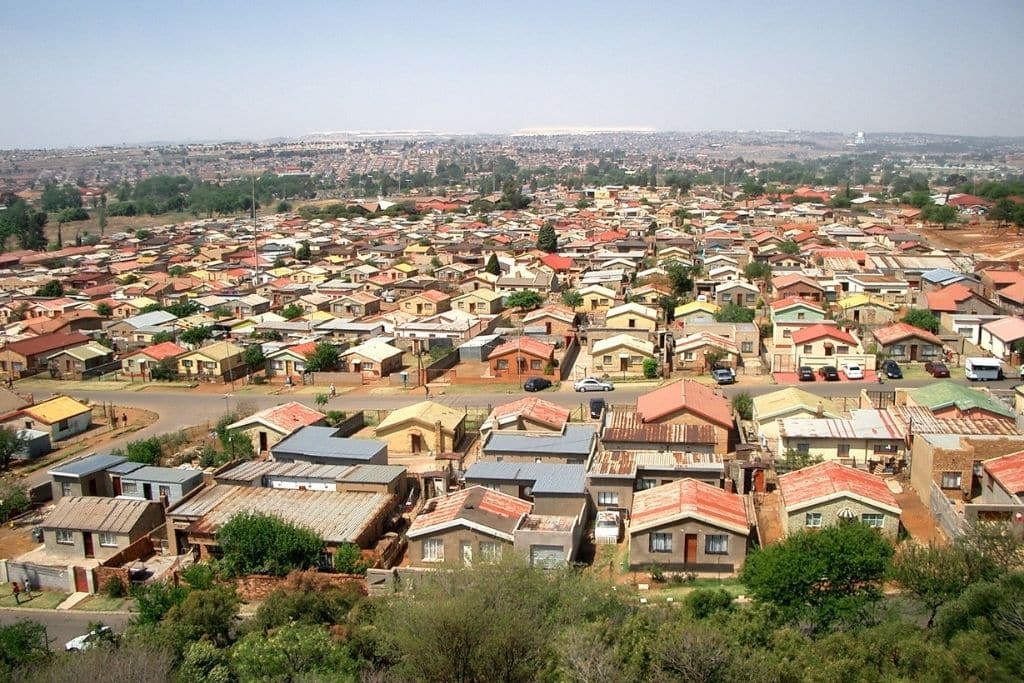
Citizen-mapping campaigns have revealed that while affluent areas remain relatively temperate, formerly segregated townships are, on average, 6°C hotter than the surrounding countryside. More critically, the materials used in low-cost, government-subsidized RDP (Reconstruction and Development Programme) housing and informal shacks act as thermal traps.

Studies conducted in 2017 found that indoor temperatures in these structures regularly run 4°C to 5°C higher than outdoor ambient temperatures. In informal settlements, this effect is magnified; residents experience daily temperature swings of up to 14°C inside their homes. When a heatwave hits, the very structure meant to provide shelter becomes a primary health hazard, as there is no insulation to buffer against the rising heat.
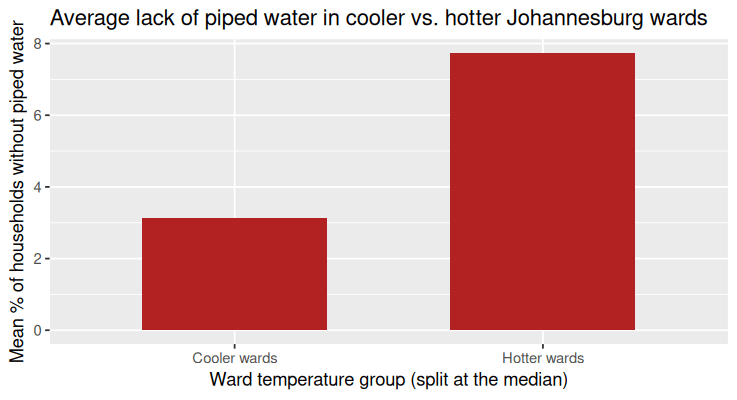
Figure 1 of the recent vulnerability assessments highlights the correlation between infrastructure and heat: wards with the highest heat vulnerability scores almost perfectly overlap with those that have the lowest access to piped water and reliable electricity. When a household cannot run a fan or afford water for basic hydration, the physical home—lacking thermal mass or ventilation—becomes a death trap.
Official Responses and Institutional Barriers
The South African government faces a complex challenge: how to provide high-density, low-cost housing at scale while adhering to modern building codes. Currently, these codes are heavily biased toward "Western-style" construction, favoring concrete and brick.
Critics argue that this is a form of "epistemic injustice"—the systemic dismissal of indigenous or vernacular building knowledge in favor of materials that are ill-suited to the local climate. While traditional Xhosa earth-and-stone dwellings have demonstrated an ability to maintain stable indoor temperatures—with swings of only 4.3°C—these methods are often viewed as "primitive" or "temporary" by municipal planners and private developers.
The barriers are not technical; they are institutional. Outdated building codes and a lack of national standards for earthen materials mean that architects and builders using sustainable, high-thermal-mass techniques struggle to secure financing or local government permits. Consequently, the industry continues to rely on imported, heat-trapping materials that necessitate high energy costs for climate control—costs that the average resident in a township cannot bear.
Implications: The Need for Climate Justice
The implications of these findings are profound. If Johannesburg—and by extension, the rest of the Global South—is to survive the coming decades of extreme heat, urban planning must transcend superficial "green" initiatives. Planting trees in affluent areas is a positive step, but it does nothing to address the structural inequality of the dwellings in Soweto, Lenasia, or the myriad informal settlements ringing the city.
1. Retrofitting and Material Innovation
The immediate path forward involves the mass retrofitting of low-cost housing. Improving ventilation, adding reflective roofing materials, and incorporating natural insulation can lower indoor temperatures significantly without requiring massive energy investments.
2. Reviving Vernacular Wisdom
There is a growing movement to integrate traditional building techniques with modern engineering. By using stabilized earth, natural fibers, and lime-based plasters, architects can create modern homes that mimic the thermal stability of ancient, climate-resilient structures. These materials are not only cheaper and lower in carbon footprint, but they also provide a natural buffer against extreme heat.
3. Addressing the "Adaptive Gap"
Climate policy must move away from viewing heat risk as an environmental issue and start viewing it as a public health and economic issue. This means prioritizing healthcare access in the most vulnerable wards and ensuring that the most heat-stressed communities have direct access to cooling centers, clean water, and subsidized energy for climate adaptation.
4. Policy Reform
Legislative bodies must rewrite building codes to accommodate alternative, sustainable, and climate-responsive materials. If the state refuses to validate these materials, it effectively mandates the construction of "heat traps," perpetuating a cycle of suffering that will only worsen as the planet continues to warm.
Conclusion
Johannesburg is a microcosm of the global climate divide. It illustrates that while the planet may be warming globally, the heat is experienced locally through the lens of history, policy, and design. The crisis in South Africa is not just one of rising temperatures; it is a crisis of a built environment that has, for too long, ignored the needs of its most vulnerable citizens.
To build a future that is resilient, South African cities must reclaim the wisdom of the past while aggressively challenging the status quo of modern construction. Climate justice, in this context, is not merely about lowering carbon emissions; it is about ensuring that the home is once again a place of safety, comfort, and protection, regardless of one’s zip code or income bracket. The technology to achieve this exists—what is required now is the political will to treat heat resilience as a fundamental human right.