As the rapid evolution of artificial intelligence continues to reshape the professional landscape, the threshold between human intent and machine execution is becoming increasingly blurred. For marketers, designers, and business leaders, the challenge is no longer just about adopting new tools—it is about integrating them into a sustainable, portable, and efficient ecosystem. From the latest updates in generative video to the emergence of "always-on" agent platforms, the industry is entering a phase of consolidation and advanced functionality.
Main Facts: The New AI Ecosystem
The current technological landscape is defined by three major shifts: the democratization of high-end creative production, the rise of persistent AI agents, and the move toward platform-agnostic workflows.
In the realm of design, ChatGPT and Canva are effectively merging to replace traditional manual layout processes. By treating AI as a creative director—providing it with brand guidelines, specific content, and technical print requirements—users can bypass the "blank page" syndrome. This allows for rapid iteration where AI generates the layout, and platforms like Canva’s "Magic Layers" finalize the production-ready assets.
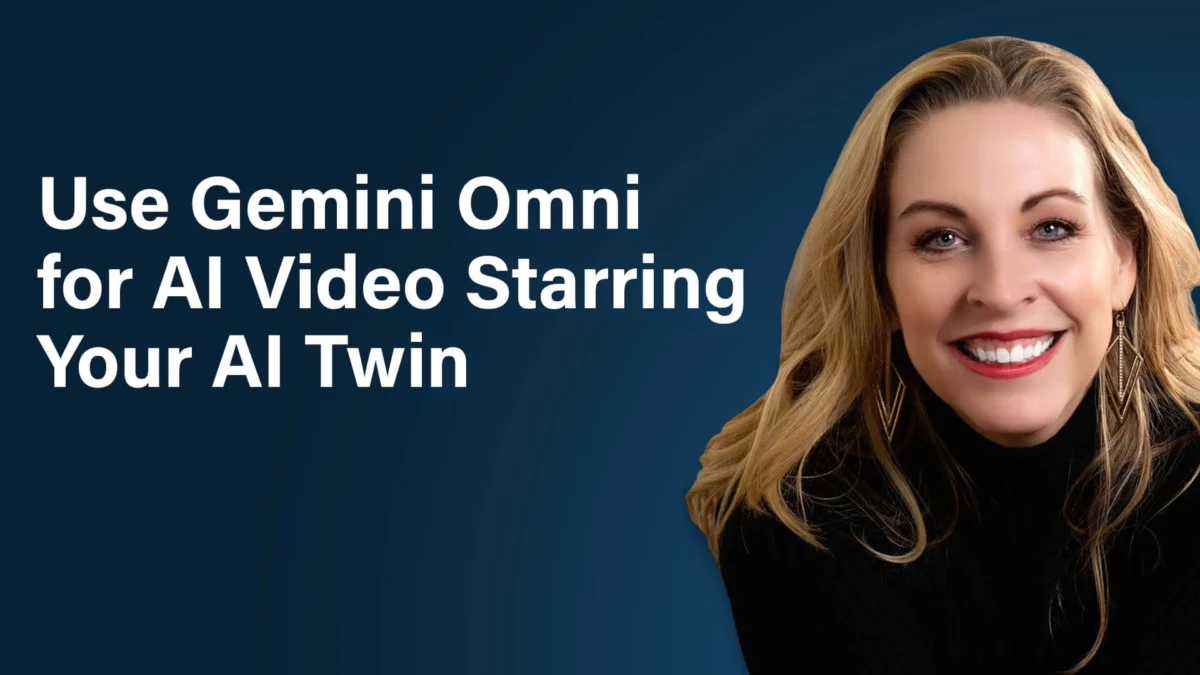
Simultaneously, the video production sector is witnessing a paradigm shift. With Google’s Gemini Omni, the barriers to entry for professional-grade video have plummeted. Creators can now generate realistic avatars, edit existing footage, and craft scroll-stopping hooks without requiring a full film crew or advanced technical expertise. This is supported by a wave of new hardware and software integrations, including real-time visual avatars and text-to-speech models that offer granular control over performance and tone.
Chronology of the Latest AI Breakthroughs (2026 Q3–Q4)
The pace of development in 2026 has been relentless, with major releases occurring in rapid succession:
- Anthropic’s Claude Sonnet 5.5 Launch: Designed for high-efficiency coding and content creation, this model represents a 30% speed increase over its predecessor, optimized for enterprise-scale tasks.
- Google Gemini 3.8 Live Debut: A major leap in multimodal interaction, introducing "Live Avatar" for enterprise communication, alongside new text-to-speech models (Flash and Flash-Lite) that allow for custom vocal identity creation.
- OpenAI DevDay 2026: A watershed moment for the industry where OpenAI shifted its focus from simple chatbot interaction to a developer platform for "always-on" agents and collaborative, persistent workspaces.
- The Rise of GPT-6 Sol and Luna: OpenAI expanded its model suite to include more affordable, specialized versions of GPT-6, focusing on lowering the cost of computer use and automation for professional workflows.
Supporting Data: Efficiency and Scalability
The transition toward AI-augmented workflows is supported by hard data regarding performance and cost-effectiveness. Anthropic’s latest metrics indicate that Sonnet 5.5 not only processes tasks 30% faster but does so while consuming fewer tokens, effectively reducing the overhead of high-frequency AI interactions.
Similarly, OpenAI’s release of the Sol and Luna models aims to cut API costs by 50%. This price reduction is critical for businesses looking to scale their AI agents without incurring prohibitive operational expenses. The move toward "prompt caching"—a technical process that reduces latency and cost for recurring tasks—is now becoming a standard feature across leading platforms, signaling that the industry is maturing from experimental "chatting" to robust, long-term automation.
Official Responses and Strategic Shifts
Industry leaders are no longer just focused on raw intelligence; they are focused on utility.
Google’s expansion of Gemini with third-party "Connected Apps" (including Airtable, Linear, and Adobe) is a direct response to the "fragmentation problem." Users previously spent significant time toggling between platforms; Google’s strategy is to bring the intelligence to the data, rather than moving the data to the intelligence.
OpenAI’s DevDay 2026 signaled a similar strategic shift. By introducing "Dots" agents and cloud-based Codex workflows, OpenAI is positioning itself as the backbone of corporate infrastructure. The message to the market is clear: the future of AI is not in the browser tab, but in the background, working as a persistent agent that handles project management, visual design, and collaborative software development.
Implications for the Modern Professional
The Death of the "Siloed" Workflow
One of the most significant implications for modern professionals is the necessity of "portable systems." As demonstrated by experts like Nicole Leffer, the key to surviving the volatility of the AI market is to build workflows that are not dependent on a single tool. If a service like Claude or ChatGPT experiences downtime, a well-structured, portable system allows for an immediate transition to another model. The focus must shift from "learning the tool" to "designing the workflow."
Democratization of High-End Production
The ability to create professional-grade video and print materials has shifted from a specialized skill to an executive function. When a marketer can prompt an AI to edit background footage or generate a print-ready design based on brand guidelines, the role of the creative professional evolves. It becomes less about manual execution and more about "art direction"—the ability to curate, iterate, and provide the critical oversight that machines still cannot fully replicate.
The Rise of the AI Twin
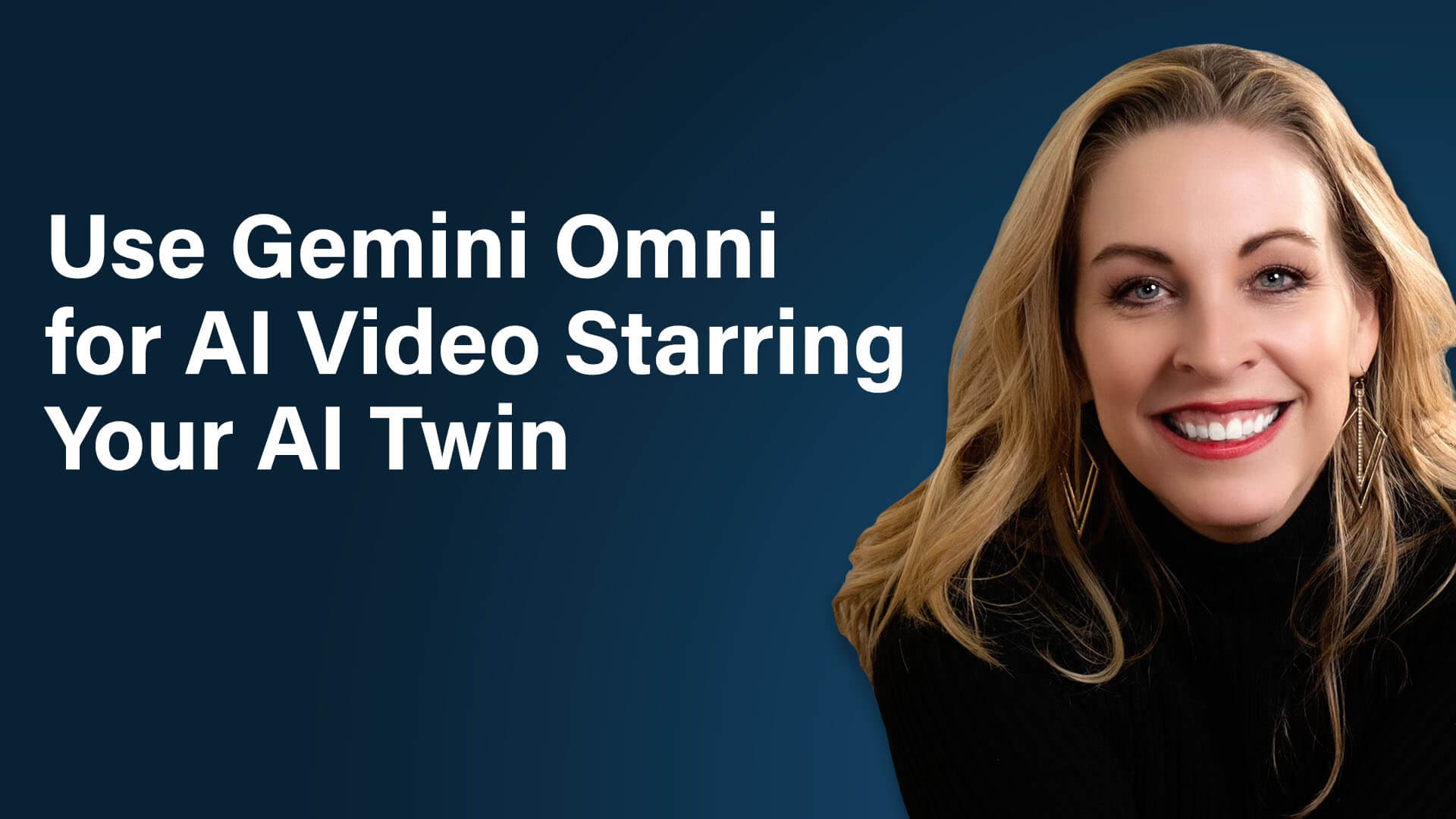
The introduction of realistic, customizable AI avatars and voice replication technology raises profound questions about personal branding. With Gemini 3.8’s ability to create avatars that maintain expressive conversations while handling complex tasks, we are approaching an era where digital personas can represent a professional in multiple places at once. However, this comes with a mandate for transparency; as Google integrates consent verification and AI-content credentials into its voice replication tools, the industry is self-regulating to combat the risks of deepfakes and misinformation.
The "Always-On" Agent Economy
The transition to persistent, agent-based AI is perhaps the most disruptive trend of 2026. Unlike traditional AI that waits for a prompt, "always-on" agents act as digital employees. They monitor project management tools, organize notes, and initiate workflows without constant human intervention. For the average worker, this means the need to become a "manager of agents" rather than a "performer of tasks."
Final Reflections: Preparing for the Future
The current AI climate is characterized by rapid obsolescence, but the fundamental skills required for success—strategic thinking, editorial judgment, and systems design—remain constant.
As we look toward the next phase of development, professionals should focus on the following:
- System Agnosticism: Build your workflows so they can be moved between models. Avoid vendor lock-in where possible.
- Prompt Literacy as Directing: Move beyond basic prompting. Learn to think like a director or a client. Learn to articulate tone, style, and structural requirements with precision.
- Human-in-the-Loop Oversight: As tools become more automated, the value of human verification—checking the logic, the ethics, and the brand alignment—increases.
- Continuous Education: The tools will continue to change, but the frameworks for managing them will not. Engage with communities of practice, such as the AI Business Society, to ensure you are not guessing at the path forward, but learning from those who are actively implementing these technologies in the field.
The technology is no longer in its infancy; it is in its deployment phase. Whether you are designing print materials with ChatGPT, scaling video production with Gemini, or automating enterprise workflows with OpenAI, the objective is the same: to reduce the friction between your vision and its final, professional execution. The future of work is not about working harder with AI; it is about working with more intent, more structure, and more strategy than ever before.