In the rapidly evolving landscape of global enterprise, few functions are under as much scrutiny as procurement. Once relegated to the back office, the department is now at a crossroads, forced to confront the transformative, and often disruptive, power of artificial intelligence. While the potential for efficiency is unparalleled, a growing chorus of industry veterans warns that the function is currently gripped by a culture of fear—and that this hesitation may be the greatest risk of all.
The State of the Industry: A Culture of Avoidance
It is an increasingly rare phenomenon to encounter a Chief Procurement Officer (CPO) who is willing to openly criticize the industry’s collective inertia regarding artificial intelligence. While public forums and corporate boardrooms are filled with polite discussions about "getting started," "delivering returns," and envisioning future operating models, the private sentiment among senior leaders is far more cynical.
Recently, one prominent CPO broke the industry’s self-imposed silence, offering a scathing critique of their peers. They described a prevailing culture of "head-in-the-sand" denial, fueled by a deep-seated, often paralyzing fear. This individual did not mince words, characterizing the current state of procurement leadership as one defined by anxiety rather than ambition.
"What I’ve seen from an AI perspective with the majority of procurement people is very much that they are sticking their head in the sand," the CPO remarked. "There is a phenomenal amount of fear out there."
This admission highlights a critical disconnect between the promise of AI-driven procurement and the reality of its implementation. The question is no longer whether AI will change the profession, but whether procurement leaders will steer that change or be steamrolled by it.
The Anatomy of Paralysis: Why Procurement Hesitates
To understand the current stagnation, one must look at the specific dynamics hindering progress. Industry analysts and the aforementioned CPO point to four primary drivers of this systemic hesitation:
1. The Fear of Disruption
At the heart of the resistance is a primal fear regarding the future of the human workforce. AI’s ability to automate complex tasks, analyze vast datasets, and negotiate routine contracts threatens the traditional role of the procurement professional. This instinctive paranoia—that the technology will eventually replace the strategist—has created a psychological barrier that prevents teams from engaging with the tools that could actually elevate their roles.
2. The Burden of Legacy Failures
Procurement functions have, historically, been the testing grounds for large-scale enterprise technology rollouts that promised much but delivered little. Many CFOs remain deeply skeptical of expensive digital transformation projects that fail to demonstrate immediate, tangible ROI. Consequently, procurement has slipped down the list of corporate investment priorities, as leaders struggle to justify the capital expenditure required to integrate advanced AI systems.
3. The Spiraling Cost of Innovation
The financial barrier to entry is rising. While initial AI exploration might seem affordable, the costs associated with scaling these technologies across global supply chains—including data cleaning, cloud infrastructure, and specialized talent—are beginning to spiral. For a function already under intense scrutiny for its budget, these token costs are often viewed as prohibitive.
4. The Myth of the "Silver Bullet"
Finally, there is a pervasive, misplaced belief that a single, monolithic software solution exists to solve every procurement woe. Leaders waiting for the "big box" that will magically automate their entire procurement ecosystem are doomed to wait indefinitely. AI is not a singular product; it is a series of interconnected capabilities, and the search for a perfect, all-encompassing tool has led to "analysis paralysis."
A Call to Action: The Vision of Ninian Wilson
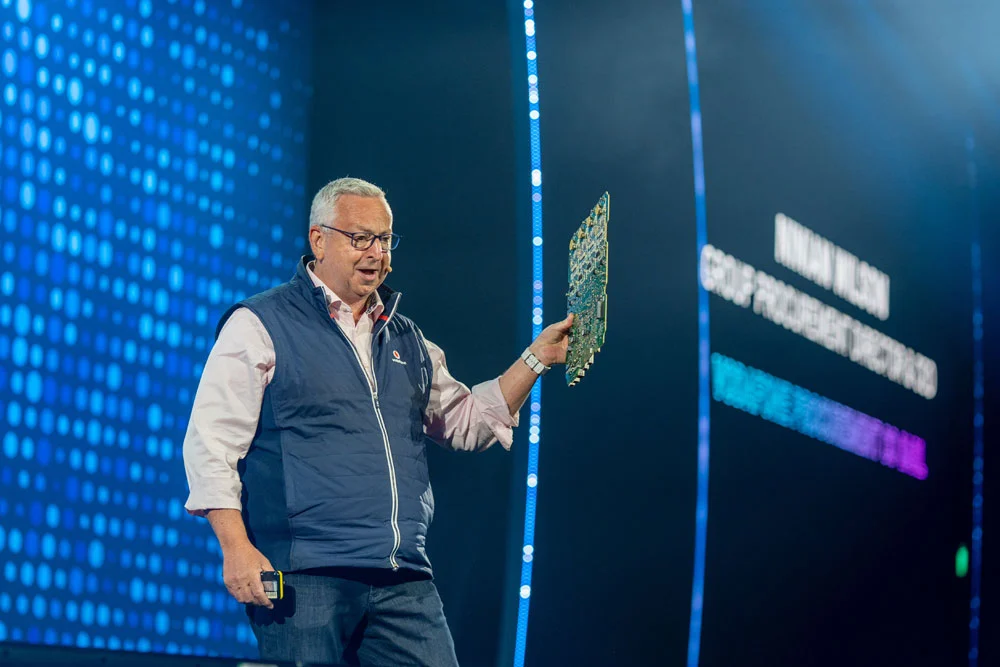
While the critique is brutal, it serves as a necessary wake-up call. The perspective provided by this outspoken CPO mirrors the sentiments of industry titans who are already pushing boundaries. Notably, Vodafone CPO Ninian Wilson, speaking at the World Procurement Congress 2025, issued a stark warning to his peers.
"Adopt AI and bring it in," Wilson stated. "I encourage you all to seize the opportunity, seize the day, and don’t sit and wait, because you either do it to yourselves or it gets done to you."
Wilson’s directive is clear: the passive approach is not an option. In a competitive global market, procurement functions that remain stagnant will find themselves sidelined as automated systems—implemented by competitors or by other departments within their own organizations—assume control of strategic sourcing, risk management, and supplier relationships.
Implications for the Future of Procurement
The implications of this transition are profound. If procurement fails to harness AI, it risks losing its seat at the strategic table. However, if leaders choose to embrace the change, the function could evolve from a cost-saving utility into a primary driver of enterprise value.
Data-Driven Decision Making
The future of procurement lies in the ability to process vast amounts of unstructured data—from geopolitical risk assessments to supplier sustainability metrics—in real time. AI enables this level of insight, allowing CPOs to move from reactive firefighting to proactive value creation.
The Shift in Skill Sets
The role of the procurement professional will inevitably shift. The future belongs to those who can act as "AI-enabled strategists." The human element remains vital, particularly in areas like complex negotiation, ethical sourcing, and long-term relationship management. By offloading transactional tasks to AI, procurement professionals can finally focus on the high-level, human-centric tasks that require emotional intelligence and nuance.
Rebuilding Trust with the C-Suite
To overcome the skepticism of the CFO, procurement must shift its narrative. Instead of pitching large, multi-year, multi-million-dollar technology projects, leaders should focus on modular, incremental AI deployments that deliver measurable, incremental returns. This "land and expand" strategy is the most effective way to demonstrate value and rebuild the function’s reputation as a strategic investment.
Moving Forward: The 2026 Leadership Agenda
The industry is moving toward a pivotal moment. The upcoming Tomorrow’s Procurement Leader 2026 event in Austin, Texas, serves as a focal point for this transition. By gathering leaders from industry giants like Flex, Clorox, Meta, and Cisco, the event aims to bridge the gap between fear and implementation.
These organizations represent the vanguard of digital procurement. By examining how these companies are integrating AI, attendees will have the opportunity to move beyond the theoretical and into the practical. The goal is to demystify the technology, share lessons learned from failed rollouts, and provide a roadmap for the next two years of digital integration.
Conclusion: Seizing the Initiative
The era of the "wait-and-see" approach to artificial intelligence is over. As the industry faces mounting pressure to demonstrate agility, transparency, and efficiency, the CPO who ignores AI does so at their own peril.
The choice is stark but simple: either procurement leaders take the initiative to redefine their function, or they will be forced to adapt to a reality defined by others. By addressing the fear of displacement, acknowledging the need for fiscal discipline, and focusing on incremental, high-value outcomes, procurement can transform from a reactive function into the heartbeat of corporate strategy.
The tools are available, the mandate is clear, and the future is waiting. The only question that remains is: who will be the leader to take the first step? As the community gathers in Austin, the message is clear—stop looking at the ground, and start looking at the horizon. The future of procurement is not coming; it is already here.