In the modern digital landscape, LinkedIn has evolved from a simple networking site into a sophisticated content-driven ecosystem. However, as generative AI tools have proliferated, the platform has found itself at a crossroads. LinkedIn is currently engaged in a quiet, high-stakes battle against "AI slop"—low-quality, automated content that threatens the platform’s professional integrity. For marketers and thought leaders, the challenge is no longer about whether to use AI, but how to use it without sacrificing the human voice that is essential for building real professional authority.
The Reality of LinkedIn’s AI Crackdown
LinkedIn is not merely observing the rise of AI; it is actively filtering it. Over the past several months, the platform has blocked hundreds of thousands of automated comment attempts daily, alongside billions of suspect posts. This isn’t a passive monitoring effort; LinkedIn has empowered its user base to report content they believe is AI-generated.
Crucially, the platform’s own internal tools are shifting. LinkedIn is phasing out its "enhance your post" feature—which often stripped away individual nuance in favor of generic, corporate-sounding prose—and replacing it with tools that prioritize proofreading and grammar. The message from the platform is explicit: AI should be a surgical instrument for the creator, not a ghostwriter.
Industry experts, including AJ Wilcox of B2Linked, suggest that these user-driven "AI slop" reports are functioning as training data for LinkedIn’s algorithms. While a flagged post might not lead to an immediate ban today, it is likely training the system to suppress similar content patterns in the future. Furthermore, the platform’s algorithm is already penalizing such content through engagement metrics; AI-generated comments that lack human flair rarely secure likes or meaningful responses, effectively burying them at the bottom of threads.
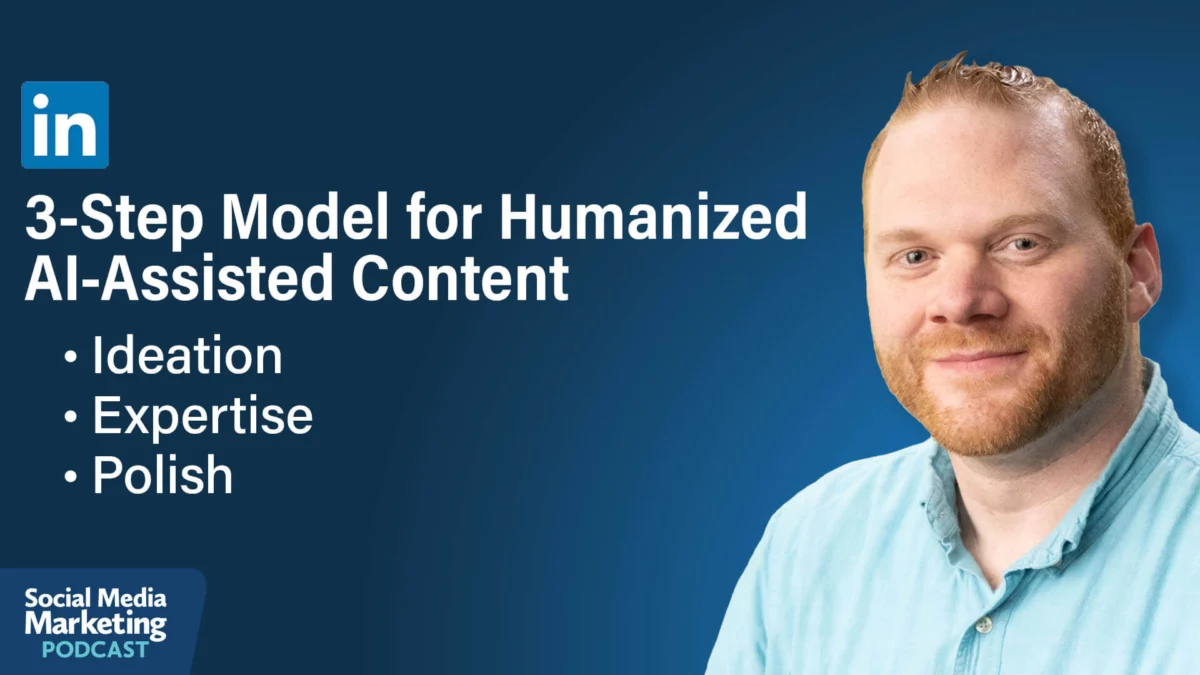
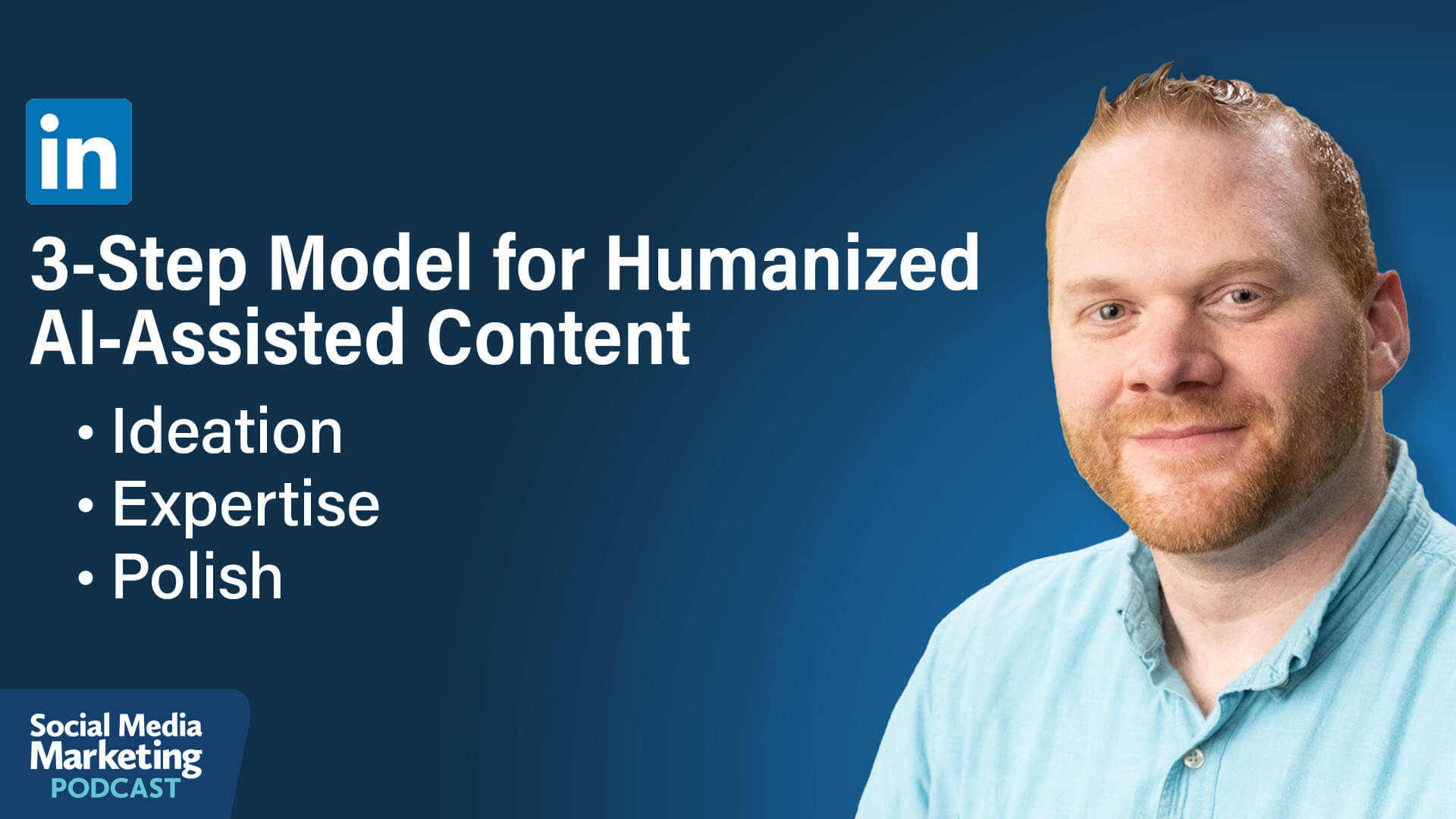
The "Ideation-Expertise-Polish" Framework
To thrive on LinkedIn without triggering detection systems, creators must move away from using AI as an all-in-one content generator. Instead, they should adopt the "Ideation-Expertise-Polish" model—a strategic approach that treats AI as a collaborative assistant rather than a replacement.
1. Ideation: The AI Brainstorm
At the start of the workflow, AI shines as a collaborative partner. Before writing a single sentence, use AI to brainstorm angles, identify supporting points, or structure complex topics. At this stage, the goal is volume and exploration. Ask the AI to list potential frameworks or "devil’s advocate" perspectives to ensure your post covers all bases.
2. Human Expertise: The Core
This is the non-negotiable middle layer. The "meat" of the post must come from your lived experience, industry-specific wisdom, and unique anecdotes. AI cannot replicate the nuance of a real-world project failure or the specific insight gained from a decade in a niche field. When you skip this layer, the resulting post inevitably feels hollow.
3. Polish: The Final Review
Once your human-written content is drafted, AI can return to the process to act as an editor. Use it to tighten wordy sentences, ensure consistent formatting, or fix grammatical errors. By limiting AI to editing your original work, you maintain your authentic voice while gaining the efficiency of modern technology.
Detecting the "AI Tells"
As AI detection becomes a cat-and-mouse game, certain stylistic patterns have emerged as clear red flags to both the LinkedIn algorithm and the human reader.
- The Em Dash Overload: AI models are statistically more likely to use em dashes than human writers. An over-reliance on this punctuation mark is a primary indicator of machine-generated text.
- The "Clickbait" Syntax: Phrases like "this is silently killing your career" or "guard your mental faculties" follow the dramatic, repetitive structures that AI often defaults to when prompted to write "engaging" content.
- The Emoji Problem: Inserting emojis into comments in a way that feels disjointed from the user’s established personal brand often triggers suspicion.
Pro Tip: Do not attempt to "trick" the system by intentionally adding typos. Advanced models can easily replicate human errors, making this a futile strategy. Instead, focus on the substance of the post. High-value, insightful content is rarely flagged as "slop," regardless of how well-formatted it is.
Mastering the LinkedIn Algorithm: Timing and Strategy
Even the most human-sounding content will fail if it isn’t deployed with the correct tactical rhythm.
Posting Frequency
For those aiming for a steady presence, two posts per week (ideally on Tuesday and Thursday) remain the "gold standard" for engagement. If you are limited to one, Wednesday is statistically the strongest day. Conversely, avoid Mondays—when users are busy catching up on emails—and Fridays, when professional attention is already drifting toward the weekend.
The "Never Double-Post" Rule
Never publish two posts in the same day. Doing so cannibalizes your own reach, as the second post will inevitably draw attention and engagement away from the first. Furthermore, allow your posts to "breathe." Because LinkedIn’s algorithm now allows content to remain relevant in the feed for a longer duration, posting too frequently can cut off the long-tail discovery of your previous, still-performing content.
Commenting as a Growth Strategy
LinkedIn has shifted its architecture to make comments a primary growth lever. With comment impressions now visible to the author, many creators are finding that they can build an audience by leaving thoughtful, high-value comments on the posts of established industry leaders rather than focusing solely on their own long-form posts.
The platform is now surfacing comments more prominently, with the "Top Comment" feature replacing generic labels to highlight the most insightful contributions. Time spent in comments is up 18% year-over-year, proving that professional discourse is shifting toward the thread.
How to Engage Effectively
To maximize the impact of your comments, focus on "comment density"—the depth of your contribution rather than its length. Shallow praise like "great point!" carries no algorithmic weight. Instead, pose questions that invite further discourse, such as "What am I missing here?" or "Am I wrong to assume X?"

If you find yourself disagreeing with a post, adopt the "Ted Lasso Principle": be curious, not judgmental. Use a three-step framework:
- Open with a genuine compliment regarding the original post.
- Introduce your perspective by saying, "I have a slightly different take."
- Close by asking for the author’s perspective to keep the conversation productive.
Leveraging New Tools: AI in Live Streaming and Ads
LinkedIn’s AI tools are not solely for text. The platform has introduced significant AI-powered features for live streams that solve the "discoverability" crisis of long-form video.
AI now automatically identifies key moments in live broadcasts, generating short-form clips and chapters. This allows users to jump to specific topics within a recording, turning a formerly static, unwatchable archive into a searchable library of content. This is a massive boon for executives, who can now produce high-quality video content through conversational interviews without the heavy overhead of traditional scriptwriting or complex editing.
The Reality of AI in Ad Campaigns
In the realm of paid advertising, LinkedIn has integrated AI to help with headlines and ad copy. However, users must be wary of "platform drift"—the temptation to apply Meta-advertising tactics to LinkedIn.
A common mistake is the "five-variation" approach. While LinkedIn suggests running five or more ad variations to increase click-through rates, doing so can be mechanically detrimental. Because of LinkedIn’s frequency caps, running too many variations causes the system to treat each as a distinct ad, forcing them into unnecessary competition and driving up your costs. Stick to two to four variations to remain within the frequency cap while still providing enough data to test performance effectively.
Implications for the Future
The integration of AI into LinkedIn is an inevitability, but the platform is clearly positioning itself to protect the human-to-human nature of professional networking. For the modern marketer, the path forward is clear: Use AI to handle the logistics of ideation and editing, but keep the core of your content anchored in real-world expertise.
The platforms that win are those that foster genuine trust. As LinkedIn continues to refine its algorithms to detect and suppress artificial filler, those who prioritize authenticity—the "human-in-the-loop" approach—will find themselves with a significant competitive advantage. In a sea of automated, AI-generated noise, the voice of the actual, experienced expert is becoming the rarest and most valuable commodity of all.