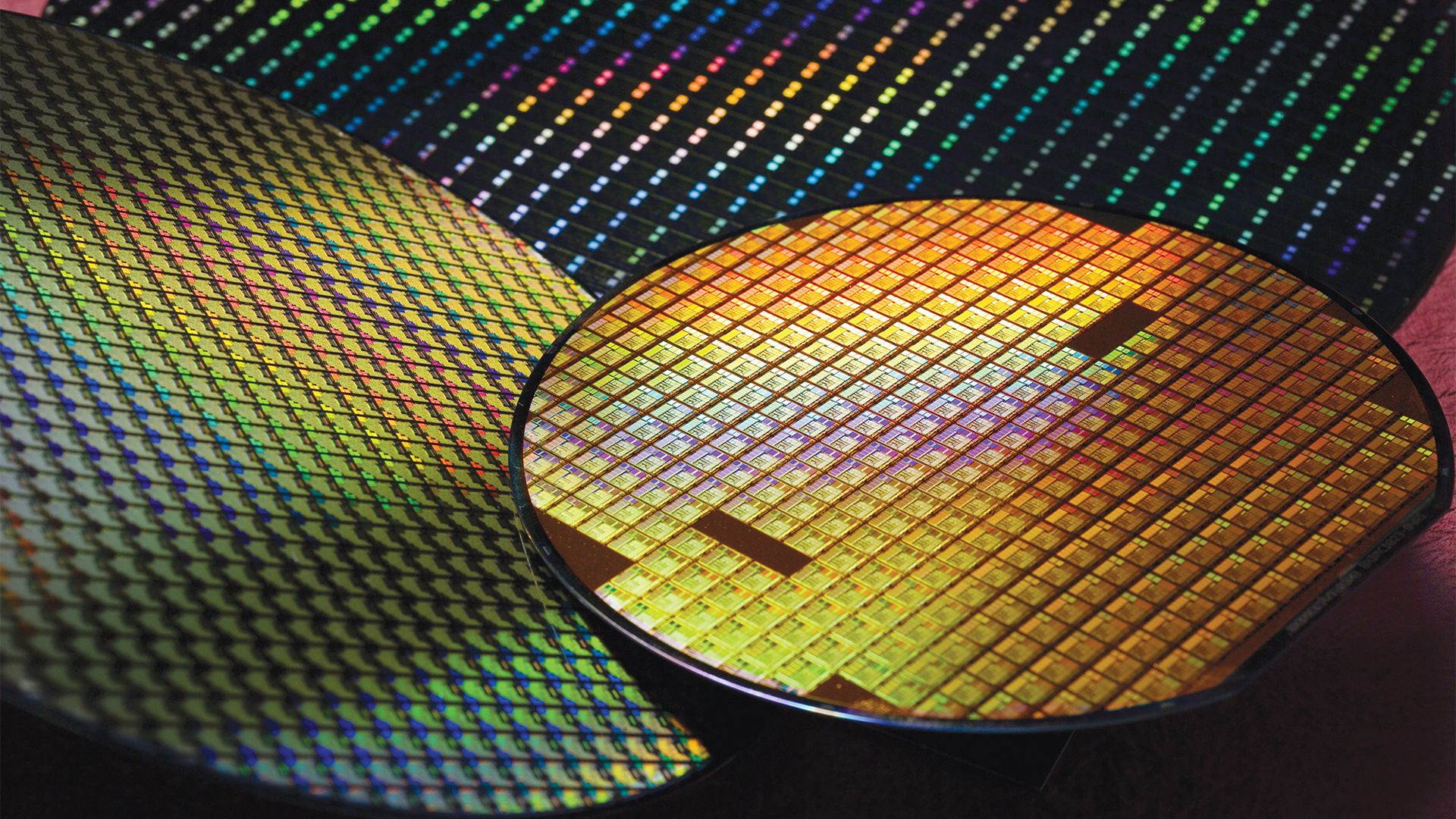
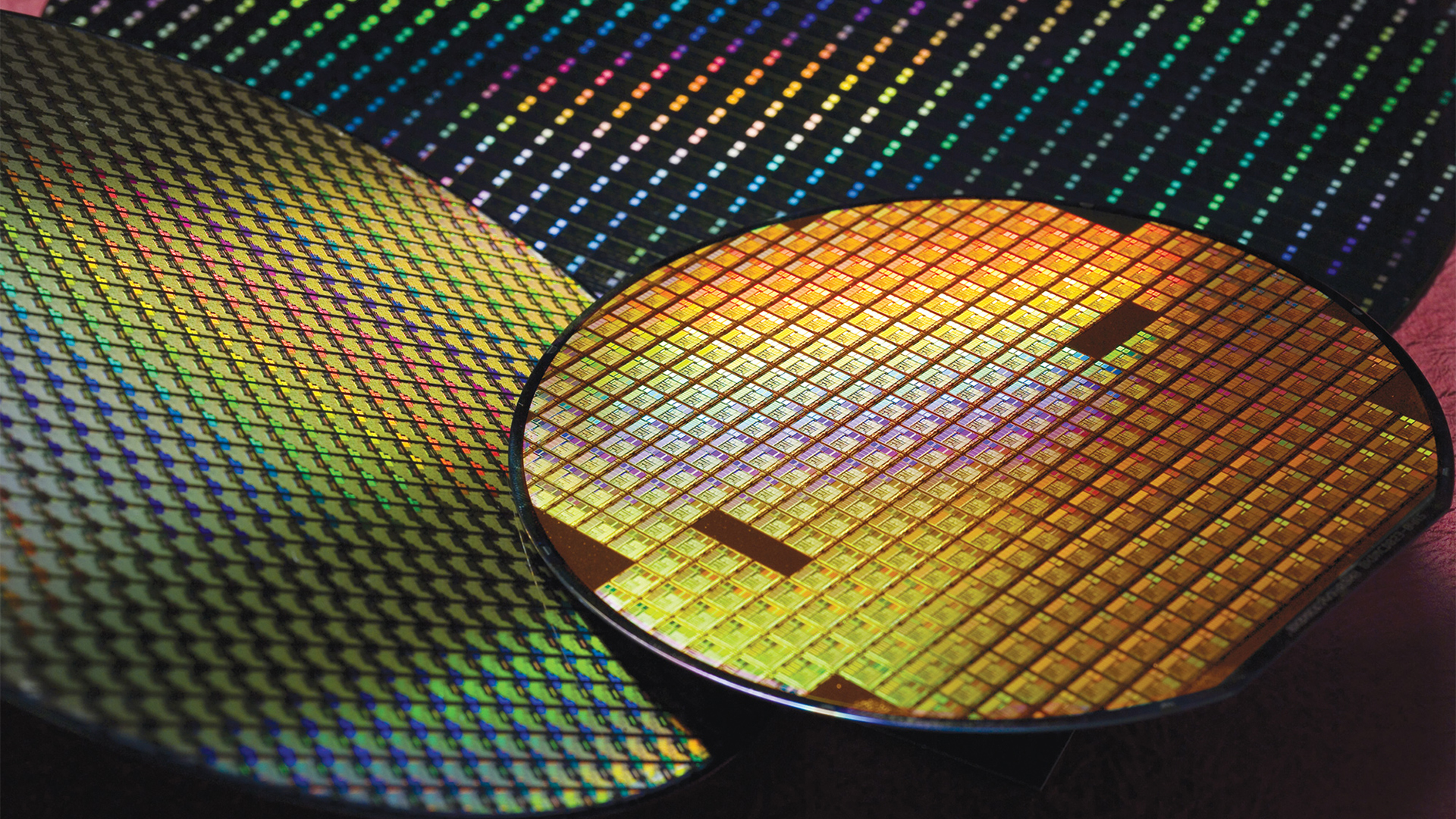
In a striking illustration of the precarious nature of the modern global semiconductor supply chain, reports have emerged suggesting that approximately $1 billion worth of Apple silicon is currently sitting idle at TSMC facilities. Despite high manufacturing yields and successful fabrication of the logic dies, these advanced processors remain incomplete, locked in a state of limbo due to a critical shortage of the specific memory components required for their assembly.
This impasse, which threatens to impact the rollout of the next generation of iPhone hardware, highlights a fundamental shift in Apple’s chip design philosophy. By moving toward a more sophisticated, highly integrated packaging architecture, Apple has inadvertently increased its vulnerability to the volatile market for LPDDR5X memory—a market currently being cannibalized by the insatiable demand for datacenter-grade AI infrastructure.
The Core Issue: A Shift in Packaging Strategy
For nearly a decade, Apple’s reliance on TSMC’s Integrated Fan-Out (InFO) packaging technology provided a significant buffer against component shortages. Under the InFO methodology, the "logic die"—the heart of the processor containing the CPU, GPU, and Neural Engine—was fabricated and separated from the silicon wafer in one phase. The DRAM (Dynamic Random Access Memory) was then stacked on top of this logic die in a subsequent, separate assembly step.
This sequential process offered a distinct advantage: supply chain resilience. If there were a shortage of memory chips, Apple could continue to stockpile finished logic dies, which would simply sit in inventory until the DRAM supply caught up. Once the memory arrived, the final assembly could proceed.
However, the architecture for the upcoming A20 Pro chip, designed for next-generation devices like the iPhone 18 Pro, utilizes TSMC’s Wafer-Level Multi-Chip Module (WMCM) process. This is an adaptation of the sophisticated CoWoS (Chip-on-Wafer-on-Substrate) packaging family, specifically re-engineered for mobile form factors.
The WMCM process represents a paradigm shift. Unlike the modular approach of InFO, WMCM requires the processor and the DRAM to be integrated side-by-side at the wafer level before the manufacturing process can move forward. This creates a "hard" dependency: the logic die cannot be finalized without the memory present. Consequently, the production sequence is effectively reversed. Apple can no longer hedge against memory shortages by banking logic dies. If the DRAM is not available, the entire fabrication line effectively grinds to a halt.
Chronology of a Supply Chain Crunch
The situation, first reported by semiconductor analyst Tim Culpan, reveals a complex timeline of design decisions meeting market realities.
- Design Phase (2023-2024): Apple, in its quest to push the boundaries of on-device artificial intelligence, moved to adopt the WMCM packaging process. The goal was to reduce memory latency and increase bandwidth—two critical metrics for running large language models (LLMs) locally on a handset. By placing the memory closer to the processor on the wafer, Apple aimed to deliver a superior AI experience.
- Fabrication Progress (Mid-2025): TSMC successfully began production of the A20 Pro on its cutting-edge N2 (2nm) node. Reports indicate that yields have been remarkably high, suggesting that the logic side of the house is operating at peak efficiency.
- The Bottleneck (Q3 2025): As the transition to full-scale WMCM assembly began, the reality of the global LPDDR5X shortage became apparent. With massive capital being poured into datacenter AI infrastructure by companies like NVIDIA, Google, and Microsoft, the manufacturing capacity for high-performance LPDDR5X memory has been almost entirely diverted to serve the server market.
- Current Status: Roughly $1 billion worth of N2 logic dies are currently effectively unusable because they are waiting for the companion DRAM that cannot be retrofitted due to the nature of the WMCM process.
Supporting Data: The AI Infrastructure Paradox
The crisis serves as an ironic indictment of the current tech gold rush. Apple’s attempt to bring high-powered AI to the consumer smartphone is being stifled by the very AI infrastructure boom it is attempting to leverage.
The primary culprit is LPDDR5X—a high-speed, power-efficient memory standard. Because this memory is also ideal for the high-density requirements of modern server racks and AI accelerators, there is a direct competition for manufacturing capacity. Smartphone manufacturers, which typically operate on razor-thin margins and immense volume, are finding it difficult to compete with the purchasing power of cloud giants and AI-centric enterprises that are willing to pay a premium to secure supply.
Furthermore, Apple’s move to diversify its supply chain has seen limited success. While traditional partners like Micron, SK Hynix, and Samsung remain the primary sources for this high-end DRAM, Apple’s reported attempt to bring Chinese manufacturer CXMT into the fold—presumably to lower costs and broaden its supplier base—has yet to yield a viable partnership. Without a new, high-volume source, Apple is trapped in a supply-demand feedback loop where they are forced to pay market-peak prices for a commodity that is increasingly scarce.
Implications for Apple and the Industry
The implications of this bottleneck are twofold: short-term retail pressure and long-term strategic re-evaluation.
1. The Retail Impact
Apple is currently in a race against its own release schedule. Analysts suggest that while Apple and its primary assemblers, Foxconn and BYD Electronics, remain confident that they can avoid a total launch-day disaster, the reality of the situation is likely to manifest in "thin" inventory.
For the consumer, this will likely mean a repeat of the "fast sellout" phenomenon. While the phones will technically be available for purchase, the supply will not meet the initial surge in demand. This will result in extended delivery windows—stretching from days to weeks—and a potential scarcity of premium Pro-series models. Given that Apple shipped over 245 million units of the iPhone 17 range in 2025, even a minor disruption to the A20 Pro supply chain could equate to millions of units in lost potential sales during the critical launch quarter.
2. Strategic Vulnerability
From a design perspective, the transition to WMCM has revealed a significant weakness in Apple’s "integrated" strategy. While vertical integration has been the bedrock of Apple’s success for years, the transition to advanced packaging technologies like CoWoS and WMCM has effectively removed the "slack" from their supply chain.
By choosing to prioritize performance—specifically latency and bandwidth for AI—Apple has moved away from the modularity that once protected it from component-level shocks. This suggests that in future design cycles, Apple may need to either maintain a larger buffer of diverse memory types or reconsider its reliance on technologies that necessitate such rigid manufacturing sequencing.
Conclusion: The Cost of Innovation
The irony of the situation is not lost on industry observers. Apple, a company that prides itself on controlling every aspect of its ecosystem, is currently at the mercy of a memory market that is struggling to satisfy the hunger of the wider AI revolution.
As we look toward the potential launch of the next generation of iPhones, the narrative will likely shift from the raw power of the A20 Pro to the logistical struggle of getting those chips into the hands of consumers. For Apple, this serves as a potent reminder that even the most advanced silicon is only as powerful as the weakest link in the supply chain.
Whether the company can negotiate its way out of this shortage remains to be seen, but the situation provides a sobering lesson for the semiconductor industry: as chips become more complex and more integrated, the tolerance for supply chain errors continues to shrink, leaving little room for error in the pursuit of the next leap in computing power.