By Dani James | Retail Dive
Published October 12, 2026
In a retail landscape increasingly defined by the tug-of-war between digital convenience and the tactile allure of the bargain hunt, Ross Stores Inc. has cemented its position as a brick-and-mortar titan. The off-price retail giant announced on Monday that it has officially completed its fiscal year 2026 expansion roadmap, reaching a total of 115 new store openings. This aggressive growth strategy, which saw the retailer push into new geographic frontiers—most notably Massachusetts—underscores a broader trend of resilience within the off-price sector.
With this latest push, the company’s total footprint has expanded to 2,377 locations across 45 states, the District of Columbia, Guam, and Puerto Rico. As inflation-weary consumers continue to prioritize value, Ross is not merely maintaining its presence; it is building the infrastructure for a massive long-term vision that aims for a combined total of 3,600 locations across its two primary banners.
The Strategic Expansion: A Chronological Overview
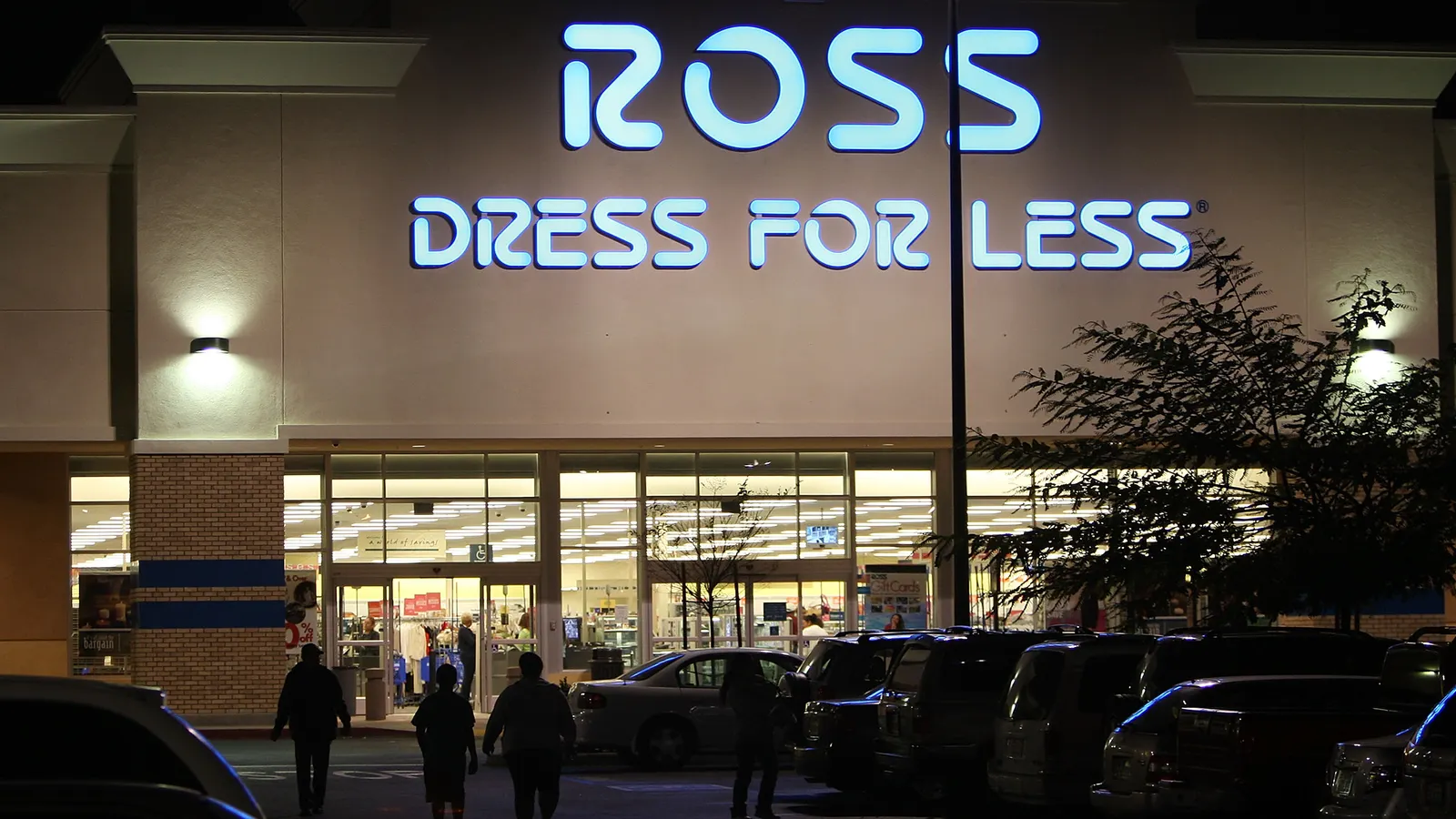
The final phase of the 2026 fiscal growth plan was executed with precision during September and October. During this two-month window alone, Ross Stores unveiled 51 new locations: 41 under the flagship "Ross Dress for Less" banner and 10 under the "dd’s Discounts" brand.
The Timeline of Growth
- Early Fiscal Year 2026: Ross initially set a conservative target of 110 new store openings, responding to market volatility and shifting consumer spending patterns.
- August 2026: Following a period of unexpected sales momentum, the company revised its guidance, bumping the growth target from 110 to 115 units, signaling increased confidence in the strength of its real estate portfolio.
- September – October 2026: The final sprint saw an influx of 51 stores, strategically placed to capture market share in both established territories like Florida and Texas and the long-awaited entry into the Massachusetts market.
This deliberate pacing allowed Ross to mitigate the risks associated with rapid scaling while maintaining the operational discipline that has historically kept the company ahead of its off-price peers.
Supporting Data: Why Ross is Winning
The decision to accelerate the store-opening schedule was not made in a vacuum. It was a direct response to a series of financial victories that placed Ross in a category of its own. In the second quarter of 2026, the retailer reported a 10% jump in comparable store sales, a feat that marked the second consecutive quarter of double-digit growth.
Financial Highlights
- Revenue Growth: Total Q2 sales rose to $6.3 billion, a 13% increase compared to the same period in the previous year.
- Profitability: Net earnings saw an extraordinary surge, climbing 68% to reach $851.3 million.
- Market Positioning: When compared to direct competitors, Ross consistently outperformed, suggesting that their specific inventory model—focused on high-turnover, branded apparel and home goods at deep discounts—is perfectly calibrated for the current economic climate.
These figures represent more than just a successful quarter; they validate the "treasure hunt" experience that Ross provides. By offering a constantly changing inventory at prices that legacy department stores cannot match, the company has insulated itself from the broader decline currently plaguing traditional retail models.
Official Perspectives: The Path to 3,600 Stores
The executive leadership team at Ross remains singularly focused on long-term scalability. Richard Lietz, Executive Vice President of Property Development, characterized the recent expansion as both a milestone and a stepping stone.
"Building on the strong performance of our newer stores, we are excited to open our inaugural stores in Massachusetts while strengthening Ross Dress for Less’ presence in New York and other existing markets," Lietz stated in the company’s press release.
Lietz’s commentary highlights a dual-pronged strategy: "Market Entry" and "Market Penetration." By entering Massachusetts, the company has effectively closed a geographic gap in its Northeast coverage. Simultaneously, by adding to its footprint in California, Florida, and Texas, it is doubling down on the regions where the dd’s Discounts banner has historically thrived.

Looking ahead, the company’s internal modeling suggests that the current saturation point is nowhere near the horizon. Lietz confirmed that the company is "well-positioned" to grow to 2,900 Ross Dress for Less stores and 700 dd’s Discounts locations. This 3,600-store goal provides a clear roadmap for investors and stakeholders, suggesting that the company’s management sees a decade or more of sustainable, high-growth potential ahead.
Implications for the Retail Sector
The success of Ross Stores sends a profound message to the wider retail industry: brick-and-mortar is not dying; it is simply evolving. The expansion serves as a case study for several key industry shifts:
1. The Death of the "Big Box" Stagnation
Many retailers have struggled with the burden of too much square footage. However, Ross has leveraged its real estate to optimize the customer experience. By keeping stores smaller and more manageable than traditional anchors, they minimize overhead while maximizing inventory throughput.
2. The Power of Value-Driven Retail
As the cost of living continues to exert pressure on household budgets, the "off-price" sector has become the primary destination for the middle-class consumer. Ross has successfully transitioned from a "budget option" to a "smart shopping" destination, effectively capturing the consumer who might have previously shopped at traditional department stores but has now been priced out.
3. Supply Chain Resilience
Ross’s ability to open 51 stores in two months requires a sophisticated supply chain and labor management system. Their ability to stock these new locations while maintaining double-digit growth in existing stores suggests that their merchant teams have successfully navigated the complexities of global supply chain disruptions that have hampered other retailers.

Challenges on the Horizon
Despite the optimism, the road to 3,600 stores is not without potential obstacles. The retail sector continues to face headwinds, including rising labor costs, increased competition from online marketplaces, and potential shifts in consumer sentiment.
Furthermore, the expansion into the Northeast (Massachusetts) brings with it higher real estate costs and a different competitive landscape compared to the company’s traditional strongholds in the South and West. If the company cannot maintain its price-point advantage while covering higher operating costs in these new regions, it could pressure margins.
However, given the company’s track record, analysts remain largely bullish. The "treasure hunt" model—where the customer is motivated by the thrill of the find rather than a specific product need—creates a level of customer loyalty that is inherently resistant to the convenience-only model of e-commerce.
Conclusion
Ross Stores’ completion of its 115-store growth plan is a testament to the enduring power of the off-price retail model. By focusing on aggressive, data-driven expansion, maintaining a lean operational structure, and staying true to the bargain-hunting ethos that defined its success, the company has positioned itself as one of the most stable and prosperous entities in modern retail.
As the company sets its sights on the next milestone of 3,600 total locations, the industry will be watching closely. Whether Ross can maintain its current momentum as it enters new, more competitive markets will determine if it remains the undisputed king of the off-price space for the next decade. For now, the numbers speak for themselves: in an era of digital-first commerce, the most exciting innovation in retail may simply be opening a new store on Main Street.