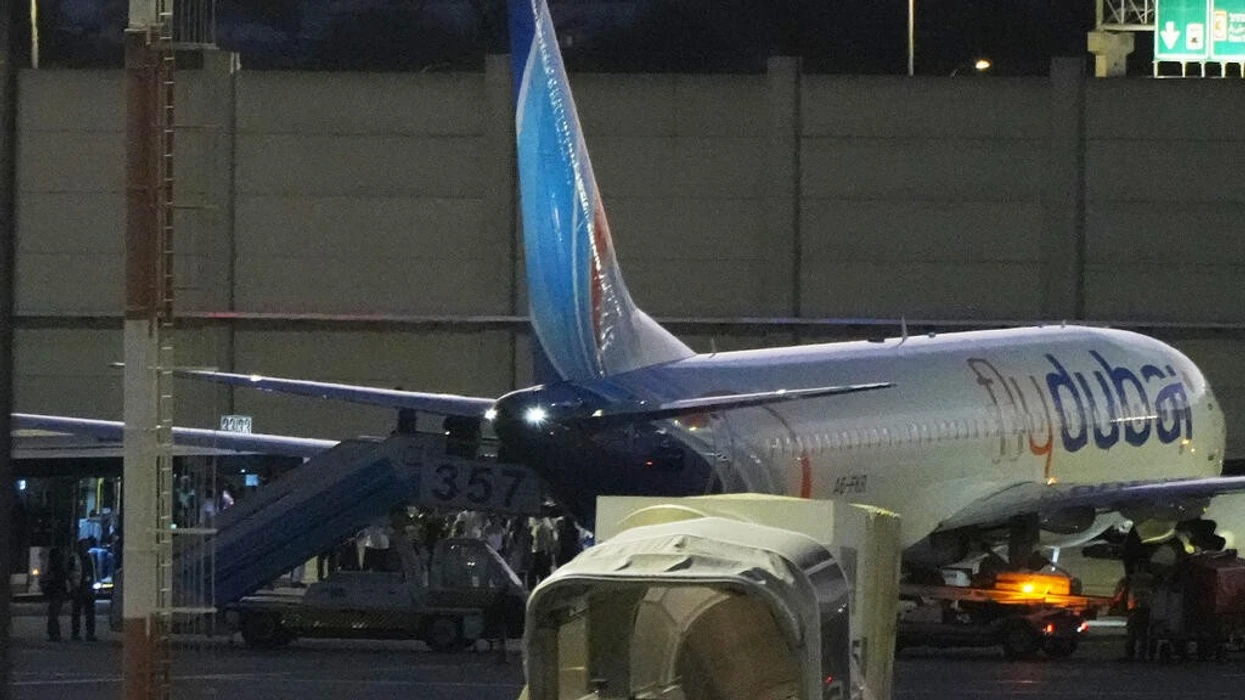
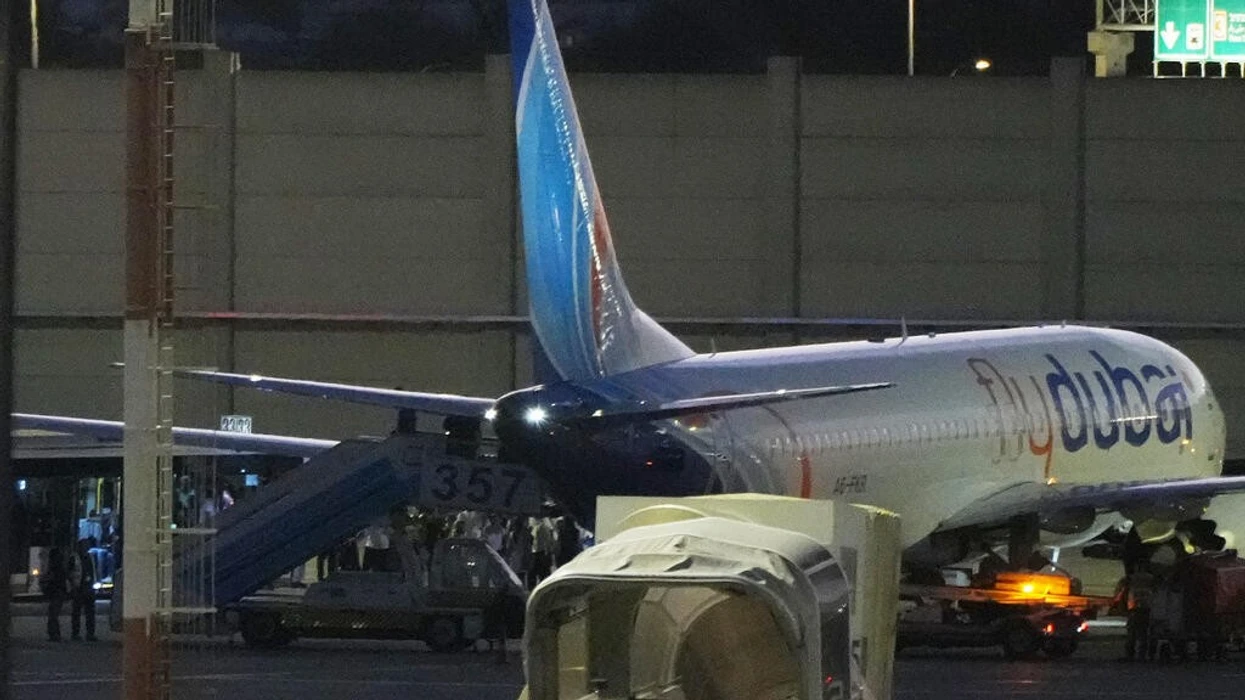
Dubai, UAE – A chilling plot to replicate the devastation of the September 11, 2001, terror attacks has been dramatically unveiled by United Arab Emirates (UAE) authorities. An Omani co-pilot, identified as the individual who violently assaulted the captain of a Flydubai flight on September 30, has been confirmed to have planned to deliberately crash the passenger jet into Tel Aviv’s Ben Gurion International Airport. His heinous objective, according to UAE Senior Prosecutors, was to inflict "the greatest possible loss of life," drawing direct inspiration from Al-Qaeda’s infamous attacks on the United States.
This horrifying revelation has sent shockwaves through the international aviation community and reignited urgent discussions about the vulnerabilities of global air travel security, particularly the "insider threat" posed by radicalized individuals within airline crews. The incident, which saw quick-thinking passengers and crew neutralize the attacker mid-flight, averted a catastrophe that could have claimed hundreds of lives and had far-reaching geopolitical consequences.
A Terrifying Plot Unveiled: Co-Pilot’s Intent to Crash Flydubai Flight into Tel Aviv
Main Facts of a Foiled Catastrophe
The audacious and meticulously planned act of terror was thwarted on September 30 when an Omani co-pilot launched a brutal assault on the captain of a Flydubai passenger aircraft en route to Tel Aviv. Investigations by UAE authorities have now definitively concluded that the co-pilot intended to seize control of the aircraft and deliberately crash it into Israel’s primary international gateway, Ben Gurion Airport. This would have transformed a commercial flight into a guided missile, aiming to maximize casualties and sow widespread terror, a tactic chillingly reminiscent of the 9/11 attacks.
The specifics of the plot, as detailed by the UAE Senior Prosecutor and reported by state media, painted a grim picture: the co-pilot’s motive was not merely to incapacitate the crew but to actively weaponize the aircraft. His target was chosen for its symbolic significance and the high potential for mass casualties, given the airport’s busy operations. The swift and courageous actions of the flight’s captain, an Indian national, and several Israeli passengers were pivotal in preventing what could have been an unparalleled disaster. Their intervention averted the plane’s violent descent and ultimately led to an emergency landing in Saudi Arabia, saving the lives of all on board.
Chronology of a Crisis: From Radicalization to Mid-Air Heroism
The events leading up to and during the foiled attack paint a complex picture of a radicalized individual operating within a seemingly secure system, ultimately undone by the resilience of those he sought to harm.
The Co-Pilot’s Troubled Past and Failed Vetting
The Omani co-pilot’s journey into the cockpit of a commercial airliner, despite his extremist leanings, has become a central point of global scrutiny. According to the investigation’s findings, he had ostensibly met all professional and security requirements necessary for his employment with Flydubai. This included possessing a valid pilot’s license, presenting a certificate of good conduct, and successfully clearing all mandated security background checks. On paper, he was a qualified and trustworthy member of the flight crew.
However, a critical and deeply troubling revelation emerged: the co-pilot had been previously banned from flying in his home country of Oman specifically due to his "extremist views." This stark contradiction between his documented history and his successful passage through Flydubai’s vetting process has raised profound questions about the efficacy of international aviation security protocols. How did such vital intelligence fail to reach the airline during the hiring phase? Were there gaps in intelligence sharing between national security agencies and aviation authorities, or perhaps deficiencies in Flydubai’s own due diligence process? This disparity highlights a significant vulnerability – the "insider threat" – where an individual with dangerous intentions can circumvent established safeguards to gain access to critical positions within the aviation industry. The incident underscores the urgent need for more robust, internationally coordinated intelligence sharing and continuous monitoring of personnel in sensitive roles.
The Flight FZ-XXX and the Attack on September 30
The Flydubai flight, originating from Dubai International Airport and bound for Ben Gurion Airport in Tel Aviv, was carrying a diverse manifest of passengers, predominantly Israeli citizens. The flight was proceeding normally until the co-pilot’s sudden and violent turn. Without warning, the Omani co-pilot launched a brutal assault on the Indian captain, using an axe to inflict severe injuries. This act was not a spontaneous outburst but the execution of a pre-meditated plan to incapacitate the flight’s primary pilot and seize control of the aircraft.
The cockpit, typically a sanctuary of control and order, became a scene of desperate struggle. Despite being wounded, the captain displayed extraordinary courage and presence of mind. Recognizing the gravity of the situation and the immediate danger to the aircraft, he managed to unlatch and open the reinforced cockpit door. This singular act of defiance, though putting him in further peril, proved to be the turning point that allowed external intervention.
Almost immediately following the attack, the aircraft experienced a terrifying and abrupt drop in altitude, plummeting approximately 5,000 meters (about 16,400 feet). This sudden descent, a direct consequence of the struggle for control, plunged the cabin into chaos. Passengers, witnessing the alarming dive and hearing sounds of commotion, were gripped by panic and fear, unsure of the unfolding catastrophe.
Passengers’ Heroic Intervention and Emergency Landing
It was in this moment of extreme peril that several passengers, primarily Israeli citizens, demonstrated exceptional bravery. Responding to the cries for help and the sudden instability of the aircraft, they rushed towards the cockpit. Through the opened door, they confronted the co-pilot and the injured captain. Without hesitation, these civilians, along with dedicated members of the cabin crew, engaged the attacker. Their collective efforts were instrumental in subduing the co-pilot, effectively neutralizing the immediate threat to the aircraft and its occupants.
Once the attacker was incapacitated, the severely injured captain, assisted by the crew and the intervening passengers, began the arduous task of stabilizing the aircraft. With the immediate threat contained, the focus shifted to ensuring the safety of the flight. An urgent decision was made to execute an emergency landing. The aircraft was diverted to Saudi Arabia, touching down safely at an unspecified airport (likely a major hub such as Jeddah or Riyadh, given the need for full facilities for an emergency of this magnitude). Upon landing, emergency services were immediately on standby to provide medical attention to the injured captain and ensure the safety and well-being of all passengers and crew. The incident concluded with a profound sense of relief, but also with lingering questions about how such a plot could have come so close to fruition.
Supporting Data and Broader Context of Aviation Security
The thwarted Flydubai attack is not an isolated incident but rather a stark reminder of the persistent and evolving threats facing civil aviation. Its details resonate with historical precedents and expose critical vulnerabilities that demand renewed attention.
Echoes of 9/11: The Terrorist Inspiration
The explicit inspiration drawn by the Omani co-pilot from Al-Qaeda’s 9/11 attacks is particularly disturbing. The coordinated suicide attacks on September 11, 2001, which saw four commercial airliners hijacked and used as weapons against the World Trade Center, the Pentagon, and a field in Shanksville, Pennsylvania, fundamentally reshaped global aviation security. The 9/11 hijackers, some of whom had rudimentary flight training, demonstrated the devastating potential of using passenger aircraft for mass-casualty attacks.
The Flydubai plot signifies that this particular modus operandi remains a viable and attractive option for radicalized individuals or groups seeking to inflict maximum damage and psychological terror. The co-pilot’s intent to crash the plane into an airport, a densely populated and strategically important target, directly mirrored the 9/11 playbook of maximizing death and destruction. This incident underscores the enduring appeal of such tactics for extremist ideologies, which prioritize spectacle and high casualty counts to achieve their objectives. It also highlights the insidious nature of radicalization, which can transform seemingly normal individuals into instruments of terror.
Aviation Security Protocols and Their Vulnerabilities
In the wake of 9/11, aviation security underwent a revolutionary overhaul. Key enhancements included reinforced cockpit doors designed to withstand brute force, vastly improved passenger and baggage screening technologies, increased air marshals, and more stringent background checks for aviation personnel. These measures were primarily aimed at preventing external threats and hijackers from gaining control of an aircraft.
However, the Flydubai incident forcefully brings to the forefront the persistent "insider threat." While security protocols largely focus on preventing external access to the aircraft, the risk posed by individuals already entrusted with access and control, such as pilots, remains a complex challenge. The fact that the co-pilot passed initial vetting despite a known history of extremist views points to potential systemic failures. This could involve inadequate depth in background checks, a lack of comprehensive international intelligence sharing, or insufficient psychological profiling and continuous monitoring of flight crews. The reinforced cockpit door, a cornerstone of post-9/11 security, proved insufficient when the threat originated from within the cockpit itself. The incident necessitates a re-evaluation of how aviation authorities and airlines vet, monitor, and manage their own personnel, particularly those in critical positions of trust.
Precedent and Analogous Incidents
While the Flydubai plot is unique in its specific target and the co-pilot’s stated inspiration, there have been other instances of crew members attempting to sabotage or crash aircraft. One notable case is Germanwings Flight 9525 in 2015, where co-pilot Andreas Lubitz deliberately crashed the Airbus A320 into the French Alps, killing all 150 people on board. However, Lubitz’s motive was a personal suicidal act, albeit with mass murder, rather than a politically or ideologically driven mass-casualty attack on a specific ground target.
Other historical incidents include EgyptAir Flight 990 in 1999, which crashed into the Atlantic Ocean under suspicious circumstances, with US investigators concluding the co-pilot deliberately caused the crash, a finding disputed by Egyptian authorities. These cases, while differing in motive and context, highlight the profound vulnerability when a trusted crew member turns against the aircraft. The Flydubai incident stands apart due to its clear ideological motivation, its inspiration from 9/11, and its specific intent to target a civilian airport in a geopolitical hotspot, making it a distinct and particularly alarming threat.
Official Responses and Calls for Accountability
The international response to the foiled attack has been swift, characterized by condemnation, recognition of heroism, and urgent calls for enhanced security measures and accountability.
UAE’s Investigation and Legal Proceedings
The UAE Senior Prosecutor’s office has taken the lead in the investigation, working diligently to piece together the details of the plot and the co-pilot’s motives. The confirmation that the co-pilot intended a mass-casualty attack inspired by 9/11 underscores the seriousness with which UAE authorities are treating the incident. The investigation is likely to involve extensive forensic analysis of the aircraft’s flight recorders, examination of the co-pilot’s personal effects, and interviews with all relevant parties, including the injured captain, cabin crew, and passengers.
Legal proceedings against the co-pilot are expected to be severe, given the charges of attempted mass murder, terrorism, and endangering an aircraft. The UAE, known for its strict legal framework, will likely pursue the maximum penalties available under its anti-terrorism laws. Furthermore, the UAE is expected to cooperate fully with international partners, including Oman (regarding the co-pilot’s background), India (for the captain’s nationality), Israel (as the intended target and for its citizens’ involvement), and Saudi Arabia (where the emergency landing occurred). This cooperation is crucial for intelligence sharing and ensuring a comprehensive understanding of how such a threat developed.
Israel’s Recognition of Heroism and Security Review
For Israel, the incident struck particularly close to home, with the vast majority of passengers being Israeli citizens and Tel Aviv’s Ben Gurion Airport being the intended target. The nation lauded the heroism of its citizens and the Indian captain who averted the catastrophe.
On Thursday, Israeli President Isaac Herzog awarded the prestigious Presidential Award for Civilian Heroism to six Israeli citizens who were instrumental in subduing the co-pilot. During the ceremony, President Herzog emphasized not only the valor displayed but also the imperative for complete transparency and accountability. "The courage and ingenuity shown by the citizens who are here cannot diminish the obligation to receive full answers," Herzog declared, as reported by The Jerusalem Post. "All of us deserve clear and convincing answers." This statement reflects a national demand for a thorough investigation into the security failures that allowed a radicalized individual to pilot a plane bound for Israel.
Echoing these sentiments, Prime Minister Benjamin Netanyahu commended the "courage of the passengers and the captain" for thwarting the attack. Critically, Netanyahu immediately ordered a "full review of all aspects of security related to foreign civil aviation heading to Israel." This comprehensive review will undoubtedly scrutinize vetting processes, intelligence sharing mechanisms, and in-flight security protocols for all international flights operating to and from Israel, aiming to identify and rectify any vulnerabilities exposed by this incident. Given Israel’s heightened security posture, this review is expected to be rigorous and could lead to significant policy changes.

Flydubai’s Stance and Internal Actions
Flydubai, the airline involved, faced an immediate crisis of confidence following the incident. While specific public statements from the airline detailing their internal investigation were not immediately available, it is standard practice for airlines in such situations to launch comprehensive internal reviews of their hiring practices, pilot vetting procedures, and in-flight security protocols. The airline would also be expected to provide full support to the injured captain, the cabin crew, and all affected passengers. This includes medical and psychological support, as well as assistance with ongoing investigations.
The incident places immense pressure on Flydubai to demonstrate the robustness of its security measures and its commitment to passenger safety. The revelation about the co-pilot’s prior ban in Oman will likely prompt a re-evaluation of how the airline conducts international background checks and how it accesses and processes intelligence pertaining to potential threats within its workforce.
Oman’s Silence or Response
The role of Oman, the co-pilot’s home country, in this unfolding narrative is crucial. The revelation that he was previously banned from flying there due to "extremist views" demands a clear explanation. While initial reports did not detail any immediate public statements from Omani authorities, international pressure will undoubtedly mount for them to clarify why this critical information was not effectively shared with international aviation bodies or with Flydubai during the co-pilot’s employment process. Their cooperation with the UAE-led investigation will be essential in understanding the extent of the co-pilot’s radicalization and the systems that failed to prevent him from obtaining a commercial pilot’s license and employment with an international airline.
Far-Reaching Implications for Global Aviation
The foiled Flydubai attack is poised to have profound and lasting implications for global aviation security, forcing a re-evaluation of established protocols and fostering renewed international cooperation.
Re-evaluating Pilot Vetting and Mental Health
The most immediate and critical implication is the urgent need to re-evaluate pilot vetting processes worldwide. The fact that an individual with documented extremist views could pass seemingly stringent security checks highlights a systemic flaw. Future vetting must go beyond criminal records and basic conduct certificates, integrating deeper intelligence sharing from national security agencies, and potentially including more sophisticated psychological profiling. The incident underscores the challenge of detecting radicalization, which may not always manifest in overt criminal behavior but in extremist ideologies that can lead to violence.
Furthermore, the discussion around the mental health of pilots, already a sensitive topic, will be amplified. While the co-pilot’s motive was ideological, any incident involving a crew member’s intent to harm raises questions about the psychological stability and continuous monitoring of those entrusted with hundreds of lives. Airlines and regulatory bodies may need to consider more frequent and in-depth psychological evaluations, coupled with robust support systems for pilots facing stress or mental health challenges, to identify potential risks early.
Enhancing International Intelligence Cooperation
The incident serves as a stark reminder of the critical importance of seamless and timely intelligence sharing between national security agencies, law enforcement, and aviation authorities across international borders. The failure to transmit information about the co-pilot’s prior ban in Oman to Flydubai or relevant international bodies represents a significant security gap. There is an urgent need to establish clearer, more standardized protocols for sharing information on individuals with extremist tendencies or those deemed a security risk, particularly when they hold positions of trust in critical infrastructure like aviation. The International Civil Aviation Organization (ICAO) and the International Air Transport Association (IATA) will likely play crucial roles in facilitating these discussions and developing new frameworks for enhanced global intelligence cooperation.
The Enduring Threat and Public Confidence
This thwarted attack inevitably impacts public confidence in air travel. Passengers board flights trusting that every crew member is committed to their safety. When that trust is breached from within, it can erode public faith in the entire aviation security apparatus. The industry will need to work diligently to reassure the public that comprehensive measures are being taken to address the "insider threat" and that such incidents remain exceedingly rare.
Despite the fear such events generate, the aviation industry has consistently demonstrated its resilience in adapting to new threats. From hijackings to shoe bombers, each challenge has led to innovations and stricter protocols. This incident will undoubtedly spur further advancements in threat detection, personnel screening, and emergency response.
Legal and Ethical Dimensions
The legal process for the co-pilot will be closely watched, setting precedents for how international terrorism plots originating from within an aircraft’s crew are prosecuted. The ethical responsibilities of airlines and regulatory bodies are also under scrutiny. There’s a moral imperative to ensure that every possible step is taken to prevent such incidents, balancing security needs with privacy concerns and maintaining a fair and just employment process.
Finally, the incident has also powerfully underscored the strength of the human spirit and the extraordinary capacity for heroism in the face of terror. The actions of the injured captain and the brave passengers who intervened will forever serve as a testament to collective courage, a counter-narrative to the darkness of extremist plots, and a reminder that vigilance and bravery can, and often do, avert catastrophe.