

Pristina, Kosovo – The National Center for Border Management (NCBM) in Kosovo continues its vital role in providing real-time updates on waiting times at the country’s various border crossing points. This consistent flow of information is crucial for both citizens and visitors, particularly during periods of increased traffic, ensuring smoother transit and minimizing travel inconveniences. While the majority of Kosovo’s border points maintain highly efficient processing, with average waiting times typically ranging between three and five minutes, specific crossings experience significant congestion, underscoring persistent challenges in managing high-volume traffic flows.
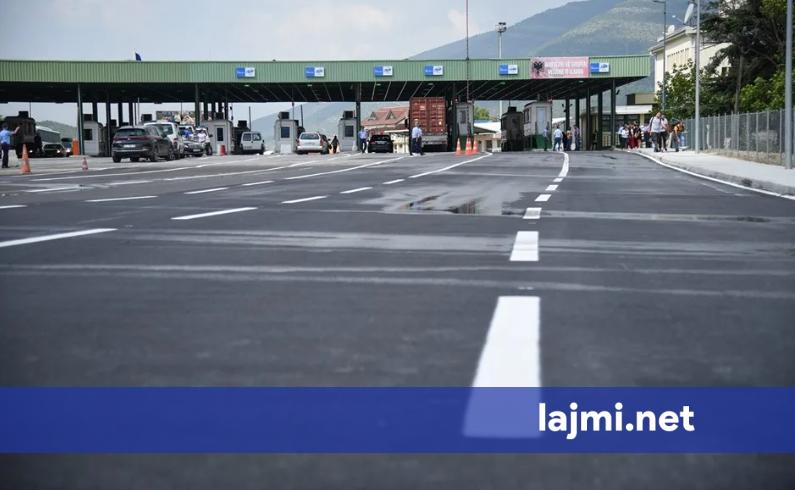
The NCBM’s latest reports highlight "Dheu i Bardhë" (also known as Bela Zemlja or White Land), a key border crossing with Serbia, as the most heavily impacted point. Travelers at "Dheu i Bardhë" are currently facing waits of approximately 20 minutes for both entry into and exit from Kosovo, accompanied by queues extending up to 100 meters. Another significant bottleneck is observed at "Kullë" (Kula or Tower), bordering Montenegro, where queues stretch between 150 and 200 meters, leading to estimated waiting times of 10 to 15 minutes for entry. These localized delays underscore the complex interplay of infrastructure, traffic volume, and operational procedures that characterize modern border management.
The continuous monitoring and dissemination of this data by the NCBM are indispensable for travelers planning their journeys, allowing them to make informed decisions and potentially reroute to less congested crossings. This proactive approach by the Kosovar authorities reflects a commitment to enhancing travel efficiency and supporting the free movement of people and goods, which are foundational to Kosovo’s economic development and its integration into wider regional and European frameworks.
Understanding the Role of the National Center for Border Management (NCBM)
The National Center for Border Management (NCBM) stands as a cornerstone of Kosovo’s efforts to streamline border operations and enhance overall security. Established with the mandate to coordinate and optimize the functioning of all border crossing points, the NCBM plays a multi-faceted role that extends far beyond merely reporting waiting times. Its primary objective is to facilitate legitimate travel and trade while simultaneously safeguarding national security and combating illicit activities.
The NCBM operates as a central hub for data collection, analysis, and dissemination. It leverages a sophisticated network of surveillance technologies, including high-definition cameras, sensor systems, and direct communication channels with border police and customs officials stationed at each crossing point. This technological infrastructure enables the center to gather real-time data on vehicle queues, passenger flows, and processing times. The collected information is then analyzed to identify emerging patterns, anticipate potential bottlenecks, and inform strategic operational adjustments.
A key aspect of the NCBM’s function is its commitment to transparency and public service. The real-time updates on border waiting times, disseminated through its official website, mobile applications, and various media platforms, empower travelers with critical information. This public service helps individuals and commercial transporters plan their routes more effectively, potentially diverting traffic from congested areas and thereby reducing overall delays. This not only improves traveler experience but also contributes to a more efficient national logistics network.
Furthermore, the NCBM serves as a crucial coordination body for various agencies involved in border management, including the Kosovo Border Police, Kosovo Customs, the Food and Veterinary Agency, and other relevant ministries. By fostering inter-agency collaboration, the NCBM ensures a harmonized approach to border control, preventing duplication of efforts and promoting standardized procedures. This integrated management strategy is vital for addressing complex challenges such as cross-border crime, irregular migration, and the efficient flow of goods, all while maintaining a balance between security imperatives and the facilitation of legitimate movement. The NCBM’s proactive stance is indicative of Kosovo’s broader commitment to modernizing its state apparatus and aligning its border management practices with European standards.
Current State of Border Crossing Points: A Detailed Look
Kosovo’s border crossing points serve as critical arteries connecting the country to its neighbors, facilitating trade, tourism, and the movement of its substantial diaspora. The NCBM’s latest assessment paints a picture of general efficiency at most points, contrasted sharply by specific areas of congestion that warrant closer examination.
General Efficiency at Most Crossings:
For the vast majority of Kosovo’s border points, travelers experience minimal delays. The reported 3 to 5-minute waiting times for both entry and exit reflect a relatively smooth operation, indicative of adequate staffing, streamlined procedures, and sufficient infrastructure to handle typical traffic volumes. These points often include crossings such as:
- Merdare (with Serbia, primarily for northern traffic, though it can also experience peaks).
- Hani i Elezit (with North Macedonia, a vital corridor for goods and south-bound traffic).
- Vërmicë (with Albania, a highly frequented route for tourism and diaspora).
- Qafë Morinë (with Albania, a less congested alternative).
- Gryka e Çakorrit (with Montenegro, for local traffic).
- Glloboçica (with North Macedonia, another important commercial route).
These points generally benefit from consistent investment in infrastructure and technology, coupled with effective coordination between border agencies. The short waiting times are particularly appreciated by regular commuters, freight carriers, and tourists who rely on predictable transit times.
The Bottlenecks: Dheu i Bardhë and Kullë:
Dheu i Bardhë (Bela Zemlja/White Land): The Serbian Frontier Challenge
"Dheu i Bardhë" stands out as the most congested border crossing according to the NCBM. Located on the border with Serbia, this point is strategically significant, serving as a primary route for a substantial portion of the Kosovar diaspora residing in Western Europe, particularly during holiday seasons and summer vacations. The reported 20-minute waiting times for both entry and exit, coupled with 100-meter queues, represent a considerable inconvenience for travelers.
- Location and Significance: Situated in the southeast of Kosovo, connecting to central Serbia. It’s a critical transit point for those traveling between Kosovo and Serbia, as well as for those using Serbia as a transit country to other parts of Europe.
- Reasons for Congestion:
- High Volume of Traffic: During peak seasons (summer, religious holidays, end-of-year), the sheer number of vehicles, predominantly passenger cars carrying families, overwhelms the existing infrastructure.
- Infrastructure Limitations: While efforts have been made, the physical layout of "Dheu i Bardhë" may still present challenges. A limited number of processing lanes or booths can quickly lead to backlogs when traffic surges.
- Procedural Complexity: The political complexities surrounding the Kosovo-Serbia border status can sometimes translate into more meticulous checks or differing administrative requirements from both sides, inadvertently slowing down the process.
- Staffing Levels: Even with dedicated staff, sudden spikes in traffic can outpace the available personnel, leading to longer processing times per vehicle.
Kullë (Kula/Tower): The Montenegrin Gateway
The "Kullë" border crossing, connecting Kosovo with Montenegro, presents another area of concern, albeit with slightly shorter waiting times than "Dheu i Bardhë." With queues stretching 150-200 meters and entry waits of 10-15 minutes, this crossing primarily affects those traveling to and from Montenegro.
- Location and Significance: Located in western Kosovo, it is a key route for tourists heading to Montenegro’s coastal resorts or mountainous regions, and for Montenegrins visiting Kosovo. It also serves local cross-border traffic.
- Reasons for Congestion:
- Seasonal Tourism: Like "Dheu i Bardhë," "Kullë" experiences significant seasonal peaks, particularly during the summer months when tourism between Kosovo and Montenegro intensifies.
- Road Network Capacity: The road leading to and from "Kullë" on both sides might have segments that are less developed, contributing to slower traffic flow even before reaching the actual border posts.
- Specific Checks: Depending on the season and security concerns, specific vehicle or passenger checks might be intensified, contributing to the delays.
- Infrastructure: Similar to other points, the number of operational lanes and the efficiency of the physical layout play a crucial role.
The detailed analysis of these specific points underscores the need for targeted interventions and continuous adaptation of border management strategies to address the unique pressures faced by each crossing.
Chronology of Border Management and Challenges in Kosovo
Kosovo’s journey in establishing and refining its border management system is deeply intertwined with its post-conflict history and its aspirations for European integration. The challenges have evolved significantly since the early 2000s, moving from rudimentary control points to a more sophisticated, technologically-driven system.
Early Post-Conflict Period (1999-2008): In the immediate aftermath of the 1999 conflict, border control in Kosovo was largely under the purview of international forces (KFOR) and later the United Nations Mission in Kosovo (UNMIK). The focus was primarily on security, preventing illegal crossings, and establishing basic customs functions. Infrastructure was minimal, and procedures were often ad-hoc. The concept of a unified "Kosovo border" was still nascent, particularly with Serbia, where crossing points were often referred to as "administrative boundary lines." During this period, delays were frequent due to inadequate infrastructure, limited staffing, and the lack of a fully coherent legal and operational framework.
Establishment of Kosovar Institutions (2008 onwards): With Kosovo’s declaration of independence in 2008, the process of building indigenous border management capacities accelerated. The Kosovo Border Police was formed, gradually taking over responsibilities from international actors. This period saw the initial efforts to standardize procedures, train personnel, and invest in basic infrastructure. However, challenges persisted, particularly related to technical equipment, IT systems, and the ongoing political complexities with Serbia, which often complicated the practical implementation of border protocols. The need for a centralized coordination body became increasingly evident as traffic volumes grew.
Formation and Evolution of the NCBM: The National Center for Border Management was a crucial institutional response to these evolving challenges. While the exact founding date can vary depending on the specific legislative act, its operational establishment gained significant traction in the early to mid-2010s. Its formation marked a strategic shift towards a more integrated, data-driven approach. The initial goals of the NCBM included:
- Centralized Information Hub: To consolidate data from all border points.
- Real-time Monitoring: To gain immediate oversight of border activity.
- Public Information Dissemination: To provide transparent updates to citizens.
- Inter-Agency Coordination: To ensure seamless cooperation among various border agencies.
Over the years, the NCBM has progressively enhanced its capabilities. It moved from relying on manual reports to incorporating advanced surveillance technologies, developing its online platforms, and improving its communication channels. Major milestones include the integration of more sophisticated camera systems, the development of user-friendly websites and mobile apps, and the establishment of robust data analytics frameworks.
Addressing Peak Season Challenges: Historically, significant delays have been a recurring issue during specific periods, most notably the summer months when the diaspora returns, and major religious or national holidays. Incidents of several-hour-long waits were not uncommon in the past. These challenges spurred initiatives such as:
- Increased Staffing: Deploying additional border police and customs officers during peak times.
- Infrastructure Upgrades: Expanding lanes, adding processing booths, and improving road access at key crossings.
- Public Awareness Campaigns: Encouraging travelers to use less congested routes or travel during off-peak hours.
- Bilateral Discussions: Engaging with neighboring countries to harmonize procedures and facilitate smoother transit, although progress on this front, particularly with Serbia, has been slow due to political differences.
The NCBM’s continuous evolution is a testament to Kosovo’s commitment to modernizing its border management in line with European best practices, aiming to balance security needs with the facilitation of legitimate cross-border movement.
Supporting Data and Analysis
While the NCBM’s current reports focus on waiting times and queue lengths, a broader analysis of supporting data provides a deeper understanding of the dynamics at play at Kosovo’s borders. These additional metrics illuminate the scale of operations and the factors contributing to both efficiency and congestion.
Traffic Volume Statistics:
Kosovo’s border crossings collectively handle a substantial volume of traffic annually. While precise, up-to-the-minute figures for all crossings are often internal data, general estimates suggest:
- Passenger Vehicles: During peak summer months, major crossings like Dheu i Bardhë, Merdare, and Vërmicë can process tens of thousands of passenger vehicles daily. Annually, millions of vehicles cross Kosovo’s borders.
- Commercial Trucks: Points like Hani i Elezit and Glloboçica are vital for freight. Hundreds, if not thousands, of commercial vehicles pass through these daily, carrying goods essential for Kosovo’s economy. Delays for these vehicles have direct economic consequences.
- Passenger Numbers: The total number of individuals crossing borders, including those by bus or on foot, can easily reach several million annually. The Kosovo diaspora, estimated to be over a million people, significantly contributes to these numbers during their visits.
Seasonal vs. Off-Peak Comparisons:
The stark difference between peak and off-peak periods is a defining characteristic of Kosovo’s border operations.
- Peak Season: Typically encompasses July and August (summer holidays), Eid al-Fitr and Eid al-Adha (religious holidays), and the end-of-year festive season (Christmas and New Year). During these times, traffic can surge by 200-300% or more at specific points, leading to the reported delays. The primary driver is the return of the diaspora, combined with increased tourism.
- Off-Peak Season: During the rest of the year, traffic flows are generally more manageable. Waiting times typically remain low, as reported by the NCBM (3-5 minutes), reflecting the standard capacity of the border infrastructure and staffing.
Types of Vehicles and Their Impact:
The composition of traffic also plays a role.
- Passenger Cars: These constitute the bulk of vehicles during peak periods. While processing a single car might be quick, the sheer volume creates queues. Families often travel with extensive luggage, which can sometimes necessitate additional checks, albeit rarely.
- Commercial Vehicles: Trucks, particularly those carrying perishable goods, require swift processing. Delays here can lead to financial losses for businesses due to spoiled goods, missed delivery windows, and increased operational costs. Kosovo Customs works to expedite these, but overall border capacity remains a factor.
- Buses: Large numbers of passengers on buses require efficient processing. While individual checks might be fast, a single bus can add dozens of people to the border queue, demanding significant officer attention.
Qualitative Data: Traveler Experiences and Economic Impact:
Beyond raw numbers, the human element is crucial. Long waiting times lead to:
- Increased Stress and Fatigue: Especially for families traveling long distances.
- Lost Time: Time that could be spent with family or on vacation.
- Economic Disincentives: For businesses, delays translate to higher costs, reduced competitiveness, and potential loss of contracts. For tourists, consistently long waits can deter future visits.
- Perception of the Country: Efficient borders contribute to a positive image of Kosovo as an accessible and well-managed nation.
Comparison with Regional Practices:
While Kosovo has made significant strides, border efficiency remains a common challenge across the Western Balkans. Many countries in the region face similar issues with peak season traffic, often due to aging infrastructure, varying administrative procedures, and the complex geopolitical landscape. Kosovo’s NCBM is generally regarded as a progressive model for its transparency and real-time data dissemination, often exceeding the public information services offered by some neighboring countries. However, regional cooperation on harmonizing procedures and joint border controls (where one stop serves both countries) is an area with potential for further improvement across the entire region, which could drastically cut waiting times.
This comprehensive view of supporting data emphasizes that while the NCBM provides valuable immediate updates, the underlying issues of traffic volume, infrastructure, and regional coordination are complex and require sustained strategic attention.
Official Responses and Mitigation Strategies
Recognizing the critical importance of efficient border operations for both national security and socio-economic development, Kosovar authorities, spearheaded by the NCBM, have implemented a range of proactive measures and long-term strategies to mitigate congestion and enhance the overall traveler experience.
NCBM’s Proactive Measures:
The National Center for Border Management is at the forefront of immediate response and public communication.
- Real-time Monitoring: The NCBM continuously monitors all border crossing points using advanced surveillance technology. This allows for immediate identification of congestion and enables rapid communication to the public.
- Public Advisories: Through its official website, social media channels, and partnerships with local media, the NCBM issues regular updates and advisories. These often include recommendations for alternative routes or suggestions to travel during off-peak hours, empowering travelers to make informed decisions.
- Direct Communication with Border Posts: The NCBM maintains constant communication with border police and customs officials at each crossing, allowing for quick adjustments in staffing or operational procedures in response to sudden traffic surges.
Government Initiatives and Investments:
Beyond the NCBM’s immediate actions, the Government of Kosovo has undertaken broader initiatives to address systemic issues:
- Infrastructure Investments: Recognizing that physical capacity is a primary bottleneck, the government has invested in upgrading and expanding border crossing infrastructure. This includes:
- Lane Expansions: Increasing the number of operational lanes for both passenger cars and commercial vehicles.
- New Processing Booths: Adding more customs and police booths to handle higher volumes simultaneously.
- Road Network Improvements: Enhancing access roads leading to and from border points to prevent bottlenecks even before reaching the customs area. For example, specific projects have been initiated to improve connectivity around Dheu i Bardhë and Merdare.
- Staffing Increases and Training: The Kosovo Border Police and Kosovo Customs periodically recruit and train additional personnel, particularly anticipating peak seasons. Continuous training programs ensure officers are equipped with the latest skills in passenger processing, document verification, and security protocols, while also focusing on customer service and efficiency.
- Inter-Agency Cooperation: Enhanced collaboration between the Border Police, Customs, the Food and Veterinary Agency, and other relevant ministries ensures a more streamlined and coordinated approach. Joint training exercises and shared information platforms help to eliminate redundancies and improve overall efficiency.
- Bilateral and Regional Agreements: Kosovo actively participates in regional initiatives aimed at improving cross-border movement. Efforts are ongoing to establish bilateral agreements with neighboring countries for smoother transit, including discussions on joint border controls (one-stop-shop concepts) which could significantly reduce waiting times by processing travelers only once for both countries. While progress varies across different borders, these diplomatic efforts are crucial for long-term solutions.
- Digitalization Efforts: The government is exploring and implementing digitalization initiatives to modernize border procedures. This includes:
- Electronic Pre-Clearance Systems: Allowing travelers or freight companies to submit documents electronically in advance, speeding up physical checks.
- Automated Gate Systems: Piloting technologies that could automate parts of the entry/exit process for certain categories of travelers.
- Data Sharing Platforms: Improving secure data exchange between national agencies and potentially with international partners to enhance risk assessment and accelerate legitimate crossings.
Advice for Travelers:
The NCBM and other authorities consistently advise travelers to:
- Check NCBM Updates: Regularly consult the NCBM’s website or mobile app for real-time waiting times before embarking on their journey.
- Travel During Off-Peak Hours: Whenever possible, plan travel during weekdays or outside the busiest morning and evening hours, as well as avoiding peak holiday periods.
- Have Documents Ready: Ensure all necessary travel documents (passports, IDs, vehicle registration, green cards, visas if applicable) are easily accessible and valid to expedite the processing at the booth.
- Consider Alternative Routes: If a specific border point is heavily congested, utilize the NCBM’s information to identify and take less busy alternative crossings.
Future Plans:
The long-term strategy for Kosovo’s border management includes continuous investment in smart border technologies, further infrastructure development, enhancing regional cooperation, and adapting to emerging challenges such as increased global travel and evolving security threats. The aim is to create a border system that is not only secure but also highly efficient, reflecting Kosovo’s commitment to facilitating international connectivity and economic growth.
Implications of Border Efficiency
The efficiency, or lack thereof, at Kosovo’s border crossing points carries profound implications across economic, social, regional, and even security dimensions. Smooth and predictable border operations are not merely a convenience for travelers but a fundamental pillar for the nation’s development and international standing.
Economic Impact:
- Trade Facilitation: Efficient borders are crucial for the flow of goods. Delays for commercial trucks lead to increased transportation costs, spoilage of perishable goods, missed delivery deadlines, and reduced competitiveness for Kosovar businesses. Conversely, streamlined customs procedures and faster transit times encourage trade, attract foreign investment, and integrate Kosovo more deeply into regional and European supply chains. This directly impacts GDP growth and job creation.
- Tourism: For a country actively developing its tourism sector, easy access is paramount. Long waits at borders can deter potential tourists, impacting hotel occupancy, local businesses (restaurants, souvenir shops), and overall tourism revenue. An efficient border system makes Kosovo a more attractive destination for visitors, encouraging repeat visits and promoting positive word-of-mouth.
- Diaspora Remittances and Investments: The Kosovar diaspora is a vital economic lifeline, sending billions in remittances annually and often investing in local businesses. Easy and stress-free travel encourages them to visit more frequently, strengthening their ties with the homeland and potentially increasing their economic contributions through spending and direct investments. Protracted delays can create frustration and reduce the inclination to travel.
Social Impact:
- Quality of Life for Citizens: For ordinary citizens, particularly those living near border areas or those who travel frequently for work or family reasons, efficient borders translate directly into a better quality of life. Reduced waiting times mean less stress, more time with family, and greater personal convenience.
- Diaspora Connections: For the vast Kosovar diaspora, borders are more than just lines on a map; they are gateways to family, culture, and identity. Smooth crossings facilitate these crucial connections, helping maintain cultural ties and social cohesion between Kosovo and its citizens abroad.
- Public Trust: An effective and transparent border management system, as exemplified by the NCBM’s real-time updates, fosters public trust in government institutions. It demonstrates a commitment to public service and efficient governance.
Regional Integration:
- Role in Regional Initiatives: Kosovo is an active participant in regional cooperation frameworks like CEFTA (Central European Free Trade Agreement) and the Berlin Process. Efficient borders are fundamental to achieving the goals of these initiatives, such as creating a common regional market and enhancing connectivity. Kosovo’s capacity to manage its borders effectively contributes to its credibility and influence within these regional dialogues.
- Perception as a Reliable Transit Country: For international travelers and freight companies, Kosovo’s border efficiency shapes its perception as a reliable transit route within the Western Balkans. A reputation for smooth crossings can attract more transit traffic, further boosting the economy through services provided to travelers and transporters.
- Harmonization with EU Standards: As Kosovo pursues its European integration agenda, aligning its border management practices with EU standards is essential. This includes not only infrastructure and technology but also legal frameworks and operational procedures. Efficient borders demonstrate progress towards meeting these benchmarks.
Security Implications:
- Balancing Efficiency and Security: While speed is important, it must never compromise security. Efficient border management means processing legitimate travelers quickly while simultaneously conducting thorough checks to identify and intercept individuals involved in illegal activities (e.g., smuggling, human trafficking, organized crime). The challenge lies in optimizing processes without diluting security protocols.
- Combating Illegal Activities: Well-managed borders, supported by advanced technology and trained personnel, are critical in the fight against cross-border crime. Delays, when necessary, must be strategically implemented to target high-risk individuals or consignments, rather than being a systemic issue affecting all traffic.
- International Cooperation on Security: Effective border management often relies on robust intelligence sharing and operational cooperation with neighboring countries and international law enforcement agencies. Kosovo’s ability to maintain secure and efficient borders contributes to regional security and strengthens its partnerships in combating transnational threats.
In conclusion, the continuous efforts by the National Center for Border Management and other Kosovar institutions to enhance border efficiency are not merely operational adjustments but strategic investments in the country’s future. By addressing the bottlenecks and streamlining processes, Kosovo reinforces its economic prospects, strengthens its social fabric, solidifies its regional role, and upholds its commitment to national and international security. The journey towards fully optimized borders is ongoing, but the commitment to improvement remains steadfast.