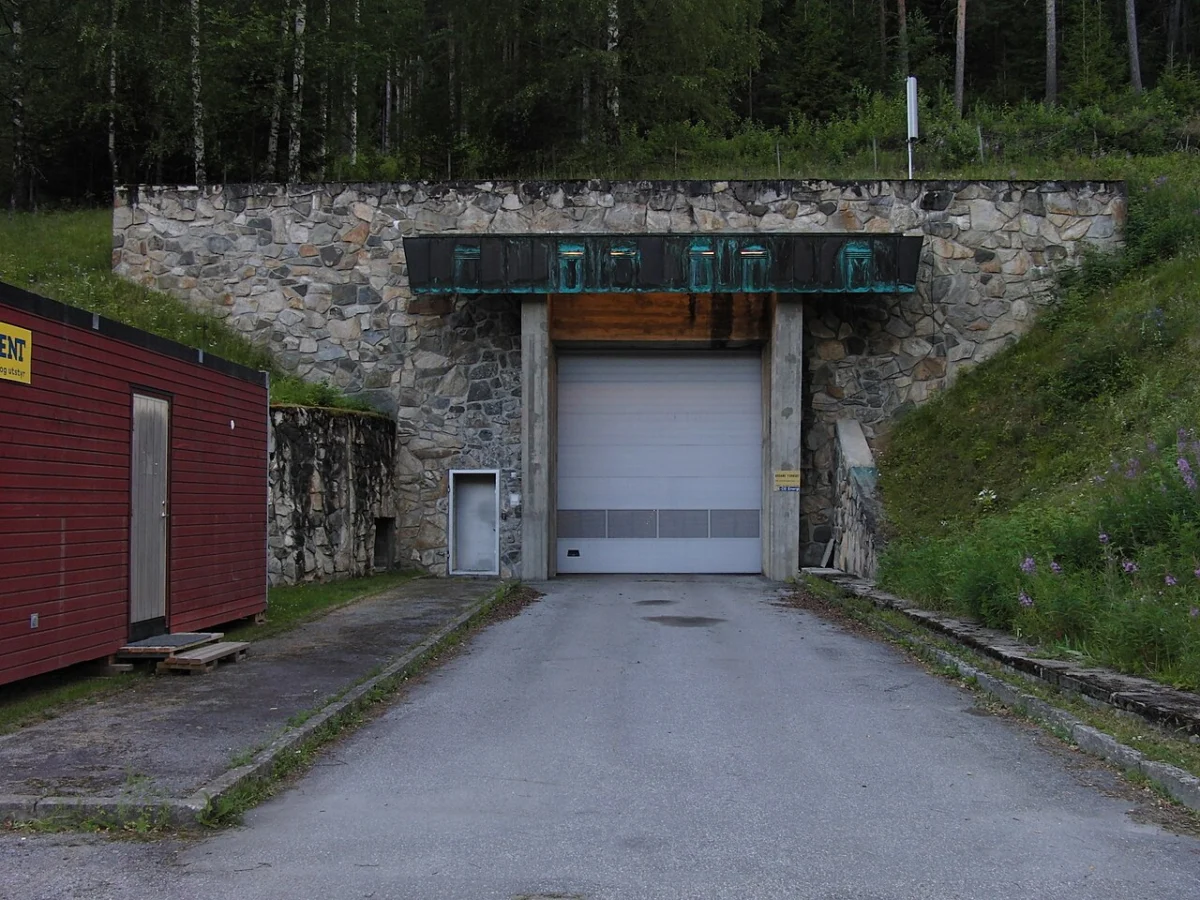
The Norwegian energy landscape is undergoing a silent but monumental transformation. As the nation seeks to balance its role as a cornerstone of European energy security with the urgent need for grid flexibility, the spotlight has turned toward the backbone of its power system: legacy hydropower. In a landmark development, Aker Solutions has secured a high-profile contract with Hafslund Kraft to lead the modernization of the Nes Power Station in Buskerud.
Described by stakeholders as one of Norway’s most significant hydropower upgrades, the project represents a strategic pivot toward squeezing maximum efficiency and longevity out of existing infrastructure. By marrying mechanical engineering excellence with advanced digital innovation, the partnership aims to redefine what it means to "renew" a renewable asset.
Main Facts: A Blueprint for Grid Resiliency
The Nes Power Station, a vital artery in Norway’s energy grid, currently boasts an installed capacity of 332 MW and produces approximately 1.5 TWh of clean electricity annually. However, the scope of the new modernization program is transformative.
The primary objectives are threefold:
- Capacity Expansion: A planned increase of approximately 80 MW, effectively upgrading the plant’s output capability.
- Production Growth: An annual increase in production of roughly 37 GWh, reinforcing the plant’s contribution to the national energy mix.
- Asset Longevity: A comprehensive overhaul designed to extend the operational lifetime of the station for several decades.
The technical scope of the work is extensive. Aker Solutions will undertake the replacement and modernization of the non-embedded turbine components for the plant’s four 83 MW Francis turbine units. Beyond the heavy ironwork, the project includes a complete overhaul of the governor control systems and the rehabilitation of the main inlet valves—critical components for both safety and performance.
Chronology: From Legacy Infrastructure to Future-Ready Asset
The timeline for the Nes Power Station project is a reflection of the scale and complexity inherent in large-scale hydropower engineering.
- Pre-2026 Assessment: Hafslund Kraft conducted rigorous feasibility studies to determine how the station, which has served the region faithfully for decades, could be optimized without requiring massive, environmentally invasive new civil engineering projects.
- Contract Award (Q4 2026): Aker Solutions officially secured the contract, marking the transition from planning to procurement and manufacturing.
- Project Kick-off (Current Phase): Initial site assessments and the preliminary phases of engineering design are underway. This period focuses on the intricate logistics of dismantling legacy components while ensuring the plant maintains a degree of operational readiness.
- The Digital Integration Phase (2027–2029): This period will see the implementation of the "Digital Twin" technology. By creating a high-fidelity virtual replica of the station, engineers will begin modeling fluid dynamics and turbine performance to prepare for the hardware upgrades.
- The Installation Window (2029–2031): The core physical upgrades—the turbine components, governor systems, and inlet valves—will be phased in. This requires precision scheduling to minimize downtime during peak energy demand periods.
- Final Delivery (2032): The commissioning of the upgraded units is slated for completion in 2032, marking the official launch of the "new" Nes Power Station.
Supporting Data: Why Modernization Outperforms New Build
In the global push for net-zero, there is a recurring debate: should energy providers build new capacity or optimize the old? For Norway, the data increasingly supports the latter.
The Nes Power Station project provides a compelling case study. Expanding the station by 80 MW via the existing 30km headrace tunnel is a masterclass in efficiency. Building a new 80 MW facility from scratch would require massive environmental assessments, land acquisition, and the construction of new tunnels and dams, all of which come with significant carbon footprints and ecological impacts.
By upgrading the current facility, Hafslund Kraft is leveraging existing water rights and geological infrastructure. The 37 GWh of additional annual production serves as a "bonus" that comes without the need for further damming of Norwegian rivers. This approach aligns with the growing trend of "Circular Energy," where the focus is on maximizing the output of existing footprints.
Furthermore, the integration of a Digital Twin is not merely a technological trend; it is an operational imperative. In a traditional system, maintenance is scheduled based on time intervals. With a digital twin, data-driven optimization allows for predictive maintenance. Sensors throughout the plant will feed real-time performance data into the twin, identifying wear and tear long before a component failure occurs. This increases the "availability factor" of the plant, ensuring it is online exactly when the Norwegian grid needs it most.
Official Perspectives: Aligning Engineering and Strategy
The partnership between Aker Solutions and Hafslund Kraft is built on a shared vision of Norway’s energy future. Jo Kjetil Krabbe, Executive Vice President for the Power Solutions segment at Aker Solutions, highlighted the pride and ambition behind the project.

"We are proud to partner with Hafslund Kraft on one of Norway’s most ambitious hydropower modernization projects," Krabbe stated during the contract announcement. "By upgrading proven assets, we can unlock additional renewable energy production, increase flexibility, and help secure reliable power supply for decades to come."
Krabbe’s comments emphasize a critical shift in the industry: the move away from viewing hydropower as a static asset toward viewing it as a dynamic, flexible tool. In a market increasingly influenced by intermittent energy sources like wind and solar, the ability of a plant to ramp up or down—to provide "grid flexibility"—is becoming more valuable than raw base-load power.
From the perspective of Hafslund Kraft, the project is a manifestation of their long-term commitment to the energy transition. By investing in the Nes facility, they are effectively hedging against the volatility of the European power markets. A more efficient, more flexible plant is a more profitable one, and it provides a buffer for the Norwegian consumer against price shocks.
Implications: The Future of European Hydropower
The implications of the Nes Power Station project extend well beyond the borders of Buskerud.
1. A Blueprint for European Utilities
Norway serves as the "battery of Europe." As the continent integrates more renewables, it relies on Norway’s ability to export power when the sun doesn’t shine and the wind doesn’t blow. Upgrading facilities like Nes increases this battery capacity, effectively making the entire European grid more resilient. Other utilities across the Alpine region and the Balkans are likely to look at the Nes model as a template for their own aging fleets.
2. The Digitalization of the "Heavy" Sector
For years, the hydropower industry was seen as a "slow" sector, dominated by mechanical engineering and civil works. The integration of digital twins at Nes signals that the "Industry 4.0" revolution has firmly arrived at the dam site. The ability to use software to optimize water flow and turbine angle in real-time will likely become the industry standard within the decade.
3. Environmental Stewardship
Perhaps the most significant implication is the environmental argument. Modernizing existing plants is the "lowest impact" way to increase renewable capacity. In an era where environmental permits for new hydropower are increasingly difficult to obtain, the path of "repowering" is the most viable strategy for growth. It allows utilities to meet climate targets without triggering the social and ecological friction associated with new greenfield developments.
4. Economic Multipliers
The project also represents a significant investment in the Norwegian industrial supply chain. From the specialized manufacturers of turbine blades to the software engineers developing the digital twin, the project is a major employer and a catalyst for innovation. It keeps Norwegian engineering expertise at the cutting edge of global hydropower, ensuring that the country remains a leader in technology exports as well as energy exports.
Conclusion: The Long Road to 2032
The modernization of the Nes Power Station is a microcosm of the global energy transition. It is not always about the "newest" or the "biggest" projects; often, it is about the "smartest." By taking a piece of infrastructure that has stood for years and infusing it with 21st-century technology, Aker Solutions and Hafslund Kraft are ensuring that the heart of Norway’s energy system keeps beating stronger than ever.
As work proceeds toward the 2032 completion date, the energy sector will be watching closely. If the Nes project delivers on its promise of an 80 MW capacity increase and enhanced operational efficiency, it will set a definitive standard for how to modernize the legacy of the past to power the future. In the quest for a sustainable, reliable, and flexible energy grid, the humble turbine—when paired with the power of data—remains an indispensable tool in the global arsenal against climate change.