The delicate equilibrium of the North American supply chain is undergoing its most significant structural shift in decades. As Canada-U.S. trade relations navigate a period of heightened volatility, importers, exporters, and retailers are being forced to abandon long-standing "just-in-time" logistics models in favor of resilient, localized, and highly data-driven frameworks.
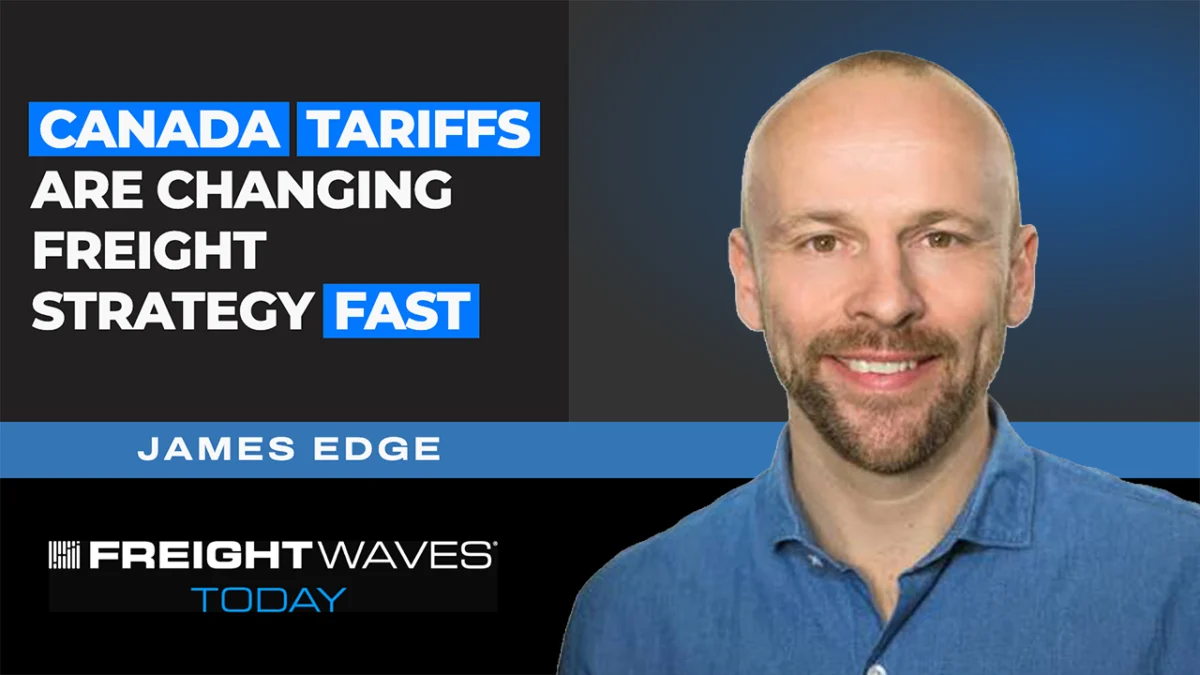
At the center of this transformation is the realization that in 2025, the primary challenge for logistics professionals is not merely the cost of tariffs, but the suffocating uncertainty surrounding policy fluctuations. James Edge, CEO of Cross Border at Bnode and chairperson at Landmark Global, argues that the current environment demands a fundamental "operator’s playbook" that prioritizes agility over traditional efficiency.
The New Operator Playbook: Decentralization and Dual-Node Logistics
For years, the standard operating procedure for cross-border e-commerce and retail was to serve the North American market from centralized hubs, often located in the central or eastern United States. This "one-size-fits-all" model offered economies of scale and simplified inventory management. However, the current tariff environment has rendered this model a liability.
Shifting to Dual-Node Models
The most effective strategy emerging in 2025 is the transition to a dual-node fulfillment structure. By separating U.S. and Canadian fulfillment operations, companies can mitigate the impact of cross-border levies.
Edge points to a prominent example: a client that once served the entire North American customer base from a single U.S. warehouse was faced with prohibitive tariffs that eroded their margins. By opening a dedicated Canadian fulfillment center, the company was able to bulk-import inventory into Canada—paying the tariff at the point of entry for the shipment rather than on individual customer orders. This, combined with domestic distribution, allowed the brand to remain competitive in the Canadian market while maintaining its U.S. presence, effectively insulating itself from the most volatile price swings.
The Margin Math
The strategic decision-making process today is dictated by "margin math." As Edge puts it, "If an additional tariff means $5 extra, is that all of your margin, or do you have some room to play?" Companies are now forced to perform granular cost-benefit analyses on every SKU, deciding whether to absorb the tariff, pass the cost to the consumer, or change the logistics path entirely.
Chronology of Escalation: From Trade Partners to Friction Points
The current state of cross-border trade did not happen overnight. The path to the present tensions is marked by a series of policy shifts and escalating domestic sentiments.
- Early 2024: Initial rumblings of protectionist policy adjustments begin to surface in both Washington and Ottawa, leading to speculative inventory stocking.
- Late 2024: The first wave of targeted tariffs on specific sectors, including consumer electronics and apparel, triggers the first round of supply chain re-evaluation.
- Q1 2025: Volatility reaches a breaking point as policy changes become rapid and unpredictable. Companies begin the aggressive process of diversifying their manufacturing bases away from heavy reliance on Chinese production.
- Mid-2025 (The Present): The emergence of a "Buy Local" movement in Canada begins to tangibly impact consumer behavior, creating a "double-squeeze" on importers: they face both higher tariff costs and lower consumer demand for U.S.-sourced goods.
Supporting Data and The Technological Shift
While the political landscape remains murky, the technological response has been a bright spot. Logistics firms are increasingly turning to advanced AI to manage the complexity of modern customs documentation.
AI in Customs Classification
Customs compliance has historically been a manual, error-prone endeavor. However, current AI-assisted systems have achieved success rates in the "upper 90s" regarding classification accuracy. This is a marked improvement over earlier machine-learning tools, which hovered around 80%. These systems allow firms to process massive amounts of documentation with minimal human intervention, reducing the risk of "human error" that leads to seized shipments or costly border delays.
The "Human Element" Constraint
Despite the gains in AI, the physical clearance process remains a human-led operation. Interaction with government agencies, port authorities, and customs officials is still fundamentally a face-to-face or person-to-person engagement. Edge warns against over-reliance on automation; a perfectly classified digital document is useless if the physical shipment is flagged due to a lack of proper documentation or if it fails to meet the specific, evolving requirements of border agencies.
Socio-Political Implications: The Rise of Canadian Nationalism
Perhaps the most surprising development in the current trade environment is the shift in Canadian consumer sentiment. Historically, the U.S.-Canada relationship has been one of deep economic integration and cultural affinity. However, Edge highlights a rise in Canadian nationalism that he describes as "unprecedented."
Television commercials and government-backed initiatives are actively encouraging Canadians to seek out domestic alternatives to U.S.-made products. This sentiment is not just a political talking point; it is translating into shifting market shares. "It takes a lot to get the Canadians riled," Edge noted, emphasizing that the current level of friction is a significant departure from the stability that defined the last three decades of trade between the two nations.
Recommendations for Resilience
For brands looking to survive and thrive in this environment, the path forward requires a three-pronged approach:
1. Data Hygiene is Paramount
Compliance requirements are no longer static. Brands must maintain rigorous, up-to-date databases regarding country of origin, material composition, and product classification. "The changing tariffs and the management of those tariffs makes it difficult to do that cross-border shipment," Edge said. If your data is dirty, your supply chain will be slow.
2. Sourcing Flexibility
Dependency on a single region for manufacturing is now a structural risk. Leading retailers are aggressively evaluating alternatives in Vietnam, Turkey, and Bangladesh. The goal is not necessarily to abandon current partners, but to create "multi-lane" sourcing strategies that allow for rapid pivots if a specific trade lane becomes economically unviable due to new tariffs.
3. Alignment with Expert Partners
Navigating the regulatory landscape requires more than just internal capacity; it requires logistics partners who operate in the real-time space of trade compliance. Companies that attempt to manage these complexities in-house without specialized legal and operational support are finding themselves at a disadvantage against more nimble, well-advised competitors.
Conclusion: The Outlook for 2026
Looking ahead, the consensus among experts is that while tariff volatility may eventually settle into a new "high-water mark" of cost, the geopolitical dimensions remain fundamentally unpredictable. The era of frictionless, low-cost cross-border trade is effectively over.
The companies that succeed in the coming years will be those that view trade compliance not as a back-office administrative function, but as a core component of their competitive strategy. By building out regionalized warehouse networks, investing in data accuracy, and acknowledging the changing consumer sentiment, brands can transform the challenge of trade tension into an opportunity for operational maturity.
For those looking to gain deeper insights into these shifts, the upcoming FreightWaves F3: Future of Freight Festival in October 2026 will feature industry leaders, technology demos, and in-depth discussions on how to navigate the evolving global supply chain. The message for the industry is clear: stay informed, stay flexible, and prepare for a long-term future defined by strategic complexity.