By Alejandra Carranza | May 13, 2026
In the modern landscape of global retail, the furniture industry has become a primary battleground for macroeconomic volatility. As geopolitical tensions escalate and trade policies shift, retailers are finding themselves caught in a complex web of logistical disruptions and punitive duties. Bob’s Discount Furniture, a titan in the home furnishings space, is currently navigating a particularly treacherous environment, characterized by a stagnant housing market and a persistent 25% tariff on upholstery products.
COO Ramesh Murthy recently outlined the company’s strategic response to these pressures, emphasizing that resilience in the current era requires more than just reactive measures—it demands a robust, multi-faceted "playbook" designed to insulate the bottom line from external shocks.
The Core Challenge: A Landscape of Rising Costs
The furniture retail sector is currently grappling with a trifecta of pressures: a cooling housing market that limits consumer demand for new furnishings, logistical bottlenecks, and a mounting burden of import duties. For Bob’s Discount Furniture, these challenges are compounded by the nature of their inventory.
"The 25% upholstery tariff is really one area that’s been more outsized, given 50% of our product mix is upholstery," noted company leadership.
While the industry narrowly avoided a scheduled increase to 30% at the start of the year—a hike that has been delayed for an additional 12 months—the current 25% levy remains a significant headwind. When combined with a 10% global tariff rate, the company’s cost of goods sold (COGS) faces constant upward pressure. As Murthy explained to Supply Chain Dive, the strategy to counteract these duties is not a singular action, but a three-step operational framework.
The Three-Step Mitigation Playbook
To navigate the tariff environment, Bob’s has institutionalized a strategy that prioritizes agility, diversification, and negotiation.
1. Diversification of Sourcing
Reliance on a single geographic region for manufacturing has become a liability in the current trade climate. Bob’s has been aggressively diversifying its supplier base, moving beyond traditional hubs to mitigate the impact of specific country-of-origin tariffs. By shifting production capabilities to more favorable trade corridors, the company aims to balance its portfolio and reduce its exposure to any single trade policy shift.
2. Strategic Price Adjustments
While the company prides itself on the "Discount" in its name, the reality of a 25% tariff necessitates a delicate balance between price sensitivity and margin preservation. Bob’s has implemented surgical price adjustments, carefully analyzing which product lines can absorb cost increases and which require a more competitive price point to maintain market share.
3. Supply Chain Optimization and Efficiency
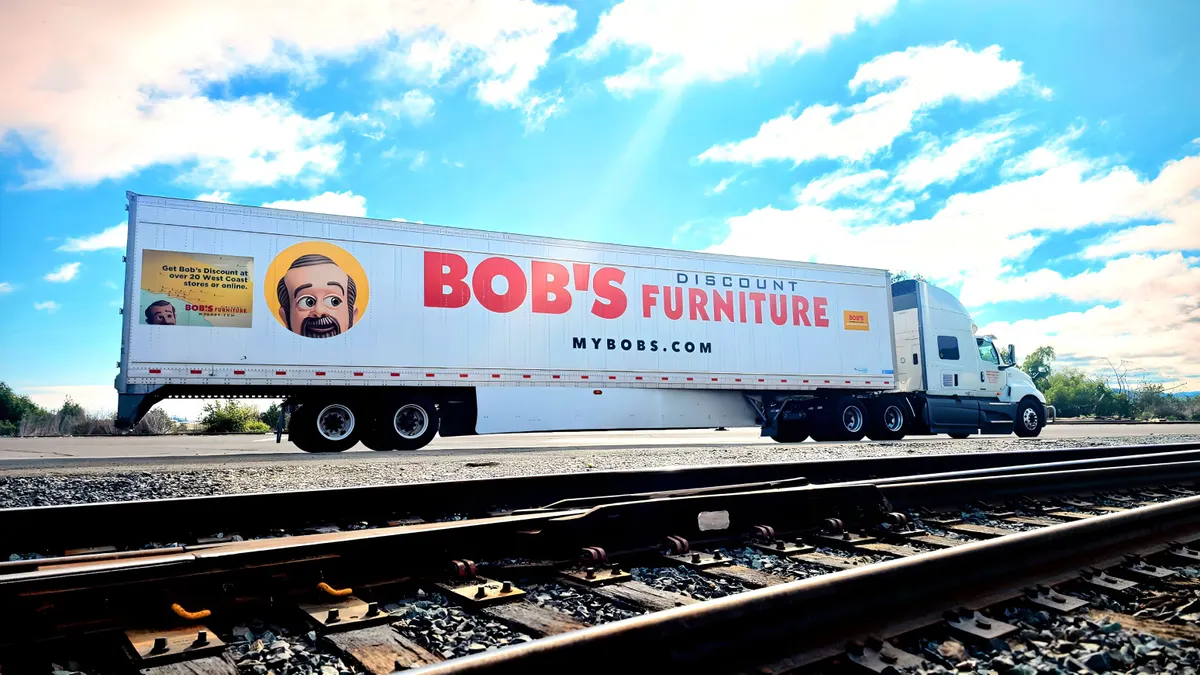
The third pillar of the playbook involves driving systemic efficiency. This includes everything from optimizing container utilization to renegotiating terms with logistics partners. By increasing the density of their shipments and reducing "dead air" in freight, the company effectively lowers the per-unit shipping cost, which helps offset the duty burden.
Chronology: From Trade Tensions to Tactical Response
The current climate did not manifest overnight. To understand the gravity of the situation for retailers like Bob’s, one must look at the timeline of events that have shaped the 2026 fiscal year:
- Early 2025: Initial concerns mount as trade rhetoric shifts, leading to the implementation of the 25% upholstery tariff.
- Q3 2025: Retailers begin integrating "tariff mitigation playbooks" into their annual planning, anticipating that the trade environment will remain hostile for the foreseeable future.
- January 2026: A scheduled increase of the upholstery tariff to 30% is officially delayed, providing a temporary, albeit fragile, reprieve for major furniture retailers.
- Q1 2026: Escalating tensions in the Middle East, particularly involving the Strait of Hormuz, lead to a spike in global oil prices, impacting domestic trucking and international shipping surcharges.
- May 2026: Bob’s Discount Furniture confirms that while fuel surcharges caused a minor impact in the first quarter, the company remains focused on long-term contract negotiations to stabilize costs.
Supporting Data: The Broader Retail Context
Bob’s is not an outlier in its concerns. Across the retail sector, major players are publicly leaning on similar playbooks to survive the tariff era.

Companies like PVH Corp. (the parent of Calvin Klein and Tommy Hilfiger), Gap Inc., Newell Brands, and American Eagle Outfitters have all signaled to investors that they are prepared to weather the storm through re-sourcing and pricing discipline. The common thread among these firms is a shift toward "near-shoring" or "friend-shoring," moving supply chains closer to the point of consumption to mitigate the risks associated with trans-Pacific shipping lanes and international trade disputes.
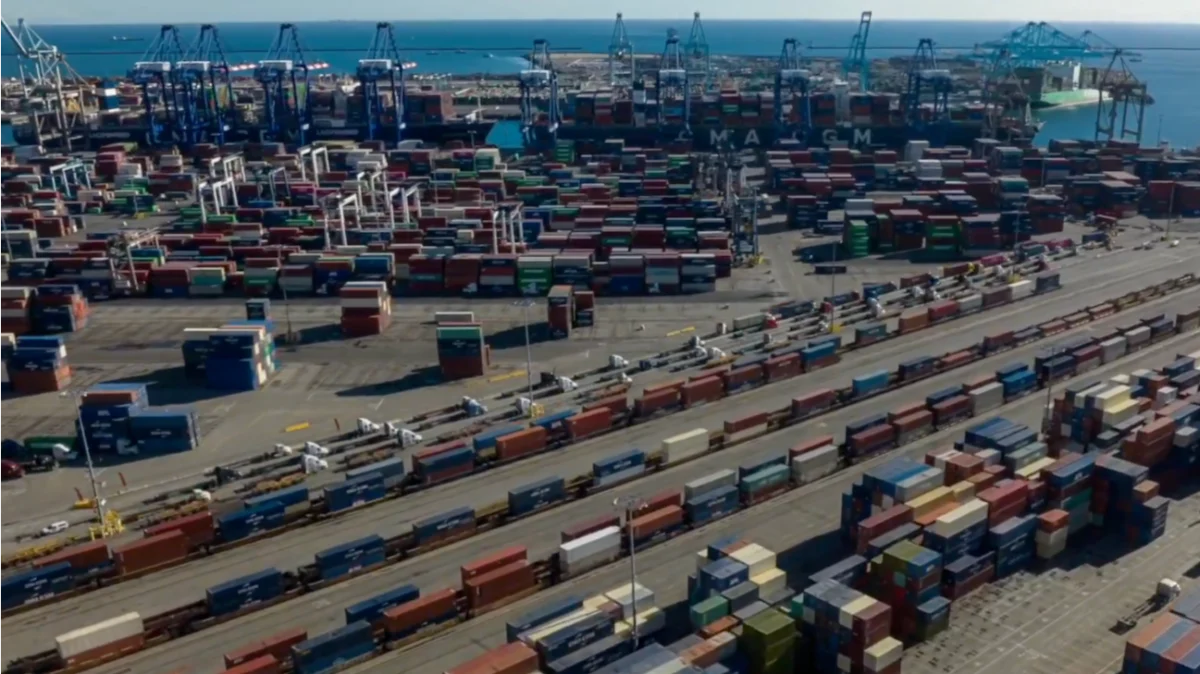
Furthermore, the impact of fuel volatility cannot be ignored. While the first quarter of 2026 saw only "incremental" trucking surcharges for Bob’s, the broader industry is bracing for potential volatility in the second quarter. The ongoing conflict in the Middle East has disrupted shipping flows, forcing companies to engage in deeper, more collaborative negotiations with ocean freight carriers to secure stable rates for the upcoming fiscal year.
Official Responses: Managing the Logistics Network
The leadership at Bob’s remains confident in their ability to handle these external pressures, largely due to the scale of their operations.
"We are a large player and have great relationships with both our ocean freight and delivery partners," Murthy stated. "We are feeling confident in our ability to deal with whatever fuel shocks come our way, and our consistent volumes benefit our carrier partners."
The company is currently in the midst of finalizing contract negotiations for the coming year. By leveraging their consistent shipping volume, they are seeking to lock in favorable rates that protect them from the spot-market volatility that has plagued smaller, less established retailers. This proactive approach to logistics—treating freight carriers as strategic partners rather than just service providers—is a cornerstone of their defense against rising energy and import costs.
Implications: The Future of Furniture Retail
What does this mean for the future of the industry? The implication is clear: the era of "easy" global supply chains is over. Retailers that survive the coming years will be those that prioritize supply chain transparency and logistical flexibility.

The Shift Toward Vertical Resilience
As tariffs become a permanent fixture of the global economy, we can expect to see further consolidation. Larger retailers like Bob’s, which have the capital and the organizational capacity to renegotiate contracts and diversify their sourcing, will likely gain market share at the expense of smaller competitors who lack the "playbook" to navigate these complexities.
The Consumer Impact
While retailers are doing their best to absorb these costs, the reality is that long-term tariff exposure eventually filters down to the consumer. However, by optimizing their logistics networks and hedging against fuel spikes, companies like Bob’s are working to keep the price-to-value ratio attractive enough to stimulate a housing market that is currently in a state of flux.
A Call for Stability
The delay of the 30% upholstery tariff is a testament to the fact that the government is aware of the strain these policies put on the retail sector. Yet, for an industry that requires long-term planning for manufacturing and distribution, the current "wait-and-see" environment is difficult to manage. For now, the strategy for Bob’s is simple: keep the supply chain lean, maintain deep ties with logistics partners, and remain prepared for any shift in the wind.
As the industry moves into the second half of 2026, the success of these mitigation efforts will be the primary metric by which both investors and consumers judge the health of the furniture retail sector. For Bob’s, the game plan is set, the contracts are being negotiated, and the focus remains firmly on navigating the volatility of the global market with characteristic, and necessary, resilience.