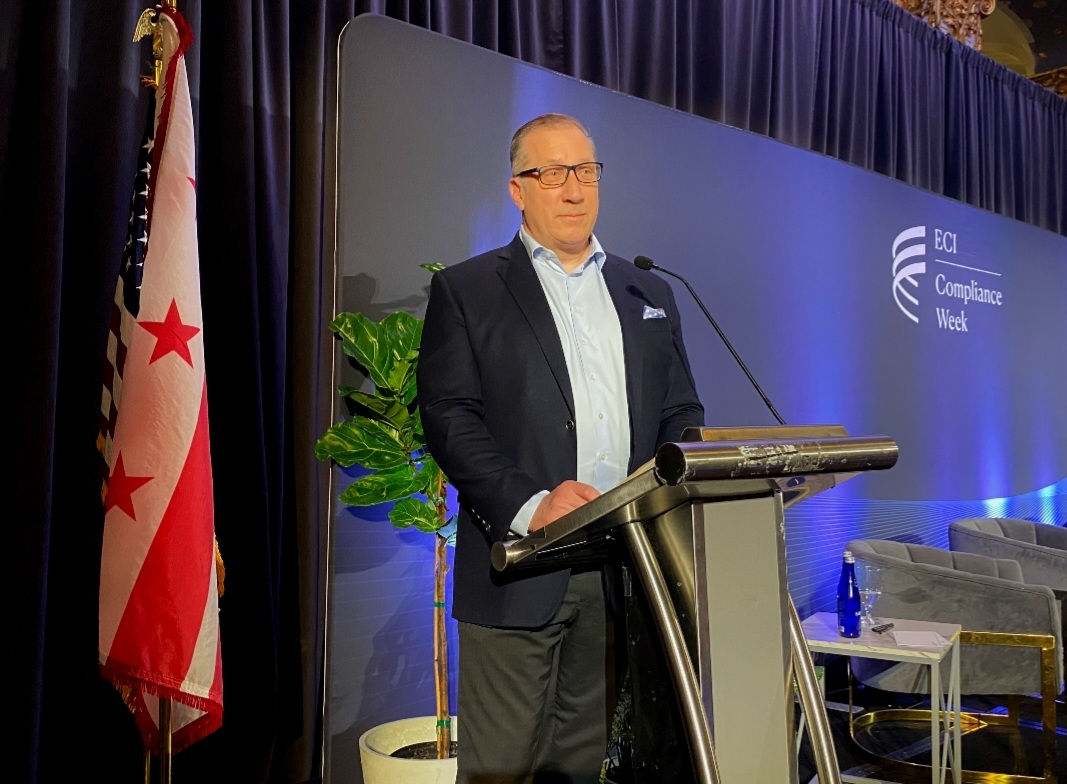
WASHINGTON, D.C. — In an era defined by rapid technological disruption and a shifting global regulatory landscape, the ethics and compliance (E&C) profession stands at a critical inflection point. This week, the industry gathered in the nation’s capital for the ECI Compliance Week flagship national conference, an event that served as both a forum for urgent dialogue and a stage for a new era of leadership.
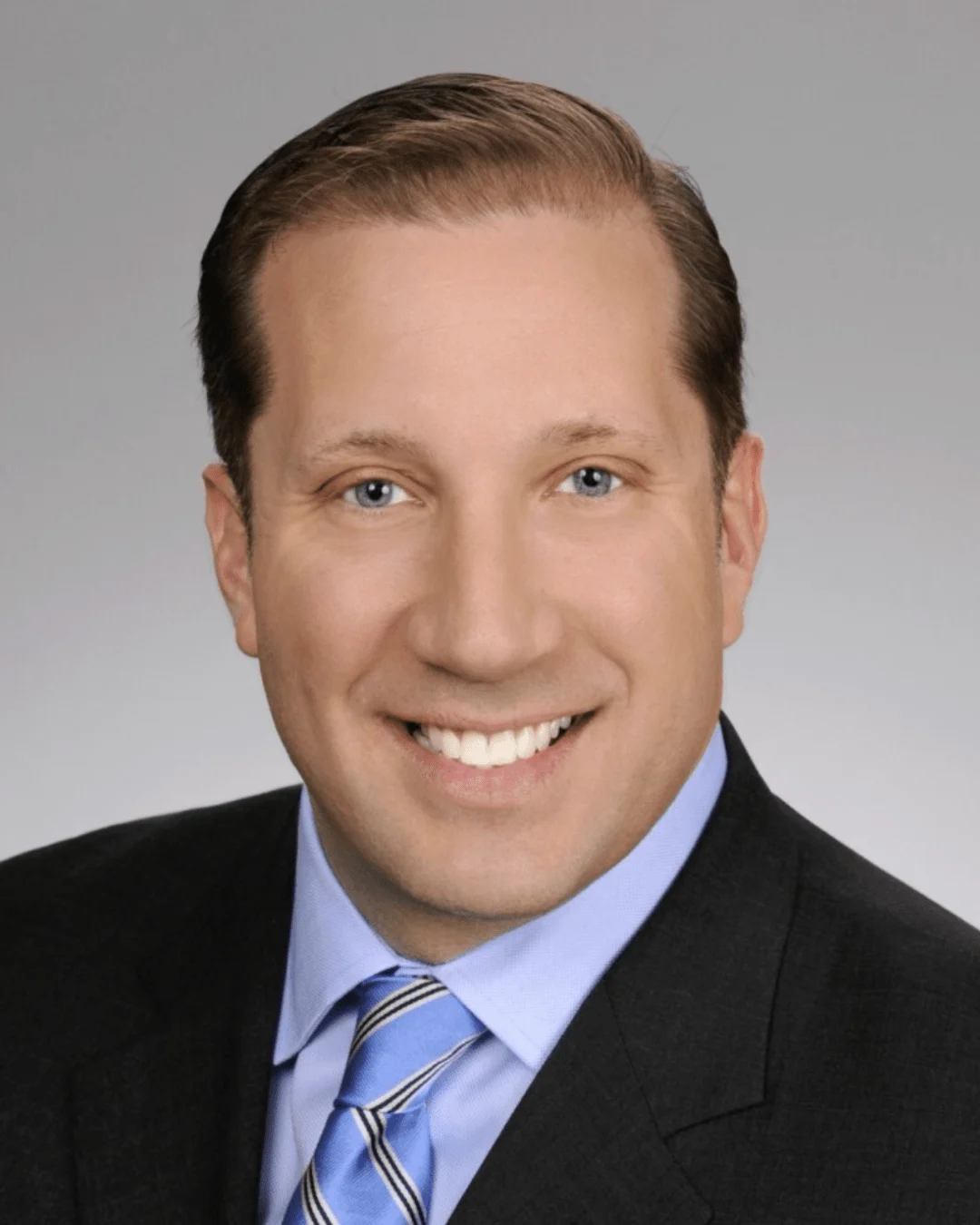
The conference was headlined by the official introduction of Maurice L. Crescenzi, Jr. as the newly appointed President of ECI Compliance Week. Crescenzi, a veteran with over three decades of experience spanning Fortune 500 boardrooms, global consulting powerhouses, and academia, assumes the helm at a moment when the traditional boundaries of corporate governance are being redrawn by artificial intelligence, heightened third-party scrutiny, and evolving enforcement priorities.
A Proven Leader for a Changing Ecosystem
Crescenzi’s appointment is widely viewed by industry observers as a strategic alignment of deep-seated practitioner experience and commercial foresight. Prior to his current role, Crescenzi cultivated a career that bridged the gap between theoretical ethics and practical, high-stakes implementation. His background includes senior leadership roles in regulatory compliance and the oversight of ethics consulting practices at some of the world’s most prestigious professional services firms.
Perhaps most notably, his nearly 20-year tenure as a university-level instructor of business ethics provides him with a unique pedagogical perspective. He describes these years in the classroom as “invaluable and irreplaceable,” a sentiment he carried into his opening remarks to the conference attendees.
“I am excited, humbled, and grateful to have been appointed president of ECI Compliance Week,” Crescenzi stated during the conference. He emphasized his profound respect for the “visionaries and luminaries” who have shaped the profession, many of whom were present in the room. His philosophy for the role is rooted in the concept of collective intelligence: “I’m looking forward to collaborating not just with my team internally, but with you. If you have questions, concerns, or ideas, I welcome them. We’re all in this together.”
Jim Lindstrom, CEO of Verdian Insights, the parent company of ECI Compliance Week, lauded the appointment, noting that Crescenzi brings a “rare combination of leadership-level practitioner experience, commercial discipline, and genuine standing across the profession.” Lindstrom added that under Crescenzi’s guidance, the organization aims to evolve its trusted ecosystem and expand its global reach.
The State of the Profession: A Chronology of Challenges
The conference served as a comprehensive audit of the current E&C landscape. Over the course of three days, experts dissected the most pressing issues facing organizations today. In his closing keynote, Crescenzi synthesized these diverse sessions into a cohesive narrative, providing a roadmap for the next 12 to 18 months.
The AI Imperative
The dominant thread woven throughout the conference was the rapid integration of artificial intelligence into corporate operations. While the potential for efficiency is immense, the governance gap remains alarming. Data presented during the conference—drawn from a collaborative study between Compliance Week and konaAI—revealed that 83% of compliance functions have already deployed AI tools. However, only 25% of leaders expressed confidence in their ability to oversee these tools effectively.
Crescenzi framed this as the defining challenge for the immediate future. “Compliance is often held accountable for AI risk, but in most organizations, compliance does not own AI oversight,” he noted. The task ahead for the profession is to bridge this disconnect between deployment and governance.
Third-Party Risk Management (TPRM) Evolution
Crescenzi underscored that TPRM has moved far beyond simple anti-bribery and anti-corruption measures. The U.S. Department of Justice (DOJ) now views robust third-party oversight as a fundamental pillar of an effective ethics program. Modern due diligence must now account for a web of complexities, including beneficial ownership, international sanctions, human rights violations, and the proliferation of illegal shell companies.
The Shift in Enforcement
While some observers have pointed to a trend toward “deregulation,” Crescenzi argued that this headline misrepresents the reality. The volume of enforcement has not necessarily decreased; rather, its source and application have shifted. Organizations are increasingly looking toward international directives as a baseline for risk management. Furthermore, the resurgence of healthcare fraud cases and the creative application of the False Claims Act suggest that enforcement is becoming more surgical and pervasive at the state level.
Insights from the Frontlines: Official Guidance
The conference featured high-level dialogue with key regulatory figures, providing participants with direct insight into the government’s expectations for corporate behavior.
DOJ: The Mechanics of Cooperation
Assistant Attorney General A. Tysen Duva engaged in a fireside chat that crystallized the DOJ’s expectations for corporate conduct. Emphasizing the Criminal Division’s corporate enforcement policy, Duva reiterated that the system is designed to reward transparency.
“If you self-disclose early—even with an incomplete picture—fully cooperate, demonstrate a robust program, and remediate, you can potentially secure a Part One declination,” Crescenzi summarized, highlighting Duva’s practical advice to “think like a trial lawyer.” Cooperation, according to Duva, is not a transaction; it is a relationship built on the provision of witness lists, exhibits, and transparent document production.
When asked the pointed question of whether organizations should cut compliance resources in light of fiscal pressures, Duva’s answer was unequivocal: “Don’t.”
SEC: A Call for Restraint
Conversely, SEC Commissioner Hester Peirce offered a perspective centered on regulatory restraint. Peirce expressed concern over the agency’s tendency to regulate through enforcement rather than through clear, collaborative rulemaking. Using the recent influx of off-channel communications cases as a primary example, she argued that penalizing firms for industry-wide issues is not an effective substitute for clear, prospective guidelines. Peirce renewed her advocacy for a formal compliance advisory committee, ensuring that Chief Compliance Officers (CCOs) have a seat at the table when new regulations are drafted.
Measuring Culture and Strategic Alignment
Beyond the technical and regulatory discussions, the conference turned its lens inward toward organizational culture. Crescenzi challenged the audience to look beyond “vanity metrics”—such as training completion rates or hotline volume—which he argued often mask the true state of an organization’s integrity.
“Real culture lives in what gets incentivized and rewarded,” Crescenzi noted. He introduced the concept of “listening up” to complement the long-standing focus on “speaking up.” He emphasized that the responsibility for this cultural health resides in the “mood in the middle”—the effectiveness of middle management in fostering a secure, communicative environment.
Finally, the sessions touched on the persistent struggle of the E&C department to shed the “cost-center” label. Despite flat or shrinking budgets, the directive from the conference was clear: Compliance must reposition itself as a strategic partner. This involves more rigorous board reporting and a shift toward proactive risk mitigation that supports the business’s long-term commercial objectives.
Implications: The Road Ahead
As the conference drew to a close, Crescenzi offered a parting message of empowerment for the attendees. He stressed that the primary value of the gathering was not to produce a laundry list of tasks for the coming Monday, but to refine the instincts of the professionals and expand their network of peers.
“Most of the hard problems we discussed do not have a clean answer yet,” Crescenzi reminded the room. “The next best thing is a peer who is one or two steps ahead of you.”
The implications of the conference are clear: the profession is entering a phase where technical proficiency in AI, a mastery of complex international supply chains, and a shift toward behavioral culture measurement will be the primary markers of success. Under the new leadership of Maurice L. Crescenzi, Jr., ECI Compliance Week appears poised to serve as the critical conduit for these necessary evolutions, ensuring that the ethics and compliance community remains resilient in an increasingly volatile global environment.
As he concluded his remarks, Crescenzi offered a final, unifying call to action: “Risk and technology are moving faster than our programs can keep up with, and the work is on us to close that gap.”