By Alejandra Carranza | Supply Chain Dive | October 15, 2026
As the global geopolitical landscape remains fraught with instability—most notably the ongoing conflict in Iran—the transportation and logistics sectors are facing an unprecedented economic squeeze. For wholesale food distributors like United Natural Foods, Inc. (UNFI), the primary point of pressure is the skyrocketing price of diesel fuel. With on-highway diesel prices reaching a staggering $6.18 per gallon—a year-over-year increase of $2.51 according to the U.S. Energy Information Administration—companies are being forced to rethink their operational strategies to protect margins and ensure the consistent flow of food supplies across the nation.
UNFI, a critical link in the North American food supply chain, has emerged as a case study in resilience. By blending traditional financial hedging strategies with cutting-edge, AI-powered fleet management technology, the company is successfully navigating what many analysts describe as the most challenging fuel environment in recent history.
The Core Challenge: A Perfect Storm for Logistics
The current volatility in the fuel market is not merely a cyclical trend; it is a direct consequence of global supply shocks. The Iran war has disrupted major energy corridors, leading to a tightening of global oil supplies that has sent shockwaves through domestic fuel prices.
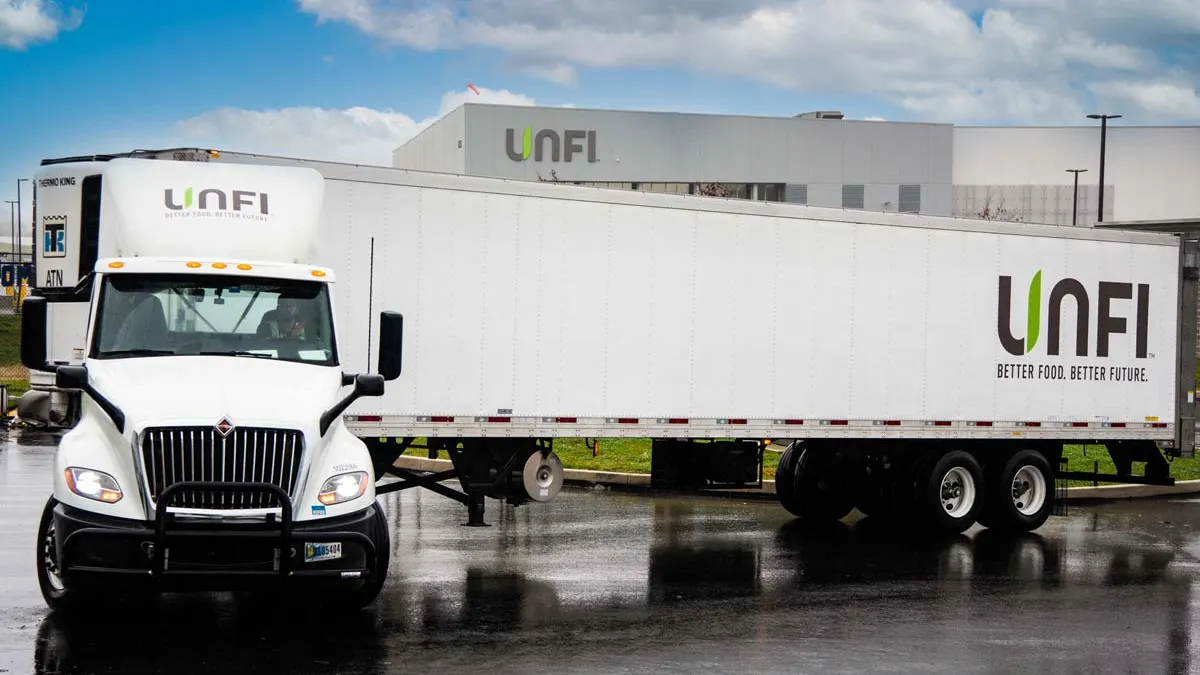
For a company like UNFI, which operates a massive network of nearly 50 distribution centers and maintains a fleet of over 2,000 delivery vehicles, fuel is one of the most significant line items on the balance sheet. When diesel prices fluctuate as drastically as they have in 2026, the potential for margin erosion is catastrophic. The challenge is twofold: managing the immediate cash flow impact of higher fuel bills and ensuring that the increased cost does not result in prohibitive price hikes for retailers and, ultimately, consumers.
Chronology of the Crisis and Response
The escalation of fuel costs began to accelerate in early 2026, tracking closely with the geopolitical tensions in the Middle East. By the time UNFI presented its strategic outlook at the Goldman Sachs Global Consumer and Retail Conference on September 15, 2026, the company had already been operating under a "crisis-ready" framework for several months.
- Q1 2026: Initial geopolitical tensions lead to incremental increases in diesel prices. UNFI begins to ramp up its utilization of AI-driven routing tools.
- Mid-2026: Prices hit a threshold that prompts the company to lean more heavily into its financial hedging instruments.
- September 15, 2026: UNFI executives address investors at the Goldman Sachs conference, highlighting the effectiveness of their two-pronged strategy: financial protection and operational efficiency.
- October 12, 2026: EIA data confirms diesel prices have reached $6.18, marking a historic high. UNFI’s previous investments in the Samsara visibility platform prove critical in maintaining operational efficiency despite the price spike.
Supporting Data: Why Hedging Matters
At the heart of UNFI’s financial strategy is the concept of fuel hedging. As CEO Sandy Douglas noted during the Goldman Sachs conference, this approach is essential for "keeping our exposure in a reasonable place."
Dean Croke, principal industry analyst at DAT Freight & Analytics, explains that hedging acts as a critical shock absorber. "Fuel hedging works like a price lock," Croke noted. "If prices climb, the hedge covers the difference. If they drop, you miss the savings. Either way, you know your costs and can plan around them."
For an organization of UNFI’s scale, which consumes millions of gallons of diesel annually, the benefits of hedging go beyond simple cost savings. It provides predictability. In a market where investors are skittish about inflation, the ability to guarantee a maximum price for fuel provides a level of stability that is highly valued on Wall Street. By removing the "guessing game" from energy procurement, UNFI can focus its resources on its core mission: moving goods efficiently.
The AI Edge: Optimizing the Last Mile
While hedging protects the bottom line from market price swings, it does not reduce the actual amount of fuel consumed. That is where UNFI’s investment in technology—specifically the Samsara AI-powered visibility platform—comes into play.

The integration of Samsara has been a transformative move for the company. By gaining real-time visibility into transportation data across its entire network, UNFI is no longer reliant on outdated, manual route planning. Instead, AI algorithms analyze thousands of data points—including traffic patterns, delivery windows, and vehicle load capacities—to calculate the most fuel-efficient paths.
"The platform helps us identify opportunities to optimize delivery routes and reduce unnecessary miles," a UNFI spokesperson stated. By reducing the distance traveled per delivery, the company directly lowers its fuel consumption, effectively creating an "operational hedge" that works alongside its financial one.
Official Responses and Industry Context
UNFI is not alone in its struggle, nor is it the only company attempting to innovate its way out of the crisis. Across the grocery and retail sectors, various strategies are being deployed to mitigate the impact of rising logistics costs:
- Costco: During its Q4 2026 earnings call, CFO Gary Millerchip highlighted that the company has managed to offset incremental fuel surcharges by leveraging lower contracted shipping rates, demonstrating the power of scale in procurement.
- McCormick & Co.: The spices and flavor leader has focused on its "Comprehensive Continuous Improvement" program. By driving internal productivity and reducing waste, they have created the fiscal breathing room necessary to absorb higher freight and input costs.
These examples underscore a broader trend: companies that are succeeding in the current environment are those that view logistics not as a fixed cost to be endured, but as an operational variable to be optimized through data and strategy.
Implications for the Future of Logistics
The situation facing UNFI and its peers holds significant implications for the future of supply chain management. As energy prices remain volatile, the reliance on manual processes is becoming a liability.

1. The Rise of the "Data-Driven Fleet"
The success of the Samsara implementation at UNFI signals a shift toward the "connected fleet." In the coming years, we can expect to see more companies investing in IoT-enabled, AI-managed logistics. The ability to track fuel efficiency in real-time will move from being a "competitive advantage" to a "baseline requirement" for survival in the wholesale distribution sector.
2. Strategic Hedging as Standard Practice
Financial hedging, once considered a tool primarily for large energy-dependent firms, is increasingly becoming a standard risk-management requirement for any major logistics network. The volatility of the 2026 market has proven that without such safeguards, a company’s entire profitability is hostage to global events beyond its control.
3. Sustainable Logistics as an Economic Necessity
While UNFI’s move to reduce miles traveled is driven by fuel costs, the environmental implications are clear. Reducing unnecessary mileage lowers the carbon footprint of the entire food distribution network. This suggests that in the future, economic pressure and environmental responsibility may align, with companies adopting "green" initiatives specifically because they are the most cost-effective way to operate.
Conclusion
As the energy crisis continues to test the limits of the global supply chain, UNFI’s experience offers a roadmap for resilience. By accepting the reality of market-driven price spikes and utilizing financial tools to lock in costs, while simultaneously deploying AI to slash unnecessary fuel consumption, the company is successfully insulating its operations from the worst of the volatility.
The road ahead remains uncertain. If the conflict in Iran persists or escalates, fuel prices may remain elevated for the foreseeable future. However, for organizations that prioritize visibility, technological integration, and proactive financial planning, the path forward is clearer. UNFI’s strategy confirms that while a company cannot control the global price of oil, it can control how it responds—and in that response lies the difference between merely surviving and staying profitable.